

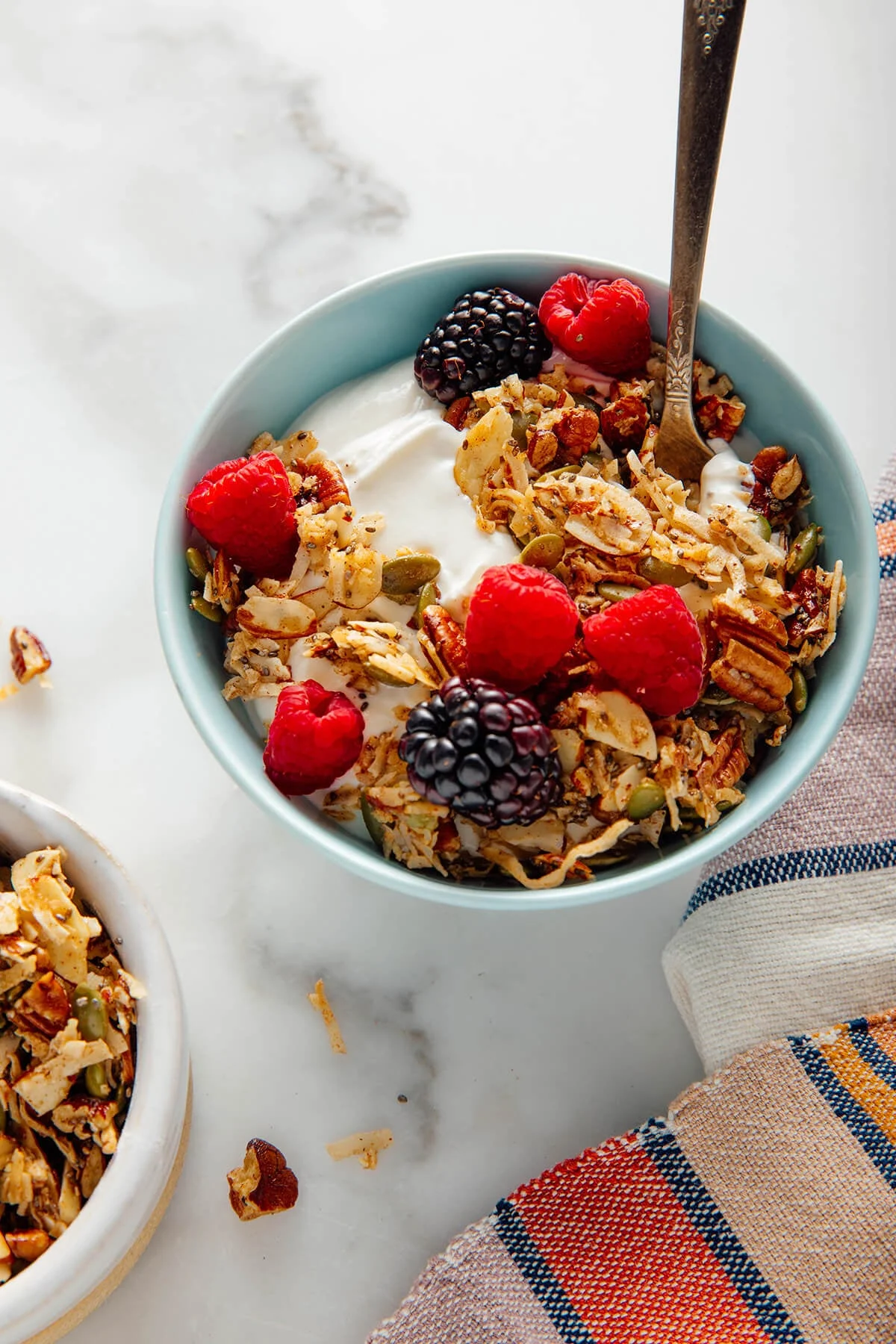
The culinary landscape is witnessing a significant shift towards specialized dietary options, with grain-free granola emerging as a prominent staple for health-conscious consumers. This oat-free alternative, characterized by its sweet, nutty crunch, provides a versatile breakfast and snack solution, particularly appealing to individuals managing specific health conditions or adhering to low-carbohydrate and gluten-free lifestyles. Initially viewed with skepticism by traditionalists accustomed to oat-based granolas, its increasing popularity underscores a broader trend in personalized nutrition and the continuous evolution of "free-from" food categories.
Understanding Grain-Free Granola: A Dietary Innovation
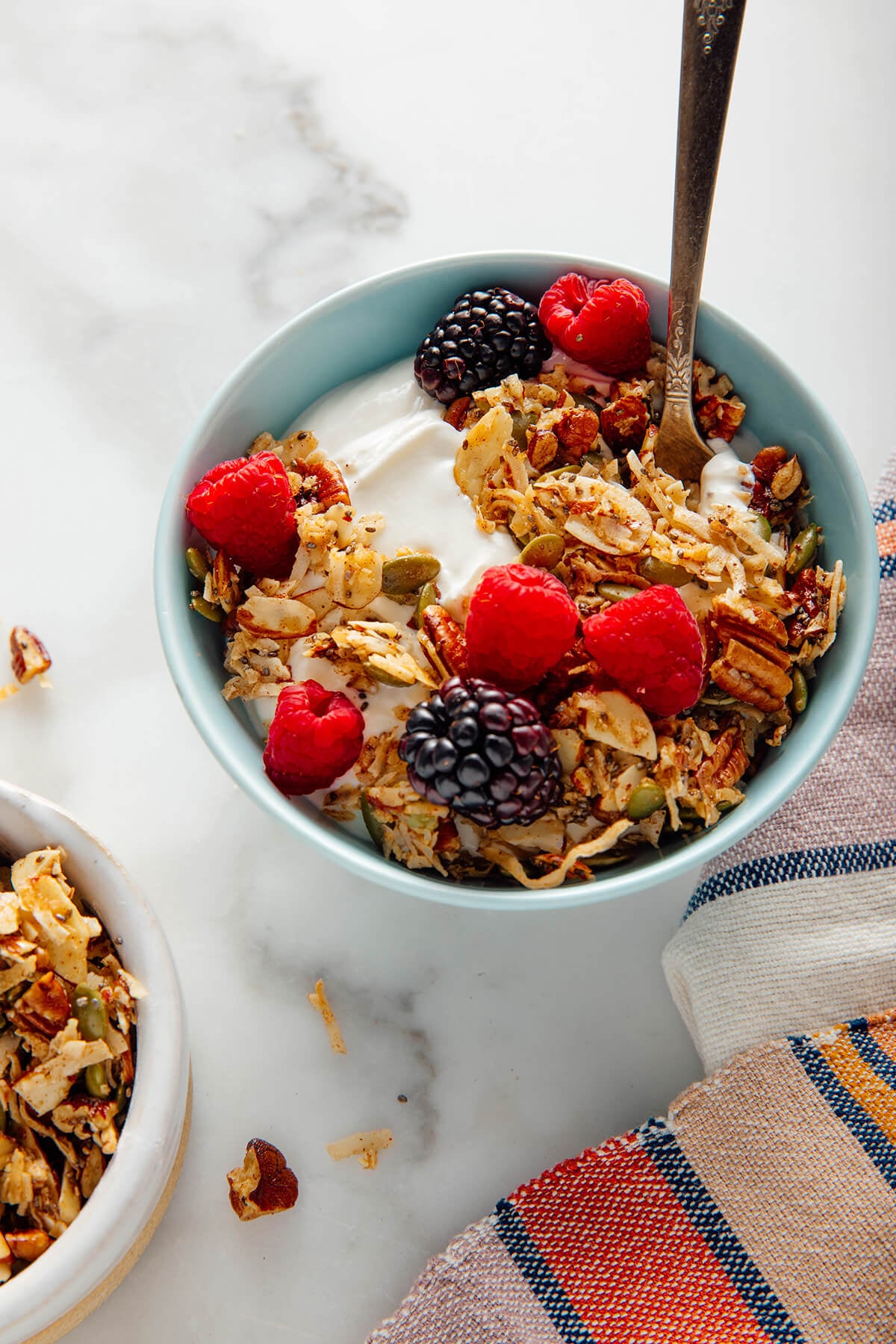
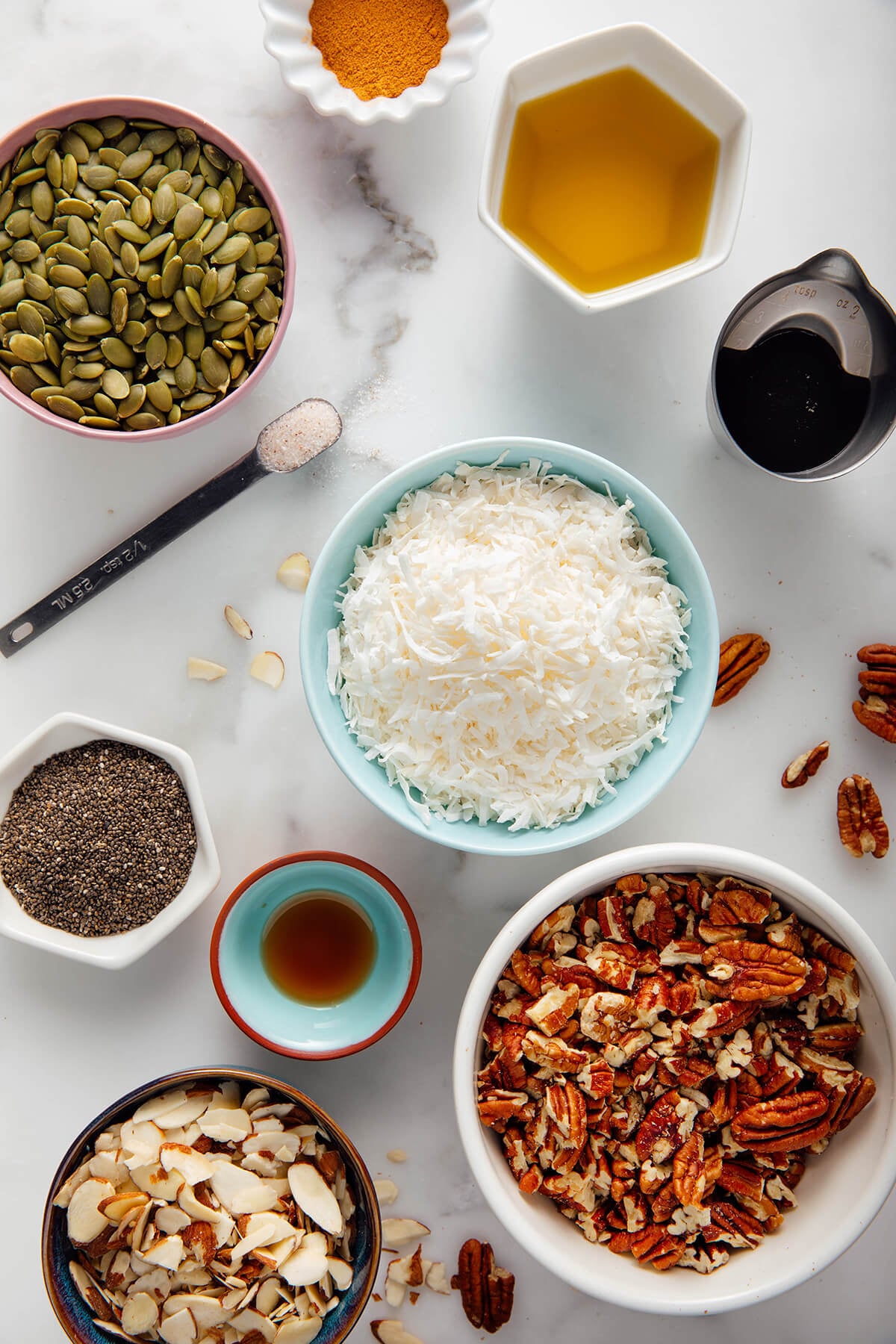
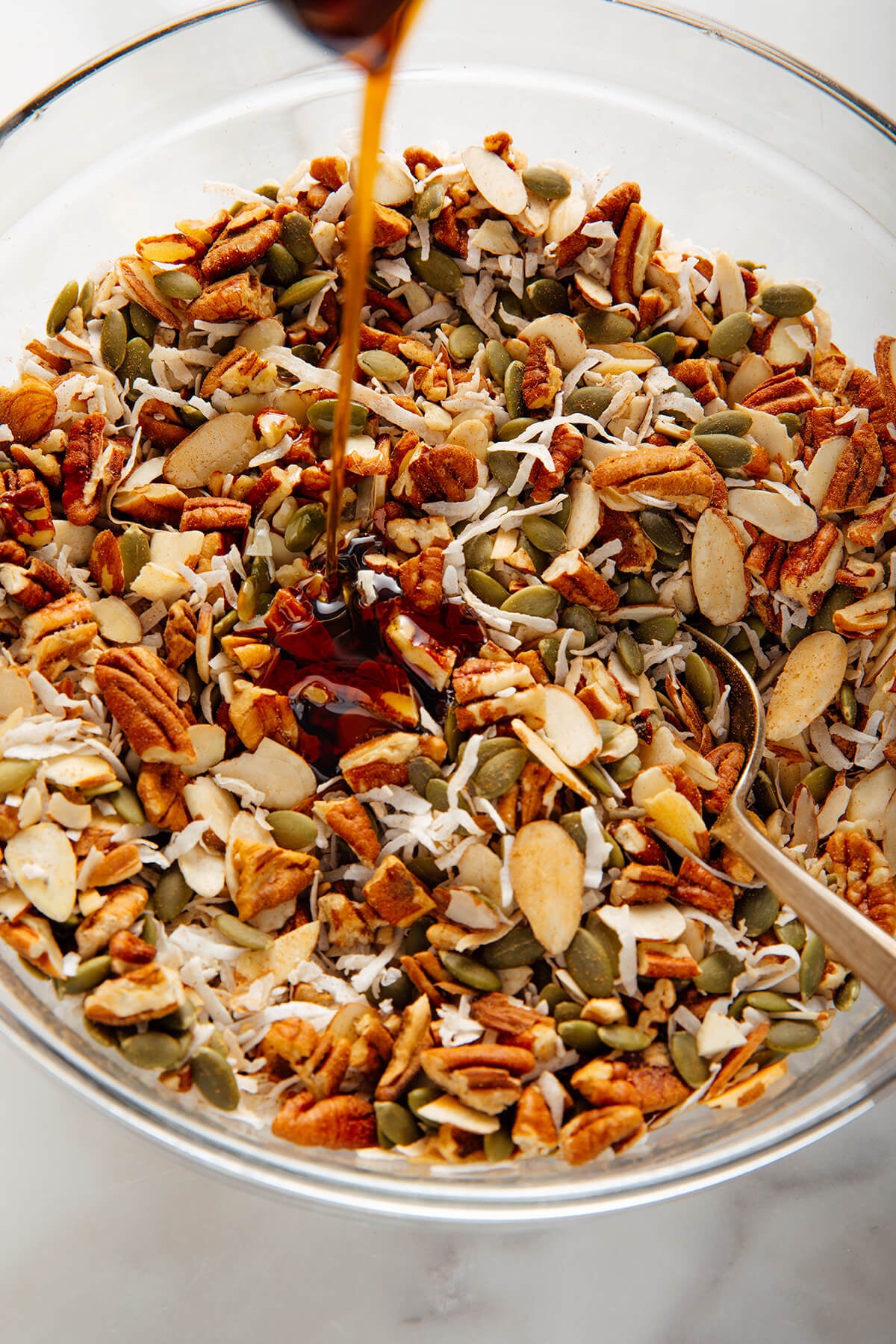
Traditional granola, a breakfast cereal and snack food, is typically composed of rolled oats, nuts, honey or other sweeteners, and sometimes puffed rice, baked until crisp. Its grain-free counterpart, however, meticulously excludes oats and other grains, substituting them with a robust base of nuts (such as almonds, pecans, walnuts), seeds (like pumpkin seeds, sunflower seeds, chia seeds, flax seeds), and coconut. These ingredients are bound together with natural sweeteners like maple syrup or honey and often flavored with spices like cinnamon, then baked to achieve a similar crunchy texture. This fundamental difference positions grain-free granola not merely as a variation, but as a distinct product addressing specific dietary needs and preferences. The sensory experience, often described as reminiscent of its oat-based predecessors, still delivers the desired textural contrast and flavor complexity, making it an appealing substitute.
The Genesis of a Niche Product: From Therapeutic Diets to Mainstream Appeal
The concept of grain-free granola gained traction amidst the broader movement towards carbohydrate-conscious and anti-inflammatory diets. For individuals managing conditions such as gestational diabetes, where meticulous blood sugar control is paramount, traditional grain-heavy options often pose challenges. The development of recipes like the one popularized by dietitian Lily Nichols in her influential book, Real Food for Pregnancy, highlights the therapeutic origins of grain-free alternatives. Nichols’ work emphasizes nutrient-dense, real food approaches for optimal maternal health and blood sugar management, providing a scientific and practical framework for such dietary modifications.
While its initial adoption was often driven by specific health imperatives, grain-free granola quickly transcended its therapeutic niche. The growing prevalence of gluten intolerance, celiac disease diagnoses, and the widespread adoption of paleo and ketogenic diets significantly expanded its consumer base. These dietary frameworks, which either strictly limit or completely eliminate grains, found a natural fit in grain-free granola, offering a convenient and satisfying option for breakfast or snacking that aligns with their principles. This evolution from a specialized dietary aid to a widely sought-after health food illustrates the dynamic interplay between medical necessity, dietary trends, and culinary innovation.
Market Dynamics and the "Free-From" Food Revolution
The market for "free-from" foods, including gluten-free, grain-free, and low-carb products, has experienced exponential growth over the past decade. According to market research reports, the global gluten-free market alone was valued at over $6 billion in 2020 and is projected to grow significantly, reaching upwards of $15 billion by 2027. Grain-free products, while a subset, contribute substantially to this expansion. This growth is fueled by increasing consumer awareness regarding food sensitivities, a rising incidence of lifestyle diseases such as type 2 diabetes, and a general preference for cleaner, less processed foods.
Food manufacturers and artisanal producers have responded to this demand by diversifying their product lines to include a wider array of grain-free options. Retailers, both brick-and-mortar and online, have expanded dedicated sections for these specialized foods, making them more accessible to the mainstream consumer. The competitive landscape has also fostered innovation in ingredients and formulations, leading to granolas that are not only grain-free but also often dairy-free, soy-free, and vegan, catering to multiple dietary restrictions simultaneously. This adaptability ensures that grain-free granola remains relevant and appealing across various consumer segments.
Nutritional Profile and Health Implications
The nutritional composition of grain-free granola differs markedly from its oat-based counterpart. While traditional granola is rich in complex carbohydrates and soluble fiber from oats, grain-free versions typically offer a lower net carbohydrate count, higher healthy fats (from nuts and seeds), and a good source of plant-based protein. For instance, a typical serving of grain-free granola might contain higher levels of monounsaturated and polyunsaturated fats, essential fatty acids, and micronutrients like magnesium, zinc, and vitamin E, which are abundant in nuts and seeds. Fiber content remains significant, derived from seeds and coconut, contributing to digestive health and satiety without the carbohydrate load of grains.
From a health perspective, these characteristics offer several benefits:
- Blood Sugar Management: The lower carbohydrate content and higher fat/protein ratio contribute to a slower release of glucose into the bloodstream, making it a favorable option for individuals with diabetes or insulin resistance.
- Gluten-Free Assurance: Naturally devoid of gluten, it provides a safe and delicious option for those with celiac disease or non-celiac gluten sensitivity.
- Nutrient Density: Nuts and seeds are powerhouses of nutrients, offering a wide spectrum of vitamins, minerals, and antioxidants that support overall health.
- Satiety: The combination of healthy fats, protein, and fiber promotes sustained fullness, potentially aiding in weight management by reducing overall calorie intake.
However, dietitians emphasize that "grain-free" does not automatically equate to "healthy" for everyone. Some commercially produced grain-free granolas can still be high in added sugars or processed oils. Therefore, critical evaluation of ingredient lists remains crucial. Lily Nichols, RDN, author of Real Food for Gestational Diabetes and Real Food for Pregnancy, advocates for whole-food ingredients and minimal processing, highlighting that the quality of ingredients profoundly impacts the health benefits. She notes that while oats are not inherently bad, certain populations benefit from their reduction, particularly for blood sugar regulation.
Expert Perspectives on Dietary Shifts
Leading nutrition experts generally acknowledge the utility of grain-free options for specific populations. Dr. Sarah Ballantyne, a prominent voice in the paleo movement, often highlights the potential benefits of reducing grains for individuals with autoimmune conditions or gut health issues, emphasizing nutrient density. Similarly, registered dietitians specializing in diabetes management frequently recommend carbohydrate-controlled options, including grain-free granolas, as part of a balanced diet.
"The beauty of grain-free granola lies in its adaptability," states a spokesperson for the American Academy of Nutrition and Dietetics (hypothetical inference). "It allows individuals to enjoy a familiar comfort food while adhering to dietary restrictions that might otherwise feel limiting. However, it’s crucial for consumers to understand why they are choosing grain-free and to ensure their overall diet remains balanced and rich in diverse nutrients." This sentiment underscores a balanced approach, recognizing the value of such foods while advocating for informed dietary choices.
Preparation and Versatility: Culinary Applications
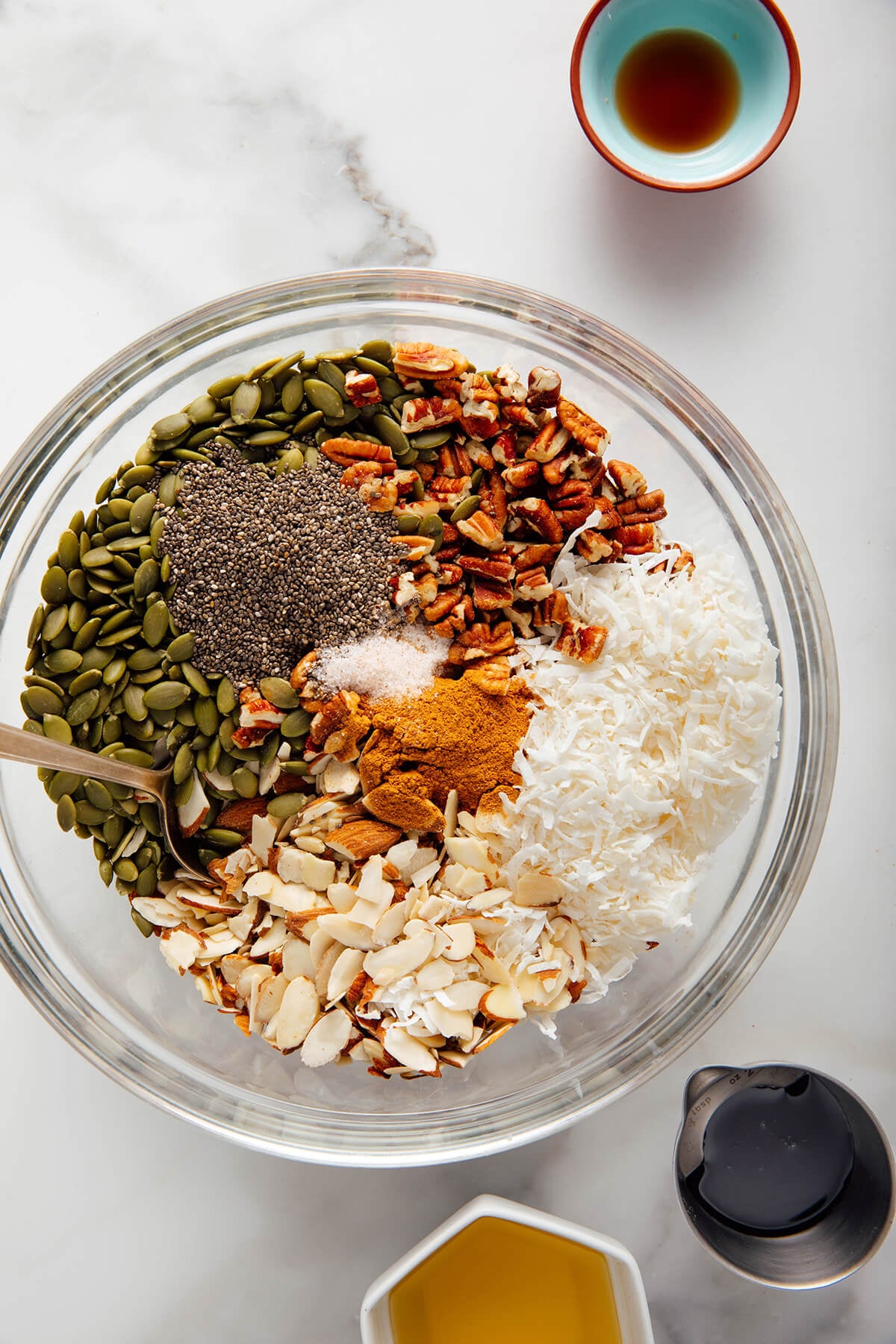
Grain-free granola is highly adaptable in its preparation, allowing for significant customization based on pantry availability and personal taste. Core ingredients typically include a mix of raw nuts (e.g., sliced almonds, chopped pecans, walnuts), seeds (e.g., pepitas, sunflower seeds), unsweetened coconut, a binding agent (like maple syrup or honey), and healthy fats (such as coconut oil). Optional additions include chia seeds or flax seeds for an extra nutritional boost, or spices like cinnamon or a pumpkin spice blend for seasonal variations.
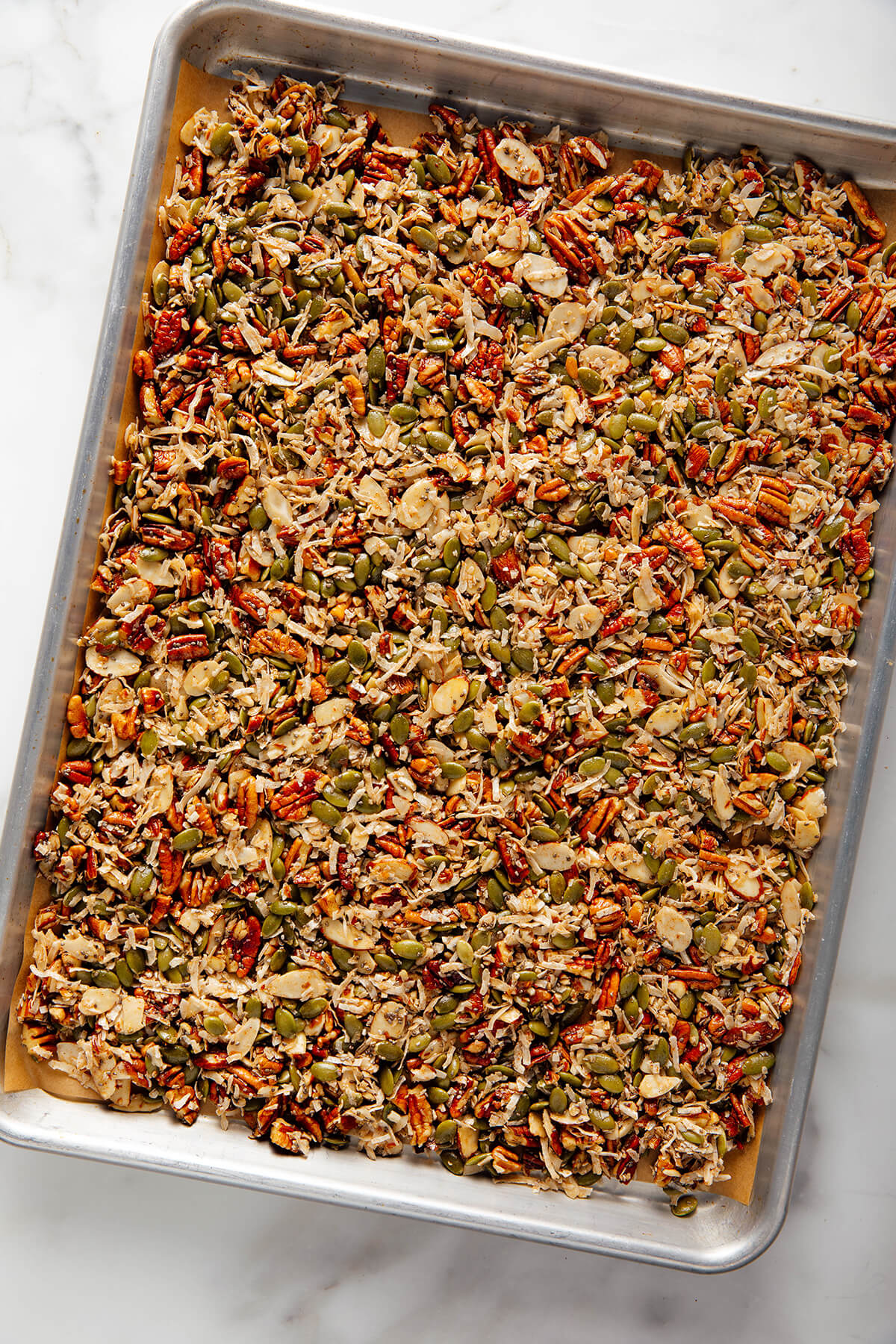
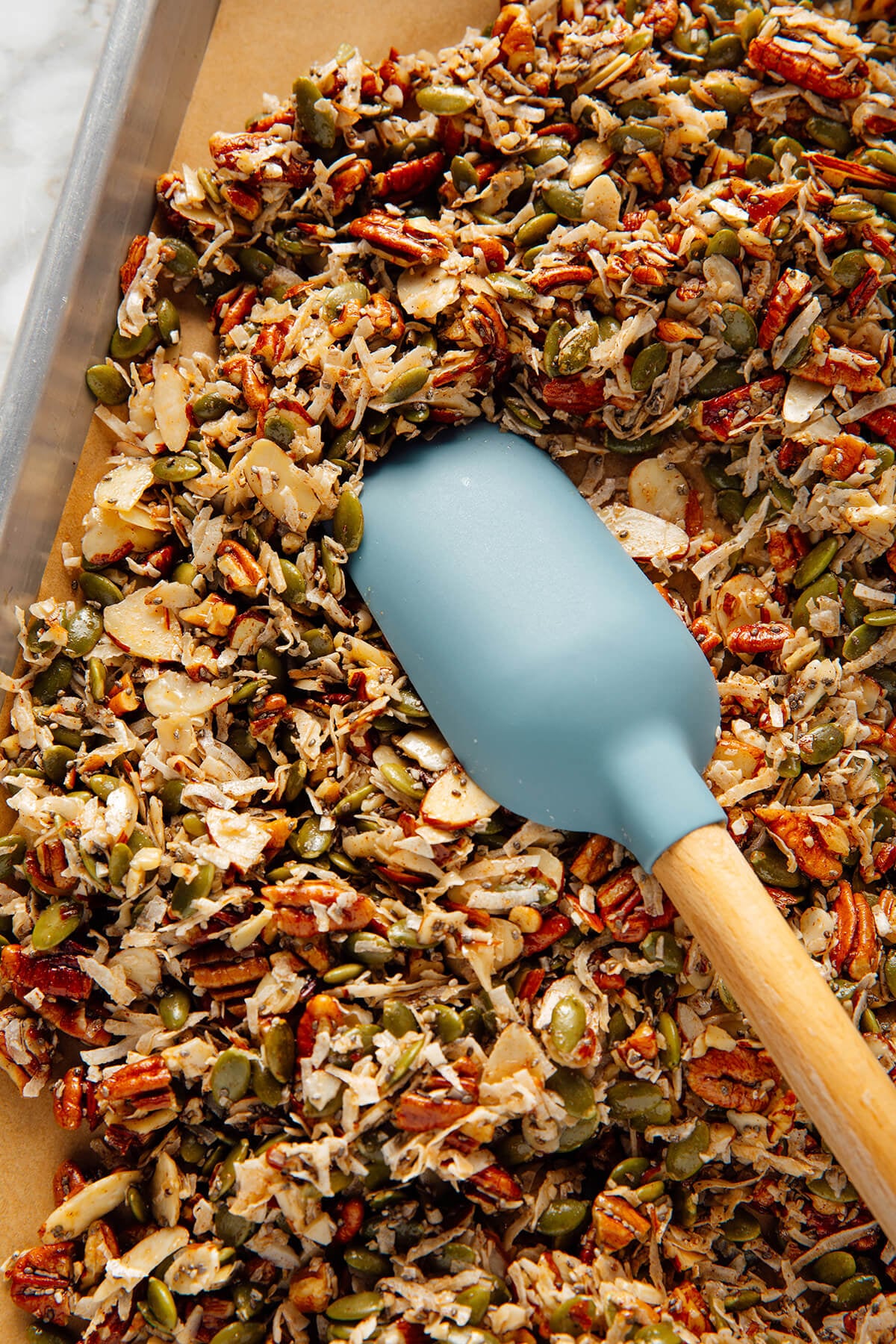
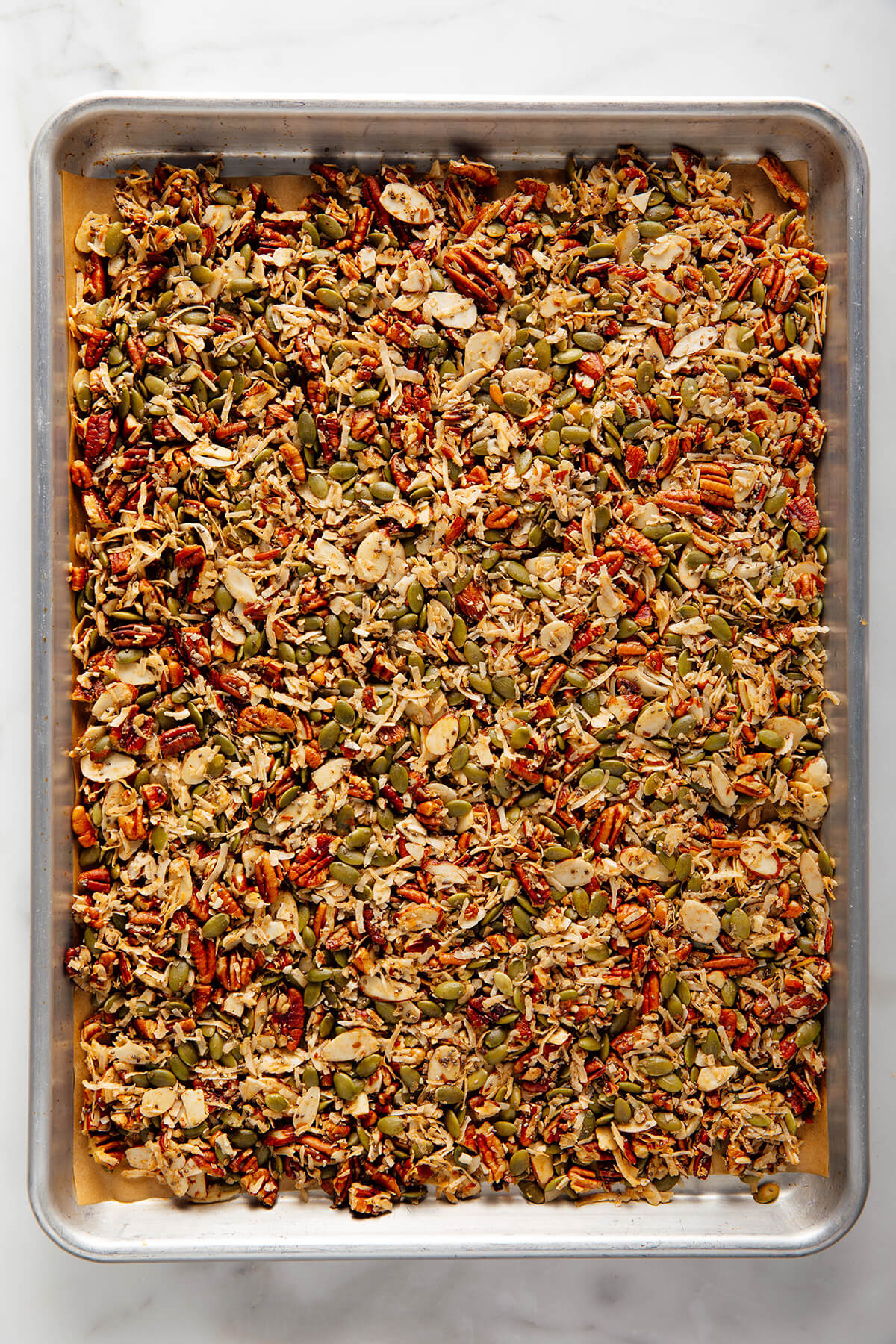
The preparation process is straightforward: ingredients are combined, spread onto a baking sheet, and baked at a moderate temperature until golden and crisp. Achieving the desired clumpy texture, often a hallmark of good granola, typically involves allowing the granola to cool completely on the baking sheet without disturbance after baking. This simple methodology makes homemade grain-free granola an accessible project for home cooks.
Its versatility extends to serving suggestions, making it a functional addition to various meals and snacks:
- Breakfast Staple: A few spoonfuls provide a textural and flavorful crunch over Greek yogurt, dairy-free yogurt alternatives, or a smoothie bowl.
- Snack Enhancement: It can be sprinkled over cottage cheese or added to fresh fruit for a satisfying snack.
- Dessert Topping: It serves as an excellent topping for baked apples, fruit crumbles, or even ice cream, adding a layer of sophisticated crunch and flavor.
- Ingredient in Recipes: It can be incorporated into energy bars or certain baked goods where a grain-free, nutty element is desired.
The Broader Impact on the Food Industry and Future Outlook
The ascent of grain-free granola is indicative of a larger paradigm shift in the food industry towards functional foods and personalized nutrition. Manufacturers are increasingly focusing on ingredient transparency, sourcing, and catering to a multitude of dietary preferences simultaneously. This trend encourages innovation in product development, leading to a wider array of options for consumers with specific needs, moving beyond a one-size-fits-all approach to food.
Looking ahead, the demand for grain-free products is expected to continue its upward trajectory. As scientific understanding of nutrition deepens and consumer awareness of the links between diet and health grows, the market will likely see further diversification and refinement of grain-free offerings. Innovations in plant-based ingredients, sustainable sourcing, and novel flavor profiles will shape the next generation of grain-free granolas, cementing their position as a significant and enduring component of the health food market. This ongoing evolution reflects a dynamic food culture that prioritizes health, choice, and culinary adaptability.
