


The Historical Evolution and Discovery of Creatine
The scientific journey of creatine began in 1832 when French chemist Michel Eugène Chevreul first identified the compound as a constituent of skeletal muscle. However, it was not until the early 20th century that researchers at Harvard University observed that oral ingestion of creatine could significantly increase the creatine content within the muscle. The transition from a laboratory curiosity to a mainstream athletic performance enhancer occurred primarily in the early 1990s. Following the 1992 Barcelona Olympics, reports surfaced that gold medalists, including sprinters Linford Christie and Sally Gunnell, utilized creatine to bolster their training.
By 1993, the first commercial creatine supplements became available to the public. Since then, the International Society of Sports Nutrition (ISSN) and various other global health authorities have analyzed thousands of studies, consistently concluding that creatine monohydrate is the gold standard for ergogenic aids. This long-term chronology of use and study has transitioned creatine from the fringes of bodybuilding into the mainstream of clinical health and geriatric medicine.
Biochemical Mechanisms: The ATP-CP Energy System
To understand the efficacy of creatine, one must examine the adenosine triphosphate (ATP) cycle. ATP is the primary "energy currency" of the cell. During explosive movements—such as a heavy bench press or a 40-meter sprint—the body breaks down ATP into adenosine diphosphate (ADP) to release energy. The supply of stored ATP in the muscles is extremely limited, typically exhausting within two to three seconds of maximal effort.
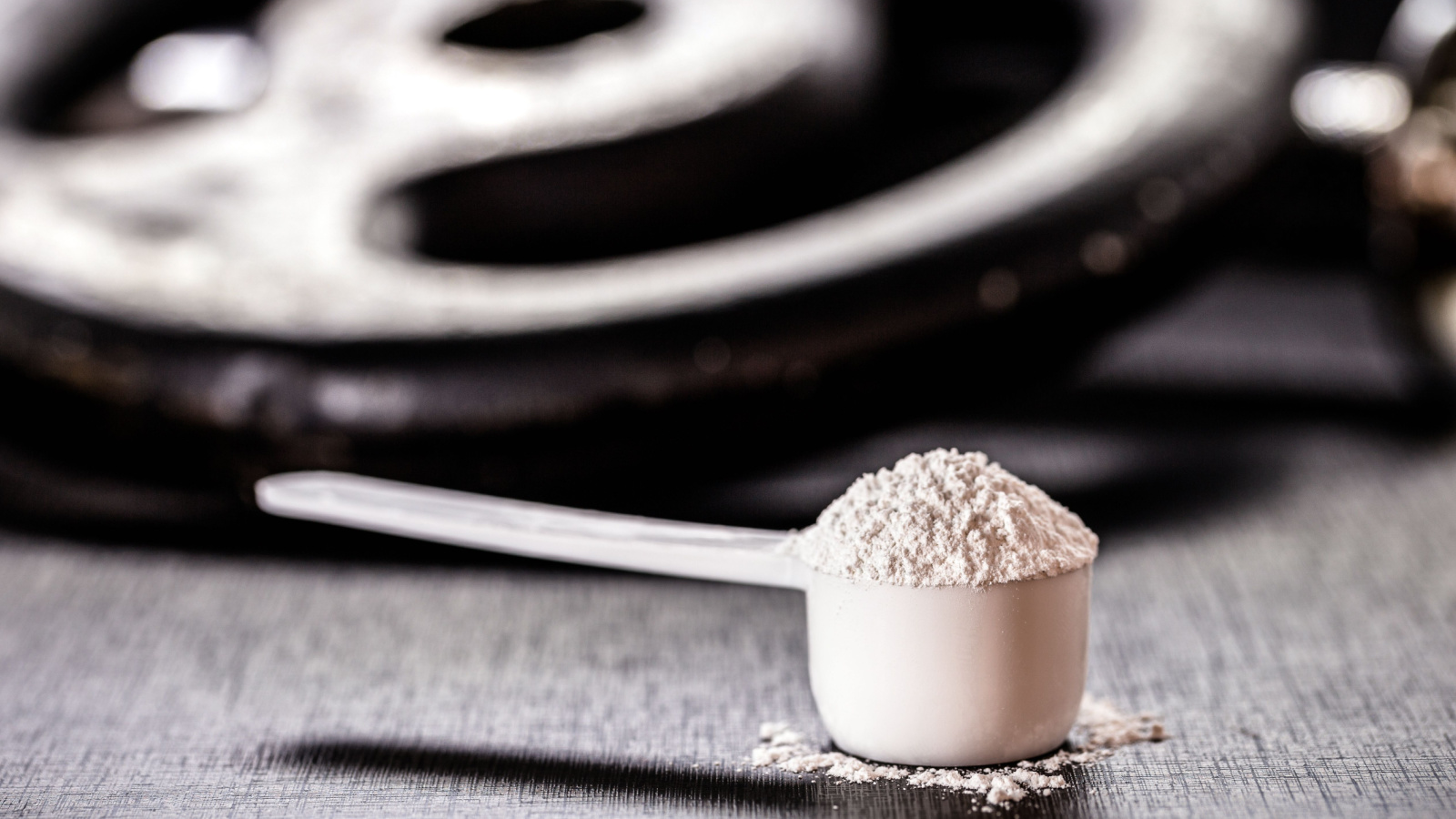
Creatine, stored in the muscle as phosphocreatine (PCr), serves as a rapid-response reservoir. It "donates" a phosphate group to the depleted ADP molecule, instantaneously reforming ATP through a process known as phosphorylation. By increasing the pool of available phosphocreatine through supplementation, athletes can extend their peak output by several seconds and decrease the recovery time required between sets. This metabolic efficiency allows for a greater total volume of work, which is the primary driver of long-term hypertrophy and strength adaptations.
Quantifying Performance: Supporting Data and Strength Gains
The data supporting creatine’s impact on performance is robust and statistically significant. Meta-analyses of over 500 studies indicate that approximately 70% of these trials report significant improvements in exercise capacity. On average, short-term creatine supplementation has been shown to increase maximal power and strength by 5% to 15%, and even higher margins have been recorded in sprint performance and repetitive sprint bouts.
In terms of muscle hypertrophy, creatine facilitates growth through several pathways:
- Cell Volumization: Creatine is osmotically active, meaning it draws water into the muscle cells. This increased intracellular hydration is often mistaken for "bloating," but it is actually a critical signal for protein synthesis.
- Myostatin Regulation: Some research suggests that creatine supplementation can lead to a decrease in serum myostatin levels, a protein that inhibits muscle growth.
- Satellite Cell Signaling: Creatine has been shown to enhance the activity of satellite cells, which are responsible for muscle repair and new fiber growth.
The Strategic Implementation: Loading vs. Maintenance
The objective of creatine supplementation is to achieve "muscle saturation," the point at which the muscle fibers can no longer store additional phosphocreatine. There are two primary protocols to achieve this:

The Loading Protocol
This method is designed for rapid saturation. Users consume approximately 20 grams of creatine per day, divided into four 5-gram doses, for five to seven days. Following this period, a maintenance dose of 3 to 5 grams per day is used. Data suggests that this method can saturate muscles within a week, allowing for faster performance gains.
The Gradual Accumulation Protocol
For individuals prone to gastrointestinal discomfort, a steady dose of 3 to 5 grams per day is equally effective. While it takes approximately 21 to 28 days to reach full saturation using this method, the end result regarding muscle creatine levels is identical to the loading protocol.
Timing and Co-ingestion
While creatine can be taken at any time, emerging research suggests a slight advantage to post-workout ingestion. Consuming creatine alongside carbohydrates or a protein-carbohydrate meal triggers an insulin response, which may enhance the transport of creatine into the muscle cells via sodium-dependent transporters.
Comparative Analysis: Why Monohydrate Prevails
The supplement market is saturated with various forms of creatine, including Creatine HCl, Creatine Ethyl Ester, and Buffered Creatine (Kre-Alkalyn). Manufacturers often claim these versions offer superior absorption or require lower dosages. However, independent clinical comparisons have repeatedly failed to substantiate these claims.

Creatine monohydrate remains the most bioavailable form, with nearly 100% of the oral dose reaching the bloodstream. Other forms, such as Creatine Ethyl Ester, have been shown to degrade into creatinine (a waste product) more rapidly in the stomach acid, making them less effective than the standard monohydrate version. From a cost-benefit perspective, micronized creatine monohydrate—where the powder is ground into smaller particles for better solubility—remains the industry recommendation.
Addressing Clinical Safety and Common Misconceptions
The safety profile of creatine is one of its most compelling attributes. Despite early 2000s alarmism, long-term studies lasting up to five years have shown no adverse effects on kidney or liver function in healthy individuals.
The Kidney Health Myth
The confusion regarding kidney health stems from the measurement of "creatinine" in blood tests. Creatinine is a byproduct of creatine metabolism and is also a marker used to assess kidney function. While supplemental creatine will naturally raise blood creatinine levels, this is a result of increased exogenous intake rather than a sign of renal distress. Physicians unaware of a patient’s supplement regimen may misinterpret these elevated levels.
The DHT and Hair Loss Debate
A 2009 study on rugby players suggested that creatine might increase levels of dihydrotestosterone (DHT), an androgen linked to hair loss in men genetically predisposed to male pattern baldness. However, this study has never been replicated, and dozens of subsequent trials have failed to show a significant effect on testosterone or DHT levels. Most experts currently view the link between creatine and hair loss as speculative and unsubstantiated by the broader body of evidence.

Broader Impact: Neurological and Geriatric Applications
The implications of creatine research are now extending beyond the gym. Because the brain is a highly metabolic organ that relies on ATP, researchers are investigating creatine’s role in cognitive health.
- Neuroprotection: Studies indicate that creatine may offer protective benefits against neurodegenerative diseases like Parkinson’s and Huntington’s by maintaining mitochondrial function.
- Cognitive Performance: In trials involving vegetarians and the elderly—groups that often have lower baseline creatine levels—supplementation has been shown to improve memory and processing speed.
- Sarcopenia and Aging: For older adults, creatine combined with resistance training is a potent intervention against sarcopenia (age-related muscle loss), helping to maintain independence and reduce the risk of falls.
Conclusion: The Future of Creatine Supplementation
Creatine has transcended its reputation as a niche supplement for bodybuilders to become a recognized tool for general health and longevity. Its ability to support the fundamental energy systems of the human body provides a wide range of benefits that impact physical performance, recovery, and neurological resilience. As the scientific community continues to explore its applications in treating depression, brain injury, and metabolic disorders, creatine monohydrate remains a foundational element of evidence-based nutrition. For the vast majority of the population, a daily dose of 5 grams represents an affordable, safe, and highly effective investment in both physical and cognitive longevity.
