


The prioritization of dietary protein has shifted from a niche concern of professional athletes and competitive bodybuilders to a cornerstone of modern public health and metabolic science. As nutritional research evolves, the consensus among registered dietitians and sports scientists has solidified: protein is the essential macronutrient not only for muscle hypertrophy but for metabolic regulation, hormonal balance, and long-term weight management. While the traditional "gym rat" stereotype involves a monotonous rotation of chicken breasts and protein shakes, the modern dietary landscape offers a sophisticated array of high-protein, low-carbohydrate options designed to optimize physiological performance without sacrificing dietary variety.
The Scientific Foundation of High-Protein Nutrition
The efficacy of a high-protein, low-carbohydrate approach is rooted in several physiological mechanisms, most notably the Thermic Effect of Food (TEF). Unlike fats and carbohydrates, which require relatively little energy to process, protein possesses a high TEF, meaning the body consumes significantly more calories simply to digest and assimilate protein-rich meals. Research indicates that approximately 20% to 30% of the energy content of protein is expended during its processing, compared to 5% to 15% for carbohydrates and 0% to 3% for fats.
Furthermore, protein is the most satiating macronutrient. By stimulating the release of satiety hormones like cholecystokinin (CCK) and peptide YY (PYY) while suppressing the hunger hormone ghrelin, high-protein intake facilitates a natural reduction in caloric consumption. For athletes and individuals in a caloric deficit, maintaining a protein intake of 0.8 to 1.25 grams per pound of body weight is critical for nitrogen balance, ensuring that weight loss originates from adipose tissue rather than lean muscle mass.
A Chronology of Dietary Trends and the Rise of Protein-Centric Living
The transition toward high-protein, low-carb living can be traced through several decades of shifting nutritional guidelines. In the late 20th century, the "low-fat" craze dominated Western dietary habits, often leading to a compensatory increase in refined carbohydrate and sugar consumption. However, the early 2000s saw a resurgence in protein-focused paradigms, beginning with the Atkins Diet and evolving into the Paleo and Ketogenic movements.
By the 2010s, the focus shifted from mere weight loss to "body recomposition"—the simultaneous loss of fat and gain of muscle. This era saw the mainstreaming of protein supplements and the emergence of "macros" tracking (If It Fits Your Macros, or IIFYM). Today, in the 2020s, the emphasis has matured into a balanced, nutrient-dense approach where high-quality animal and dairy proteins are integrated with fibrous vegetables to support gut health and metabolic flexibility.
Comprehensive Analysis of Top Protein Sources
To achieve long-term adherence, dietitians recommend a diverse rotation of protein sources. Below is a detailed analysis of 20 high-protein, low-carb foods, categorized by their nutritional density and functional benefits.
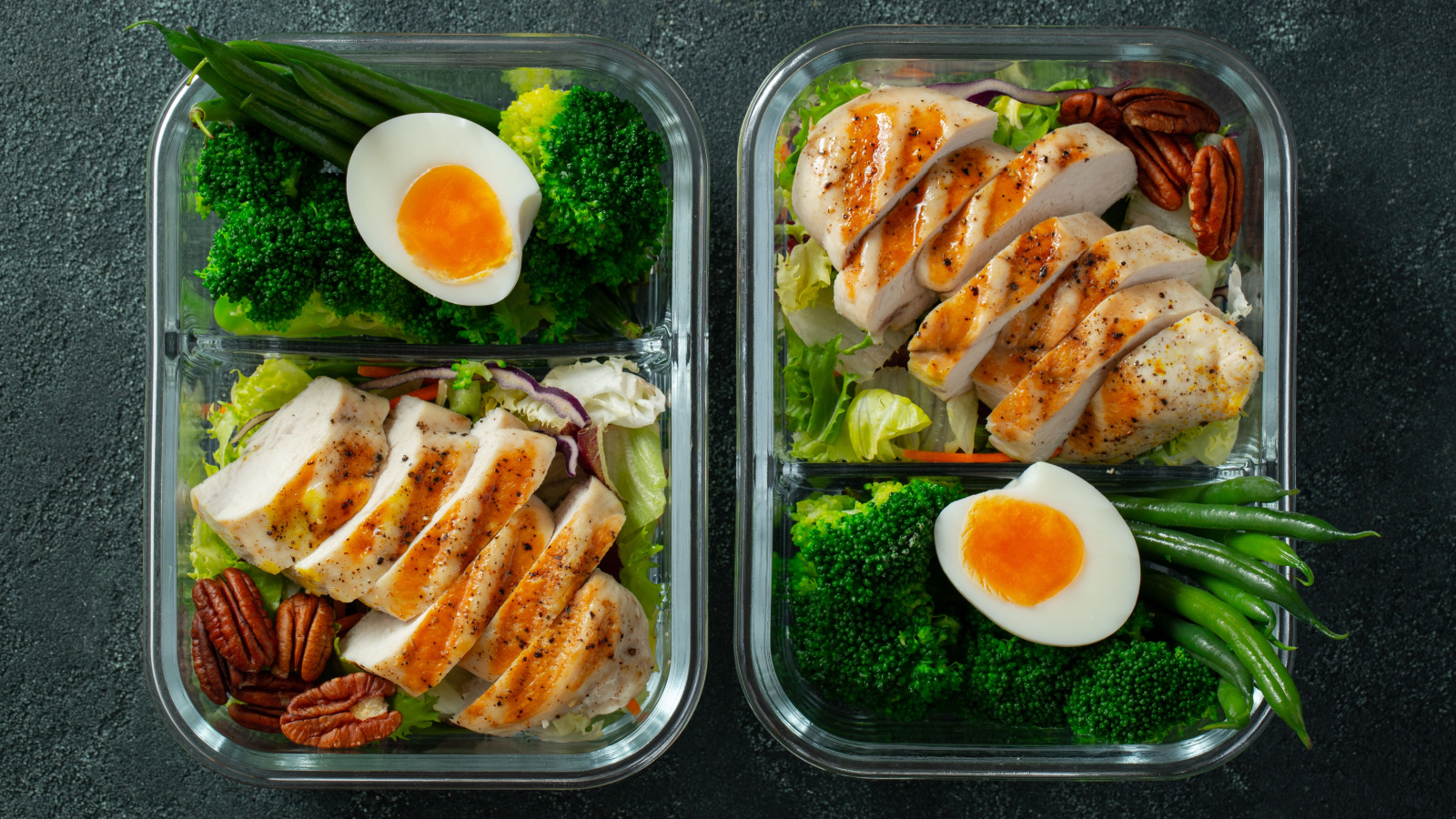
Avian and Egg-Based Proteins
1. Whole Eggs
Considered the "gold standard" for protein quality, whole eggs provide approximately 6 grams of protein and 5 grams of healthy fats. They contain all nine essential amino acids and are rich in choline, which is vital for brain health.
2. Egg Whites
For those seeking to maximize protein while minimizing caloric density, egg whites are an unparalleled tool. They are virtually fat-free and carbohydrate-free, consisting almost entirely of pure albumin protein.
3. Chicken Breast
A staple of lean nutrition, a 6-ounce serving of chicken breast delivers roughly 52 grams of protein with minimal fat. Its neutral flavor profile makes it a versatile "blank slate" for various culinary applications.
4. Chicken Thighs
While slightly higher in fat than the breast, chicken thighs offer a more robust mineral profile, including higher levels of iron and zinc. The fat content also provides increased succulence, which can aid in diet compliance.
Aquatic Protein Sources
5. Salmon
Salmon is a dual-purpose powerhouse, providing high-quality protein alongside Omega-3 fatty acids (EPA and DHA). These fats are essential for reducing systemic inflammation and supporting cardiovascular health.
6. Sardines
Often overlooked, sardines are among the most nutrient-dense foods on the planet. They are low on the food chain, meaning they contain fewer heavy metals like mercury, while providing significant amounts of calcium and Vitamin D.
7. Tuna
Whether fresh or canned, tuna is an exceptionally lean protein source. It is ideal for rapid protein intake, though experts recommend monitoring consumption to avoid excessive mercury exposure.

8. Shrimp
Shrimp offers a high protein-to-calorie ratio. A 100-gram serving provides about 24 grams of protein for only 99 calories, making it an excellent choice for those on strict weight-loss protocols.
Mammalian and Organ Meats
9. Sirloin Steak
Sirloin is a lean cut of red meat that provides essential B vitamins and creatine, a compound that aids in cellular energy production during high-intensity exercise.
10. Strip Steak
Similar to sirloin, the strip steak offers a lean profile with a slightly different texture, allowing for variety in a red-meat-inclusive diet.
11. Ribeye Steak
While higher in fat and calories, the ribeye is favored for its flavor and satiety. It is best utilized in "bulking" phases or within ketogenic frameworks where fat is the primary energy source.
12. Lean Ground Beef (95/5)
Ground beef is highly versatile for meal prepping. Opting for the 95% lean variety allows for the benefits of red meat without the excessive saturated fat found in cheaper grinds.
13. Pork Chops
Modern pork is significantly leaner than it was decades ago. It serves as an excellent alternative to poultry, providing high-quality protein and thiamine (Vitamin B1).
14. Pork Shoulder
Best prepared through slow-cooking, pork shoulder provides a moderate fat content that is ideal for "pulled" meat preparations, offering a break from the texture of grilled steaks.

15. Ham
Cured ham is a convenient, ready-to-eat protein. However, consumers should be mindful of sodium levels and opt for nitrate-free versions when possible.
16. Beef Liver
Once a staple of the "Silver Era" of bodybuilding, liver is a "superfood" containing massive doses of Vitamin A, Vitamin B12, and heme iron. It is increasingly recommended by functional medicine practitioners for its dense micronutrient profile.
Dairy and Supplemental Proteins
17. Cottage Cheese
Cottage cheese is rich in casein protein, which digests slowly. This makes it an ideal pre-sleep snack to provide a steady stream of amino acids to muscles throughout the night.
18. Greek Yogurt
Through the straining process, Greek yogurt removes excess liquid whey, resulting in a product with double the protein of regular yogurt. It also provides probiotics for digestive health.
19. Whey Protein Powder
Whey is the fastest-digesting protein source, making it optimal for post-workout recovery. The global protein supplement market, valued at over $20 billion, is largely driven by the convenience and efficacy of whey.
20. Casein Protein Powder
As the counterpart to whey, casein forms a gel in the stomach, slowing the rate of gastric emptying. This property is highly effective for curbing hunger during long periods between meals.
Expert Perspectives and Broader Implications
The shift toward high-protein diets has significant implications for the global food industry and public health policy. Registered dietitians emphasize that while protein is vital, the source matters. Inferred statements from industry experts suggest that the "quality over quantity" movement is gaining traction, with a focus on grass-fed beef, wild-caught fish, and pasture-raised poultry.
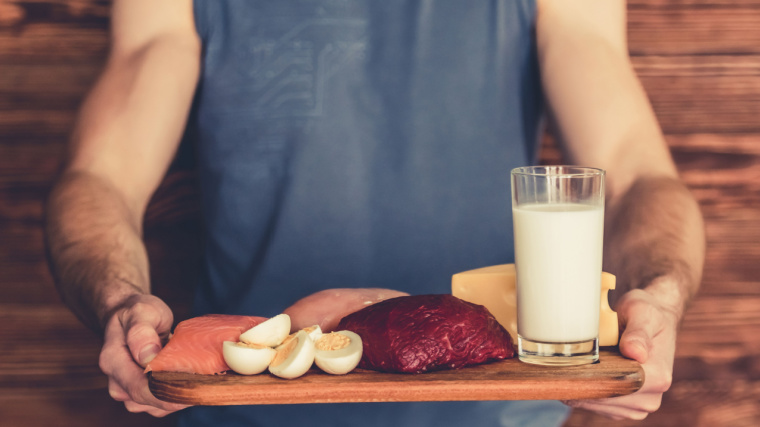
From an economic perspective, the demand for high-protein foods has led to a surge in "protein-fortified" products in mainstream grocery stores. However, analysts warn that many of these products are "ultra-processed" and may contain hidden sugars, reinforcing the need for whole-food sources like those listed above.
Case Study: A Standardized Performance Nutrition Protocol
To illustrate the application of these foods, consider a 200-pound athlete requiring 3,500 calories to maintain performance. A dietitian-designed day might look like the following:
- Breakfast: A four-egg omelet with spinach and feta, accompanied by two slices of high-protein sprouted grain toast. (50g Protein)
- Mid-Morning Snack: 1 cup of Greek yogurt topped with a handful of almonds and blueberries. (45g Protein)
- Lunch: 8 ounces of grilled chicken breast with a large quinoa and kale salad. (65g Protein)
- Afternoon Snack: A whey protein shake mixed with water or unsweetened almond milk. (34g Protein)
- Dinner: 8 ounces of sirloin steak with roasted asparagus and a small sweet potato. (67g Protein)
Daily Totals: Approximately 261 grams of protein, 390 grams of carbohydrates, and 77 grams of fat. This distribution ensures the athlete meets the 1.25g/lb protein threshold while providing sufficient glucose for training intensity.
Conclusion: The Path Forward in Nutritional Excellence
The integration of diverse, high-quality protein sources is more than a fitness trend; it is a fundamental shift toward metabolic efficiency. By moving beyond the "chicken and broccoli" monotony, individuals can improve dietary adherence, ensure a broader spectrum of micronutrient intake, and support long-term health goals. As the science of nutrition continues to refine our understanding of amino acid bioavailability and the metabolic advantages of protein, the foods highlighted here remain the most effective tools for building a resilient, high-performing body.
