

The dietary supplement industry is experiencing a dynamic period, marked by critical regulatory perspectives on popular delivery formats, a surge in novel product introductions leveraging trending ingredients, and significant corporate developments including expansions and strategic alliances. These multifaceted shifts are collectively reshaping the market, underscoring the industry’s ongoing commitment to innovation, scientific validation, and global reach. This comprehensive overview delves into the latest developments, from the U.S. Food and Drug Administration’s insights into gummy supplements to cutting-edge product formulations and key organizational milestones.
FDA Publishes Landmark Perspective on Gummy Supplements, Addressing Formulation and Testing Challenges
A significant development for the burgeoning gummy supplement sector emerged with the publication of a detailed perspective from scientists within the Office of Dietary Supplement Programs (ODSP) at the U.S. Food and Drug Administration (FDA). This insightful paper, appearing in the esteemed Journal of Dietary Supplements, offers a crucial look at the complexities and considerations surrounding this increasingly popular dosage form. The FDA’s acknowledgement of the growing consumer demand for gummies highlights a critical intersection between market trends and regulatory oversight.
The authors of the FDA paper candidly address the inherent formulation and testing challenges that manufacturers face when developing gummy supplements. A primary concern articulated is the modification of testing methodologies. Extracting active compounds from the complex gummy matrix—which often includes sugars, gelatin or pectin, flavorings, and colorants—presents a unique analytical hurdle. Standard extraction techniques may prove insufficient, potentially leading to inaccurate potency claims and a failure to meet label declarations. The paper emphasizes the need for robust and validated methods that can effectively isolate and quantify active ingredients within this intricate delivery system.
Furthermore, the FDA’s perspective highlights the critical issue of ensuring proper "overages" to meet content claims at the end of shelf life. Overages, which are intentionally added excesses of an ingredient, are a standard practice in supplement manufacturing to account for potential degradation over time. However, determining the appropriate overage for gummies is particularly challenging due to the variability in their composition and the potential for ingredient interactions within the gummy matrix. Inaccurate overages can lead to products that are either subpotent at the end of their shelf life, failing to deliver the promised benefits, or excessively potent, raising potential safety concerns.
While the FDA’s perspective does not introduce entirely novel concepts to industry insiders, its publication in a peer-reviewed journal signifies a formal acknowledgment of these challenges by a key regulatory body. This provides invaluable insight into the areas regulators consider most important when evaluating gummy products. For manufacturers, this offers a clear roadmap for addressing potential compliance issues and for engaging with testing laboratories to ensure that their products are both safe and accurately labeled. The discussion points raised by the FDA are expected to foster more informed collaborations between supplement companies and analytical service providers, ultimately aiming to elevate the quality and reliability of gummy supplements on the market.
The rise of gummies as a preferred delivery format can be traced back to their appeal to a broad consumer base, including children and adults who may find traditional pills or capsules difficult to swallow. This consumer preference has fueled rapid market growth. Data from market research firms consistently show the gummy segment as a leading growth driver within the broader dietary supplement market. For instance, reports from industry analysis firms have indicated double-digit growth rates for gummy supplements in recent years, significantly outpacing other delivery formats. This expansion, however, has also attracted increased scrutiny from regulatory bodies concerned about maintaining product integrity and consumer trust. The FDA’s published perspective is a proactive step in guiding the industry toward best practices in this high-growth area.
Clinical Currents and Science News: Innovating with Ashwagandha, Black Seed Oil, and Beyond
The innovation pipeline for dietary supplements continues to flow, with new product launches increasingly incorporating trending ingredients backed by emerging scientific research. This edition of Supplement Shorts highlights a selection of these advancements, showcasing the industry’s responsiveness to consumer interest in natural, science-backed solutions.

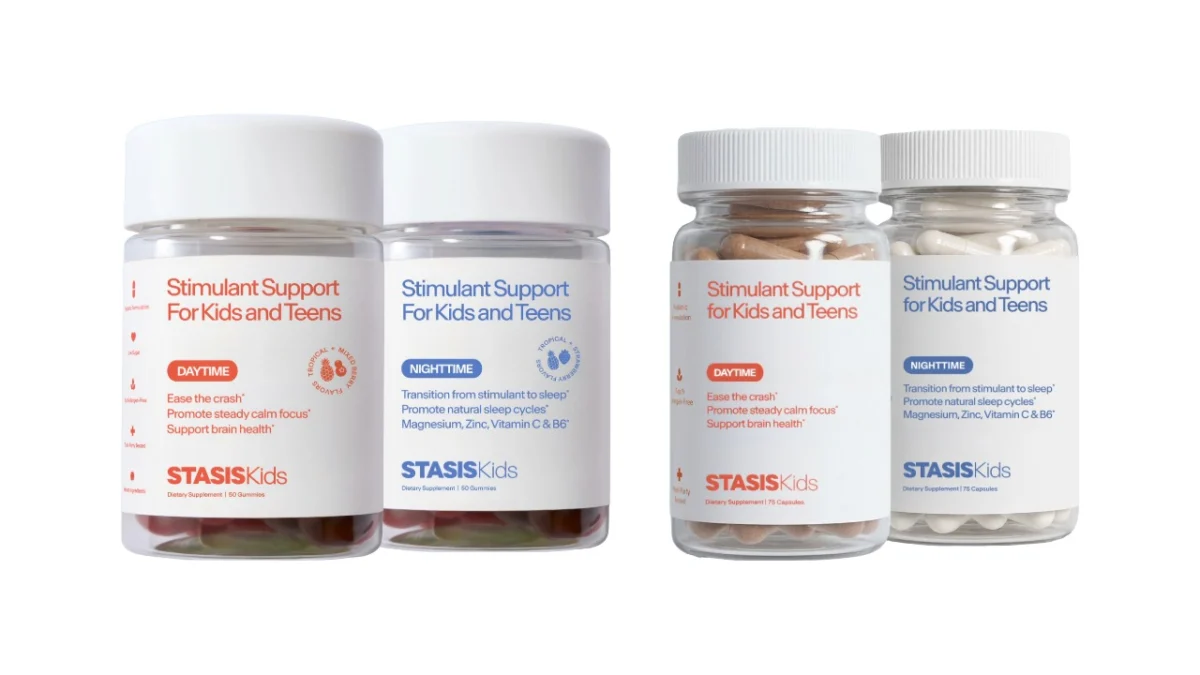
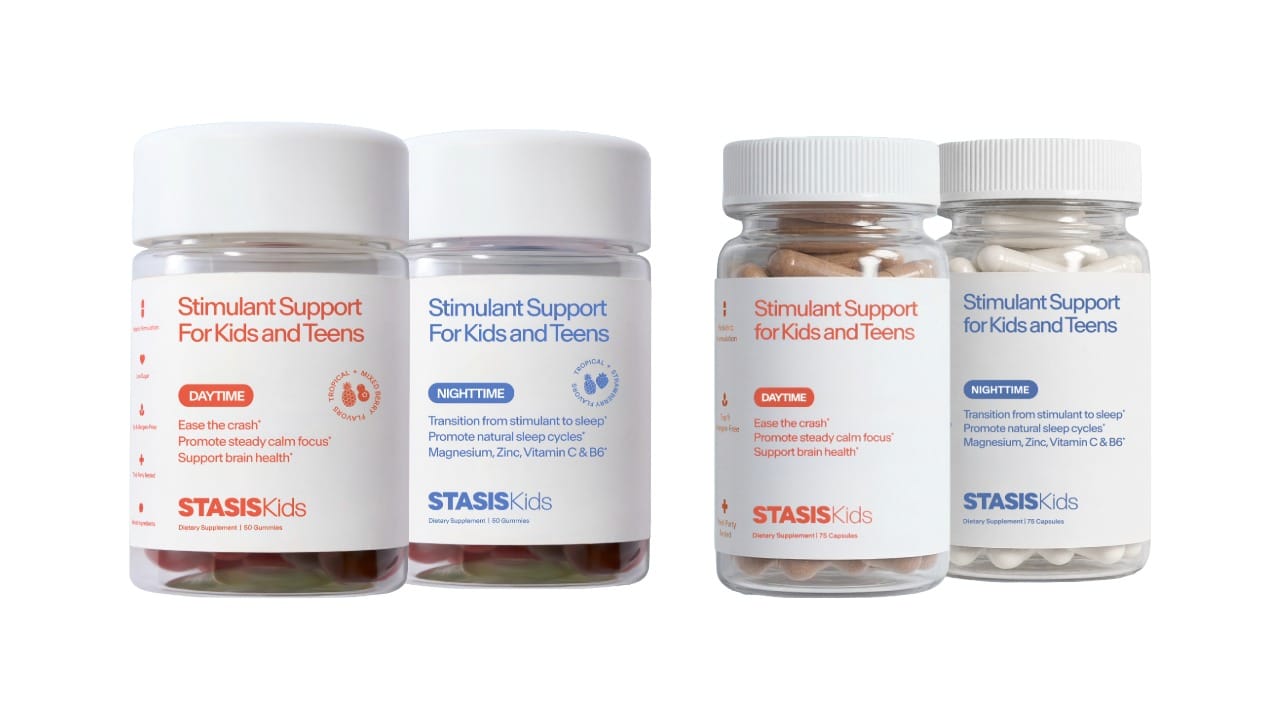
One notable area of expansion is the utilization of adaptogenic herbs, with ashwagandha (Withania somnifera) continuing its ascent as a star ingredient. Known for its purported stress-reducing and cognitive-enhancing properties, ashwagandha is being featured in a growing array of finished products. Recent product introductions have seen ashwagandha paired with other synergistic botanicals, aiming to offer comprehensive wellness solutions. For example, Stasis Kids, a brand focused on children’s dietary supplements, has launched new products that prominently feature branded ashwagandha and saffron ingredients. This strategic pairing suggests an effort to leverage the complementary benefits of these botanicals, potentially targeting improved sleep, mood, and cognitive function in younger demographics. The emphasis on "branded" ingredients like ashwagandha implies a commitment to using scientifically validated extracts, often standardized for specific bioactive compounds, which can enhance product efficacy and appeal to discerning consumers.
Beyond ashwagandha, black seed oil (Nigella sativa) is another ingredient gaining significant traction. Traditionally used in various cultures for its purported health benefits, black seed oil is gaining renewed scientific interest for its antioxidant, anti-inflammatory, and immune-modulating properties. Emerging research is exploring its potential applications in supporting respiratory health, cardiovascular wellness, and digestive function. Supplement manufacturers are responding by integrating cold-pressed black seed oil into capsules, liquid formulations, and even functional foods. This ingredient’s versatility and the growing body of scientific literature supporting its use are positioning it as a key player in the natural health market.
The clinical research landscape also continues to evolve, with ongoing studies investigating the efficacy and safety of various supplement ingredients. While specific new trial results were not detailed in the provided summary, the industry’s consistent investment in research and development is crucial. Companies are increasingly collaborating with academic institutions and contract research organizations to conduct rigorous clinical trials. This commitment to scientific validation is essential for building consumer confidence and navigating regulatory pathways, particularly as the science behind botanical compounds becomes more sophisticated. The ongoing exploration of ingredients like probiotics, for instance, with companies like NOW teaming up to improve testing methodologies, underscores the industry’s dedication to ensuring the quality and effectiveness of its products. This focus on improving testing standards for complex biological ingredients like probiotics is vital for substantiating product claims and ensuring consumer benefit.
Dietary Supplement Finished Product News: Innovation and Market Expansion
The finished product segment of the dietary supplement market is characterized by constant innovation, driven by evolving consumer preferences and advancements in ingredient science. Beyond the specific ingredient highlights, the broader trend involves the development of sophisticated formulations designed to address specific health concerns and lifestyle needs.
The market is seeing a diversification of product formats, moving beyond traditional capsules and tablets to include gummies, powders, ready-to-drink beverages, and even chewable tablets. This variety caters to different consumer preferences and lifestyles, making supplements more accessible and enjoyable to incorporate into daily routines. For instance, the continued success of gummy supplements, as discussed earlier, is a testament to this trend towards more palatable and convenient delivery systems.
Furthermore, there is a discernible trend towards products that offer multiple benefits or target niche health areas. This includes formulations aimed at supporting cognitive function, athletic performance, immune health, gut health, and women’s health. The integration of novel ingredients, often supported by early-stage research, is a key driver of this innovation. For example, the emergence of ingredients like fermented olive extract, known for its antioxidant properties, hitting the market signifies a growing interest in unique, plant-based compounds with demonstrable health benefits. Such developments reflect a maturing industry that is moving beyond basic nutritional supplementation to offer more targeted and sophisticated wellness solutions.
The competitive landscape is also being shaped by an increasing emphasis on transparency and traceability. Consumers are demanding to know the origin of ingredients, the manufacturing processes, and the scientific backing for product claims. Companies that can effectively communicate these aspects of their products are likely to gain a competitive advantage. This includes investing in certifications, such as Non-GMO Project Verified, NSF Certified for Sport, and USDA Organic, which provide independent assurance of product quality and integrity.
Company and Organization Updates: Strategic Growth and Global Reach
The business side of the supplement industry is equally dynamic, with companies announcing strategic expansions, certifications, and agreements that signal robust growth and a widening global footprint. These developments are crucial for meeting increasing consumer demand and for enhancing operational capabilities.
Expansions in manufacturing capacity are a common theme, as companies invest in state-of-the-art facilities to scale up production and meet the growing global demand for dietary supplements. This can involve building new plants, acquiring existing facilities, or upgrading current infrastructure to incorporate advanced technologies and automation. Such investments are critical for ensuring product quality, efficiency, and timely delivery to market.
Securing new certifications is another key area of focus for supplement companies. As regulatory standards become more stringent and consumer expectations for product quality rise, obtaining certifications from recognized bodies is becoming a non-negotiable aspect of business. These certifications can range from Good Manufacturing Practices (GMP) compliance to specialized accreditations related to sustainability, ethical sourcing, or specific product categories. For example, achieving certifications like ISO standards or third-party verification for specific product claims can significantly bolster a company’s credibility and market appeal.
Strategic agreements and partnerships are also playing a vital role in industry growth. These can include collaborations between ingredient suppliers and finished product manufacturers, joint ventures for product development, or distribution agreements that expand market access. Such alliances allow companies to leverage each other’s strengths, share resources, and accelerate innovation. For instance, partnerships aimed at developing novel delivery systems or exploring new applications for existing ingredients can lead to significant breakthroughs and market opportunities.
The increasing globalization of the supplement market also necessitates strategic international expansion. Companies are actively seeking to enter new geographic markets, either through direct sales, establishing local subsidiaries, or forming partnerships with international distributors. This global outlook is driven by the recognition that consumer interest in health and wellness is a worldwide phenomenon. Navigating diverse regulatory environments and understanding regional consumer preferences are key challenges and opportunities in this global expansion.
In conclusion, the dietary supplement industry is demonstrating remarkable resilience and adaptability. The FDA’s detailed perspective on gummy supplements provides essential guidance for a rapidly evolving segment, while the continuous introduction of innovative products featuring trending ingredients like ashwagandha and black seed oil highlights the industry’s commitment to consumer-centric development. Coupled with strategic corporate expansions and a focus on quality certifications, these developments paint a picture of a vibrant and forward-looking industry poised for continued growth and innovation.
This report was compiled by Devon Gholam, Ph.D., an editor at SupplySide Supplement Journal, with extensive experience in the functional food and nutraceutical industries. Her expertise spans product development, innovation, and technical writing, with a particular interest in women’s health and the impact of emerging health trends on the industry.
