

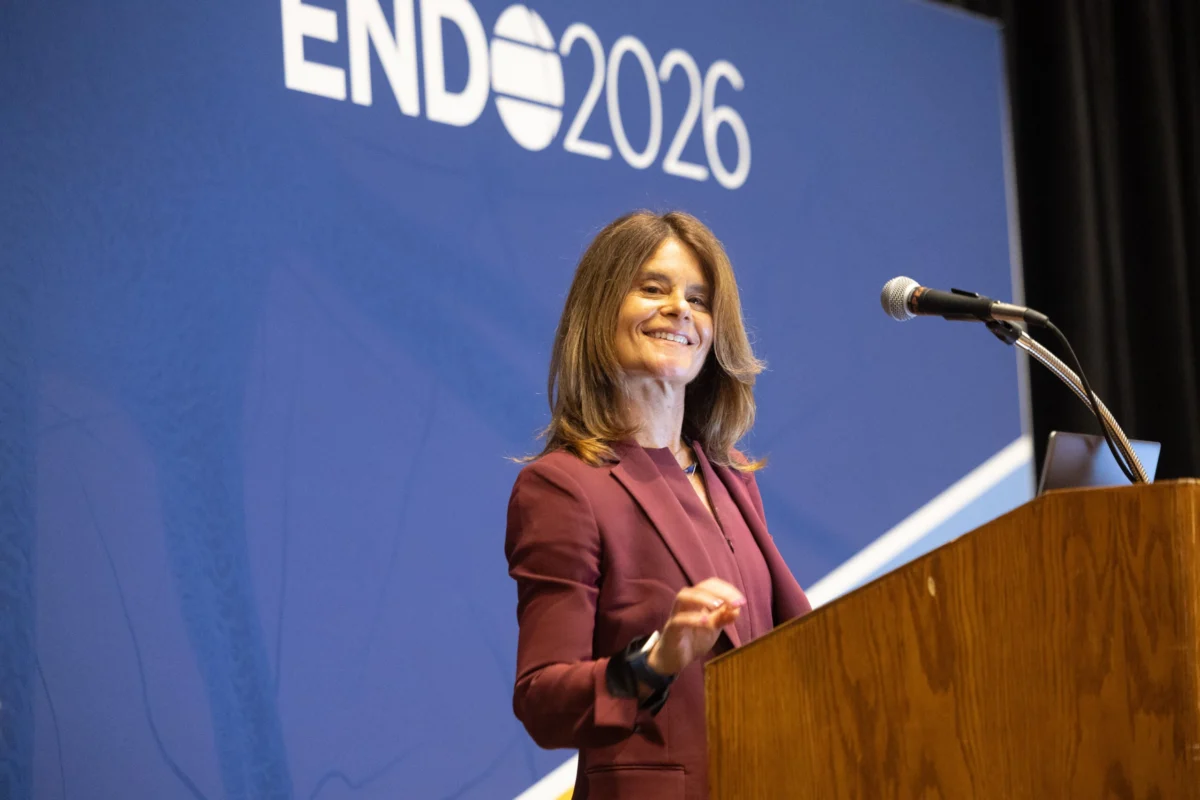
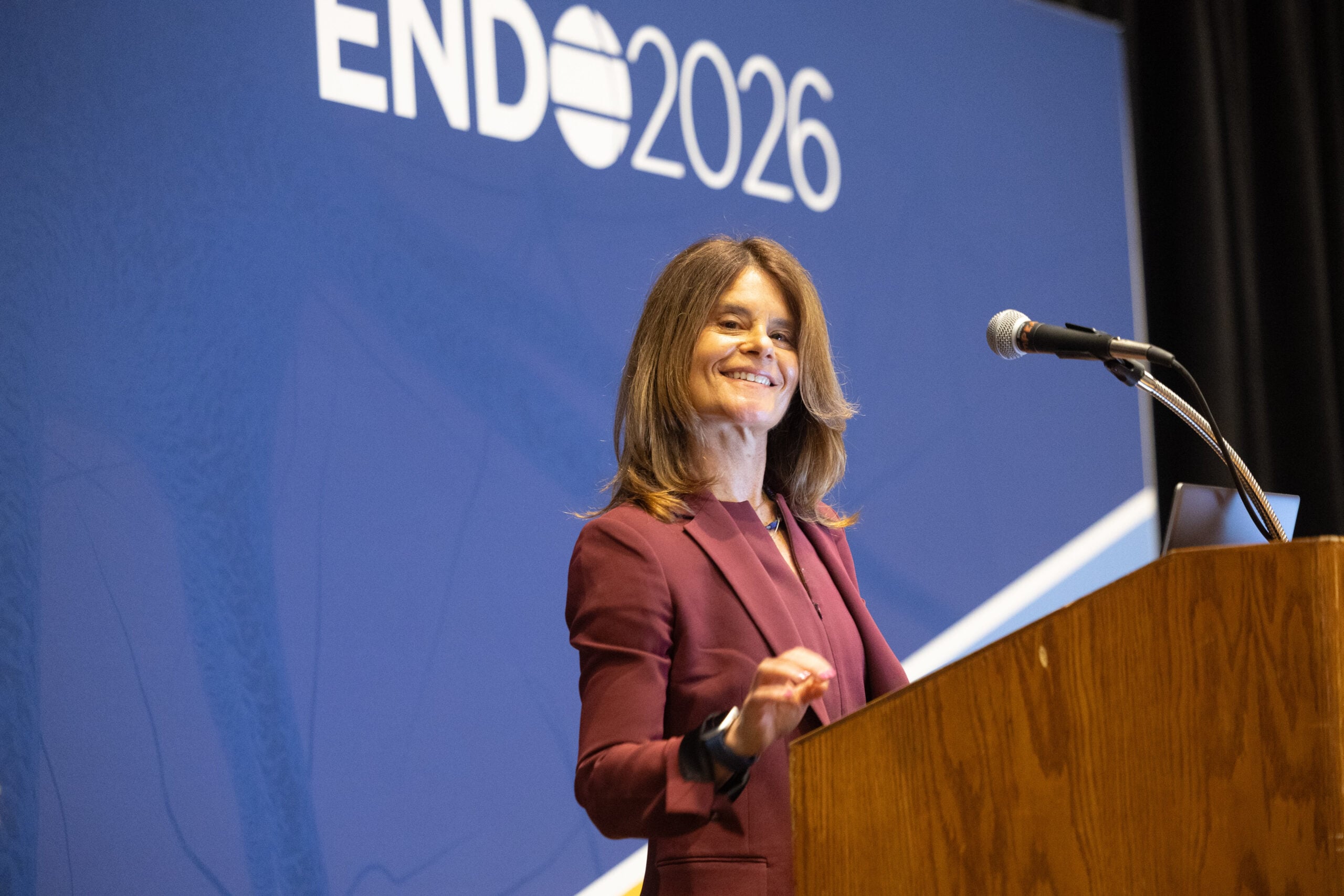
The Endocrine Society has officially named Lisa B. Nachtigall, MD, as the 2026 recipient of the Vigersky Outstanding Clinical Practitioner Award, a prestigious Laureate honor recognizing physicians who demonstrate exceptional commitment to clinical endocrinology. As the Medical Director of the Mass General Brigham Pituitary Center and an Associate Professor of Medicine at Harvard Medical School, Dr. Nachtigall has spent decades specializing in the diagnosis and management of rare and complex neuroendocrine conditions. The award serves as a testament to her multi-faceted contributions to the field, encompassing direct patient care, the development of educational infrastructure for patients with rare diseases, and the establishment of mentorship pipelines designed to ensure the future of the endocrinology workforce.
The Vigersky Outstanding Clinical Practitioner Award is one of the highest honors bestowed by the Endocrine Society, an organization representing over 18,000 physicians and scientists worldwide. This specific accolade is reserved for practitioners who have made a significant impact on the lives of patients through clinical excellence and who have shown leadership in the medical community. Dr. Nachtigall’s selection follows a rigorous peer-review process, highlighting her reputation as a leading authority on pituitary tumors and metabolic dysfunction.
A Legacy of Excellence in Pituitary Medicine
Dr. Nachtigall’s clinical focus is centered on pituitary disorders, a specialized branch of endocrinology that deals with the "master gland" of the human body. The pituitary gland, located at the base of the brain, regulates essential functions ranging from growth and metabolism to reproduction and stress response. When tumors or dysfunctions occur in this area, the clinical manifestations can be devastating and difficult to diagnose.
Specifically, Dr. Nachtigall has gained international recognition for her work with acromegaly and Cushing’s disease. Acromegaly, a rare condition usually caused by a non-cancerous pituitary tumor that produces excess growth hormone, can lead to physical changes such as the enlargement of the hands, feet, and facial features, as well as serious systemic complications like cardiovascular disease and type 2 diabetes. Similarly, Cushing’s disease involves a pituitary tumor that triggers the overproduction of cortisol, leading to weight gain, hypertension, and psychological distress.
The diagnostic process for these conditions is notoriously difficult, often requiring years of clinical investigation before a definitive cause is found. Dr. Nachtigall’s approach emphasizes the importance of the clinical history—listening to the patient’s narrative to identify the subtle, evolving symptoms that imaging might initially miss. Her commitment to longitudinal care is a hallmark of her practice; many of her patients remain under her supervision for decades, navigating the transition from acute treatment and surgery to long-term remission and hormone replacement therapy.
Advancing the Therapeutic Landscape
The field of endocrinology is currently undergoing a period of rapid pharmacological innovation, and Dr. Nachtigall has been at the forefront of integrating these new therapies into clinical practice. During her discussions regarding the award, she highlighted several transformative developments that are reshaping how metabolic and endocrine disorders are treated.
One of the most significant shifts involves the rise of GLP-1 (glucagon-like peptide-1) receptor agonists. While originally developed for type 2 diabetes, these medications have proven revolutionary for obesity and metabolic dysfunction. Dr. Nachtigall noted that their potential is expanding into inflammatory disorders and other systemic diseases, representing a paradigm shift in how physicians approach metabolic health.
In the specific realm of pituitary care, the introduction of targeted therapies has provided new hope for patients who do not respond to traditional surgery or radiation. Dr. Nachtigall pointed to paltusotine, an investigational oral therapy for acromegaly that targets the somatostatin receptor type 2 (SST2). This medication offers a less invasive alternative to the monthly injections that have long been the standard of care. Furthermore, the approval of setmelanotide for hypothalamic obesity (HO) marks a milestone in precision medicine. By targeting the melanocortin-4 receptor (MC4R), this drug addresses the biological drivers of insatiable hunger in patients with specific genetic or structural damage to the hypothalamus.
The Administrative Burden and Patient Advocacy
Despite the excitement surrounding new medical breakthroughs, Dr. Nachtigall remains vocal about the systemic challenges facing clinical practitioners and their patients. A primary concern is the increasing complexity of the American healthcare administrative landscape, specifically the "thorn" of prior authorization.
Prior authorization requires clinicians to obtain approval from health insurance providers before certain medications or procedures can be covered. For rare diseases like acromegaly, where medications are often high-cost and specialized, this process can be a significant barrier to care. Dr. Nachtigall emphasized that the time-consuming nature of these administrative hurdles often leads to delays in treatment, which can be detrimental to patient outcomes.
To combat this, the Mass General Brigham Pituitary Center has implemented a dedicated staffing model, employing a full-time professional focused solely on navigating insurance approvals. Dr. Nachtigall advocates for broader systemic reforms to reduce this burden, arguing that the focus of a physician should remain on the patient rather than on administrative paperwork. Her advocacy extends to patient education, where she has organized numerous programs to help those with rare diseases understand their conditions and navigate the complexities of modern medicine.
Mentorship and the Pipeline of Future Endocrinologists
One of Dr. Nachtigall’s most enduring contributions to the medical community is her work in securing the future of the specialty. There is a documented shortage of endocrinologists in the United States, a trend that is concerning given the rising prevalence of metabolic diseases and the complexity of aging populations.
To address this, Dr. Nachtigall co-founded and currently directs a series of visiting scholars programs. These initiatives are designed to introduce students to the field of endocrinology much earlier than the traditional medical curriculum allows. Her programs cater to a diverse range of participants:
- The International Program: This attracts students and professors from around the world to Mass General, fostering a global exchange of knowledge regarding pituitary care.
- The Harvard Clinical Clerkship: An advanced program for Harvard medical students focusing on neuroendocrinology.
- The Visiting Scholars Program: This unique initiative targets students from the second year of college through medical school.
By providing early exposure to the "bedside to bench" nature of endocrinology, Dr. Nachtigall helps students see the value of longitudinal patient relationships. She often shares the story of a student who intended to enter emergency medicine but changed their mind after witnessing the deep, multi-year bonds formed in an endocrine clinic. This focus on the human element of medicine is central to her efforts to recruit the next generation of specialists.
A Career Defined by Professional Service
Dr. Nachtigall’s relationship with the Endocrine Society spans three decades, beginning with her first scientific presentation as a fellow in 1996. Over the years, she has served on various committees and task forces, contributing to the development of clinical guidelines and the organization of the annual ENDO meetings.
She views professional societies not just as educational hubs, but as essential pillars of integrity and fairness in medicine. In an era of fragmented information, she regards the Endocrine Society as a "trusted source" that provides clinicians with the evidence-based tools necessary to provide high-quality care. Her involvement with the Society has allowed her to collaborate with international experts, bringing global perspectives back to her practice in Boston.
Chronology of a Distinguished Career
The path to the 2026 Vigersky Award is marked by several key milestones:
- 1996: Dr. Nachtigall delivers her first oral presentation as a fellow at the Endocrine Society’s international meeting in San Francisco, marking her entry into the national scientific discourse.
- Early 2000s: She establishes herself as a specialist in neuroendocrinology at Massachusetts General Hospital, focusing on the long-term management of functioning pituitary tumors.
- 2010s: Dr. Nachtigall takes on leadership roles within the Mass General Brigham system, eventually becoming the Medical Director of the Pituitary Center.
- 2015–Present: She expands her mentorship efforts, formalizing the Visiting Scholars program and advocating for increased diversity and early-career exposure within the specialty.
- 2024: The Endocrine Society announces her selection as the 2026 Laureate for the Vigersky Outstanding Clinical Practitioner Award.
Implications for the Future of Endocrinology
The recognition of Dr. Nachtigall comes at a critical juncture for clinical endocrinology. As the healthcare system moves toward more personalized, receptor-based therapies, the role of the clinical practitioner is becoming more complex. The ability to translate molecular biology—such as G-coupled protein receptor signaling—into effective treatment plans for rare diseases is a skill that requires both scientific rigor and clinical intuition.
Furthermore, Dr. Nachtigall’s emphasis on the "mantra" of patient care—the words and guidance that patients carry with them long after a visit—highlights the irreplaceable value of the physician-patient relationship. In an increasingly digital and automated healthcare environment, her career serves as a reminder that the most effective medicine is often rooted in communication and long-term commitment.
As Dr. Nachtigall prepares to receive her award in 2026, her focus remains on the outdoors, where she finds balance through urban hikes and coastal walks. This personal philosophy of wellness and exploration mirrors her professional life: a constant search for new paths in medicine, a commitment to the environment in which her patients live, and a dedication to guiding others through the complex landscapes of human health. The Vigersky Award is not merely a reflection of her past achievements, but a signal of the ongoing importance of clinical excellence in the modern medical era.
