

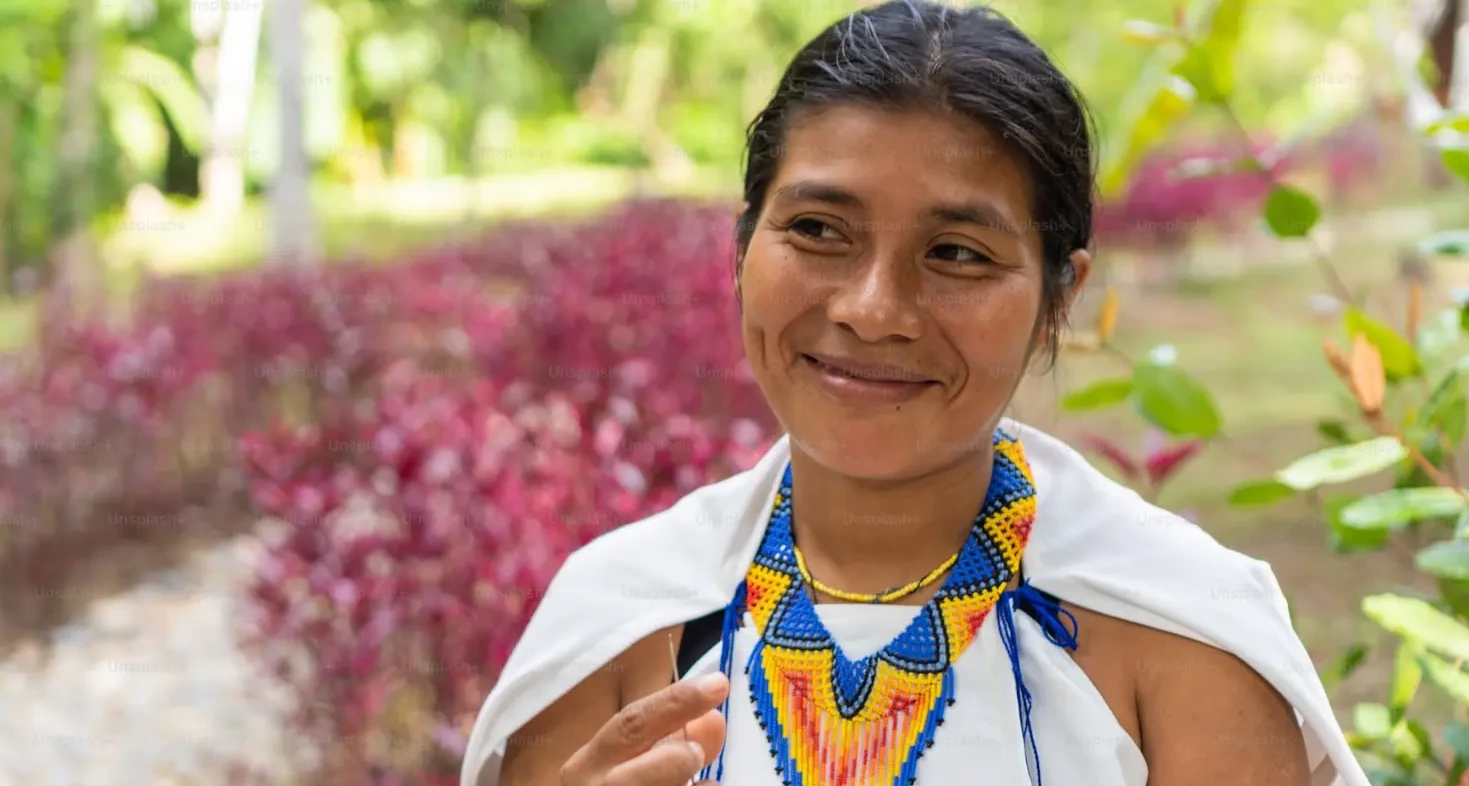
Indigenous Peoples’ Day 2026 falls on Monday, October 12, marking a significant milestone in the ongoing national effort to re-center the American historical narrative on the original inhabitants of the continent. As the United States continues to grapple with its colonial past, this observance has evolved from a grassroots movement into a widely recognized federal and state holiday dedicated to celebrating the histories, cultures, and enduring contributions of Native American, Alaska Native, and Native Hawaiian communities. The 2026 observance serves not only as a day of reflection but also as a platform for addressing contemporary issues such as tribal sovereignty, land rights, and the preservation of Indigenous languages and traditions.
The Historical Evolution of Indigenous Peoples’ Day
The shift from Columbus Day to Indigenous Peoples’ Day represents a fundamental change in how the United States interprets its founding and growth. For decades, the second Monday in October was exclusively dedicated to Christopher Columbus, the Italian explorer whose 1492 voyage initiated the European colonization of the Americas. However, for many Indigenous communities, Columbus symbolizes a legacy of genocide, forced displacement, and the systematic erasure of Native cultures.
The movement to reclaim this date began in earnest in 1977 at the International Conference on Discrimination Against Indigenous Populations in the Americas, held at the United Nations in Geneva. It was here that Indigenous delegates proposed replacing Columbus Day with a day that honored the survival and resilience of Native peoples. The first city in the United States to officially adopt the change was Berkeley, California, in 1992, coinciding with the 500th anniversary of Columbus’s arrival. Since then, the movement has gained exponential momentum.
By the early 2020s, dozens of states and hundreds of municipalities had officially recognized Indigenous Peoples’ Day. In 2021, President Joe Biden issued the first-ever presidential proclamation for Indigenous Peoples’ Day, a tradition that has continued annually. This federal recognition, while symbolic, acknowledges the "painful history of wrongs and atrocities" committed against Native communities while celebrating the "strength and resilience" that has allowed these cultures to persist.
Chronology of Recognition and Key Milestones
The path toward the 2026 observance is marked by several pivotal moments in the 20th and 21st centuries:
- 1934: Congress passes a resolution requesting the President to issue an annual proclamation for Columbus Day, which becomes a federal holiday in 1968.
- 1977: Indigenous leaders at a United Nations conference propose an International Day of Solidarity with the Indigenous People of the Americas.
- 1990: At the First Continental Conference on 500 Years of Indian Resistance in Quito, Ecuador, representatives from across the Americas call for a unified day of recognition.
- 1992: Berkeley, California, becomes the first U.S. city to replace Columbus Day with Indigenous Peoples’ Day.
- 2014: Major cities such as Minneapolis and Seattle adopt the holiday, signaling a shift in urban centers with significant Native populations.
- 2019: Several states, including Maine, New Mexico, and Vermont, pass legislation to officially replace Columbus Day with Indigenous Peoples’ Day.
- 2021: The White House issues the first formal presidential proclamation recognizing Indigenous Peoples’ Day.
- 2024–2025: Increased legislative focus on the "Land Back" movement and the protection of sacred sites leads to heightened awareness ahead of the 2026 observance.
Supporting Data: The Current State of Indigenous Communities
To understand the importance of Indigenous Peoples’ Day 2026, it is essential to examine the demographic and socio-economic landscape of Native communities today. According to the U.S. Census Bureau, there are approximately 9.7 million people in the United States who identify as American Indian or Alaska Native, either alone or in combination with another race. This population represents a diverse tapestry of 574 federally recognized tribes, each with its own distinct government, language, and cultural practices.
Despite the resilience celebrated on this day, Native communities face significant systemic challenges. Data from the Bureau of Indian Affairs and the Indian Health Service indicate that:
- Economic Disparities: The poverty rate among American Indians and Alaska Natives remains among the highest of any ethnic group in the U.S., often exceeding 25% in certain rural tribal lands.
- Health Inequities: Indigenous populations experience higher rates of chronic illnesses, including diabetes and respiratory issues, often exacerbated by limited access to healthcare facilities and clean water on reservations.
- Language Revitalization: While there were once over 300 Indigenous languages spoken in North America, many are currently classified as endangered. Organizations like Running Strong for American Indian Youth® report that fewer than 20 of these languages are expected to be spoken fluently by 2050 without significant intervention.
- Food Sovereignty: Approximately one in four Native American households experiences food insecurity. However, the movement toward "food sovereignty"—the right of peoples to healthy and culturally appropriate food produced through ecologically sound and sustainable methods—is growing, with tribes reintroducing traditional crops and bison herds to their lands.
Official Responses and Stakeholder Perspectives
The recognition of Indigenous Peoples’ Day is met with varying degrees of response from political and community leaders. Tribal leaders often emphasize that while the holiday is a positive step, it must be accompanied by policy changes.
"Indigenous Peoples’ Day is a day of visibility," says a spokesperson for a coalition of tribal nations. "But visibility without sovereignty is incomplete. We look to 2026 as a year where the federal government not only honors our past but respects our current legal status as sovereign nations with the right to manage our own lands and resources."
Conversely, some traditionalist groups argue for the retention of Columbus Day, citing it as a day to celebrate Italian-American heritage and the immigrant experience. This has led to a "dual-recognition" approach in some jurisdictions, where both identities are acknowledged. However, the prevailing trend in major metropolitan areas and progressive states remains a full transition toward Indigenous Peoples’ Day, viewing it as a necessary correction to historical inaccuracies.
Advocacy groups, such as Running Strong for American Indian Youth®, play a critical role in shaping the narrative of the day. Their focus is on long-term community wellness and youth leadership. By providing resources for cultural preservation and basic needs, these organizations ground the holiday in the lived reality of Native youth, ensuring that the observance contributes to tangible improvements in their quality of life.
Broader Impact and Global Implications
The observance of Indigenous Peoples’ Day in the United States is part of a global movement toward recognizing the rights of Indigenous peoples worldwide. The United Nations Declaration on the Rights of Indigenous Peoples (UNDRIP), adopted in 2007, provides a framework for the survival, dignity, and well-being of Indigenous populations. The U.S. observance aligns with these international standards by promoting self-determination and the protection of cultural property.
The implications of this day extend into several key areas of public policy:
Education Reform
There is a growing movement to update K-12 curricula to include more accurate portrayals of Native American history. Instead of relegated Native peoples to the "pre-colonial" past, new educational standards in states like Oregon and Montana emphasize the contemporary existence and political status of tribes.
Environmental Stewardship
Indigenous communities are increasingly recognized as the primary stewards of the world’s biodiversity. In the U.S., tribal nations are leading efforts in climate change adaptation and conservation. Indigenous Peoples’ Day 2026 will likely see a focus on "Traditional Ecological Knowledge" (TEK) as a tool for combating environmental degradation.
Justice and Missing Persons
The day also serves to highlight the crisis of Missing and Murdered Indigenous Peoples (MMIP). Advocacy during the holiday brings national attention to the jurisdictional complexities that often hinder justice for Native families, pushing for legislative solutions like Savanna’s Act and the Not Invisible Act.
How to Observe Indigenous Peoples’ Day 2026 Respectfully
As the public prepares for the October 12, 2026, observance, experts suggest several ways to engage with the holiday that go beyond superficial acknowledgment:
- Educational Engagement: Reading books and viewing documentaries created by Indigenous authors and filmmakers. This ensures that the perspective being consumed is authentic and self-represented.
- Supporting Native Economies: Purchasing goods and services directly from Native-owned businesses. This supports economic self-sufficiency and combats the commercial appropriation of Indigenous designs.
- Land Acknowledgments with Action: While land acknowledgments recognize the traditional territories of Indigenous peoples, they are most effective when paired with action, such as donating to land recovery funds or supporting tribal-led conservation projects.
- Attending Tribal-Led Events: Many tribes host powwows, workshops, and cultural festivals open to the public. Attending these events with a spirit of respect and a willingness to listen is a powerful way to foster cross-cultural understanding.
Conclusion: Beyond a Single Day
Indigenous Peoples’ Day 2026 is more than a date on the calendar; it is a reflection of a society in transition. As the holiday continues to grow in recognition, it challenges all citizens to consider the complexities of history and the responsibilities of the present. By shifting the focus from a narrative of discovery to one of survival and sovereignty, the United States takes a step toward a more inclusive and truthful identity.
The resilience of Native American communities, despite centuries of systemic attempts at erasure, remains a cornerstone of the American experience. As the nation looks toward October 12, 2026, the focus remains on the "continued presence" of these communities—affirming that Indigenous peoples are not merely figures of the past, but vital, sovereign, and influential contributors to the future of the Americas. Through the work of community-led organizations and the persistent advocacy of tribal nations, Indigenous Peoples’ Day serves as an annual reminder that the journey toward justice and equity is ongoing.
