







Whey protein powder stands as a cornerstone supplement for individuals seeking to enhance their daily protein intake, offering a straightforward and effective pathway to achieving this nutritional goal. Its status as a complete protein is particularly noteworthy, as it furnishes all nine essential amino acids indispensable for muscle synthesis and repair. Furthermore, whey protein delivers a substantial amount of branched-chain amino acids (BCAAs), prominently leucine, which are scientifically recognized for their role in promoting muscle growth.
In an effort to navigate the increasingly crowded market and identify the premier whey protein powders available in 2025, a comprehensive evaluation was conducted, drawing upon the expertise of Pete Nastasi, a certified nutrition coach (C.N.C.). This investigation delves into the distinct classifications of whey protein powders – concentrate, isolate, and hydrolysate – to elucidate their unique properties and guide consumers toward the most suitable options. Beyond classification, the article scrutinizes critical nutritional information to look for and presents findings from an extensive testing process involving over 50 protein powders.
Medical Disclaimer: This article is intended for educational and informational purposes only. It is not intended as a substitute for medical advice. For health advice, contact a licensed healthcare provider.
Methodology: Identifying the Top Whey Protein Powders
The selection of the best whey protein powders for 2025 was guided by a rigorous scoring methodology that factored in a multitude of criteria. This approach ensured a comprehensive and unbiased assessment, reflecting the multifaceted nature of product quality and consumer needs.
Expert Consultation and Testing Protocols
The evaluation process was fortified by the insights of a distinguished panel of expert contributors. This collective includes registered dietitians and highly credentialed professionals in the fields of sports nutrition and exercise science. Their collective knowledge and experience were instrumental in shaping the testing parameters and interpreting the results.
Beyond expert input, an extensive practical testing phase was undertaken. Over 50 distinct protein powder products underwent meticulous evaluation. This hands-on approach allowed for a direct assessment of factors such as taste, mixability, texture, and overall user experience. The goal was to bridge the gap between theoretical nutritional value and real-world applicability, providing consumers with actionable insights.
Key Evaluation Criteria
The methodology for selecting the best whey protein powders in 2025 encompassed a detailed examination of several critical factors:
- Protein Content and Quality: The primary consideration was the amount of high-quality protein per serving. Emphasis was placed on complete protein profiles and the presence of essential amino acids and BCAAs.
- Type of Whey: Differentiating between whey concentrate, isolate, and hydrolysate was crucial, as each offers distinct characteristics regarding protein concentration, lactose content, and absorption rates.
- Nutritional Profile: Beyond protein, a thorough review of the macronutrient breakdown (carbohydrates, fats) and micronutrient content was performed. The absence of unnecessary fillers, artificial sweeteners, and excessive sugars was prioritized.
- Ingredient Transparency and Sourcing: Products with clear ingredient lists, traceable sourcing (e.g., grass-fed), and minimal additives were favored. Third-party certifications for purity and safety were also highly valued.
- Mixability and Texture: The ease with which the powder dissolves in various liquids and the resulting texture (smoothness, absence of grittiness or clumping) were assessed for optimal consumer experience.
- Flavor and Palatability: While subjective, taste is a significant factor for adherence. A range of flavors was considered, with a preference for well-balanced and enjoyable taste profiles that did not rely on excessive sweetness.
- Digestibility and Potential Side Effects: Anecdotal evidence and product formulations aimed at minimizing digestive discomfort (e.g., bloating) were taken into account.
- Value and Price Point: The cost per serving was considered to offer options that cater to a range of budgets without compromising on quality.
- Third-Party Certifications: Accreditations from reputable organizations (e.g., Informed Sport) indicating purity, absence of banned substances, and quality assurance were given significant weight.
Our Top Picks for the Best Whey Protein Powders of 2025
Following a rigorous selection process informed by expert analysis and extensive product testing, the following whey protein powders have been identified as leading options for consumers in 2025.
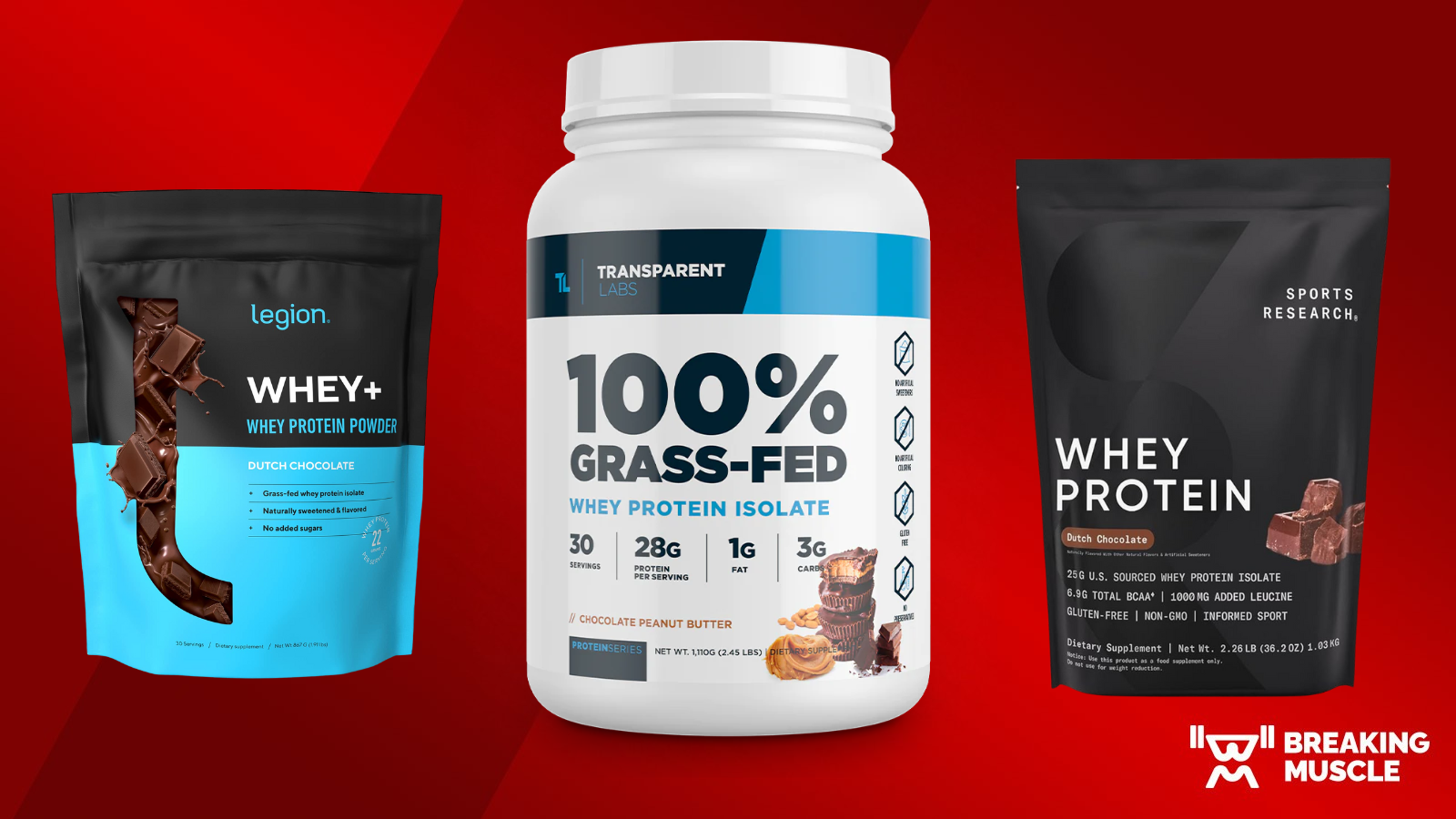
Best Overall Whey Protein Powder: Transparent Labs 100% Grass-Fed Whey Protein Isolate
[Image: Transparent Labs Grass-Fed Whey Protein Isolate]
Transparent Labs 100% Grass-Fed Whey Protein Isolate
Rating: 4.9
Transparent Labs has set a clear objective with its grass-fed whey protein isolate: to deliver pure protein without added sugars. This commitment is reflected in a meticulous filtration process designed to strip away excess sugar, fat, carbohydrates, and lactose, thereby providing the body with a concentrated source of protein essential for muscle recovery and synthesis. Whey isolate represents the pinnacle of protein concentration among whey variants, making it an ideal choice for individuals actively seeking to minimize their intake of carbohydrates and fats while maximizing protein consumption.
Each serving of Transparent Labs’ Whey Protein Isolate is a powerhouse, delivering an impressive 28 grams of protein, positioning it among the highest protein content offerings on the market. The brand’s dedication to flavor innovation is also evident, with a diverse range of options, including unique selections like Cinnamon French Toast. Crucially, these flavors strike a delicate balance, avoiding an overly sweet profile that could clash with additions like fruit juices or smoothies, ensuring a versatile and enjoyable experience.
Pros:
- High protein content per serving.
- Minimal sugar, fat, and carbohydrates due to isolate processing.
- Made with 100% grass-fed whey.
- Wide variety of appealing flavors.
- Excellent mixability.
Cons:
- Can be on the pricier side.
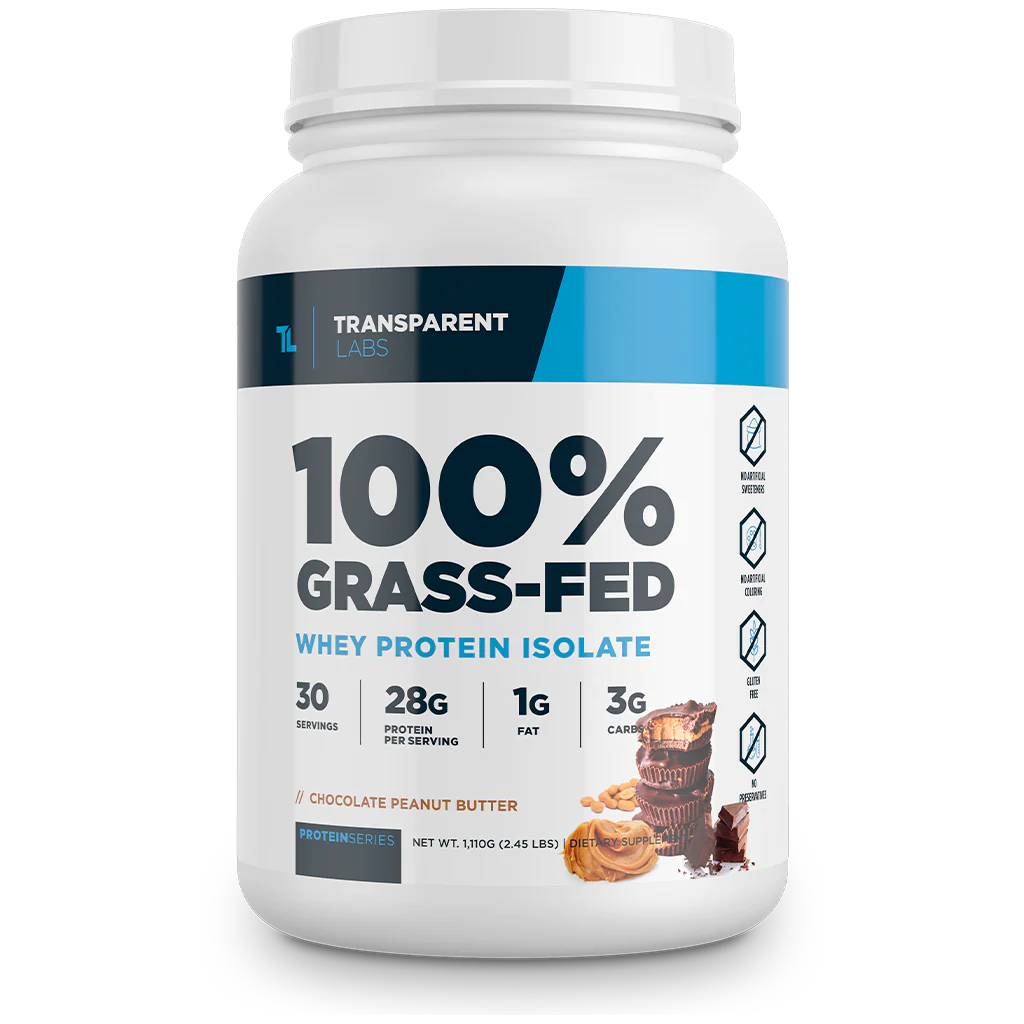
Best Chocolate Whey Protein: Sports Research Whey Protein
[Image: Sports Research Whey Protein]
Sports Research Whey Protein
Rating: 4.7
Sports Research Whey Protein distinguishes itself with a robust formulation featuring 6.9 grams of BCAAs per serving, including a substantial 1,000 milligrams of L-leucine. Scientific studies have highlighted leucine’s potential to mitigate the effects of delayed onset muscle soreness (DOMS), a common concern for athletes and fitness enthusiasts. Depending on the chosen flavor, this Informed Sport Certified protein powder is sweetened with either stevia or sucralose. Individuals with sensitivities to these sweeteners should exercise caution.
Rachel Pasche, a proponent of this product, shares her experience, often incorporating a protein shake with the Dutch Chocolate flavor as a nightly dessert. She notes, "It might be too sweet for some people, but I honestly love the taste so much. It’s my favorite flavor of protein powder I’ve ever tried." Pasche further commends its mixability, reporting that it blends seamlessly with water, whether using a handheld mixer or a shaker cup. While a slight foam may form initially, it dissipates quickly, and she has observed no clumping. Encouragingly, after six months of consistent use, Pasche has experienced no post-shake bloating, a common issue for her with other whey proteins.
Pros:
- Rich in BCAAs, including a significant dose of L-leucine.
- Informed Sport Certified, ensuring purity and safety.
- Excellent taste, particularly the Dutch Chocolate flavor, according to user testimonials.
- Good mixability with minimal foam and no clumping.
- Reported to be gentle on digestion, preventing bloating.
Cons:
- Sweetened with stevia or sucralose, which may not suit everyone.
Best Grass-Fed Whey Protein: Nutricost Grass-Fed Whey Protein Concentrate
[Image: Nutricost Grass-Fed Whey Protein Concentrate]
Nutricost Grass-Fed Whey Protein Concentrate
Rating: 4.2
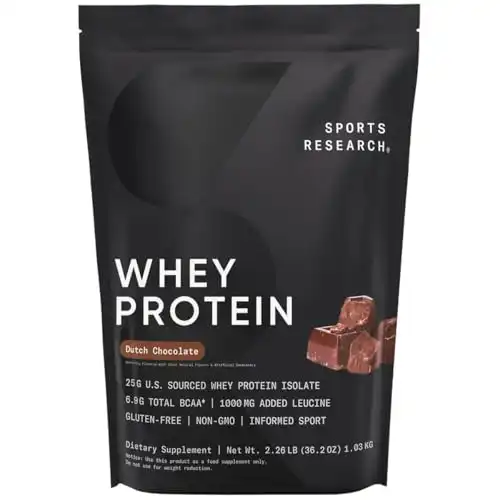
The benefits of grass-fed whey protein are increasingly recognized, with research indicating that dairy sourced from cows fed on pasture boasts a higher concentration of whey proteins and amino acids. This enhanced nutritional profile may contribute to more effective muscular training adaptations. Nutricost Grass-Fed Whey Protein Concentrate aligns with this trend, offering a product that is non-GMO, gluten-free, and subjected to rigorous third-party testing.
Whey protein concentrate, the form utilized in this product, often incorporates sunflower lecithin to improve mixability. Testers have reported a pleasant and nostalgic taste, likened to Nesquik, and have been impressed with its mixability. Grant Smith, a tester, commented, "The taste was nostalgic; I’d liken it to Nesquik. And the mixability was on par with some of the better proteins I’ve had previously." Smith further noted the powder’s ability to dissolve well in milk, leaving no undissolved clumps. While a slight separation was observed after the mixture sat for an extended period, it did not detract from the overall appeal of the beverage.
Pros:
- Sourced from grass-fed cows, potentially offering a richer amino acid profile.
- Non-GMO and gluten-free.
- Third-party tested for quality assurance.
- Good taste and mixability, according to user feedback.
- Affordable price point.
Cons:
- As a concentrate, it contains slightly more lactose and fat than isolate.
- Slight separation observed after prolonged sitting.
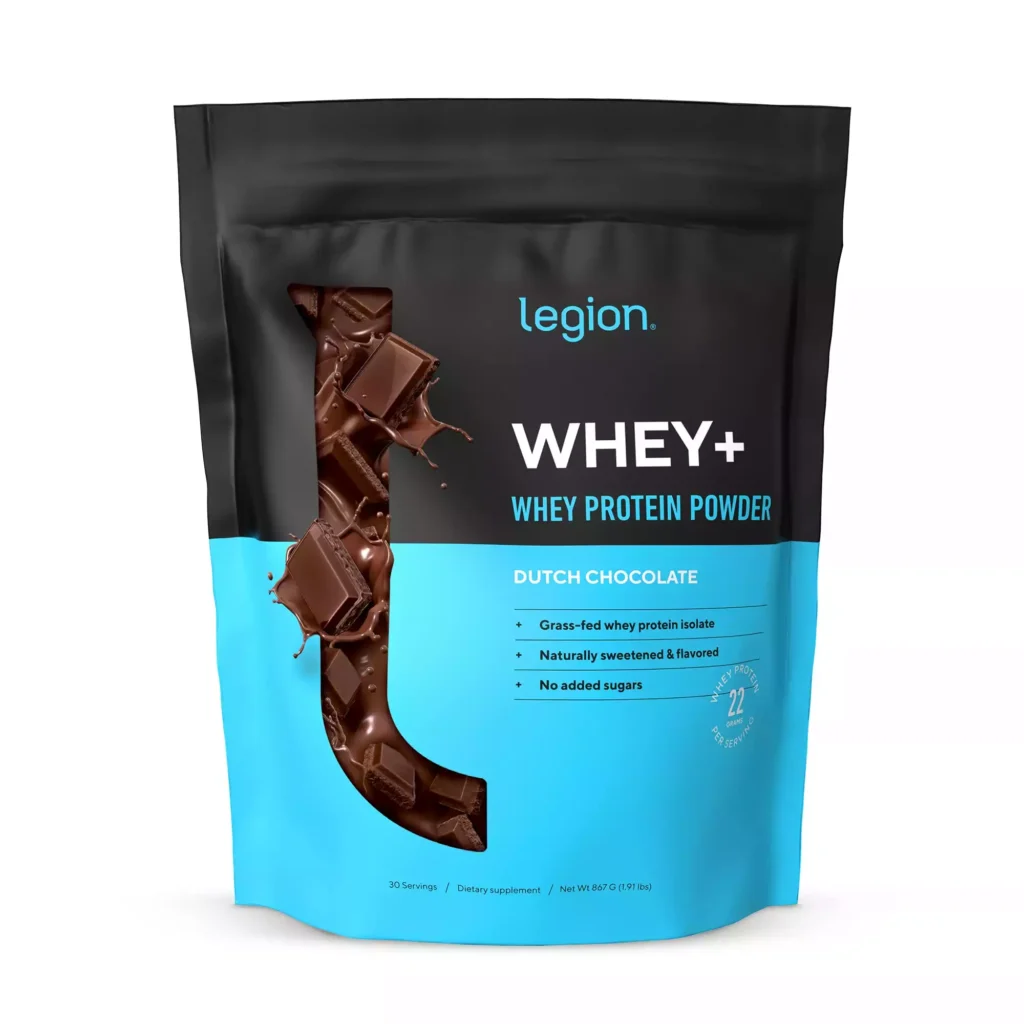
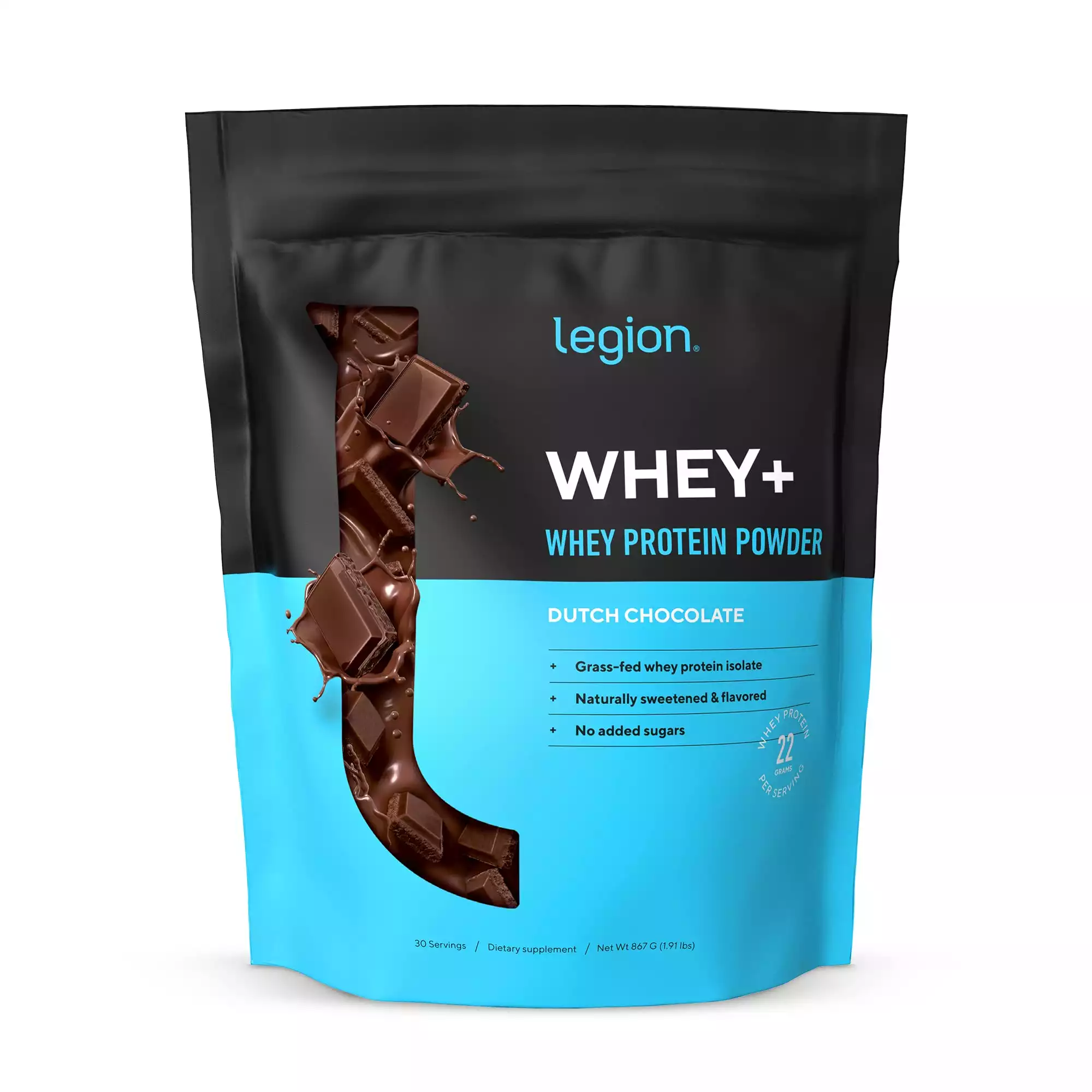
Best Vanilla Whey Protein: Legion Whey+
[Image: Legion Whey+]
Legion Whey+
Rating: 4.6
Legion Athletics’ commitment to purity and efficacy is underscored by its third-party certification from Labdoor, a recognized standard for rigorous independent laboratory testing. This certification guarantees that the whey protein isolate is free from banned substances and delivered in its most nutritionally dense form, devoid of interference from pesticides or growth hormones.
The whey in Legion Athletics products undergoes a meticulous filtration process to remove extraneous carbohydrates and fats, ensuring that each serving provides unadulterated protein. This formulation is specifically engineered to support bloat-free digestion. User testimonials consistently praise the taste, with the French Vanilla flavor receiving particularly high marks. Kayla Godfrey describes it as tasting "like a vanilla creamer," while Carlo Barajas enthusiastically declares, "This is delicious. Great vanilla taste."
Pros:
- Third-party certified by Labdoor for purity and safety.
- Filtered to remove excess carbs and fats, promoting clean digestion.
- Excellent taste, especially the French Vanilla.
- Whey isolate for high protein concentration.
Cons:
- Premium pricing.
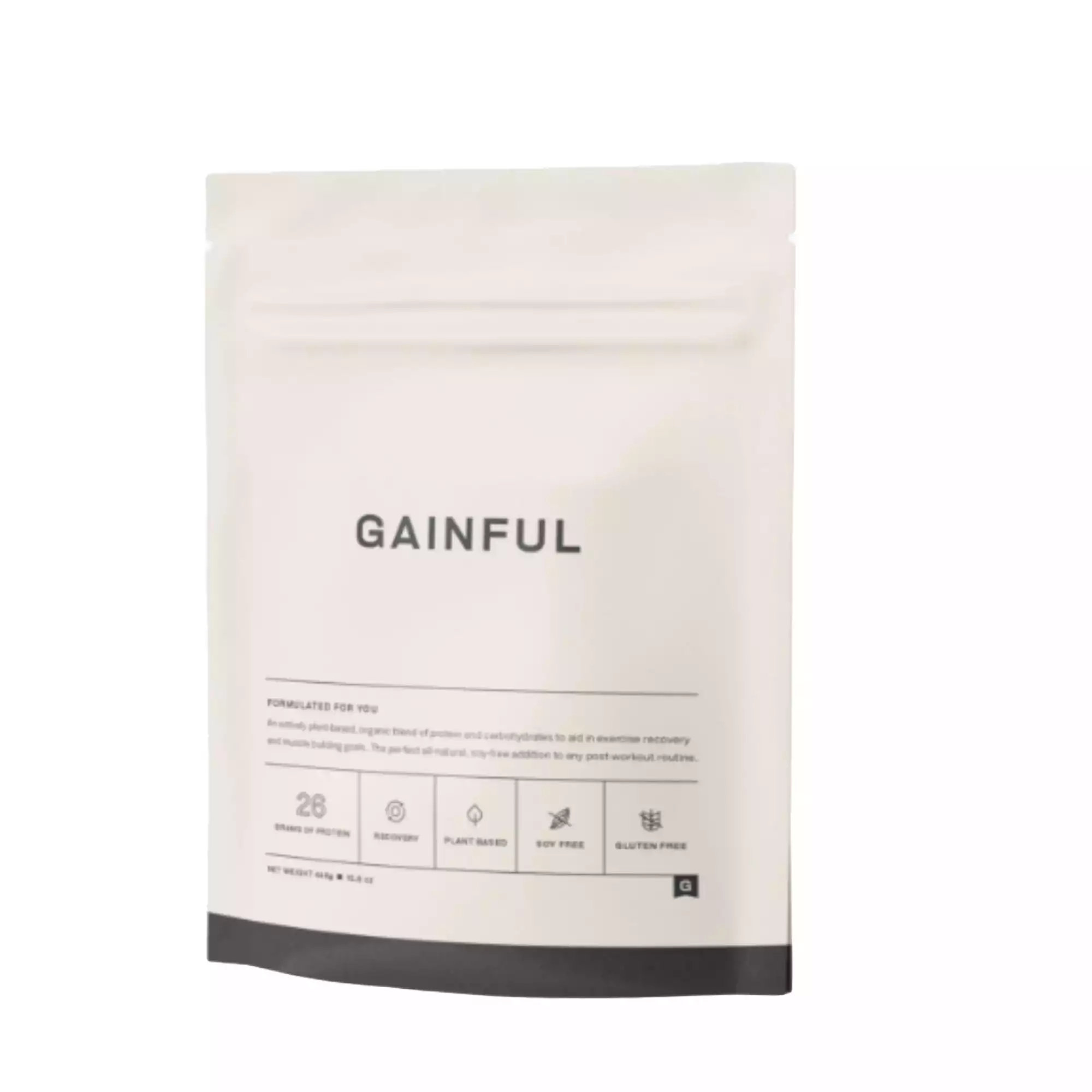
Best Tasting Whey Protein: Gainful Protein Powder
[Image: Gainful Vegan Protein Powder]
Gainful Protein Powder
Rating: 4.2
A common critique of protein powders is their potential for a "chalky" texture and an unpleasant aftertaste. Gainful aims to address this prevalent concern with its thoughtfully crafted flavors. The Caffe Mocha variant, sampled by the testing team, was noted for its subtle, not-overly-sweet flavor profile. Barry Bridges described it as reminiscent of an "at-home cappuccino mix," while Rachael Harris found the coffee notes to be light, leaning more towards a chocolate flavor.
For those who prefer variety or are not fans of coffee-based flavors, Gainful offers an extensive selection of nine distinct flavors, available in individual-use packets. This allows consumers to tailor their protein intake to their daily preferences. Pete Nastasi, a seasoned user of Gainful Protein Powder, highlights his personal favorites: Chocolate Peanut Butter, Caffe Mocha, and Sea Salt Caramel. The brand’s emphasis on customization and appealing taste profiles positions it as a strong contender for the "best tasting" category.
Pros:
- Addresses the common issue of "chalky" taste and aftertaste.
- Offers a wide variety of flavors, including unique options.
- Individual-use packets for flexibility and sampling.
- Pleasant flavor profiles, not overly sweet.
Cons:
- As a customizable product, the nutritional profile can vary based on chosen add-ins.
What Is Whey Protein?
Whey protein is a high-quality protein source derived from cow’s milk, which naturally contains two primary protein components: casein and whey. Whey constitutes approximately 20 percent of the protein found in milk and is renowned for its complete amino acid profile, encompassing all nine essential amino acids that the human body cannot synthesize on its own. Beyond its fundamental nutritional value, research suggests that whey protein may offer specific health advantages, including enhanced immune function and improved cardiometabolic health. Typically available in powder form, whey protein can be conveniently mixed with water or other beverages, incorporated into soft foods, or utilized in cooking to boost the nutritional content of baked goods. Food manufacturers also leverage whey formulations as a substitute for cream, butter, or eggs, enabling the creation of high-protein, low-fat food products.
Understanding the Three Types of Whey Protein
When selecting a whey protein supplement, consumers will encounter three main forms, distinguished primarily by their processing methods: concentrate, isolate, and hydrolysate.
Whey Protein Concentrate (WPC)
Whey protein concentrate (WPC) is the least processed form of whey, retaining higher levels of lactose, fat, carbohydrates, and natural nutrients. Food manufacturers often employ WPC as a cost-effective ingredient to replace fresh dairy and eggs in products like sauces, soups, and baked goods. Its ability to impart flavor, color, and texture, along with its shelf-life extending properties, makes it a versatile ingredient. However, WPC typically contains the lowest protein content among the three forms, generally ranging from 70% to 80%.
Whey Protein Isolate (WPI)
Whey protein isolate (WPI) is produced through further filtration and processing of whey, resulting in a significantly higher protein concentration, typically 90% or more, with reduced levels of lactose. This purity makes WPI a preferred choice for sports nutrition companies developing supplements, protein bars, and other protein-enriched products. While WPI offers a concentrated protein dose, it may lack some of the beneficial micronutrients present in the concentrate form.
Whey Protein Hydrolysate (WPH)
Whey protein hydrolysate (WPH), also known as hydrolyzed whey, undergoes a process of partial hydrolysis. This enzymatic breakdown breaks down the protein chains into smaller peptides, facilitating faster absorption by the body. WPH is digested more rapidly than WPC or WPI, which can lead to a more pronounced, though temporary, increase in blood sugar levels. Despite this, research indicates that whey protein, in general, may contribute to improved glycemic control.
The Multifaceted Benefits of Whey Protein Powder
The primary advantage of whey protein powder lies in its convenience and high-quality protein delivery. While adequate protein intake can be achieved through a balanced diet rich in whole foods, protein powders serve as a valuable supplement for individuals struggling to meet their daily protein requirements.
Supporting Muscle Growth and Repair
Whey protein’s rich profile of essential amino acids, particularly BCAAs, is instrumental in supporting muscle integrity and promoting muscle hypertrophy with consistent training. Incorporating a high-quality protein powder can significantly enhance dietary protein intake, thereby optimizing the anabolic response to exercise.
Preserving Lean Muscle Mass During Caloric Deficits
For individuals aiming for weight loss, preserving lean muscle mass is paramount. A protein-rich diet is crucial in this regard, signaling the body to prioritize fat utilization for energy while safeguarding the muscle tissue that has been diligently built.
Aiding in Weight Management
Whey protein possesses satiating properties, contributing to a prolonged feeling of fullness. This effect can be instrumental in managing appetite, leading to reduced overall calorie consumption throughout the day and supporting weight loss efforts.
Optimal Utilization of Whey Protein Powder
Determining the appropriate daily protein intake is the foundational step in effectively utilizing whey protein powder. This amount is influenced by individual fitness objectives, body weight, activity levels, and overall physique. A common guideline for active individuals is to multiply body weight in pounds by 0.8 to ascertain the recommended daily protein grams. It is crucial to remember that whey protein powder is a supplement and should not supersede whole, nutrient-dense foods as the primary source of dietary protein.
Following the manufacturer’s instructions for mixing is essential, typically involving one scoop of powder with 10 to 12 ounces of a chosen beverage. Protein powders can also be seamlessly integrated into smoothies, oatmeal, pancake batter, and other food preparations. While whey protein can be consumed at any time, its post-workout application is particularly favored for initiating muscle tissue repair and recovery.
Potential Side Effects and Considerations
When consumed in moderation, whey protein powder is generally considered safe for healthy adults. However, excessive intake can lead to digestive disturbances, dehydration, and, in some cases, nutrient imbalances. It is imperative to integrate whey protein powder into a balanced dietary regimen rather than relying on it as a sole protein source. Any adverse reactions or unusual symptoms following consumption should prompt immediate cessation of use and consultation with a healthcare professional.
Who Can Benefit from Whey Protein?
Whey protein powder is a valuable resource for individuals seeking to augment their daily protein intake, especially those finding it challenging to do so through diet alone. This includes highly active individuals such as athletes, bodybuilders, and fitness enthusiasts who have elevated protein requirements due to their training regimens.
Furthermore, older adults may find whey protein beneficial. As individuals age, their bodies can become less efficient at absorbing protein from food. Protein supplements can offer a convenient means for older adults to meet their protein needs, thereby supporting muscle health and mitigating age-related muscle loss.
Navigating the Selection of the Ideal Whey Protein
Choosing the most suitable whey protein product involves careful consideration of several key factors:
Type of Protein
Examine the ingredient list to identify whether the powder contains whey concentrate, isolate, hydrolysate, or a blend of these forms. Understanding these distinctions is crucial for aligning with individual dietary needs and goals.
Taste and Flavor Profile
The diverse array of flavors available, from unflavored to complex blends like chocolate orange or summer berries, underscores the importance of taste for consistent consumption. Experimenting with smaller containers or flavor samples is advisable for new users. Creative additions like fruits, flavored milks, or juices can also enhance the flavor experience.
Nutritional Content
Scrutinize the nutrition label for the protein content per serving, typically around 25 grams for optimal muscle protein synthesis. Beyond protein, assess calories, fat, carbohydrate, and fiber content, as well as any added vitamins and minerals or amino acid profiles. The aim is to maximize nutritional benefit while minimizing unnecessary additives.
Additives and Allergens
Thoroughly review the ingredients list for any additives or allergens that need to be avoided. Labels typically indicate the presence of common allergens like soy or cross-contamination risks from facilities handling nuts.
Price and Value
Whey protein supplements span a wide price spectrum, ranging from approximately $1.16 to $3.41 per serving, or $34 to $95 per container. Selecting a product that offers a favorable balance of quality and affordability is key to sustained use.
Frequently Asked Questions About Whey Protein
How often should I consume whey protein?
Consumption frequency should align with individual needs and fitness objectives. Integrating protein with meals or snacks every three to five hours is generally recommended. However, relying solely on protein powder is ill-advised, as it excludes other vital nutrients from whole foods. One whey protein drink per day is typically considered reasonable. Consult a physician if considering using whey protein to replace more than one meal.
Is whey protein powder safe?
Generally, whey protein powder is safe for healthy individuals when consumed in moderation. Those with pre-existing medical conditions or severe lactose intolerance should consult a healthcare professional before incorporating it into their diet.
What is the optimal time to consume whey protein powder?
The timing of whey protein consumption is highly individualized and depends on personal goals and lifestyle. Some prefer it as a quick morning meal, while others opt for it post-workout to support muscle recovery. The most critical factor remains consistent overall daily protein intake rather than strict adherence to a specific consumption time.
Can whey protein powder assist with weight loss?
Yes, whey protein can contribute to weight loss by promoting satiety and potentially reducing abdominal fat when combined with resistance training, according to research.
What are the disadvantages of whey protein?
Overconsumption of whey protein can lead to side effects such as kidney or liver strain, acne, and disruptions in gut bacteria. These issues are rare with moderate intake, typically one serving per day. Maintaining gut health through prebiotics or a varied diet of fruits and vegetables can further support well-being.
How can I ascertain the quality of my whey protein?
Quality is best assessed by examining the product label. Look for traceable, organic, and certified ingredients, an absence of fillers and artificial sweeteners, and third-party certifications that validate quality standards.