








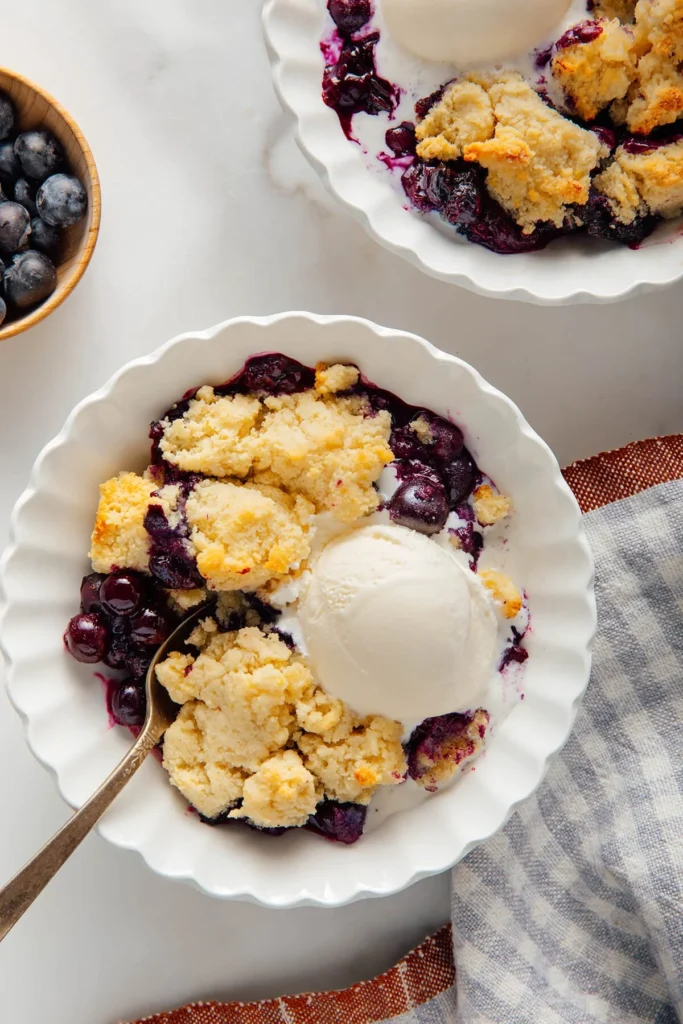
A new recipe for blueberry cobbler is garnering attention for its innovative approach to a classic summertime dessert, featuring a unique almond flour-based biscuit topping that offers a naturally gluten-free option without compromising on taste or texture. This rendition elevates the traditional fruit cobbler, making it accessible to a wider audience while emphasizing fresh, seasonal ingredients and a sophisticated flavor profile. The recipe, which draws inspiration from popular blueberry crisp and peach cobbler variations, positions itself as a staple for warm-weather entertaining, blending the familiar comfort of a cobbler with contemporary dietary considerations.
The Evolution of a Summer Staple: From Traditional Cobbler to Modern Adaptation
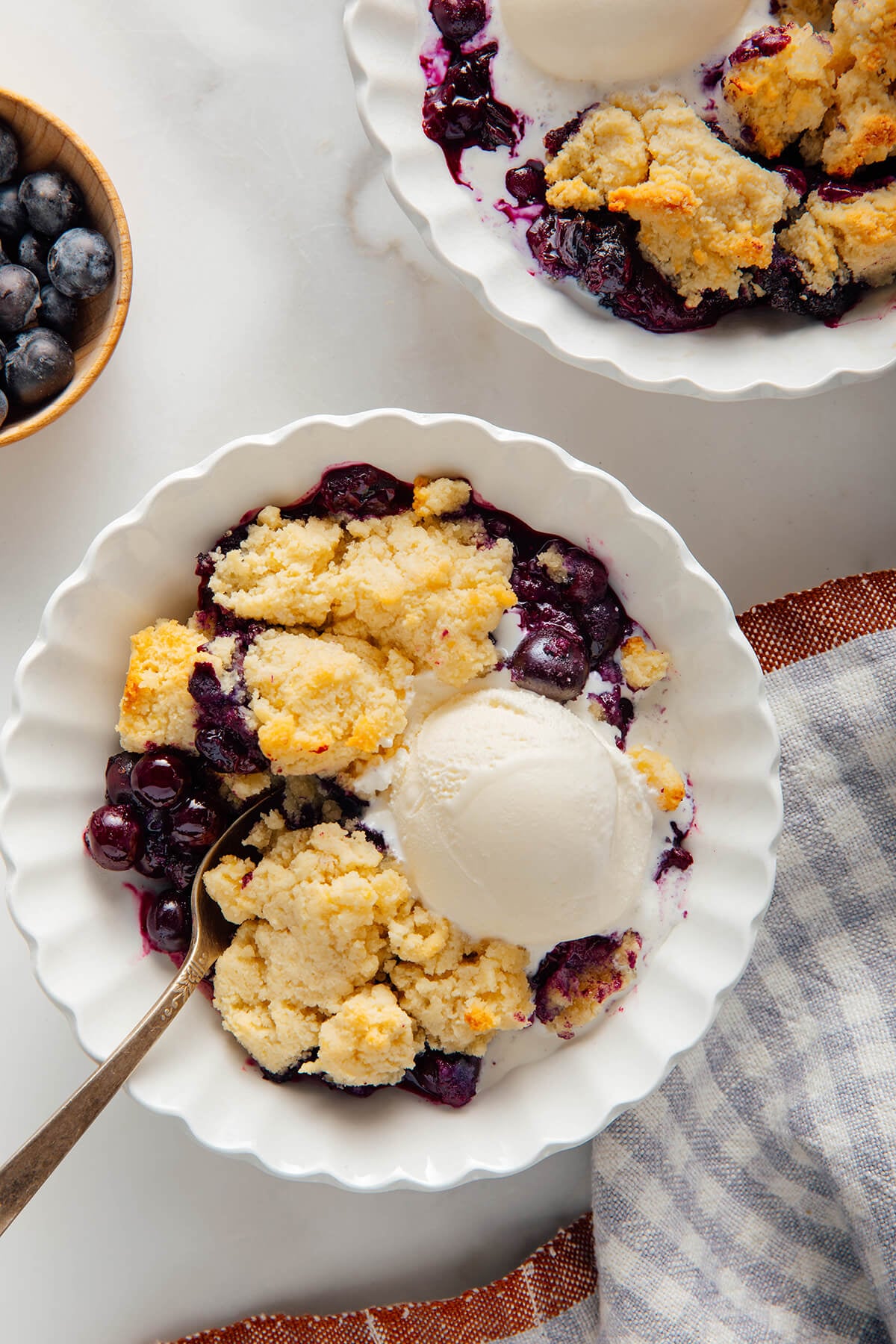
Cobblers, a beloved category of American baked desserts, have a rich history rooted in colonial times, often characterized by a fruit filling covered with a dropped biscuit or dumpling topping. These rustic desserts were conceived as simpler alternatives to pies, requiring less precise pastry work and often utilizing readily available seasonal fruits. Historically, cobblers served as resourceful ways to transform abundant harvest into satisfying treats. Over centuries, regional variations emerged, each contributing to the diverse tapestry of American culinary heritage.

The current iteration represents a significant evolutionary step. While maintaining the core essence of a cobbly, fruit-filled dessert, it incorporates modern culinary insights and ingredient preferences. The transition from a traditional wheat flour topping to one made with almond flour is not merely a substitution for dietary reasons; it introduces a distinct textural and flavor dimension. This development reflects a broader trend in gastronomy where classic recipes are reimagined to cater to evolving tastes, health consciousness, and ingredient availability. The recipe’s lineage, tracing back to a popular blueberry almond crisp and a well-received peach cobbler, underscores a deliberate effort to refine and adapt successful flavor combinations and baking techniques.
The Ascendance of Gluten-Free Baking and the Role of Almond Flour
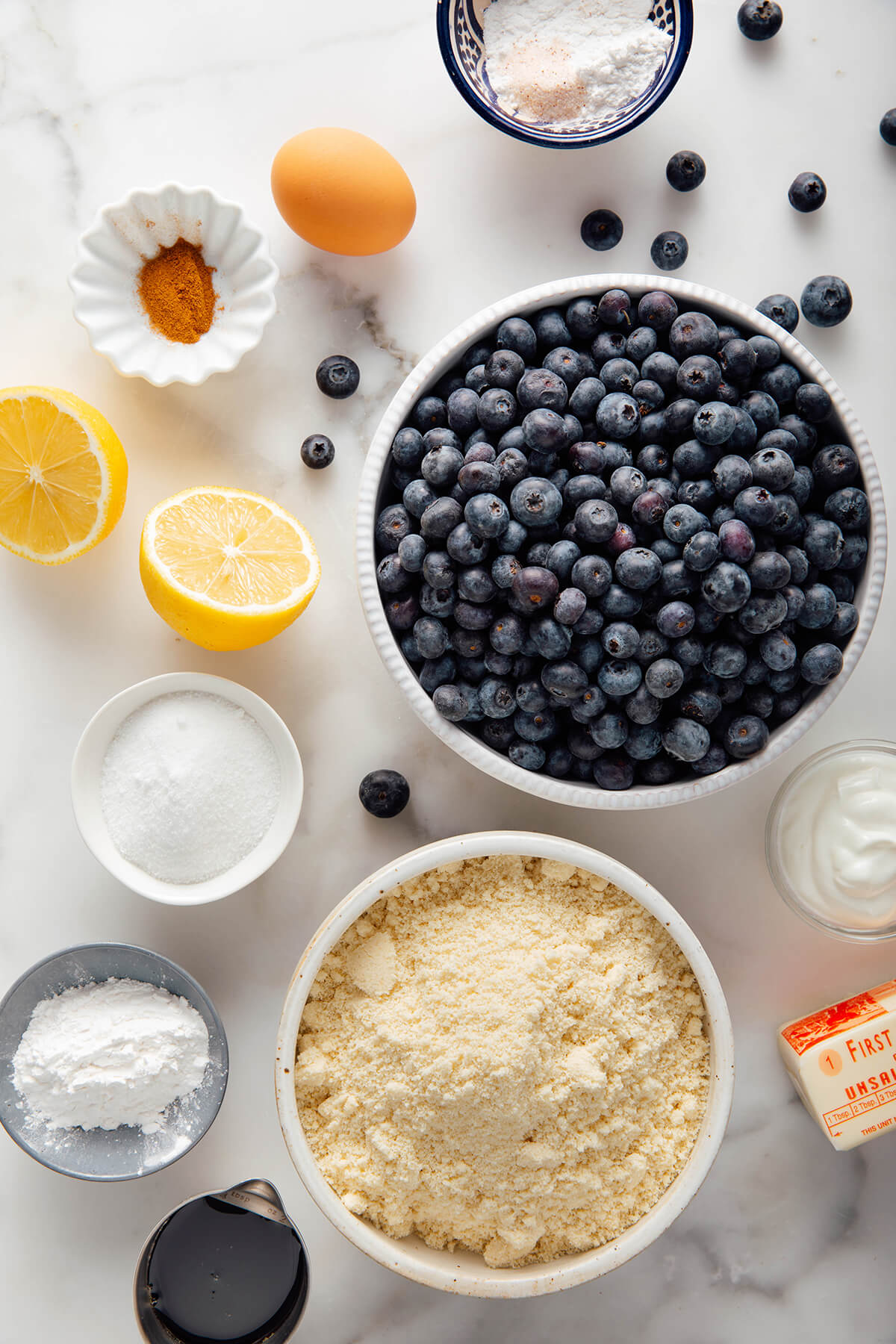
The landscape of dietary preferences has shifted considerably in recent decades, with gluten-free diets moving from niche medical necessity to a widespread lifestyle choice. According to a 2023 market analysis by Grand View Research, the global gluten-free products market size was valued at USD 6.9 billion in 2022 and is projected to grow at a compound annual growth rate (CAGR) of 9.2% from 2023 to 2030. This growth is driven by increased diagnoses of celiac disease, a rise in non-celiac gluten sensitivity, and a growing consumer perception that gluten-free options are generally healthier.
Within this expanding market, almond flour has emerged as a star ingredient. Unlike many gluten-free flour blends that require multiple ingredients to achieve desired textures, almond flour offers a unique set of properties on its own. It is naturally grain-free, low in carbohydrates, and rich in protein, healthy fats, and fiber. These nutritional attributes make it appealing to various dietary groups, including those following ketogenic, paleo, or low-carb regimens, in addition to gluten-free consumers. From a baking perspective, almond flour imparts a subtle nutty flavor that complements fruits beautifully, provides inherent moisture, and, when properly handled, can yield a tender interior with a satisfyingly crisp exterior—qualities highly prized in baked goods like cobblers.
Culinary experts note that almond flour’s ease of use, particularly in comparison to the often-fussy nature of all-purpose wheat flour in certain recipes, contributes to its growing popularity among home bakers. Its consistent texture reduces the variability often associated with other gluten-free flours, making it a reliable choice for achieving predictable and delicious results. This particular blueberry cobbler recipe leverages these inherent advantages, demonstrating how almond flour can elevate a dessert beyond simple gluten-free accommodation.
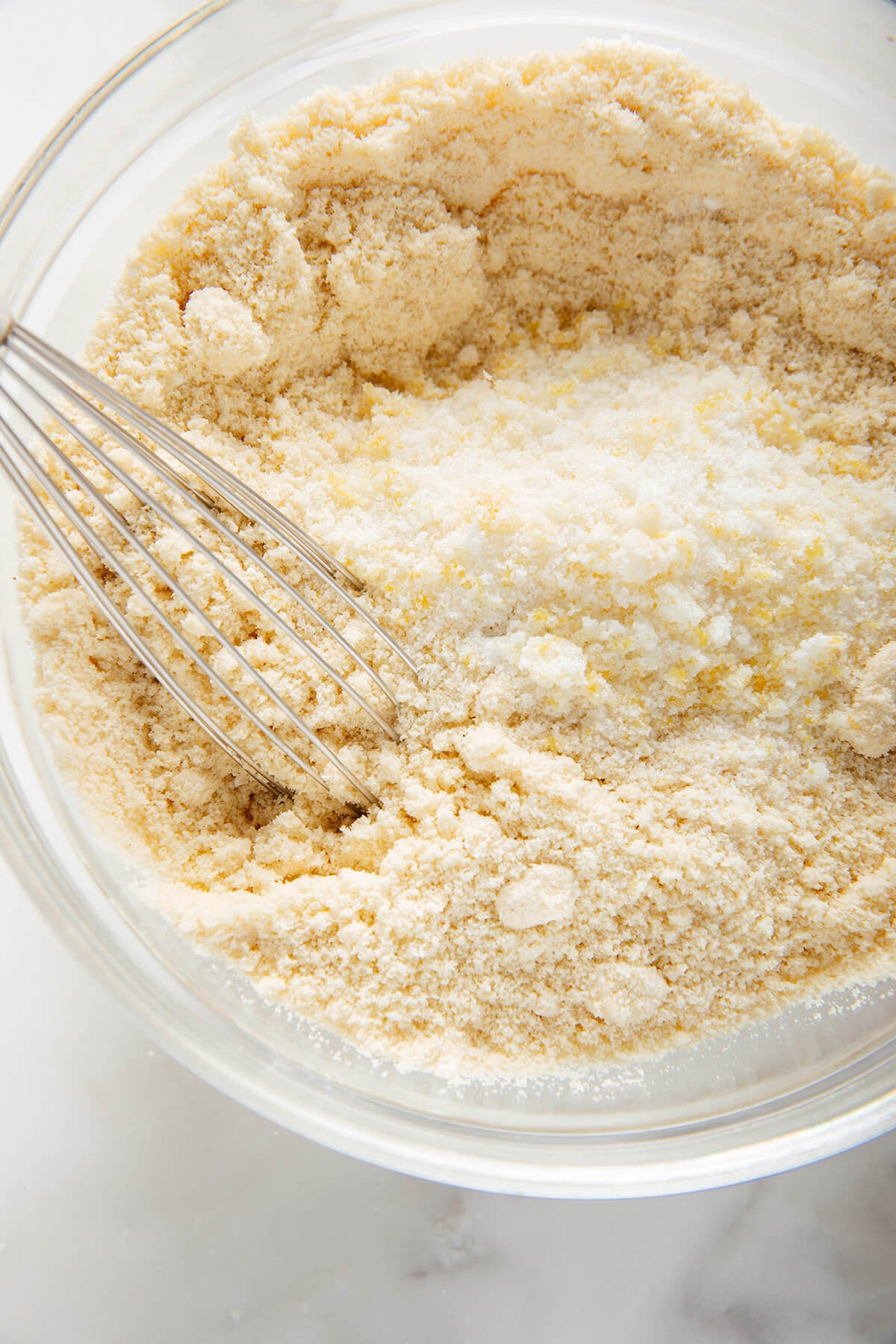
Blueberries: A Jewel of Summer and a Nutritional Powerhouse
Central to this cobbler is the blueberry, a fruit synonymous with summer. The peak season for fresh blueberries typically spans from May to October in North America, with July often celebrated as National Blueberry Month due to the abundance of ripe berries. This seasonal availability underscores the recipe’s timeliness, encouraging the use of fresh, locally sourced produce for optimal flavor and nutritional value.
Blueberries are not only celebrated for their vibrant color and sweet-tart flavor but also for their impressive nutritional profile. They are packed with antioxidants, particularly anthocyanins, which give them their distinctive blue hue and are linked to various health benefits, including improved cardiovascular health, enhanced brain function, and anti-inflammatory properties. They are also a good source of Vitamin C, Vitamin K, and dietary fiber. The "jammy" consistency described in the recipe highlights the transformative effect of baking on ripe blueberries, concentrating their natural sugars and flavors into a rich, luscious filling.
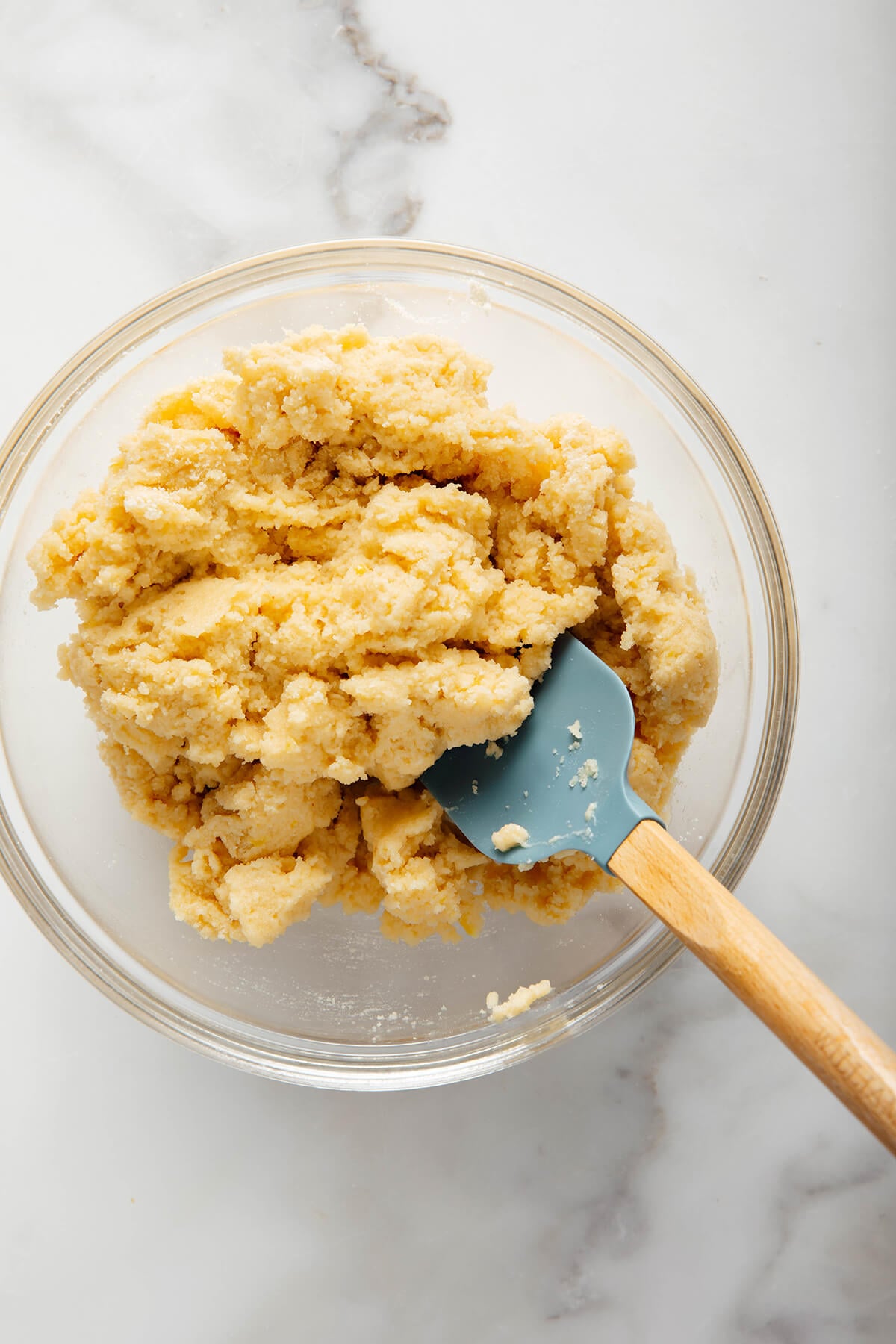
The use of fresh, ripe blueberries is emphasized, though practical advice is also provided for utilizing frozen blueberries, a testament to the recipe’s adaptability for year-round enjoyment. This flexibility ensures that the essence of a summer dessert can be savored even when fresh berries are out of season, making it a versatile option for any time of the year.
The Art and Science of Cobbler Craft: A Two-Step Baking Process
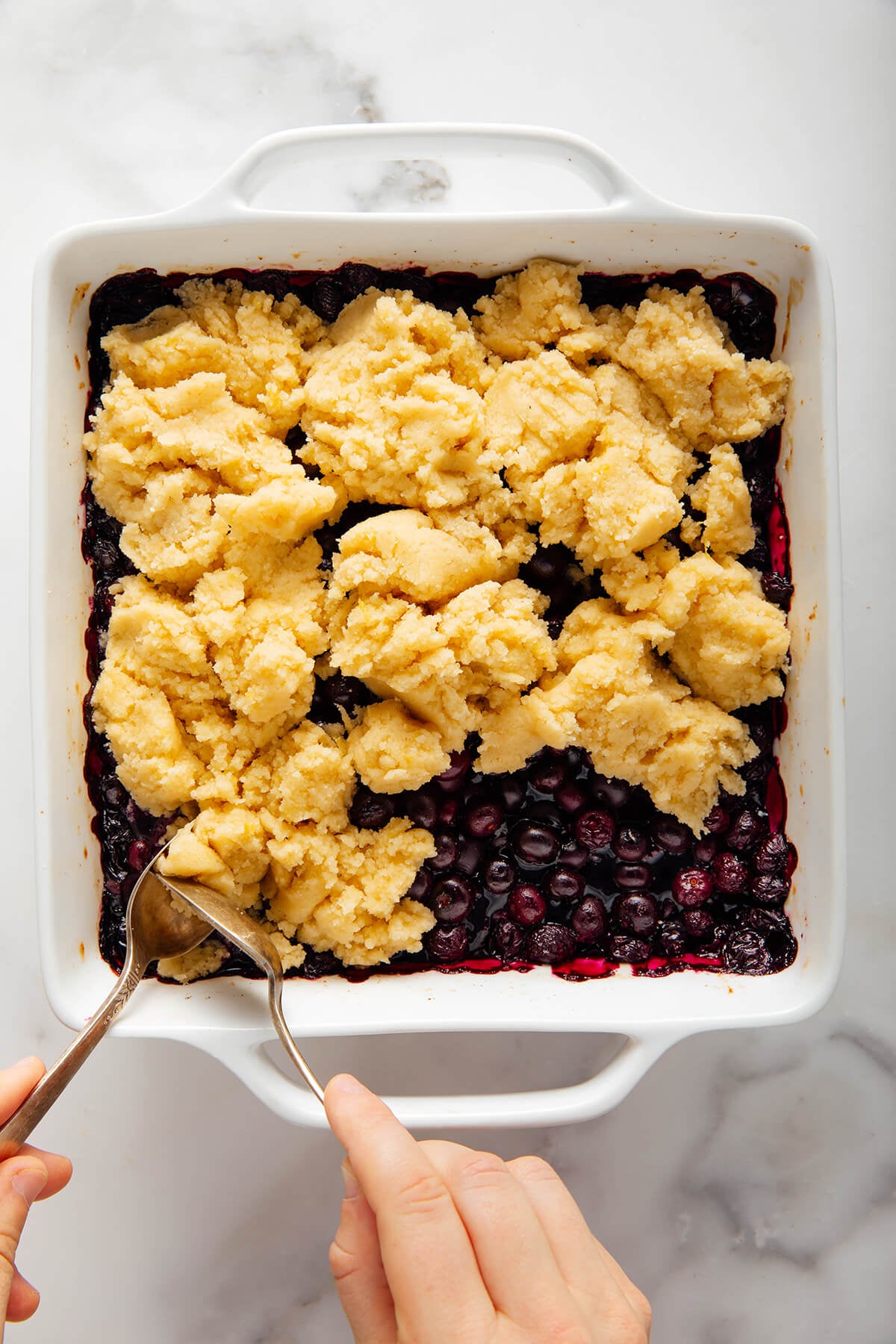
The success of any baked good often lies in its methodology, and this blueberry cobbler is no exception. A key distinguishing feature of this recipe, and a testament to refined baking techniques, is its specific two-step baking process. This method involves partially baking the fruit filling before adding the topping, a technique designed to achieve optimal results for both components.
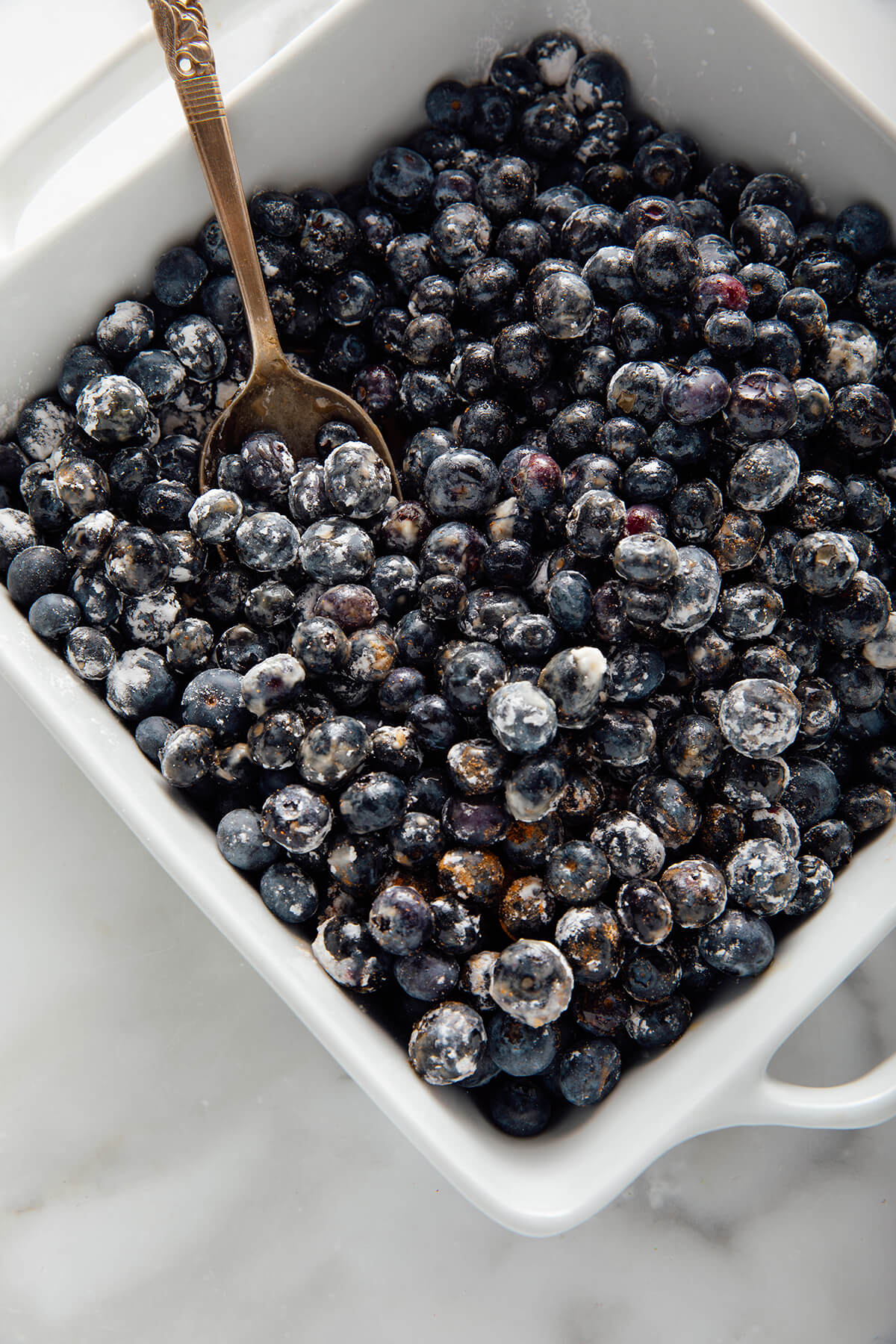
The rationale behind this approach is rooted in the chemistry of baking. If the fruit filling and the biscuit topping were baked simultaneously from the start, there’s a significant risk of the topping becoming excessively browned or even burnt before the fruit filling has had sufficient time to cook down, thicken, and develop its full "bubbly, condensed" character. Fruit fillings, especially those rich in moisture like blueberries, require adequate time at temperature to release their juices, allow thickeners (if used) to activate, and for the flavors to meld and intensify.
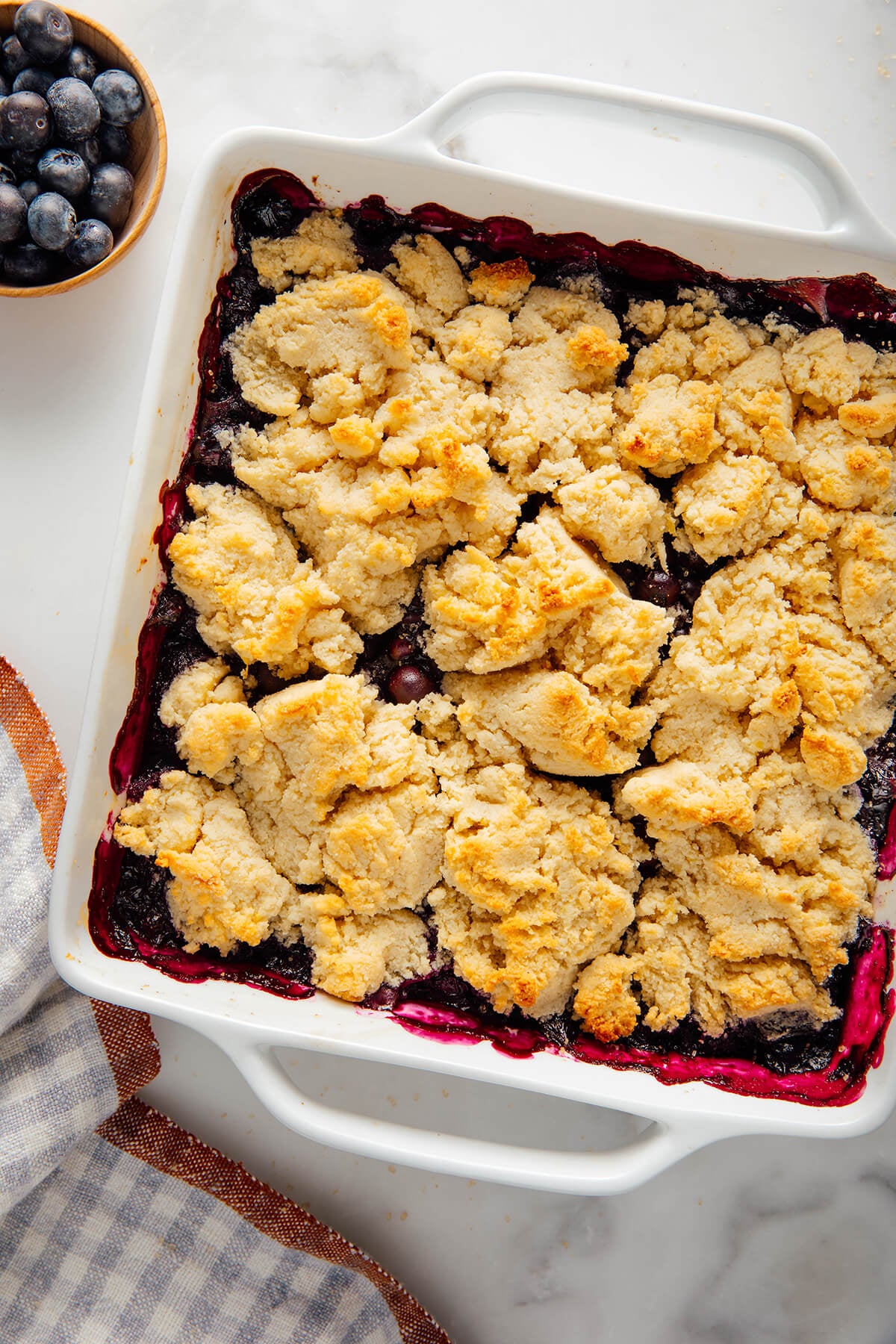
By initially baking the blueberries, the moisture is reduced, the fruit softens, and the flavors concentrate. This preliminary step ensures that when the almond flour topping is introduced, it bakes to a perfect golden-brown crispness around the edges and a tender interior without overcooking or compromising the fruit beneath. This methodical approach highlights a deeper understanding of baking principles, moving beyond simple ingredient assembly to a carefully orchestrated process that guarantees superior texture and flavor in the final product. The result is a harmonious balance: a rich, intensely flavored fruit base complemented by a perfectly baked, subtly nutty topping.
Culinary Innovation Meets Dietary Inclusion: Broader Implications
This recipe is more than just a dessert; it represents a convergence of several important trends in contemporary food culture. It speaks to the growing demand for inclusive recipes that cater to specific dietary needs, such as gluten-free, without sacrificing sensory appeal. It also underscores the ongoing innovation within the baking community, where traditional recipes are continuously reevaluated and adapted using new ingredients and techniques.
The preference for almond flour over traditional wheat flour in this context signals a shift in consumer expectations. It’s not just about avoiding gluten; it’s about embracing alternative ingredients for their unique contributions to flavor, texture, and nutritional value. This approach broadens the appeal of such desserts beyond those with dietary restrictions, inviting anyone interested in exploring new tastes and healthier ingredient choices.
Furthermore, the emphasis on seasonal blueberries aligns with the broader farm-to-table movement and a renewed appreciation for local and fresh produce. Consumers are increasingly seeking transparency in their food sources and valuing ingredients that are at their peak of flavor and nutritional potency. A dessert that celebrates a quintessential summer fruit resonates deeply with these values, encouraging mindful eating and seasonal enjoyment.
The Future of Home Baking: Versatility and Empowerment
For home bakers, recipes like this gluten-free blueberry cobbler are empowering. They demonstrate that creating sophisticated, diet-conscious desserts is not only achievable but can also be immensely rewarding. The clear instructions and thoughtful explanations behind the baking process demystify what might otherwise seem like a complex culinary endeavor.
The versatility of the base recipe, hinted at by its origins in peach cobbler and blueberry crisp, suggests a flexible framework for adaptation. This encourages experimentation with other seasonal fruits, further solidifying its role as a versatile template for year-round baking. This adaptability is a key factor in a recipe’s longevity and widespread adoption among home cooks.
In conclusion, this innovative gluten-free blueberry cobbler with an almond flour topping is more than just a sweet treat. It is a testament to the dynamic nature of culinary arts, reflecting shifts in dietary preferences, an appreciation for seasonal ingredients, and the continuous pursuit of optimal flavor and texture through thoughtful technique. It stands as a beacon for modern baking, proving that deliciousness and dietary inclusivity can, and should, go hand in hand, enriching the summertime dining experience for everyone.