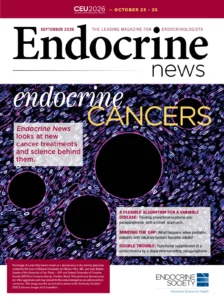






The field of endocrinology operates on a foundation of precision, where the minute fluctuations of hormones can dictate the trajectory of human health from conception through senescence. The latest insights from the Endocrine Society emphasize that the timing of medical intervention, environmental exposure, and the establishment of patient-provider trust are not merely variables but are the primary determinants of long-term clinical outcomes. This comprehensive analysis explores the critical intersections of developmental biology, digital communication in medicine, and the specialized care of rare endocrine disorders, highlighting the researchers and clinicians who are navigating these pivotal moments to improve global health standards.
Understanding the Critical Windows of Human Development
Biological timing is a central theme in modern endocrinology, particularly concerning the concept of "windows of vulnerability." These are specific periods during gestation, infancy, and puberty when the endocrine system is undergoing rapid programming. During these phases, the body is uniquely sensitive to external stimuli, which can permanently alter physiological set points.
As explored in recent research, the exposure to Endocrine-Disrupting Chemicals (EDCs) during these developmental windows can have profound implications for brain function, bone density, and metabolic health. EDCs are exogenous substances or mixtures that alter the function(s) of the endocrine system and consequently cause adverse health effects in an intact organism, or its progeny. These chemicals—found in plastics, pesticides, flame retardants, and cosmetics—mimic, block, or interfere with the body’s natural hormones.
The "Closing Windows of Vulnerability" study highlights that the brain’s development is particularly susceptible to thyroid-disrupting chemicals. Because thyroid hormones are essential for neuronal migration and synaptogenesis, even slight disruptions can lead to cognitive deficits or behavioral disorders. Furthermore, the programming of the skeletal system during adolescence is a critical window for bone mass accumulation; interference here can predispose individuals to osteoporosis later in life.
The Science and Regulation of Endocrine-Disrupting Chemicals
The challenge of EDCs lies in their ubiquity and the complexity of their effects. Unlike traditional toxins, EDCs often follow a non-monotonic dose-response curve, meaning low-dose exposures can sometimes be more harmful than high-dose exposures, depending on the timing of the encounter.
Current Data on EDC Exposure
Data from the Centers for Disease Control and Prevention (CDC) and various international health bodies suggest that nearly every human carries a detectable "body burden" of EDCs. Key chemicals under scrutiny include:
- Bisphenols (BPA, BPS): Used in polycarbonate plastics and epoxy resins.
- Phthalates: Used to make plastics more flexible and as solvents in personal care products.
- PFAS (Per- and Polyfluoroalkyl Substances): Known as "forever chemicals," used in non-stick coatings and firefighting foams.
Research indicates that the economic burden of EDC-related health issues—including obesity, diabetes, and neurodevelopmental disorders—exceeds $340 billion annually in the United States alone. In response, clinicians and regulators are shifting focus from mere identification of risk to proactive reduction strategies. This includes advocating for stricter "green chemistry" in product design and educating patients on reducing household exposures, such as avoiding plastic food containers and choosing fragrance-free products.
Digital Advocacy: Redefining the Patient-Provider Relationship
As the landscape of healthcare shifts toward a more integrated digital model, the role of the endocrinologist is expanding beyond the clinic. The emergence of social media as a tool for medical professional development and patient education marks a significant evolution in the field. Dr. Sehrish Waheed, an early-career endocrinologist, has become a prominent voice in demonstrating how platforms like X (formerly Twitter), LinkedIn, and Instagram can be leveraged to build trust and combat medical misinformation.
The professional use of social media allows clinicians to humanize the medical experience. For patients dealing with chronic conditions like obesity or Type 2 diabetes, the "stigma of the scale" can often be a barrier to seeking care. By engaging in digital advocacy, endocrinologists can challenge weight bias and provide evidence-based resources that empower patients rather than shame them.
The Impact of Social Media on Practice
A 2023 survey of medical professionals indicated that over 70% of clinicians believe social media is a valuable tool for professional networking and staying updated on the latest clinical trials. For the endocrinology community, this digital connectivity facilitates:
- Rapid Information Exchange: Real-time discussion of new guidelines from major conferences like ENDO.
- Patient Trust: Transparent communication helps demystify complex endocrine disorders.
- Mentorship: Early-career physicians can connect with global experts, bridging the gap between academic research and clinical practice.
Clinical Leadership and the Legacy of Specialized Pituitary Care
The pinnacle of endocrine practice is often found in the management of rare and complex conditions, such as those affecting the pituitary gland. Known as the "master gland," the pituitary regulates a vast array of bodily functions, from growth and metabolism to reproduction. The expertise required to manage pituitary tumors, acromegaly, or Cushing’s disease is immense, necessitating a lifelong commitment to clinical excellence.

Dr. Lisa B. Nachtigall, the recipient of the 2026 Vigersky Outstanding Clinical Practitioner Award, exemplifies this dedication. Her work emphasizes the "care as a calling" philosophy, which integrates high-level diagnostics with a deeply personalized approach to patient education. In specialized pituitary care, the clinician must act as a navigator, guiding the patient through a multidisciplinary landscape that includes neurosurgery, radiology, and oncology.
Mentorship remains a cornerstone of this excellence. The transition from a medical student to a specialized endocrinologist requires a "trusted voice" to provide guidance through the nuances of hormone replacement therapies and the interpretation of complex biochemical assays. Dr. Nachtigall’s career reflects the enduring value of this professional lineage, ensuring that the next generation of clinicians is prepared to handle the intricacies of rare endocrine pathologies.
Hypophosphatasia: Navigating Rare Bone Diseases
A specific area of focus in recent endocrine discourse is Hypophosphatasia (HPP), a rare, genetic metabolic disorder characterized by low levels of the enzyme alkaline phosphatase. This deficiency leads to defective bone mineralization, which can manifest as rickets in children or osteomalacia in adults.
The diagnosis of HPP is frequently missed because its symptoms—such as bone pain, fractures, and early tooth loss—can mimic more common conditions like osteoporosis or vitamin D deficiency. However, the treatment pathways are vastly different. The introduction of enzyme replacement therapy has revolutionized the prognosis for HPP patients, but the "pivotal moment" remains the initial diagnosis.
Clinicians are now being trained to look for low alkaline phosphatase (ALP) levels on routine blood panels as a red flag for HPP. This shift toward "biochemical vigilance" ensures that patients receive targeted therapies early enough to prevent permanent skeletal damage, once again underscoring the importance of timing in endocrinology.
Chronology of Endocrine Milestones and Regulatory Evolution
The progress currently observed in the field is the result of decades of scientific and regulatory evolution. Understanding this timeline is essential for contextualizing current clinical priorities.
- 1990s: The "Endocrine Disruptor" hypothesis gains international traction following the Wingspread Conference.
- 1996: The U.S. Congress passes the Food Quality Protection Act, requiring the EPA to screen pesticides for estrogenic effects.
- 2002: The Endocrine Society begins formalizing its advocacy efforts, leading to the first Scientific Statement on EDCs in 2009.
- 2010s: The rise of precision medicine allows for genetic testing in rare bone and pituitary disorders, leading to the development of orphan drugs.
- 2020-Present: The COVID-19 pandemic accelerates the adoption of telehealth and social media advocacy, forever changing the patient-provider interface.
Economic and Public Health Implications of Endocrine Health
The broader impact of endocrinology extends into the realm of public policy and global economics. Because endocrine health is so closely tied to chronic disease, the field is at the forefront of efforts to reduce the global burden of non-communicable diseases (NCDs).
Data indicates that metabolic disorders, including diabetes and obesity-related complications, account for a significant portion of healthcare expenditures in developed nations. By addressing "windows of vulnerability" and reducing EDC exposure, public health initiatives could potentially save billions in future healthcare costs. Furthermore, the early diagnosis of rare diseases like HPP or pituitary disorders reduces the long-term disability burden, allowing patients to remain active participants in the workforce and society.
Official responses from organizations like the World Health Organization (WHO) and the Endocrine Society call for a "Health in All Policies" approach. This would involve integrating endocrine health considerations into urban planning (to encourage physical activity), food regulation (to reduce endocrine disruptors in packaging), and environmental law (to limit chemical runoff).
Conclusion: The Future of Endocrine Progress
The current state of endocrinology is defined by a dual focus on the microscopic and the macroscopic. On one hand, researchers are delving into the epigenetic changes caused by chemical exposures during fetal development. On the other, clinicians are utilizing global digital networks to advocate for patient rights and provide high-quality care for rare conditions.
The stories of clinicians like Dr. Waheed and Dr. Nachtigall serve as a reminder that while technology and data are vital, the human element—mentorship, trust, and determination—remains the driving force of medical progress. As the medical community continues to identify and act during the "critical windows" of human health, the potential to alter the course of patients’ lives for the better has never been greater.
The ongoing work in closing the windows of vulnerability to EDCs, harnessing the power of social media for health literacy, and advancing the frontiers of pituitary and bone research ensures that endocrinology remains a dynamic and essential pillar of modern medicine. The commitment to these pivotal moments is what will ultimately shape the health of future generations, turning scientific knowledge into life-changing action.