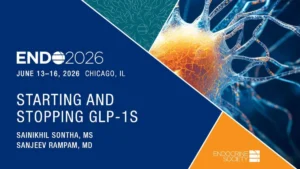








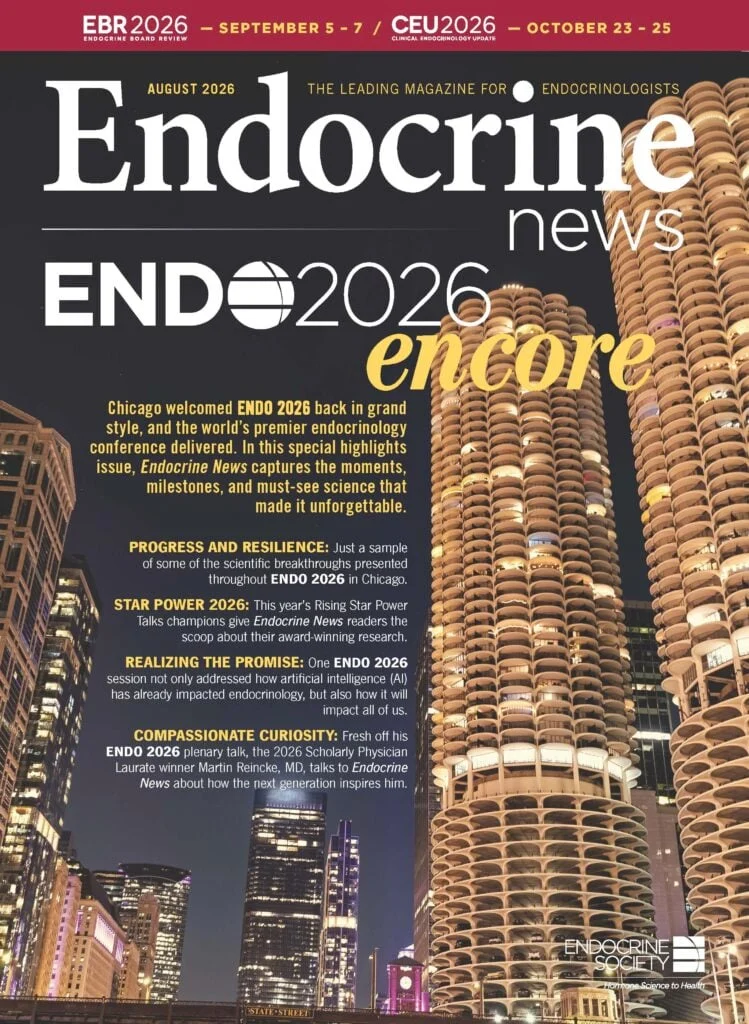
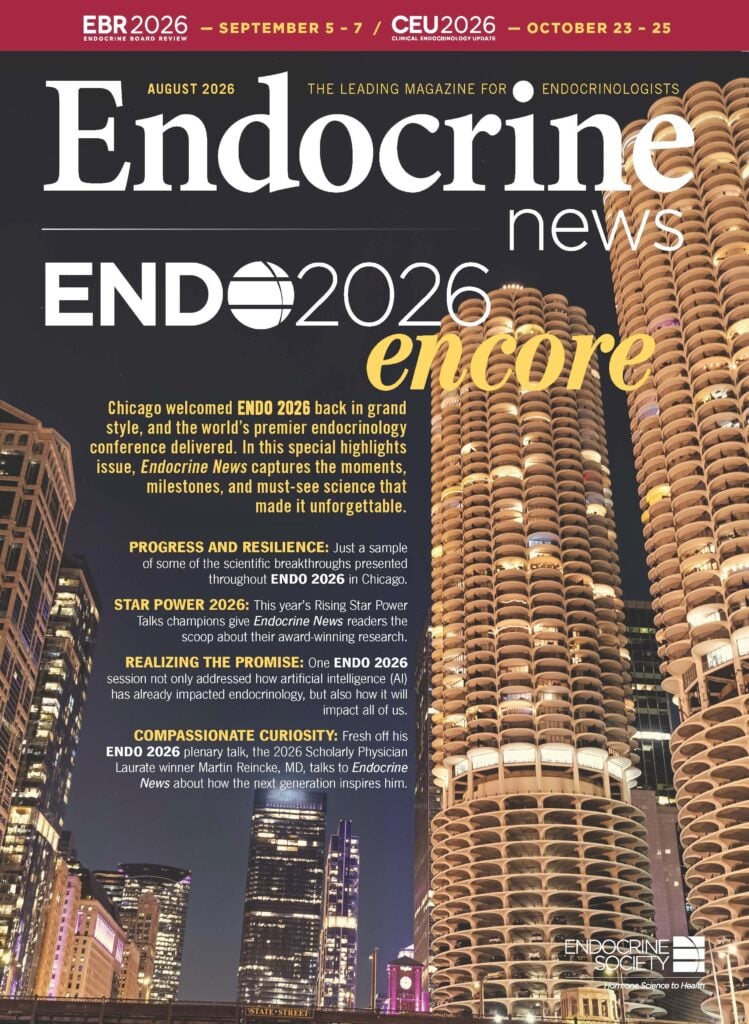
The Endocrine Society officially concluded its annual meeting, ENDO 2026, this past June at the McCormick Place convention center in Chicago, Illinois. As one of the premier gatherings for endocrinology professionals globally, the event served as a critical platform for the dissemination of cutting-edge research, the introduction of novel therapeutic modalities, and the facilitation of high-level networking among clinicians, researchers, and industry stakeholders. The 2026 iteration of the conference was characterized by a distinct emphasis on the integration of emerging technologies, specifically artificial intelligence (AI), and the rapidly evolving landscape of obesity management. With thousands of delegates in attendance, the conference highlighted the "Progress and Resilience" of a field tasked with managing some of the most prevalent chronic conditions of the 21st century, including diabetes, metabolic syndrome, and hormonal cancers.
Chronology and Strategic Focus of the Chicago Assembly
The four-day event followed a rigorous schedule of plenary sessions, rapid-fire research presentations, and clinical workshops. The selection of Chicago as the host city provided a central hub for North American and international attendees, utilizing the expansive facilities of McCormick Place to accommodate a diverse array of simultaneous tracks. The conference began with a series of high-level overviews regarding the state of the endocrine workforce, transitioning quickly into deep dives regarding the molecular mechanisms of hormone action and the practicalities of patient care in an increasingly digital health environment.
Throughout the week, the scheduling reflected a strategic effort to bridge the gap between basic science and clinical application. Early mornings were typically reserved for plenary talks featuring world-renowned experts, while afternoons were dedicated to "Rising Stars" sessions and interactive expo hall discussions. This structure ensured that while the latest high-impact trials were given center stage, the foundational work of early-career investigators was also granted significant visibility.
The Practical Integration of Artificial Intelligence in Clinical Practice
One of the most highly attended sessions of the conference focused on a topic that has moved from theoretical speculation to clinical necessity: the role of artificial intelligence in endocrinology. Titled "Artificial Intelligence in Endocrinology: Practical Uses, Lessons Learned, and What Comes Next," the session addressed the multifaceted ways in which AI is disrupting traditional medical paradigms.
Naykky M. Singh Ospina, MD, a professor in the Division of Endocrinology, Diabetes, and Metabolism at the University of Florida, served as a primary speaker. Dr. Singh Ospina noted that while the medical community has discussed the disruptive potential of AI for several years, the current era marks a transition toward tangible implementation. The session focused on the immediate utility of AI in clinic settings, such as automating routine diagnostic tasks, predicting patient outcomes through large-scale data analysis, and personalizing treatment plans for complex metabolic disorders.

Supporting data suggests that the healthcare AI market is projected to grow at a compound annual growth rate (CAGR) of approximately 37% through 2030. In endocrinology, AI is particularly potent in managing continuous glucose monitoring (CGM) data, identifying patterns in thyroid ultrasound imaging, and optimizing hormone replacement dosages. However, Dr. Singh Ospina and her colleagues emphasized that for the promise of AI to be fully realized, the medical community must address issues of data privacy, algorithmic bias, and the necessity of maintaining the "human element" in patient-provider interactions.
The Obesity Treatment Revolution: GLP-1s and Beyond
The 2026 conference occurred during a transformative period for obesity medicine, largely driven by the advent and widespread adoption of highly effective GLP-1 (glucagon-like peptide-1) receptor agonists. A post-plenary session featuring Barbara Kahn, MD, and Daniel Drucker, MD—a pioneer in the study of proglucagon-derived hormones—drew a standing-room-only crowd in the expo hall.
The discussion centered on the long-term implications of these medications, which have demonstrated significant efficacy in weight reduction and cardiovascular risk improvement. Dr. Drucker provided insights into the physiological mechanisms that make the latest generation of GLP-1s so effective, while Dr. Kahn addressed the broader environmental and surgical contexts of obesity treatment.
Dr. Kahn observed that despite the pharmaceutical advancements, some patients continue to opt for bariatric surgery due to its "one and done" nature compared to the long-term adherence required for medication. She further argued that scientific research must continue to investigate environmental modifications to address the root causes of the obesity epidemic. The session underscored a critical shift in the field: obesity is increasingly being treated as a chronic metabolic disease rather than a behavioral failing, requiring a multi-pronged approach that includes pharmacotherapy, lifestyle intervention, and potentially surgical options.
Empowering the Next Generation: Rising Stars Power Talks
The "Rising Stars Power Talks" remained a staple of the ENDO program, providing a platform for early-career and in-training members to present their research in a high-pressure, three-minute "quick-fire" format. This session is designed to test the ability of young scientists to communicate complex data concisely and persuasively to a panel of industry experts and a voting audience.
The 2026 winners represented a broad spectrum of endocrine research:
- Clinical Science: Brittany Weisbrot, an internal medicine resident at Loyola University Medical Center, was recognized for her work on patient care improvements. Her research interests involve the diagnosis and treatment of hypoglycemia and the advancement of obesity medicine.
- Translational Science: Dillon Boulton, PhD, a postdoctoral fellow at the University of Colorado’s Anschutz Medical Campus, focused on bridging the gap between laboratory findings and clinical applications.
- Basic Science: Lila Dabill, a PhD student at Washington University in St. Louis, contributed insights into the fundamental biological mechanisms of endocrine function.
- Audience Choice: Konstantinos Stefanakis, MD, PhD candidate and fellow at Harvard Medical School’s Beth Israel Medical Center, received the popular vote for his presentation on the intersection of cardiology and endocrinology.
The success of these presenters highlights the Endocrine Society’s commitment to mentorship. As the global demand for endocrine specialists continues to outpace supply, fostering the careers of these "Rising Stars" is essential for the future of the discipline.
Distinguished Leadership and Lifetime Contributions
A significant highlight of the event was the recognition of Martin Reincke, MD, as the recipient of the 2026 Outstanding Scholarly Physician Laureate Award. Dr. Reincke, a leading figure in the study of pituitary and adrenal glands, delivered a plenary session that reflected on his career and the evolving nature of endocrine science.
In subsequent interviews, Dr. Reincke expressed profound optimism regarding the "fearless" nature of the new generation of endocrinologists. He noted that contemporary trainees move effortlessly between genomics, advanced imaging, and AI—technologies that were in their infancy during his own training. Dr. Reincke emphasized the importance of "compassionate curiosity," urging researchers to remember that every data point in a study represents a human being seeking a better quality of life. His work in adrenal insufficiency and pituitary tumors continues to serve as a benchmark for clinical excellence and scholarly rigor.
Broader Impact and Implications for the Global Health Landscape
The findings shared at ENDO 2026 have implications that extend far beyond the walls of McCormick Place. The endocrine system regulates nearly every major physiological process, and the disorders associated with it—such as diabetes and thyroid disease—affect hundreds of millions of people worldwide.
- Economic Impact: The focus on obesity and AI reflects the massive economic stakes involved. With the global cost of obesity-related conditions reaching into the trillions of dollars, the development of more effective treatments and more efficient diagnostic tools is a matter of public health urgency.
- Technological Integration: The conference confirmed that endocrinology is at the forefront of the "digital health" revolution. The integration of wearable technology and AI-driven analytics is becoming the standard of care for chronic disease management.
- Educational Evolution: The emphasis on rapid-fire presentations and interactive sessions suggests a shift in how medical knowledge is disseminated. The "Rising Stars" format mirrors a broader trend toward more engaging, accessible scientific communication.
Conclusion and Looking Toward ENDO 2027
As the Endocrine Society staff and members concluded the Chicago meeting, the focus shifted immediately to the future. The field of endocrinology remains in a state of rapid flux, driven by pharmaceutical breakthroughs and the increasing prevalence of metabolic disorders. The Chicago event demonstrated that the community is not only resilient but actively seeking to redefine the boundaries of what is possible in hormone research and patient care.
The next annual meeting, ENDO 2027, is scheduled to take place from June 5 to June 7, 2027, in Toronto, Ontario, Canada. This transition to an international venue reflects the global nature of the Endocrine Society’s mission. Expected topics for the Toronto assembly include the long-term safety data of new obesity drugs, the further refinement of AI in clinical workflows, and the ongoing search for cures for endocrine-related cancers. For the professionals who attended ENDO 2026, the insights gained in Chicago will serve as the foundation for another year of progress in the quest to improve human health through the science of endocrinology.