






X-linked hypophosphatemia (XLH) represents a significant challenge in modern clinical diagnostics, often remaining hidden within family lineages for decades as its symptoms are frequently misattributed to benign developmental variances or "ordinary" family traits. As a rare, hereditary metabolic bone disease, XLH is characterized by renal phosphate wasting, leading to chronic low levels of serum phosphorus. This biochemical imbalance disrupts the essential mineralization of bones and teeth, resulting in a spectrum of physical manifestations that range from rickets and bowed legs in children to osteomalacia, premature joint degeneration, and dental abscesses in adults. Despite its status as the most common form of heritable rickets, the path to a definitive diagnosis is often a protracted "odyssey" for patients, marked by clinical dismissals and a lack of awareness regarding specialized laboratory requirements.
The Narrative of a Diagnostic Odyssey: From Clinical Dismissal to Definitive Answers
The complexity of identifying XLH is exemplified by the experience of Emily, a mother whose persistence eventually led to a multi-generational clinical breakthrough. The journey began when her daughter, Ila, was seven months old. As Ila began the developmental milestone of pulling herself up to a standing position, Emily observed a pronounced bowing in her daughter’s legs. While a degree of bowing is common in infants under the age of two—often referred to as physiologic bowing—Emily sensed that Ila’s condition exceeded the norm.
For several months, Emily voiced her concerns during routine well-child visits. However, she was met with reassurance from pediatricians who noted that bowing occurs in up to 95% of children and typically resolves without intervention. This clinical reassurance initially led Emily to question her own observations, a common psychological hurdle for parents of children with rare diseases. By Ila’s 15-month appointment, the child had been walking for several months, yet the bowing had become more prominent rather than resolving. This progression prompted Emily to demand a referral to a pediatric orthopedic specialist.

During the two-month waiting period for the specialist appointment, Emily conducted independent research, eventually discovering the condition known as hypophosphatemia. This discovery served as a catalyst for self-reflection regarding her own medical history. Emily recalled a childhood marked by musculoskeletal stiffness; following soccer practices, she would become so rigid during the car ride home that she required a "warm-up" period just to walk into her house. She also experienced frequent kneecap dislocations and a slower physical pace compared to her peers—symptoms she had long accepted as her personal "normal."
Equipped with a burgeoning family history of joint surgeries and leg-bowing across four or five generations, Emily presented her findings to the orthopedic specialist. Despite the evidence, the specialist initially maintained that the bowing was physiologic. It was only through a secondary consultation with a metabolic bone disease specialist that the diagnosis of XLH was finally confirmed through biochemical testing and genetic analysis.
The Biological Mechanism: The Rebar and Concrete of Bone Health
To understand why XLH is so debilitating and why its diagnosis is critical, medical professionals often look to the underlying pathophysiology of the disease. Mark Eugene Nunes, MD, medical director of Genetics, Genomics, and Metabolism at Intermountain Children’s Health, provides a clarifying analogy for the mineralization process. He likens bone structure to a reinforced concrete driveway: collagen serves as the "rebar" or metal grid, while calcium and phosphorus act as the "concrete" poured over it.

In patients with XLH, a mutation in the PHEX gene (Phosphate-regulating endopeptidase homolog, X-linked) leads to an overproduction of fibroblast growth factor 23 (FGF23). This hormone signals the kidneys to excrete excessive amounts of phosphate into the urine while simultaneously inhibiting the production of active vitamin D. Without sufficient phosphorus, the "concrete" of the bone cannot set properly, leading to "soft" bones. In children, this manifests as rickets, growth retardation, and skeletal deformities. In adults, the lack of mineralization leads to osteomalacia, which causes bone pain, pseudofractures, and significant mobility issues.
Diagnostic Barriers: Why XLH is Frequently Overlooked
One of the primary reasons XLH remains underdiagnosed is that standard laboratory protocols are not designed to detect it. Routine metabolic panels typically measure electrolytes such as sodium, bicarbonate, and calcium. However, serum phosphorus is not included in these standard panels; it requires a specific, separate order.
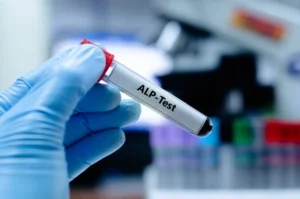
Dr. Nunes points out that primary care clinicians may operate under the assumption that a normal chemistry panel clears a patient of metabolic issues. "Unless you’re checking the serum phosphorus, you’re not going to know it needs correcting," Nunes explains. He suggests that if a clinician observes an elevated alkaline phosphatase level—a common indicator of rickets or bone turnover—they must proactively order a serum phosphorus test.
Furthermore, XLH is often mistaken for more common conditions. Vitamin D deficiency, which affects roughly one-third of the global population, is a frequent misdiagnosis. While nutritional rickets responds to vitamin D supplementation, XLH does not, because the disease mechanism prevents the conversion of inactive vitamin D into its active form. Additionally, XLH is sometimes confused with skeletal dysplasia. In some cases, the diagnosis of XLH is only reached "backward" when a patient undergoes a broad genetic panel for skeletal abnormalities and the PHEX gene mutation is identified.
Statistical Context and Genetic Inheritance
While considered a rare disease, XLH occurs in approximately 1 in 20,000 individuals. Interestingly, Dr. Nunes notes that other conditions like osteogenesis imperfecta (1 in 25,000) or hypophosphatasia (1 in 300,000) are sometimes seen more frequently in specialized clinics, suggesting that XLH may be significantly under-represented in clinical settings relative to its actual prevalence.
The inheritance pattern of XLH is X-linked dominant, which has specific implications for family planning and "cascading" diagnoses. Approximately 80% of cases are inherited from a parent, while 20% arise from de novo (spontaneous) mutations. In an X-linked dominant pattern:
- An affected father will pass the condition to all of his daughters but none of his sons.
- An affected mother has a 50% chance of passing the condition to each of her children, regardless of their sex.
This predictable pattern means that identifying a single patient often leads to a "domino effect" of diagnoses within a family tree. In Emily’s case, Ila’s diagnosis led to the confirmation of XLH in roughly two dozen living family members, many of whom had spent their lives attributing their physical limitations to "family traits."

The Shift in Clinical Perspective: Adult Care and Transitions
Historically, medical education framed hypophosphatemia primarily as a pediatric disorder that "resolved" once skeletal maturity was reached. However, modern endocrinology recognizes that XLH is a lifelong systemic condition. Adults with untreated or under-treated XLH face a high burden of disease, including enthesopathy (calcification of ligaments), early-onset osteoarthritis, and hearing loss.
The transition from pediatric to adult care is a critical juncture where many patients are lost to follow-up. Dr. Nunes emphasizes the need for a "warm handoff" between pediatric and adult endocrinologists. Many adolescents, feeling healthy as they reach their final height, may become non-adherent to therapy, only to face severe complications in their 20s and 30s. Institutional models, such as the Vanderbilt University Transitions Lab, are increasingly being cited as gold standards for maintaining continuity of care for rare metabolic diseases.
Broader Implications and the Role of Genetic Counseling
The realization that a physical trait is actually a heritable disease can be emotionally taxing for families. This is where the role of genetic counseling becomes indispensable. Genetic counselors assist families in navigating the complexities of the diagnosis, explaining the risks to future generations, and facilitating the communication of health information to extended relatives.
The case of Emily and Ila underscores the importance of patient advocacy and the democratization of medical information. By using social media and family networks, Emily was able to disseminate information that led to life-altering medical interventions for her relatives. For Ila, now approaching her ninth birthday, the early diagnosis has allowed for tailored lifestyle choices, such as opting for lower-impact sports to protect her joint health.
The clinical takeaway for the broader medical community is clear: diagnostic vigilance is required for rare conditions that mimic common ones. By incorporating serum phosphorus testing into the evaluation of musculoskeletal complaints and utilizing the expertise of genetic counselors, the "diagnostic odyssey" for XLH patients can be shortened, moving from generations of silence to a future of proactive management. As Dr. Nunes concludes, "The things you’re not looking for are the things you miss." In the context of X-linked hypophosphatemia, looking closer can change the health trajectory of an entire family.