
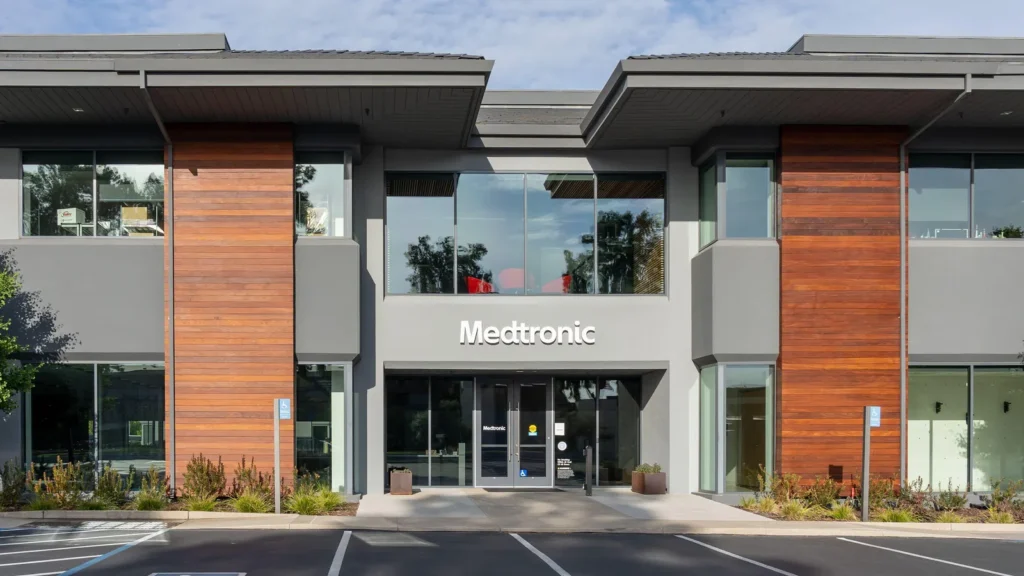
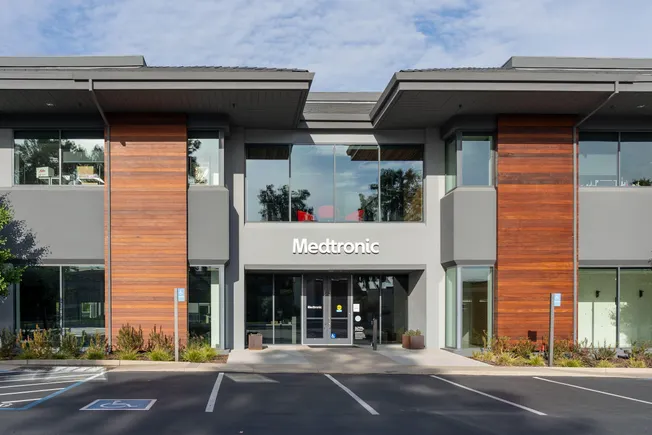
Medtronic, the world’s largest medical technology provider, has finalized the acquisition of SPR Therapeutics, a move designed to bolster its neuromodulation division and capture a larger share of the rapidly expanding peripheral nerve stimulation (PNS) market. The deal, valued at approximately $650 million, represents a cornerstone of Medtronic’s broader "offensive" mergers and acquisitions strategy, aimed at pivoting the company toward high-growth segments within the healthcare sector. By integrating SPR Therapeutics’ flagship SPRINT PNS System into its portfolio, Medtronic aims to offer a non-opioid, minimally invasive alternative for patients suffering from chronic and acute pain, a market currently estimated to be growing at more than 20% annually.
The acquisition comes at a critical juncture for Medtronic’s neuromodulation business. During a June earnings call, Chief Financial Officer Thierry Piéton emphasized that neuromodulation is a "strategic focus and investment" area for the company. While Medtronic reported low-single-digit growth in this sector for its fiscal fourth quarter ending in April, the addition of SPR Therapeutics is expected to provide a significant catalyst for revenue acceleration. The $650 million price tag aligns with Piéton’s previous assertions that the company’s "sweet spot" for acquisitions lies in the $1 billion to $3 billion range, though smaller, highly specialized deals like the SPR takeover are viewed as essential for filling technological gaps and entering niche, high-velocity markets.
The Evolution of the SPRINT PNS System
SPR Therapeutics, based in Cleveland, Ohio, has spent years developing and refining its SPRINT Peripheral Nerve Stimulation System. The technology is distinct from traditional spinal cord stimulators (SCS) because it is designed for temporary use rather than permanent implantation. The SPRINT system consists of a thin wire lead placed percutaneously (through the skin) near a target peripheral nerve and an external pulse generator that delivers electrical stimulation to disrupt pain signals.

The regulatory journey for the SPRINT device has been marked by steady progression and clinical validation. In 2017, SPR Therapeutics received 510(k) clearance from the U.S. Food and Drug Administration (FDA) for an updated version of the SPRINT device. This iteration was a significant advancement over its predecessor, the Smartpatch device, as it doubled the duration of therapy from 30 days to 60 days. This 60-day window is considered a "sweet spot" in clinical pain management, providing enough time to "re-train" the nervous system and offer long-lasting relief without the complications or costs associated with permanent surgical implants.
Unlike permanent stimulators, which require a battery to be surgically buried under the skin, the SPRINT system is removed entirely after the two-month treatment period. This makes it an attractive option for patients who are hesitant about permanent surgery or for physicians looking for a bridge between conservative treatments, such as physical therapy, and more invasive interventions.
Clinical Data and Long-Term Efficacy
One of the primary drivers behind Medtronic’s interest in SPR Therapeutics is the robust body of clinical evidence supporting the SPRINT system. In an era where healthcare payers and providers demand value-based outcomes, the SPRINT system has demonstrated statistically significant results across multiple indications, particularly in chronic low back pain.
A major multicenter clinical trial, funded in part by the U.S. Department of Defense (DoD) and SPR Therapeutics, recently published findings in the journal Pain Medicine. The study compared the SPRINT system to standard interventional management for chronic low back pain. At the three-month mark—one month after the device was removed—the researchers found that patients treated with the SPRINT system experienced significantly greater pain relief and functional improvement than those in the control group. This data was particularly impactful because it suggested that the benefits of the 60-day stimulation persisted well after the treatment had concluded.
Furthermore, a follow-up paper published in early 2025 indicated that these benefits are not merely short-term. The study, which followed patients for up to five years post-treatment, reported that a substantial percentage of participants maintained significant pain reduction without requiring additional invasive procedures or escalating doses of opioid medications. This "legacy effect" of peripheral nerve stimulation is a key selling point for Medtronic as it markets the device to a healthcare system struggling with the long-term management of chronic pain.
Pooled results from 13 separate clinical studies have reinforced these findings. According to data compiled by SPR Therapeutics, approximately 60% of patients achieved a 50% or greater reduction in pain intensity by the end of the 60-day treatment cycle. Such high success rates in a difficult-to-treat population have positioned the SPRINT system as a leader in the PNS category.
Medtronic’s Strategic M&A "Offense"
The acquisition of SPR Therapeutics is part of a deliberate shift in Medtronic’s corporate strategy. After a period of internal restructuring and navigating the supply chain disruptions of the post-pandemic era, Medtronic leadership has signaled a return to aggressive business development. CFO Thierry Piéton famously noted during a Leerink event in March that the company is "back on offense in M&A."
This offensive posture is characterized by a series of acquisitions and strategic partnerships aimed at diversifying Medtronic’s revenue streams and ensuring it remains at the forefront of medical innovation. In the neuromodulation space alone, Medtronic has not limited its expansion to SPR Therapeutics. The company recently inked a distribution deal with Merit Medical Systems to market the ViaVerte basivertebral nerve ablation system. This FDA-cleared technology targets chronic low back pain through a different mechanism—thermal ablation of the basivertebral nerve—thereby providing Medtronic with a comprehensive suite of solutions for back pain management.
Beyond neuromodulation, Medtronic’s recent shopping spree has touched several other high-growth sectors:
- CathWorks: Medtronic acquired CathWorks for $585 million to integrate its FFRangio system, which uses artificial intelligence and image processing to assess coronary artery disease without the need for invasive pressure wires.
- Scientia Vascular: The $550 million takeover of Scientia Vascular strengthened Medtronic’s neurovascular portfolio, specifically in the realm of guidewires and microcatheters used in stroke treatment and other endovascular procedures.
- Strategic Investments: Medtronic has also placed "bets" on emerging technologies through investments in Beluga Medical and CardioACC, companies focused on cardiac ablation and advanced cardiovascular interventions.
These moves collectively illustrate a strategy of "buying growth." By acquiring companies that are already established in markets growing at double-digit rates, Medtronic can offset slower growth in its more mature, "legacy" business lines, such as traditional pacemakers or basic surgical instruments.

Implications for the Pain Management Market
The integration of SPR Therapeutics into the Medtronic ecosystem is expected to have far-reaching implications for the pain management market. For decades, the industry was dominated by spinal cord stimulation. However, the rise of peripheral nerve stimulation (PNS) has provided a more targeted approach for localized pain in the limbs, shoulders, and lower back.
The SPRINT system’s 60-day protocol addresses a significant gap in the "continuum of care." Currently, patients often jump from conservative treatments (NSAIDs, physical therapy) to permanent implants. Medtronic can now offer a mid-tier solution that is less daunting for the patient and less costly for the insurer. From a competitive standpoint, this puts pressure on other major players in the neuromodulation space, such as Abbott, Boston Scientific, and Nevro. While these competitors have their own PNS or SCS offerings, Medtronic’s massive global sales force and existing relationships with interventional pain physicians give it a distinct advantage in scaling the SPRINT technology.
Furthermore, the acquisition aligns with the global medical community’s push to reduce reliance on opioids. The SPRINT system provides a purely electrical, drug-free method of pain control. As regulatory bodies like the FDA and the CDC continue to tighten guidelines on opioid prescriptions, non-pharmacological interventions like PNS are seeing increased adoption and more favorable reimbursement profiles.
Future Outlook and Integration
Looking ahead, the success of the SPR Therapeutics acquisition will depend on Medtronic’s ability to successfully integrate the SPRINT system into its existing sales channels and clinical support infrastructure. Medtronic’s neuromodulation division already has a robust presence in hospitals and specialized pain clinics worldwide. By training its existing sales representatives on the SPRINT system, Medtronic can rapidly expand the device’s reach into geographic markets where SPR Therapeutics, as a smaller private entity, had limited penetration.
Analysts will be closely watching Medtronic’s upcoming quarterly reports to see if the "low-single-digit" growth in neuromodulation begins to trend upward toward the mid-to-high single digits or even double digits. If the SPR acquisition performs as expected, it could serve as a blueprint for future deals in other divisions, such as diabetes care or robotic-assisted surgery.
In summary, Medtronic’s $650 million acquisition of SPR Therapeutics is more than just a product addition; it is a statement of intent. It confirms Medtronic’s commitment to being a leader in the "next generation" of pain management—one that is minimally invasive, clinically proven, and focused on high-growth technology. As the company continues its M&A offensive, the medical device industry can expect Medtronic to remain a dominant force in shaping the future of patient care through strategic consolidation and technological innovation.