



The landscape of modern medicine is undergoing a profound transformation, driven by a new generation of physicians who balance rigorous clinical standards with a commitment to digital transparency and community engagement. At the forefront of this shift is Sehrish Waheed, MD, an endocrinologist based in Las Vegas, Nevada, whose professional journey reflects the increasingly integrated nature of medical education, patient advocacy, and digital communication. Known to thousands of social media followers as "@NoSugarMD," Dr. Waheed has utilized her platform not merely for personal branding, but as a strategic tool to humanize the medical profession, combat health misinformation, and provide a window into the arduous process of achieving board certification in one of internal medicine’s most complex subspecialties.
The Path to Certification: Navigating the ABIM Endocrinology Board Exam
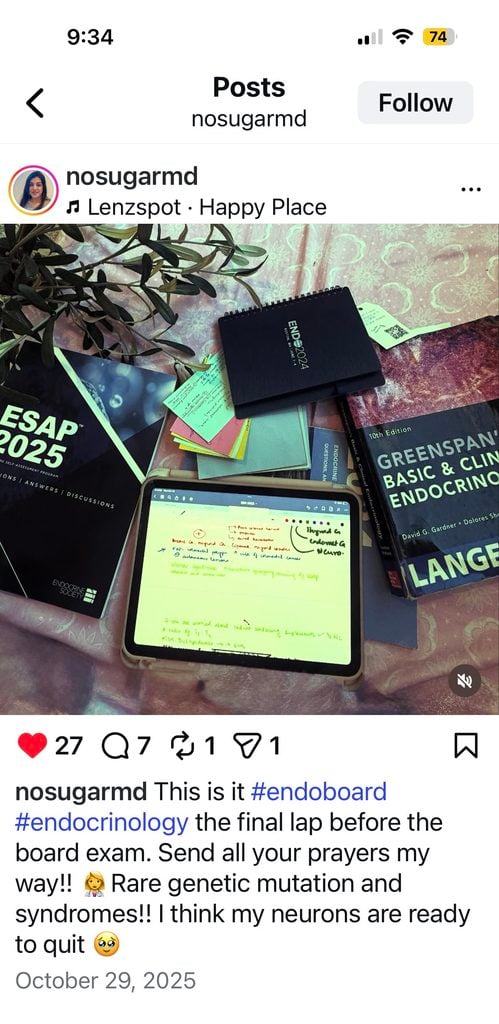
In the fall of 2024, Dr. Waheed’s professional life was defined by the intense preparation required for the American Board of Internal Medicine (ABIM) Endocrinology, Diabetes, and Metabolism certification exam. This examination is a critical milestone for any endocrinologist, serving as the definitive validation of their clinical knowledge and diagnostic acumen. The ABIM certification process is notoriously demanding, requiring candidates to demonstrate mastery across a broad spectrum of disorders, including adrenal, bone, and pituitary health, as well as the management of diabetes and lipid disorders.
According to data from the ABIM, the first-time pass rate for the Endocrinology, Diabetes, and Metabolism certification exam typically fluctuates between 85% and 90%. However, the breadth of the material means that even high-performing fellows must dedicate months to structured study. Dr. Waheed’s approach to this challenge was characterized by both traditional rigor and modern connectivity. By sharing her study progress on Instagram, she provided a rare look at the "hidden curriculum" of medical training—the late hours and exhaustive resource management that precede professional accolades.
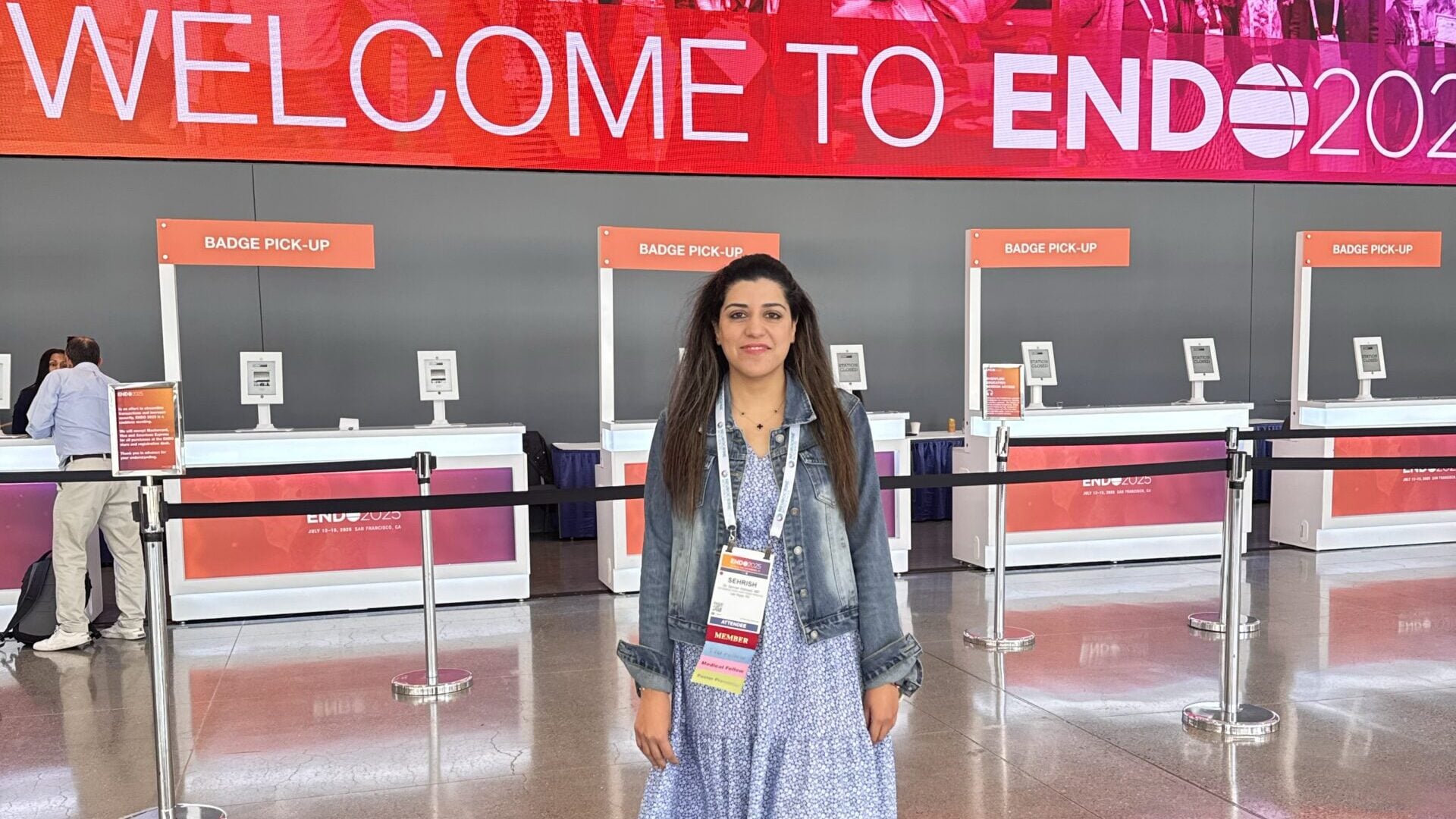
Central to her preparation were the resources provided by the Endocrine Society, a global organization representing over 18,000 educators, researchers, and clinicians. Dr. Waheed specifically highlighted the Endocrine Board Review (EBR) program, which includes interactive practice exams, sample cases, and the comprehensive EBR reference book. These materials are designed to mirror the format and difficulty of the actual board exam, providing a structured framework for fellows to identify and bridge gaps in their knowledge.
Chronology of a Medical Career: From Fellowship to Clinical Practice
Dr. Waheed’s trajectory into specialized medicine followed a traditional yet accelerated timeline. She completed her endocrinology fellowship at MountainView Hospital in Las Vegas, a period during which she began integrating the Endocrine Society’s pedagogical tools into her daily routine. Her strategy involved early immersion; rather than waiting for the final months of her fellowship to begin board preparation, she engaged with Endocrine Self-Assessment Program (ESAP) questions and in-training examinations from the outset of her three-year program.
In August 2025, following the completion of her fellowship, Dr. Waheed joined Platinum Hospitalists in Las Vegas as a practicing endocrinologist. This transition from trainee to attending physician is often cited as the most significant hurdle in a medical career, as it requires a shift from supervised learning to autonomous decision-making. For Dr. Waheed, the continuity provided by professional societies and the mentorship networks she cultivated during her training proved essential in navigating this transition.
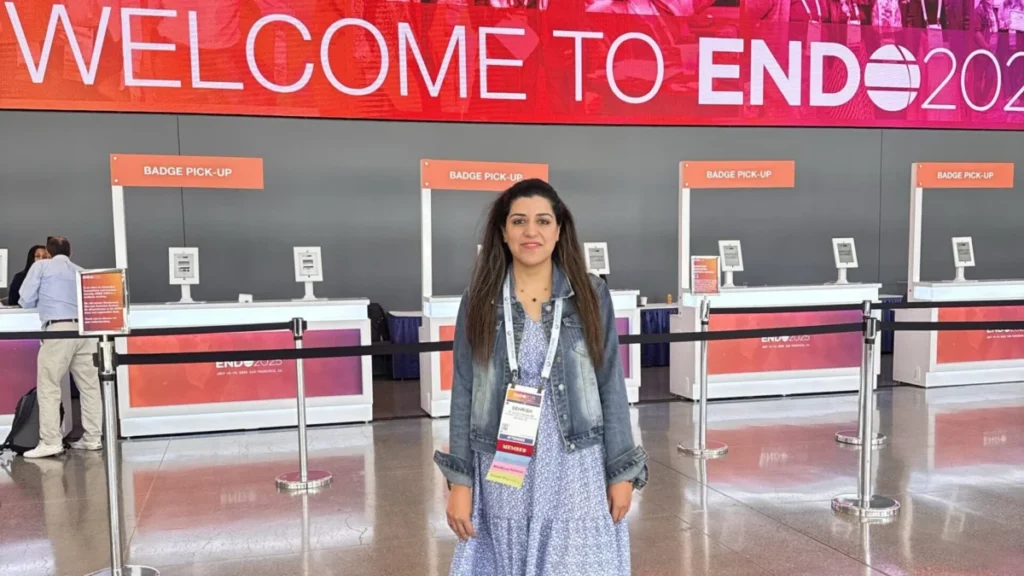
Her attendance at the ENDO 2025 conference in San Francisco further solidified her standing in the field. Such conferences serve as the primary venue for the dissemination of new clinical guidelines and groundbreaking research. For early-career physicians, these events are also vital for networking, allowing them to connect with established experts and peers from across the globe.
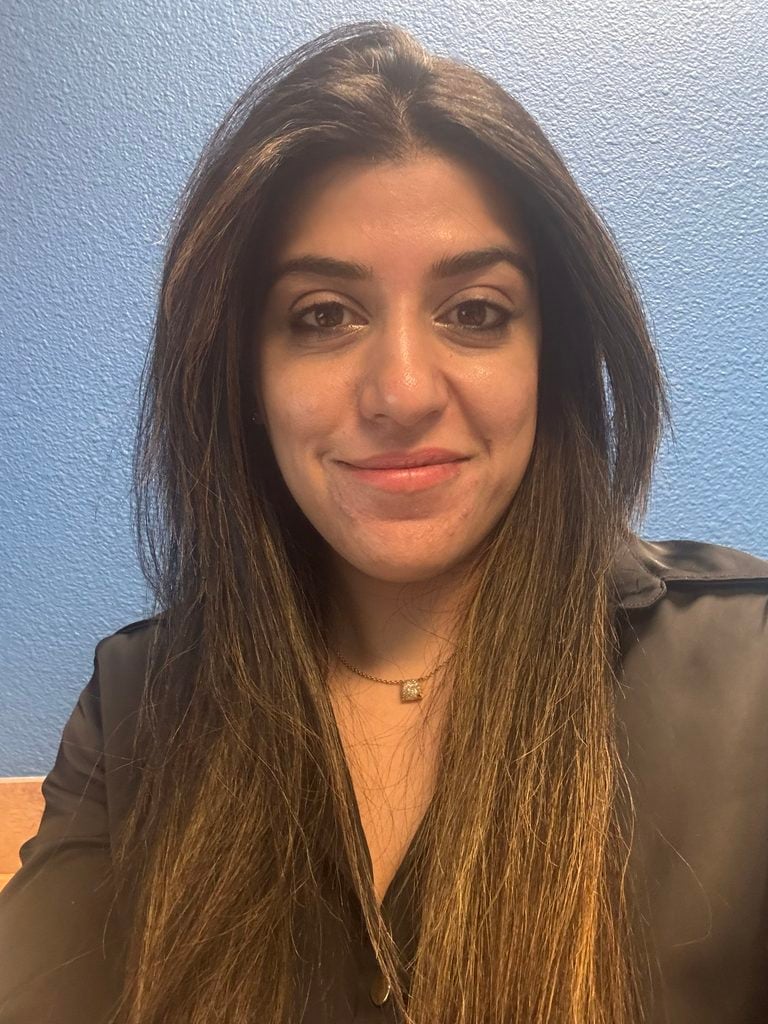
The Digital Physician: Leveraging Social Media for Patient Education
A distinctive element of Dr. Waheed’s professional identity is her active presence on social media. While many physicians view platforms like Instagram with skepticism, Dr. Waheed views digital blogging as an extension of the exam room. The "MedEd" (Medical Education) movement on social media has grown significantly over the last decade, as healthcare professionals seek to counteract the "infodemic" of health-related misinformation.
Dr. Waheed’s digital strategy is two-fold: providing evidence-based medical information and humanizing the physician-patient relationship. In her interactions, she often addresses common misconceptions regarding metabolic health, such as the nuances of insulin resistance and the evolving nomenclature of hormonal disorders. A notable example is the transition from the term Polycystic Ovary Syndrome (PCOS) to Polyendocrine Metabolic Ovarian Syndrome (PMOS), a change that reflects a more accurate understanding of the condition as a systemic metabolic disorder rather than a localized gynecological issue.
By sharing glimpses of her personal life—including her own struggles with maintaining a healthy lifestyle amidst a demanding professional schedule—Dr. Waheed fosters a sense of relatability. This transparency is particularly effective in endocrinology, a field where patient outcomes are heavily dependent on long-term lifestyle modifications and chronic disease management. When patients see their physician as a fellow human navigating similar challenges, the barriers of clinical intimidation are often lowered, leading to improved communication and treatment adherence.
Addressing the Crisis of Obesity Stigma
Dr. Waheed has identified the mitigation of obesity stigma as a primary clinical focus. Obesity is a chronic, relapsing disease that affects over 40% of the adult population in the United States, according to the Centers for Disease Control and Prevention (CDC). Despite its prevalence, patients with obesity frequently encounter "weight bias" within the healthcare system, which can lead to delayed diagnoses, poorer quality of care, and psychological distress.
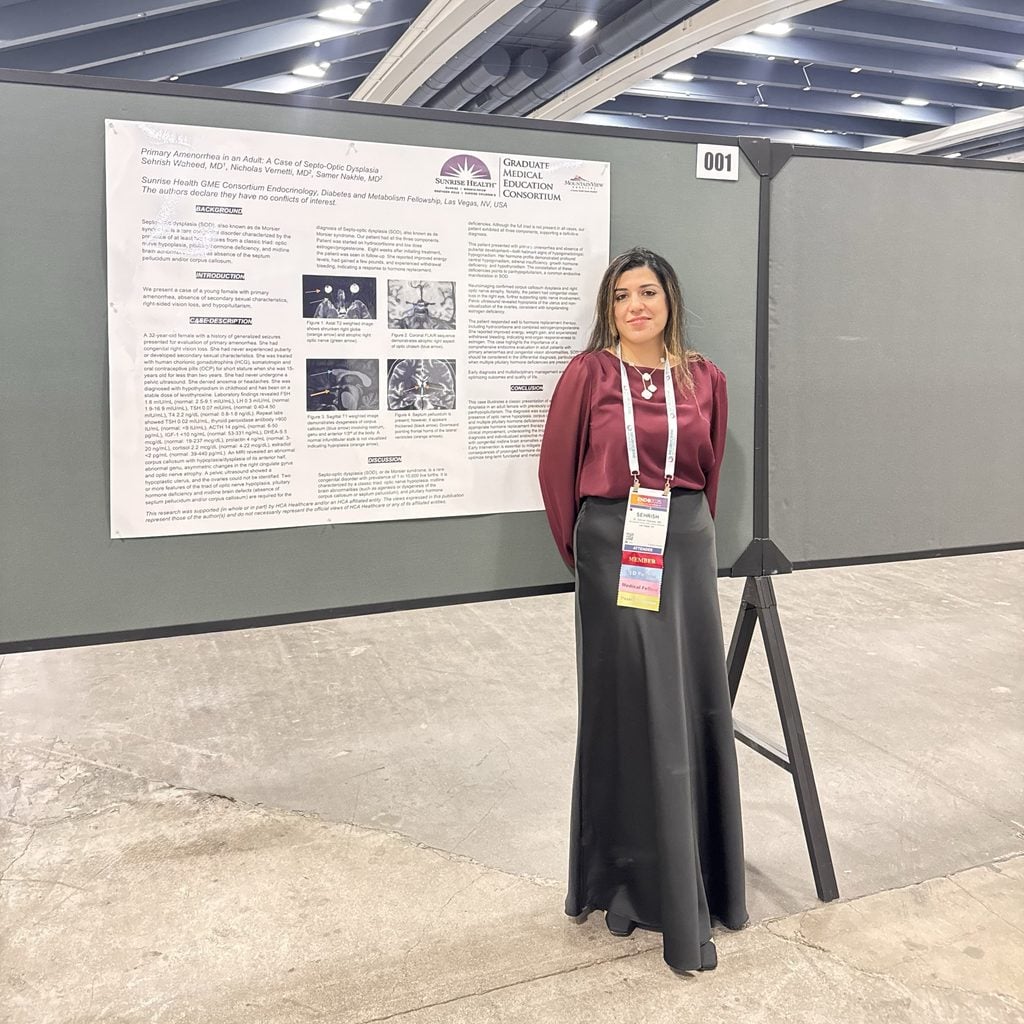
Dr. Waheed’s commitment to building trusting, non-judgmental relationships is a direct response to this systemic issue. Research indicates that when patients feel judged by their healthcare providers due to their weight, they are less likely to seek preventative care and more likely to engage in "doctor shopping" or avoid medical appointments altogether. By explicitly stating her commitment to a stigma-free practice, Dr. Waheed creates a "medical home" where patients feel empowered to discuss their metabolic health without fear of reprimand.
The clinical implications of this approach are significant. Effective obesity management often requires a combination of behavioral therapy, nutritional counseling, and, in many cases, pharmacotherapy (such as GLP-1 receptor agonists). These interventions are most successful when delivered within a framework of mutual respect and shared decision-making. Dr. Waheed’s focus on the "human side" of medicine allows her to address the psychological barriers that often impede metabolic recovery.
The Role of Professional Societies in Early-Career Support
The support of the Endocrine Society has been a cornerstone of Dr. Waheed’s professional development. Beyond providing study materials, the Society offers specialized programs such as the Diabetes Type 1 and Obesity Fellow Programs. These initiatives are designed to provide deep-dive expertise in specific areas of endocrinology that are currently facing a high demand for specialists.
Mentorship is another critical component. Through the Endocrine Society’s mentorship programs, early-career physicians like Dr. Waheed are paired with seasoned professionals who provide guidance on everything from clinical complex cases to career advancement. Dr. Waheed has noted that the Society’s efforts to recognize and support young physicians, even those with relatively small digital footprints, foster a sense of belonging and professional value.
This institutional support is vital at a time when the physician workforce is facing high rates of burnout. According to recent surveys, nearly 50% of physicians report symptoms of burnout, often driven by administrative burdens and a lack of professional community. By providing a platform for connection and recognition, professional societies act as a buffer against these stressors.
Analysis: The Future of the Endocrinologist-Patient Relationship
Dr. Sehrish Waheed’s approach provides a blueprint for the future of the specialty. The integration of digital advocacy, specialized clinical focus, and active participation in professional organizations represents a holistic model of modern medical practice. As healthcare continues to move toward a more patient-centric model, the ability of physicians to communicate effectively across multiple channels—both in-person and digital—will become increasingly paramount.
Furthermore, the emphasis on reducing stigma in chronic disease management reflects a broader shift in medicine toward addressing the social determinants of health and the psychological impact of chronic illness. By combining the high-level expertise required for ABIM certification with the empathy required to navigate complex patient histories, Dr. Waheed exemplifies the dual nature of modern medicine: it is both a rigorous science and a deeply personal art.
As she continues her practice at Platinum Hospitalists, the impact of her work will likely be measured not just by the clinical outcomes of her patients, but by the community of trust she has built online and in her clinic. In an era where the doctor-patient relationship is often strained by the pressures of the modern healthcare system, the efforts of physicians like Dr. Waheed to remain approachable, informed, and advocacy-driven provide a necessary path forward for the field of endocrinology.