


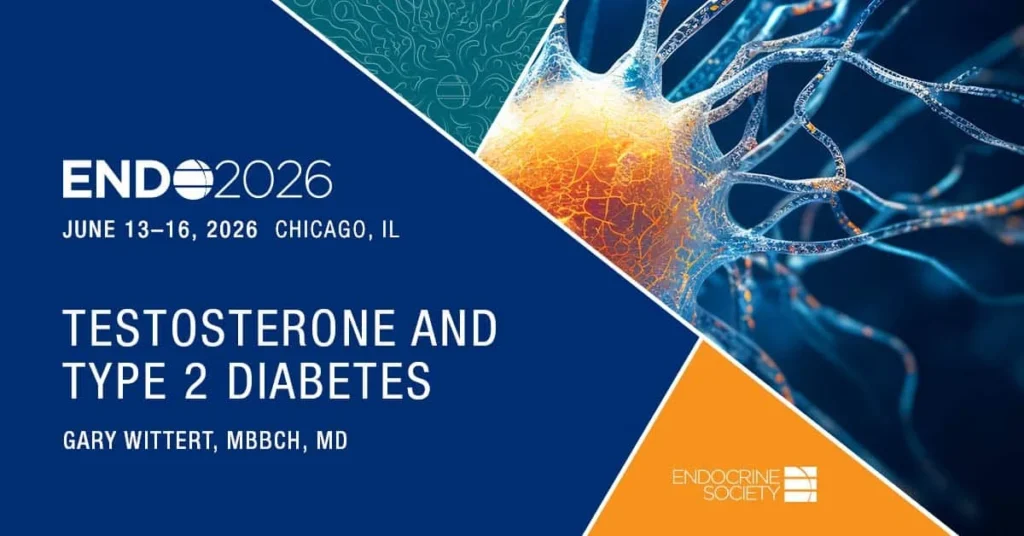
The global healthcare landscape is currently grappling with a dual epidemic: a surge in type 2 diabetes and a rising prevalence of age-related metabolic decline in men. New research presented at the ENDO conference by Gary Wittert, MBBch, MD, of the University of Adelaide, has provided critical insights into how testosterone therapy might serve as a tool in this fight, while simultaneously issuing a stark warning that medication cannot replace foundational lifestyle changes. The study, which followed a subset of participants for four years, suggests that while testosterone can improve body composition and sexual desire, its ability to manage glucose metabolism is significantly hampered without the support of a structured diet and exercise program.
As the medical community seeks more effective ways to manage prediabetes and early-stage type 2 diabetes, the role of hormonal intervention has become a subject of intense scrutiny. The latest findings underscore a holistic approach to men’s health, suggesting that clinicians must view metabolic health, waist circumference, and testosterone levels as deeply interconnected rather than isolated clinical issues.
The Growing Crisis of Type 2 Diabetes and Prediabetes
To understand the significance of Dr. Wittert’s research, one must first consider the scale of the metabolic health crisis. In the United States alone, more than 40 million people have been diagnosed with type 2 diabetes. Perhaps more concerning is the estimated 115 million adults living with prediabetes—a condition where blood sugar levels are higher than normal but not yet high enough to be classified as type 2 diabetes. Globally, hundreds of millions are affected, with the diagnosis most frequently occurring in adults aged 45 and older.
The pathophysiology of type 2 diabetes in older men is often characterized by a "vicious cycle" involving central obesity (abdominal fat), the loss of skeletal muscle mass (sarcopenia), and declining testosterone levels. Abdominal fat is metabolically active, secreting inflammatory cytokines that promote insulin resistance. This resistance makes it harder for the body to process glucose, leading to elevated blood sugar. Simultaneously, low testosterone can lead to decreased muscle mass, which is the primary site for glucose disposal in the body. The research presented by Dr. Wittert aims to determine if breaking this cycle via testosterone replacement can offer a sustainable path toward diabetes prevention.
Chronology of the T4DM Research
The new findings are an extension of the landmark "Testosterone for the Prevention of Type 2 Diabetes Mellitus" (T4DM) study. Originally published in 2021, the T4DM study was a large-scale, randomized, double-blind, placebo-controlled trial. It initially involved 1,007 men between the ages of 50 and 74. All participants were either at high risk of developing type 2 diabetes or had been newly diagnosed.
During the first two years of the original T4DM study, all participants were enrolled in a structured lifestyle program, which included access to the Weight Watchers (now WW) program. The results at the two-year mark were promising: men who received testosterone injections in addition to the lifestyle program were significantly less likely to have type 2 diabetes compared to those who received a placebo and the lifestyle program alone.
The recent sub-study extended this research by following 121 of these participants for an additional two years, bringing the total observation period to four years. Crucially, during this second two-year phase, the participants elected to continue their blinded treatment (either testosterone or placebo) but were no longer actively enrolled in the structured lifestyle program. This shift allowed researchers to observe whether the benefits of testosterone could be maintained through pharmacology alone.
Analyzing the Four-Year Data: Successes and Shortfalls
The results of the four-year follow-up provide a nuanced picture of testosterone’s long-term efficacy. The study examined several key metrics: blood sugar control, body composition (fat and muscle mass), sexual function, and overall safety.
Glucose Metabolism and Blood Sugar Control
The most significant finding regarding glucose metabolism was that the benefits peaked during the initial two-year period—when the lifestyle program was active. By the fourth year, after the structured lifestyle support had ceased, the improvements in blood sugar control began to diminish. While the testosterone group still maintained better blood sugar levels than the placebo group, the trajectory suggested that the hormone’s protective effect against diabetes is not permanent or self-sustaining.
Body Composition: Muscle and Fat
One of the more consistent benefits of testosterone therapy was its impact on body composition. Over the four-year period, men in the testosterone group maintained a reduction in fat mass and an increase in skeletal muscle mass. This is a critical finding because "central obesity" is one of the primary drivers of insulin resistance. By maintaining a more favorable muscle-to-fat ratio, testosterone helps preserve the body’s metabolic machinery, even if the direct impact on blood sugar begins to wane without dietary discipline.
Sexual Desire and Quality of Life
The study confirmed that testosterone treatment improved sexual desire, and this benefit was maintained throughout the four-year duration. However, the researchers noted a surprising disconnect: despite improvements in body composition and sexual desire, testosterone did not clearly improve the overall quality of life compared to the placebo group. At both the two-year and four-year marks, self-reported quality of life scores remained similar between the two groups. This suggests that while hormonal therapy can address specific physiological symptoms, the broader psychological and social factors that contribute to a person’s sense of well-being are not easily corrected by a single intervention.
The Necessity of Lifestyle Synergy
Dr. Wittert’s primary conclusion is that testosterone should not be viewed as a "magic bullet" for metabolic health. “Testosterone treatment alone is not a replacement for lifestyle intervention, weight management, or standard diabetes prevention,” Wittert stated. The data suggests that the hormone acts as an "enhancer" rather than a "replacement."
When paired with a lifestyle program, testosterone helps men lose more fat and gain more muscle than they would through diet and exercise alone. This improved physique then makes it easier for the body to manage glucose. However, once the "lifestyle" pillar is removed, the pharmacological intervention struggles to carry the full weight of diabetes prevention. Dr. Wittert emphasized that ongoing engagement in structured weight management is "extremely important" for maintaining the metabolic advantages provided by testosterone.
Safety and Clinical Implications
For years, there has been significant debate within the medical community regarding the safety of long-term testosterone replacement therapy (TRT), particularly concerning cardiovascular health and prostate cancer risk. The T4DM sub-study offered some reassurance in this regard, reporting that no new safety concerns were identified over the four-year period.
This safety profile, combined with the metabolic findings, suggests a shift in how clinicians should approach men’s health. Rather than treating low testosterone, obesity, and high blood sugar as three separate problems, Dr. Wittert argues they should be viewed as a "connected issue."
For a clinician, this means that a man presenting with a large waist circumference and prediabetes should likely have his testosterone levels checked. Conversely, a man seeking treatment for low sexual desire should be screened for metabolic syndrome. The study encourages a more integrated diagnostic approach where the goal is not just to "fix a number" on a lab report, but to restore the patient’s overall metabolic health through a combination of hormonal support and behavioral change.
Broader Impact on Public Health Policy
The implications of this research extend beyond the doctor’s office and into the realm of public health. With the cost of diabetes care reaching hundreds of billions of dollars annually, prevention strategies that actually work over the long term are high priorities for healthcare systems.
The T4DM research suggests that for a specific demographic—men over 50 with central obesity and high diabetes risk—a multi-modal approach is the most effective. Public health initiatives might find more success by subsidizing combined programs that offer both metabolic medications (like testosterone or GLP-1 agonists) and structured lifestyle support.
Furthermore, the study highlights the difficulty of maintaining lifestyle changes. The fact that glucose benefits diminished once the formal program ended suggests that "lifestyle intervention" cannot be a short-term fix; it must be a permanent shift in behavior. For healthcare providers, this underscores the need for long-term support systems, such as health coaching or community-based fitness programs, to ensure that the initial gains made during treatment are not lost.
Conclusion
The four-year data from the T4DM sub-study serves as a vital update to our understanding of male endocrinology and metabolic disease. It validates testosterone as a powerful tool for improving body composition and sexual health in older men at risk for diabetes, but it also defines the limits of that power.
As Dr. Wittert and his team have demonstrated, the path to preventing type 2 diabetes in men is not found in a syringe alone. It requires a sustained commitment to the fundamentals of health: a nutritious diet, regular physical activity, and weight management. For the millions of men currently at risk, testosterone may provide the physiological boost needed to jumpstart their health, but the lifestyle program remains the engine that will keep them moving toward a diabetes-free future.