







The Endocrine Society, a premier global organization representing over 18,000 professionals in the field of hormone research and clinical endocrinology, has unveiled a comprehensive suite of initiatives designed to bolster the endocrine research community. Amidst a shifting landscape of scientific funding and institutional support, the Society is intensifying its efforts to assist researchers at every stage of their careers, from graduate students to senior faculty. These efforts are structured around a central "three-prong" strategy: Presenting, Publishing, and Mentorship. By providing financial resources, high-impact publication platforms, and structured professional development, the organization aims to ensure the continued growth and stability of the endocrine research pipeline, ultimately advancing the understanding of hormone-related conditions such as diabetes, obesity, and thyroid disorders.
The Financial Landscape of Modern Research: A Strategic Response
The current environment for scientific research is characterized by both immense discovery potential and significant financial volatility. According to data from the National Institutes of Health (NIH), while total funding has seen incremental increases, the competition for R01 grants—the gold standard for independent research—remains fierce, with success rates often hovering below 20% in many institutes. For early-career researchers and those in specialized fields like endocrinology, this "funding cliff" can jeopardize the transition from fellowship to independent investigation.
Recognizing these hurdles, the Endocrine Society’s Board of Directors recently approved a significant one-year expansion of the ENDO 2026 travel grant programs. This initiative is specifically designed to alleviate the financial burden of attending the Society’s annual meeting, which serves as a critical nexus for knowledge exchange. The expanded funding will facilitate the participation of a broader demographic of scientists, ensuring that financial constraints do not silence emerging voices in the field.
Prong One: Presenting at ENDO 2026 and the ENDOExpo
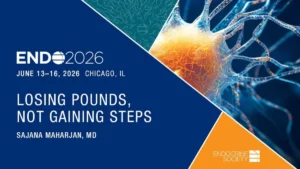
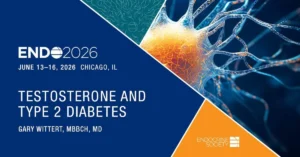
The pinnacle of the Society’s annual calendar is ENDO, the world’s largest gathering of endocrinologists and endocrine scientists. Scheduled for June 13–16, 2026, in Chicago, Illinois, the event is expected to draw thousands of participants from across the globe. Chicago, a major hub for biomedical research and home to prestigious institutions such as the University of Chicago and Northwestern University, provides a fitting backdrop for the unveiling of cutting-edge data.
A central feature of this gathering is the ENDOExpo, a massive forum where more than 2,500 abstracts are typically presented during poster sessions. These sessions allow researchers to receive immediate feedback from peers and leaders in the field, fostering the collaborative environment necessary for scientific breakthroughs. To further enhance the visibility of these researchers, the Society has integrated modern digital outreach into the presentation process. Selected members who submit abstracts are given the opportunity to participate in video interviews, which are then disseminated across the Society’s social media channels. In previous years, these videos have garnered thousands of views, bridging the gap between specialized academic discourse and public awareness.
Prong Two: Publishing Excellence and Research Integrity
The second prong of the Society’s mission focuses on the dissemination of peer-reviewed research. Since 1917, the Endocrine Society has been at the forefront of medical publishing, documenting milestones ranging from the discovery of insulin to the mapping of complex hormonal signaling pathways.
Today, the Society manages a suite of high-impact journals, including the Journal of Clinical Endocrinology & Metabolism (JCEM) and the Journal of the Endocrine Society (JES). The latter, an open-access publication, plays a vital role in the Society’s presentation strategy. Abstracts accepted for ENDO 2026 are published in a supplement of JES, with each being assigned a Digital Object Identifier (DOI). This ensures that the research is not only accessible but also citable and permanent within the global scientific record.
For research members, the publishing process is supported by reduced production costs for accepted manuscripts, a significant benefit given the rising costs of open-access publishing. Furthermore, the Society emphasizes a rigorous peer-review process led by recognized thought leaders. This commitment to research integrity ensures that the data driving clinical decisions and further basic science is both accurate and reproducible.
Prong Three: Mentorship and the Future Leaders Pipeline
The long-term health of the endocrine field depends on the successful cultivation of new talent. The third prong, Mentorship, addresses the "leaky pipeline" in STEM—a phenomenon where promising students and fellows exit the research track due to a lack of support or career clarity.
Two flagship programs define this effort: the Research Experiences for Graduate and Medical Students (REGMS) and the Future Leaders Advancing Research in Endocrinology (FLARE) program.
- REGMS: This program targets the earliest stages of the professional journey. It offers graduate and medical students a chance to engage in collaborative lab work and build professional networks. By providing year-round activities and expert mentorship, REGMS aims to solidify a student’s commitment to endocrinology before they make final career specializations.
- FLARE: Designed for graduate students, postdoctoral fellows, clinical fellows, and junior faculty, FLARE focuses on the transition to independence. The program provides specific training in leadership skills and the administrative aspects of running a research lab—skills that are rarely taught in standard doctoral programs but are essential for long-term success. The upcoming FLARE workshop, scheduled for March 26–28, 2024, represents a critical milestone for this year’s cohort.
Chronology of Upcoming Milestones
The Endocrine Society has established a clear timeline for its upcoming initiatives, reflecting a disciplined approach to community growth:
- March 26–28, 2024: The FLARE workshop convenes to provide leadership training to the next generation of endocrine investigators.
- Fall 2024: The Basic Science Summit on Nuclear Receptors will be held in Chicago. This summit will focus on the proteins within cells responsible for sensing steroid and thyroid hormones, a field that has seen rapid advancements in drug targeting.
- January 2025: Anticipated opening for abstract submissions for the 2026 cycle, accompanied by travel grant applications.
- June 13–16, 2026: ENDO 2026 takes place in Chicago, marking the culmination of two years of expanded financial and professional support initiatives.
Broader Impact: Why Endocrine Research Matters
The implications of the Endocrine Society’s support extend far beyond the laboratory. Endocrinology is a "cross-cutting" discipline; hormonal systems regulate almost every aspect of human physiology, from metabolism and growth to reproduction and stress response. As global health challenges like the obesity epidemic and the rising incidence of endocrine-disrupting chemicals (EDCs) in the environment grow more complex, the need for robust basic science becomes more urgent.
By supporting basic researchers—those working at the "bench"—the Society ensures a steady flow of discoveries that clinical researchers can then translate to the "bedside." For example, the development of new GLP-1 receptor agonists, which have revolutionized the treatment of type 2 diabetes and obesity, is the direct result of decades of basic endocrine research.
Analysis of the Societal and Professional Implications
The Society’s decision to expand travel grants and mentorship programs is a proactive response to the "Great Resignation" and the "Quiet Quitting" trends that have affected the broader workforce, including academia. By fostering a sense of community and providing tangible financial benefits, the Society is working to retain talent that might otherwise be lost to the private sector or other medical specialties.
Furthermore, the focus on diversity within programs like FLARE and REGMS addresses a historical imbalance in scientific leadership. By ensuring that researchers from various backgrounds have the tools to succeed, the Society is enriching the field with a broader range of perspectives, which is essential for tackling health disparities in hormone-related diseases.
Conclusion: Investing in a Healthier Tomorrow
The Endocrine Society’s three-pronged approach—Presenting, Publishing, and Mentorship—represents a holistic investment in the scientific ecosystem. By lowering the barriers to entry for young scientists and providing a rigorous, high-visibility platform for established researchers, the organization is not merely supporting individuals; it is safeguarding the future of hormone health.
As the Society looks toward its 2026 meeting in Chicago and its various summits and workshops in the interim, the focus remains clear: scientific discovery is the engine of medical progress. In a world of funding uncertainty, the Society’s commitment to its members serves as a vital stabilizing force, ensuring that the next major milestone in endocrine science is not delayed by a lack of resources or guidance. Through these strategic investments, the Endocrine Society continues to uphold its legacy as a cornerstone of the global scientific community, dedicated to a healthier tomorrow through the power of research.