
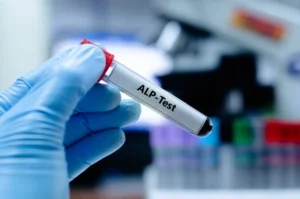






The medical community is intensifying its focus on a frequently overlooked biochemical marker that could be the key to diagnosing a rare and potentially debilitating genetic disorder. On behalf of the Endocrine Society’s Bone and Mineral Special Interest Group (SIG) Steering Committee, Anika Anam, MD, and Azarmindokht Khosravi, MD, have issued a call to action regarding the diagnostic gap in hypophosphatasia (HPP). This initiative precedes a specialized professional webinar scheduled for October 29, 2026, strategically timed to align with World HPP Day on October 30. The movement aims to educate clinicians on the significance of persistently low alkaline phosphatase (ALP) levels, a common laboratory finding that often masks a complex multisystemic disease.
Hypophosphatasia is a rare inherited metabolic disorder characterized by the defective mineralization of bones and teeth. It is caused by loss-of-function mutations in the ALPL gene, which provides instructions for making the enzyme tissue-nonspecific alkaline phosphatase (TNSALP). When TNSALP activity is deficient, several substrates, most notably inorganic pyrophosphate (PPi), accumulate outside of cells. In high concentrations, PPi acts as a potent inhibitor of bone mineralization by preventing the formation of hydroxyapatite crystals, the primary mineral component of bone and tooth enamel. This biochemical failure results in a spectrum of clinical manifestations ranging from neonatal death to adult-onset fragility fractures.
The Biochemical Foundation and Genetic Complexity of HPP
To understand the urgency of the Endocrine Society’s initiative, one must look at the fundamental role of TNSALP in human physiology. Beyond bone mineralization, TNSALP is essential for the activation of vitamin B6 in the brain. The enzyme facilitates the conversion of pyridoxal 5’-phosphate (PLP), the circulating form of vitamin B6, into pyridoxal, which can cross the blood-brain barrier. Once inside the central nervous system, it is reconverted to PLP to serve as a coenzyme for the synthesis of gamma-aminobutyric acid (GABA), the brain’s primary inhibitory neurotransmitter.

A deficiency in this pathway explains why the most severe forms of HPP in infants are often accompanied by vitamin B6-responsive seizures. Recent large-scale genomic screenings have shed new light on the prevalence of this condition. Data published in the Journal of Bone and Mineral Research (JBMR) in 2024 suggests that the carrier frequency for pathogenic or likely pathogenic ALPL gene variants is approximately one in 341 individuals. This indicates that the genetic predisposition to HPP may be more common than previously estimated, even if the full clinical manifestation of the disease remains rare.
The inheritance patterns of HPP add another layer of diagnostic complexity. The disease can be transmitted via autosomal dominant or autosomal recessive patterns. Generally, the most severe forms are recessive, while milder, adult-onset forms are often dominant. However, researchers note that genotype-phenotype correlations are often limited; individuals with the same genetic mutation, even within the same family, can exhibit vastly different clinical severities.
A Chronology of Clinical Recognition and Diagnostic Milestones
The history of HPP recognition has evolved from a rare pediatric curiosity to a recognized adult metabolic bone disease. First described by Dr. John Rathbun in 1948, the condition was initially identified in an infant with rickets-like bone changes and low ALP levels. For decades, it was considered primarily a pediatric specialty. However, the development of sophisticated genetic testing and the 2015 FDA approval of the first targeted enzyme replacement therapy, asfotase alfa, have shifted the clinical landscape toward earlier and more frequent diagnosis across all age groups.
The upcoming Endocrine Society webinar is part of a broader chronological effort to standardize care. In the past decade, the medical community has moved from simple observation to proactive screening. The SIG’s webinar on October 29 serves as a bridge, connecting the latest research with frontline clinical practice. By focusing on the "diagnostic gap," the Endocrine Society acknowledges that many patients spend years, or even decades, seeking an explanation for chronic pain and fractures before HPP is identified.
The Five Clinical Classifications of HPP
Clinicians categorize HPP into five distinct types based on the age at which symptoms first appear. This classification is vital for determining prognosis and management strategies:
- Perinatal HPP: The most severe form, often detectable via prenatal ultrasound. It is characterized by a profound lack of skeletal mineralization and is frequently fatal at birth due to respiratory failure caused by an underdeveloped rib cage.
- Infantile HPP: Symptoms emerge before the age of six months. These infants may present with failure to thrive, rickets-like bone deformities, and craniosynostosis (premature fusion of skull bones), which can lead to increased intracranial pressure.
- Childhood HPP: Manifests after six months of age. Common signs include the premature loss of primary (baby) teeth—specifically the loss of the tooth with the root intact—delayed walking, a "waddling" gait, and chronic muscle or joint pain.
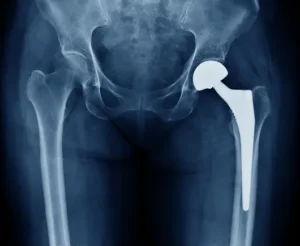
- Adult HPP: Often diagnosed in middle age. Patients may have a history of rickets or early tooth loss in childhood but present as adults with recurrent stress fractures, atypical femoral fractures, or chondrocalcinosis (calcium deposits in the cartilage).
- Odontohypophosphatasia: The mildest form, where the only clinical sign is dental abnormality, such as premature tooth loss or severe dental caries, without the presence of skeletal disease.
Identifying the "Hidden" Diagnosis in Adult Populations
One of the primary challenges highlighted by Dr. Anam and Dr. Khosravi is the frequency with which adult HPP is misdiagnosed. Because symptoms such as muscle weakness, bone pain, and fatigue are non-specific, patients are often incorrectly labeled with conditions like fibromyalgia, chronic fatigue syndrome, or osteoarthritis.

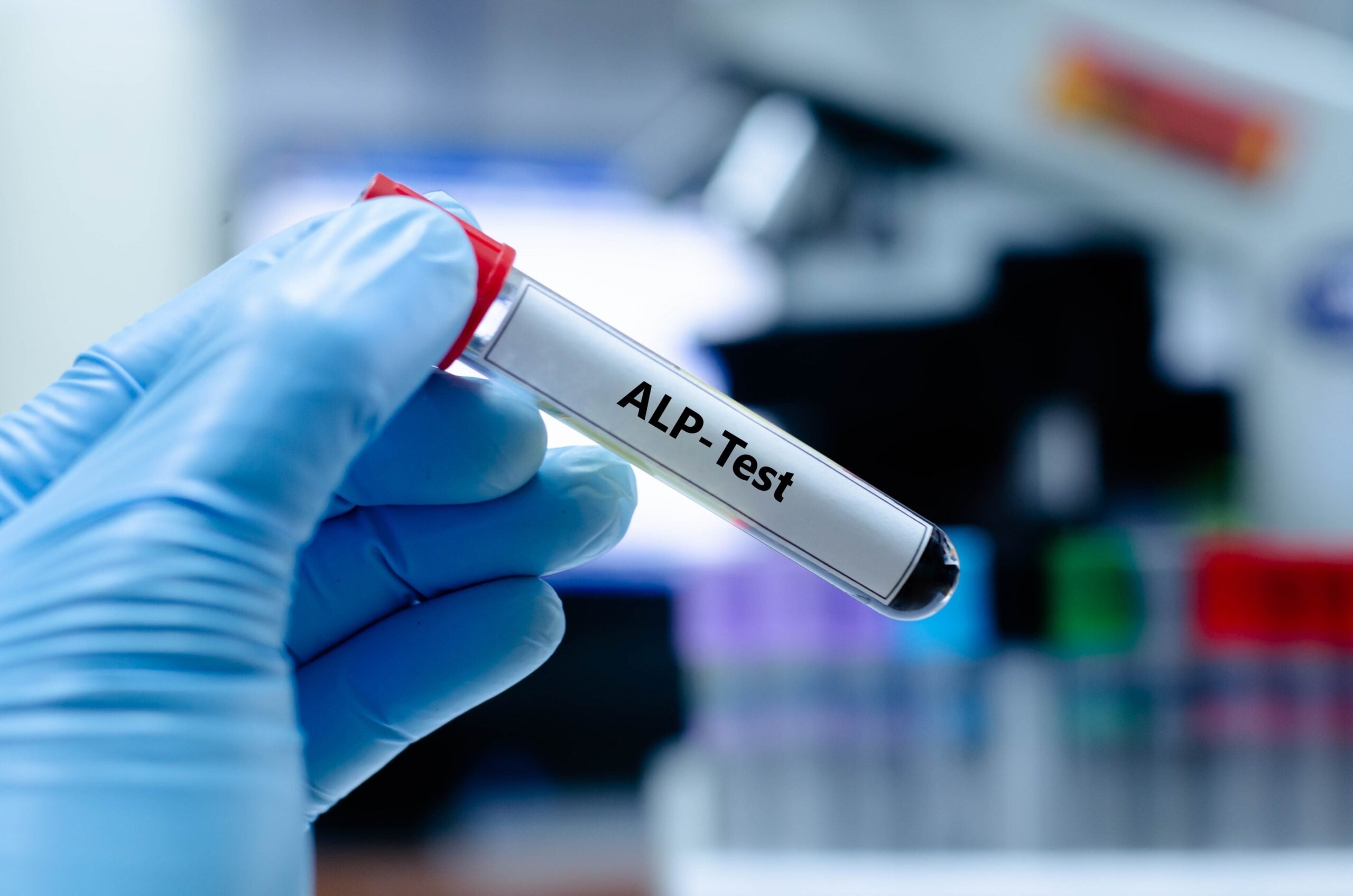
The diagnostic "pearl" emphasized by the SIG Steering Committee is the interpretation of alkaline phosphatase levels. ALP is a standard component of routine metabolic panels, yet low levels are frequently dismissed as clinically insignificant by automated laboratory software or busy practitioners. In many cases, clinicians are trained to look for high ALP as a sign of liver disease or high-turnover bone disease, leaving the lower end of the reference range ignored.
Furthermore, age-adjusted reference ranges are critical. Children naturally have much higher ALP levels due to active bone growth. A "normal" adult level of ALP in a ten-year-old could actually be a sign of HPP. To confirm a diagnosis, physicians are encouraged to measure plasma PLP (vitamin B6) and urinary phosphoethanolamine (PEA). Elevated levels of these substrates, combined with persistently low ALP, provide strong evidence for HPP.
Management Precautions and Multidisciplinary Treatment
Managing HPP requires a nuanced approach that differs significantly from the treatment of more common bone disorders like osteoporosis. A critical warning issued by the Endocrine Society experts involves the use of bisphosphonates. Bisphosphonates, the standard treatment for osteoporosis, work by inhibiting bone resorption. In HPP patients, whose bone turnover is already low, these drugs can further suppress bone metabolism and increase the risk of atypical femur fractures.
The SIG recommends several practical guidelines for HPP care:
- Avoidance of Standard Osteoporosis Meds: Bisphosphonates should be avoided unless HPP has been explicitly ruled out in patients with low ALP.
- Cautious Supplementation: High doses of calcium and vitamin D should be avoided, as HPP patients are at a higher risk for hypercalciuria and nephrocalcinosis (calcium deposits in the kidneys).
- Genetic Counseling: Due to the complex inheritance patterns, referral to a genetic counselor is recommended for affected families.
- Surgical Considerations: Orthopedic interventions for HPP-related fractures may require specialized techniques, such as intramedullary rodding, because the bone may not heal properly with standard plates and screws.
The only approved pharmacologic treatment for HPP is asfotase alfa, a bone-targeted recombinant TNSALP. This enzyme replacement therapy has revolutionized the prognosis for the perinatal and infantile forms, significantly improving survival rates and motor function. However, for adults, the decision to start treatment is more complex. Asfotase alfa requires frequent subcutaneous injections (three to six times per week) and is associated with significant costs and potential side effects like injection site reactions and ectopic calcifications.

Broader Impact and Global Advocacy
The implications of closing the HPP diagnostic gap extend beyond individual patient care. It represents a shift toward precision medicine in endocrinology. By identifying patients through routine lab work, the medical community can prevent the administration of contraindicated treatments and improve the quality of life for those suffering from chronic, unexplained musculoskeletal pain.
The Bone and Mineral SIG’s upcoming webinar serves as a professional cornerstone for World HPP Day. Global advocacy groups, such as Soft Bones: The US Hypophosphatasia Foundation, collaborate with medical societies like the Endocrine Society to raise public awareness. These efforts are designed to empower patients to ask about their lab results and encourage doctors to investigate the "low end" of the spectrum.
As awareness grows, the medical community expects to see an increase in the recorded prevalence of HPP, particularly the milder adult forms. This data will be instrumental in driving further research into more convenient delivery systems for enzyme replacement and potentially exploring gene therapy as a permanent solution for ALPL mutations.
The message from Dr. Anam, Dr. Khosravi, and the Endocrine Society is clear: clinical vigilance is the first step in treating rare diseases. By training the medical community to recognize that a low ALP level is not just a lab anomaly but a potential clinical red flag, the "diagnostic gap" can finally begin to close. This World HPP Day, the mantra for clinicians remains simple yet vital: "Low ALP, think HPP."