









Clinical Leadership and the Human Dimension of Endocrinology
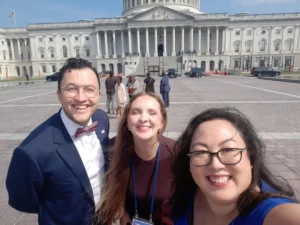
A significant component of the evolving endocrine landscape is the professional development of its practitioners. Dr. Milay Luis Lam, MD, Division Chief and Medical Director at Meritus Endocrinology in Hagerstown, Maryland, recently highlighted the transformative impact of leadership programs within the field. Participating in the Endocrine Society’s Excellence in Clinical Endocrinology Leadership (EXCEL) program, Dr. Lam emphasized that organizations dedicated to endocrinology provide more than just academic or technical growth. They offer essential spaces for reflection, connection, and the cultivation of a professional purpose.
The EXCEL program is designed to bridge the gap between clinical expertise and executive leadership, recognizing that endocrinologists often serve as the primary coordinators for patients with multifaceted chronic conditions. By moving from the role of a learner to that of an advocate, clinicians like Dr. Lam are better equipped to navigate the administrative and systemic challenges of modern healthcare. This shift is viewed as a "responsibility" that comes with the privilege of specialized knowledge. The program’s focus on the "human side" of medicine suggests a broader trend in the industry where the emotional and social well-being of the physician is seen as inextricably linked to the quality of patient care.
Addressing Adherence Barriers in Breast Cancer Endocrine Therapy
In the realm of oncology and reproductive health, new data has brought to light a significant challenge regarding treatment adherence for breast cancer patients. According to reports from OncLive, approximately 20% of breast cancer patients do not consistently follow their prescribed endocrine therapy. This lack of adherence is primarily attributed to the onset of severe vasomotor symptoms (VMS), commonly known as hot flashes and night sweats.


Endocrine therapy, which often involves the use of selective estrogen receptor modulators (SERMs) like tamoxifen or aromatase inhibitors, is a cornerstone of treatment for hormone-receptor-positive breast cancer. These medications are typically prescribed for five to ten years to reduce the risk of cancer recurrence. However, the side effects—stemming from the suppression of estrogen—can be debilitating. The 20% non-adherence rate is a staggering figure for the medical community, as it directly correlates with increased risks of recurrence and mortality.
The clinical implication of this data is a call for better supportive care. Physicians are increasingly looking toward non-hormonal treatments for VMS to help patients remain on their life-saving endocrine regimens. This highlights a critical need for cross-disciplinary collaboration between oncologists and endocrinologists to manage the complex hormonal environment of a patient undergoing cancer treatment.
Semaglutide and the Reduction of Fracture Risk
The metabolic sector of endocrinology has been dominated by the rise of GLP-1 receptor agonists, specifically semaglutide. While semaglutide is well-known for its efficacy in weight loss and glycemic control, new research presented by Sun H. Kim, MD, MS, an associate professor at Stanford University, suggests an unexpected benefit: a 15% decrease in bone fractures.
This finding, shared during the ENDO conference proceedings, compares semaglutide to other weight-loss strategies. Historically, rapid weight loss has been associated with a decrease in bone mineral density (BMD), leading to concerns about increased fragility and fracture risk, particularly in older populations. However, Dr. Kim’s analysis indicates that semaglutide may offer a protective effect or, at the very least, a more favorable profile for bone health than traditional caloric restriction or other pharmacological interventions.

The data further revealed that semaglutide appeared to be most effective for weight loss in patients who also have type 2 diabetes. This dual benefit—improving metabolic markers while simultaneously reducing the risk of fractures—could redefine how clinicians approach obesity management in high-risk populations. The 15% reduction in fractures is a significant statistical marker that warrants further investigation into the direct mechanisms by which GLP-1s interact with bone metabolism.
From PCOS to PMOS: A Global Paradigm Shift in Women’s Health
One of the most significant structural changes in the field is the proposed rebranding and redefined understanding of what was formerly known as Polycystic Ovary Syndrome (PCOS). According to a landmark article in The Lancet, the condition is being renamed Polyendocrine Metabolic Ovarian Syndrome (PMOS). This change is not merely cosmetic; it reflects a deeper scientific understanding of the disorder as a systemic metabolic condition rather than one confined to the ovaries.
It is estimated that 170 million women worldwide are affected by PMOS. The shift in nomenclature aims to address long-standing diagnostic confusion. For decades, the name "Polycystic Ovary Syndrome" led many to believe that the presence of ovarian cysts was a requirement for diagnosis, which is not the case for all patients. Furthermore, the old name failed to convey the significant risks associated with the condition, including insulin resistance, type 2 diabetes, cardiovascular disease, and non-alcoholic fatty liver disease.
By adopting the term "Polyendocrine Metabolic Ovarian Syndrome," the medical community acknowledges the complex interplay of various hormonal systems. This new framework encourages a more comprehensive approach to treatment that prioritizes metabolic health alongside reproductive goals. For the 170 million women living with this condition, this shift promises more accurate diagnoses and more targeted therapeutic interventions.

Chronology of Developments and Clinical Timeline
The recent highlights in endocrinology are the result of years of longitudinal studies and evolving clinical guidelines. The timeline of these developments shows a clear progression toward precision medicine:
- Pre-2020: Growing recognition of the metabolic underpinnings of PCOS leads to international calls for a nomenclature review.
- 2021-2023: The widespread adoption of GLP-1 receptor agonists for obesity provides a massive data set for secondary outcomes, including bone health and cardiovascular safety.
- 2024: Professional societies like the Endocrine Society expand their leadership curricula (EXCEL) to address the "physician burnout" crisis and the need for clinical advocacy.
- 2025-2026: Presentations of data (such as Dr. Sun H. Kim’s Stanford study) solidify the ancillary benefits of metabolic drugs, while major journals like The Lancet formalize the transition from PCOS to PMOS.
Official Responses and Expert Perspectives
The response from the global medical community to these updates has been largely positive, though it underscores the work yet to be done. Regarding the 20% non-adherence rate in breast cancer therapy, patient advocacy groups have long argued that VMS is "trivialized" in clinical settings. The official recognition of these symptoms as a primary driver of treatment failure is seen as a victory for patient-centered care.
Similarly, the renaming of PCOS to PMOS has been met with approval from reproductive endocrinologists. Experts argue that the "PCOS" label was a barrier to funding and research because it categorized the disease as a niche gynecological issue rather than a major public health concern. The new "PMOS" designation is expected to unlock more integrated research funding into the metabolic pathways of the disease.
On the pharmaceutical front, the data regarding semaglutide and fracture reduction has prompted a call for prospective clinical trials specifically designed to measure bone turnover markers. While the retrospective and observational data are promising, the official stance of many endocrine researchers is one of "cautious optimism" until the exact biological pathway is identified.

Broader Impact and Future Implications
The implications of these highlights extend far beyond the laboratory or the clinic. For the healthcare system at large, the 15% reduction in fractures through semaglutide use could translate to billions of dollars in saved costs associated with hip and spinal surgeries and long-term rehabilitative care. In an aging population where both obesity and osteoporosis are prevalent, such multi-functional treatments are invaluable.
Furthermore, the focus on leadership and advocacy within the Endocrine Society signals a shift in how medical professionals view their roles. As the "human side" of endocrinology takes center stage, we may see a rise in clinicians participating in policy-making, ensuring that the metabolic health of the population is prioritized in public health initiatives.
The transition to PMOS will likely result in updated clinical practice guidelines globally. This will require the retraining of primary care physicians to recognize the metabolic "red flags" of the syndrome earlier, potentially preventing the onset of type 2 diabetes in millions of young women.
In summary, the world of endocrinology is currently defined by a move toward clarity, adherence, and expanded therapeutic utility. Whether it is through the empowerment of clinical leaders, the management of oncology side effects, the discovery of bone-protective metabolic drugs, or the renaming of a global syndrome, the goal remains the same: a more comprehensive understanding of the hormones that dictate human health. As these findings are integrated into standard care, the potential for improved patient outcomes on a global scale is unprecedented.