









The global confectionery market, long dominated by sugar-laden treats, is undergoing a profound transformation driven by an escalating consumer demand for healthier alternatives. At the forefront of this shift are innovative products and recipes that marry traditional indulgence with contemporary nutritional science, offering guilt-free options that cater to specific dietary preferences such as ketogenic or low-sugar lifestyles. A prime example of this evolving landscape is the rising popularity of homemade, functional ingredient-enhanced treats like the Easy Peanut Butter Cups promoted by Perfect Keto, which symbolize a broader movement towards mindful eating without sacrificing flavor or satisfaction. This paradigm shift represents not merely a niche trend but a significant reorientation of consumer values, challenging established industry norms and fostering a new era of food innovation.
The Shifting Palate: A Macro Trend Towards Healthier Indulgence
For decades, the global food industry operated on a model that prioritized taste, convenience, and affordability, often at the expense of nutritional density. However, rising global health concerns, particularly the escalating rates of obesity, type 2 diabetes, and cardiovascular diseases, have ignited a consumer awakening. Data from the World Health Organization consistently highlights the detrimental impact of excessive sugar consumption on public health, fueling a widespread desire for dietary modifications. This heightened awareness has translated into a tangible demand for "better-for-you" snacks and functional foods—products that not only satisfy cravings but also offer discernible health benefits.

Market research firm reports indicate a robust growth trajectory for the functional food and beverage sector, with projections estimating its global value to exceed hundreds of billions of dollars within the next few years. This growth is not merely incremental but represents a fundamental shift in consumer purchasing habits, where ingredients lists are scrutinized, and nutritional claims are increasingly important factors in decision-making. Consumers are actively seeking products that support specific health goals, whether it’s improved gut health, enhanced energy levels, or better weight management. The confectionery segment, historically resistant to significant nutritional reform, is now at the epicenter of this transformation, as consumers refuse to compromise on their health objectives, even when indulging.
The Ketogenic Diet and Its Market Footprint
Central to the health-conscious indulgence movement is the widespread adoption of the ketogenic diet. Originating as a therapeutic diet for epilepsy, the ketogenic diet, characterized by very low carbohydrate intake, moderate protein, and high fat consumption, has exploded in popularity as a weight management and metabolic health strategy. By shifting the body’s primary fuel source from glucose to ketones, proponents claim benefits ranging from sustained energy and improved cognitive function to effective weight loss.
The mainstream embrace of the keto diet, particularly over the last five to seven years, has created a fertile ground for an entirely new category of food products. From specialized meal replacements to keto-friendly breads and snacks, the market has rapidly expanded to meet the needs of this growing demographic. Industry reports suggest that the global ketogenic diet food market alone is valued in the tens of billions of dollars and is expected to continue its upward trajectory, driven by increasing consumer awareness and product innovation. However, a persistent challenge within the keto lifestyle has been the availability of genuinely satisfying desserts that adhere strictly to macronutrient guidelines without resorting to artificial ingredients or compromising on taste and texture. This gap has spurred significant innovation in ingredient science and recipe development, pushing brands to create products that feel indulgent while remaining keto-compliant.
Perfect Keto’s Approach: Blending Taste with Nutritional Benefit
Perfect Keto, a brand positioned at the intersection of health and convenience, exemplifies the response to this evolving market need. Their promotion of Easy Peanut Butter Cups is more than just a recipe; it’s a statement about the brand’s philosophy: that delicious treats can and should be compatible with a health-conscious lifestyle. The recipe specifically emphasizes the absence of "sugar overload," a direct nod to the primary concern driving many consumers away from conventional confectionery.
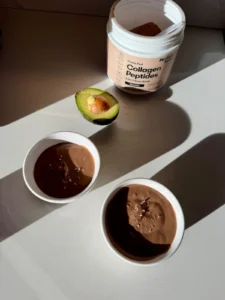
Crucially, the recipe integrates Perfect Keto Collagen, highlighting the brand’s commitment to functional ingredients. Collagen, a major structural protein in the human body, has gained immense popularity as a dietary supplement due to its purported benefits for skin elasticity, hair strength, nail growth, joint health, and gut integrity. By incorporating grass-fed collagen, Perfect Keto elevates a simple treat into a functional food, appealing to consumers looking for added health advantages in their daily intake. Furthermore, the inclusion of Medium-Chain Triglycerides (MCTs), often found in Perfect Keto’s collagen products, further aligns with the ketogenic philosophy. MCTs are readily converted into ketones, providing a quick and efficient energy source that supports ketosis, the metabolic state central to the diet. This strategic combination of indulgent flavor and targeted nutritional benefits illustrates a sophisticated understanding of the modern consumer’s desires. The brand effectively communicates that these peanut butter cups are not just a sweet treat but a "better-for-you" option designed to support overall wellness, distinguishing them from traditional, nutritionally void desserts.
The DIY Movement: Empowerment in the Kitchen
Parallel to the rise of functional foods is a significant resurgence in home cooking and baking. This "Do-It-Yourself" (DIY) movement is multifaceted, driven by several key factors. Economically, preparing meals and snacks at home can be more cost-effective than frequent purchases of pre-made or restaurant food. From a health perspective, home cooks gain unparalleled control over ingredients, allowing them to avoid allergens, unhealthy additives, and excessive sugar or unhealthy fats. This level of customization is particularly appealing to individuals following specific dietary protocols like keto, paleo, or gluten-free diets.
Beyond the practical benefits, there’s also a growing appreciation for the act of creation itself. The satisfaction derived from crafting a delicious, healthy treat from scratch fosters a sense of accomplishment and connection to one’s food. Social media platforms, in particular, have played a pivotal role in accelerating this trend, transforming home cooking from a mundane chore into a celebrated skill. Platforms like Instagram and TikTok are flooded with aesthetically pleasing food photography and accessible recipe videos, inspiring millions to experiment in their kitchens. Brands like Perfect Keto leverage this trend by providing easy-to-follow recipes that empower consumers to create their own versions of popular treats. The simplicity of the Easy Peanut Butter Cups recipe—requiring "just a few simple ingredients"—is strategically designed to lower the barrier to entry for home bakers, encouraging broader participation in the health-conscious DIY movement. This approach not only builds brand loyalty but also positions the brand as a partner in the consumer’s wellness journey. The call to action, "Tag @perfectketo with #perfectketo if you make them!", further solidifies this community aspect, transforming individual efforts into a shared experience.
Economic and Industry Implications
The seismic shifts in consumer preferences have profound implications for the global food industry, particularly for established confectioners. Traditional candy manufacturers, long reliant on formulations heavy in sugar, artificial colors, and preservatives, are facing mounting pressure to innovate or risk losing market share. This pressure manifests in several ways:
- Forced Innovation: Large corporations are investing heavily in research and development to reformulate existing products or launch entirely new lines that meet low-sugar, keto-friendly, or plant-based criteria. This often involves exploring alternative sweeteners like erythritol, stevia, and monk fruit, which are experiencing exponential growth in demand.
- Acquisitions and Partnerships: Major food conglomerates are increasingly acquiring smaller, agile brands specializing in healthier or functional snacks. This strategy allows them to quickly gain market entry into burgeoning segments and leverage the innovative spirit of smaller companies.
- Supply Chain Adjustments: The demand for functional ingredients like collagen, MCTs, and various plant proteins is altering global agricultural and manufacturing supply chains. New sourcing strategies and processing technologies are being developed to meet this demand sustainably and efficiently.
- Marketing Reorientation: Advertising campaigns are shifting from solely emphasizing taste and pleasure to highlighting nutritional benefits, clean labels, and alignment with specific lifestyle choices. This requires a more nuanced and transparent communication strategy, often relying on influencer marketing and digital engagement.
The rise of brands like Perfect Keto, focused from inception on specific dietary needs, demonstrates the viability of a market built on niche, health-driven principles. These companies are not just selling products; they are selling a lifestyle, a promise of health, and an assurance of quality, setting a new benchmark for the entire industry.
Regulatory Landscape and Consumer Education
As the market for "healthy" indulgences expands, the regulatory landscape faces new challenges. Defining and regulating terms like "keto-friendly," "low-carb," or "sugar-free" requires clear guidelines to prevent misleading claims and ensure consumer trust. Food safety agencies globally are grappling with how to effectively monitor and certify products in these rapidly evolving categories. The use of novel ingredients and alternative sweeteners also necessitates rigorous testing and approval processes to guarantee safety and efficacy.
Moreover, effective consumer education is paramount. While interest in healthy eating is high, nutritional literacy can vary widely. It is crucial for brands, health organizations, and media outlets to provide accurate, evidence-based information about ingredients, dietary approaches, and the benefits of functional foods. This includes clarifying common misconceptions about fats, carbohydrates, and proteins, and explaining how ingredients like collagen or MCTs contribute to health. The social media landscape, while a powerful tool for trend dissemination, also presents challenges with the rapid spread of misinformation, underscoring the need for credible sources and critical thinking among consumers.
Future Outlook: A Sustainable Sweet Future?
The trajectory of the health-conscious indulgence market suggests continued robust growth. Future innovations are likely to focus on further personalization of nutrition, with products tailored to individual genetic profiles or specific health biomarkers. Expect to see an even broader integration of adaptogens (herbs that help the body adapt to stress), advanced probiotics, and plant-based proteins in snacks and desserts. The emphasis on sustainability and ethical sourcing will also intensify, with consumers increasingly demanding transparency about where ingredients come from and how products are manufactured.
The "Easy Peanut Butter Cups" by Perfect Keto, while a seemingly simple recipe, serves as a powerful microcosm of these larger trends. It embodies the consumer’s desire for deliciousness without compromise, the brand’s ability to innovate with functional ingredients, and the enduring appeal of homemade creations. As the global population becomes more health-aware and proactive about their well-being, the confectionery market is poised to evolve further, promising a future where indulgence and nutrition can coexist harmoniously, creating a genuinely sustainable sweet future for consumers worldwide. The ongoing dialogue between consumer demand, scientific advancement, and industry responsiveness will continue to shape what we consider a "treat," moving it decisively from a mere pleasure to a mindful, beneficial experience.