

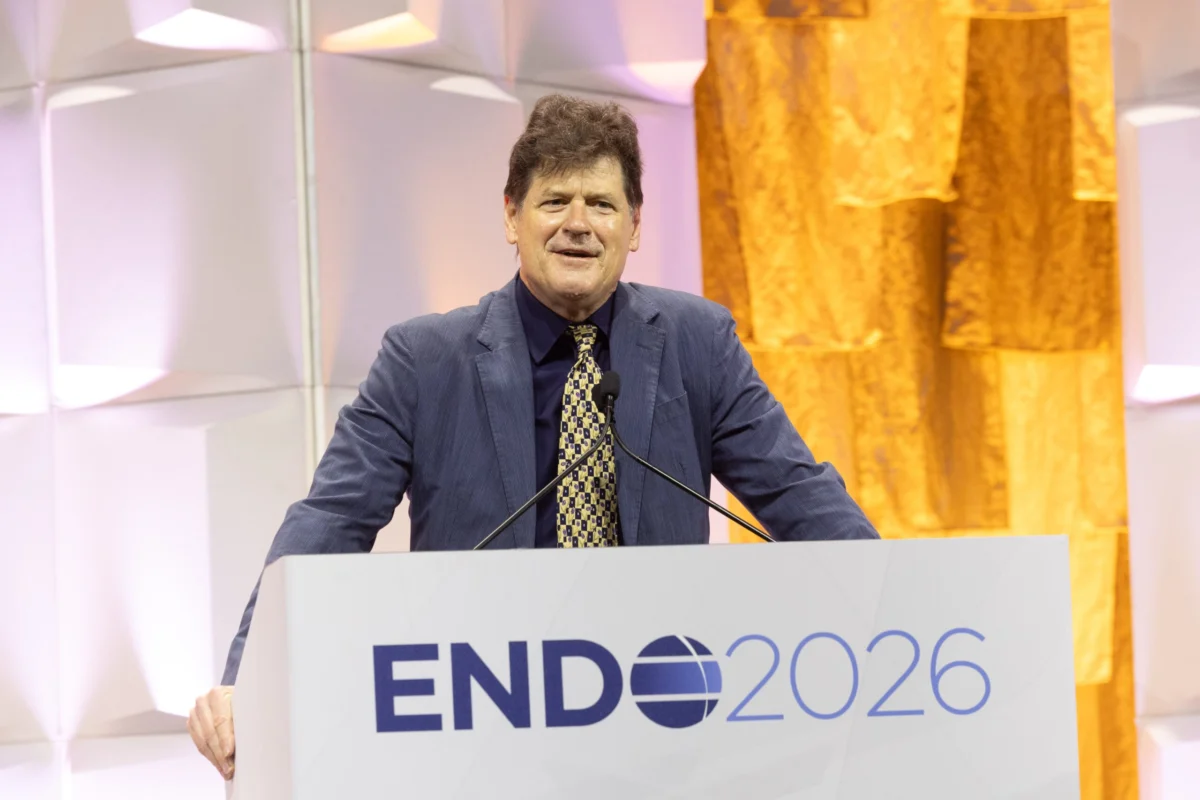
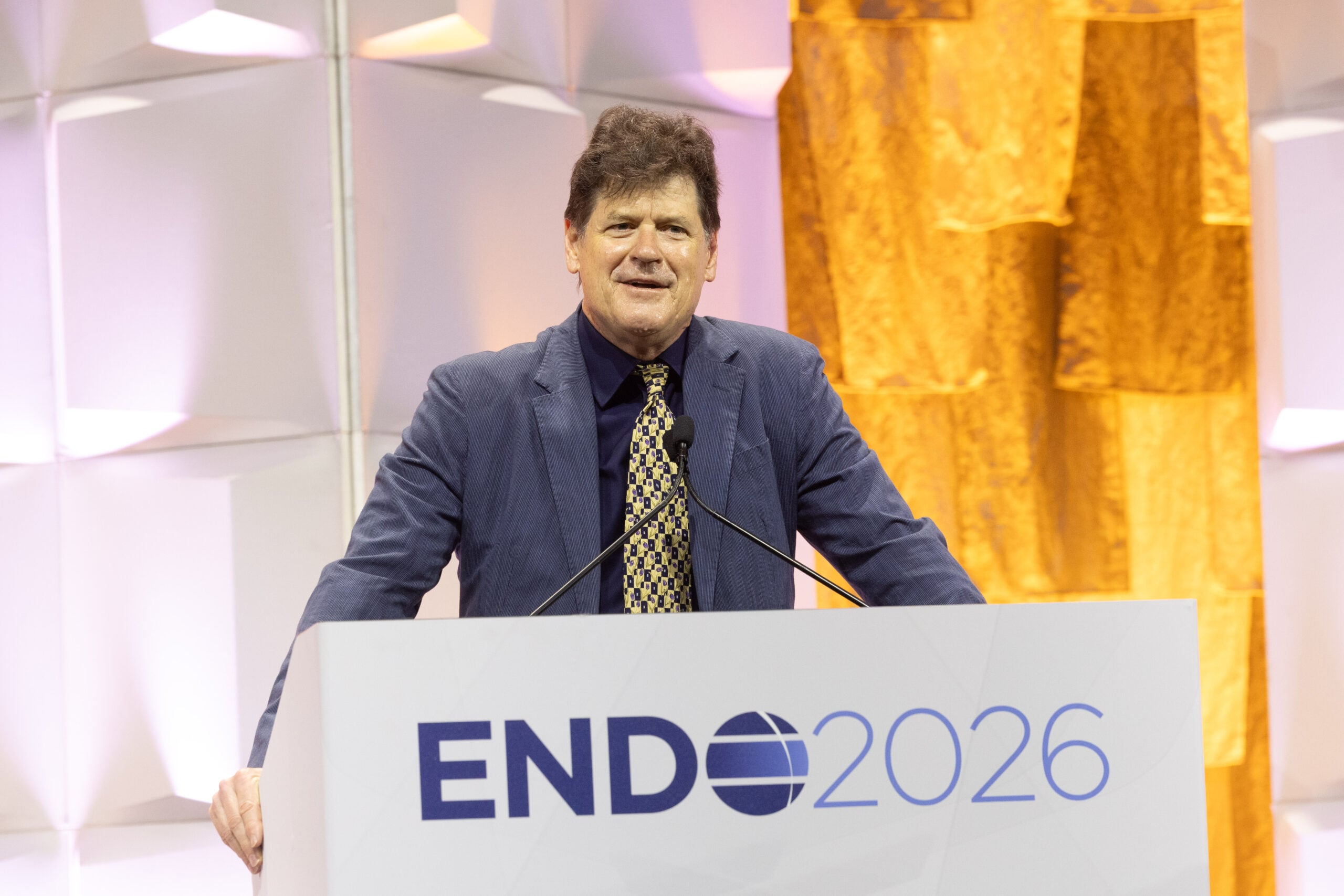
The Endocrine Society has officially announced that Bradley David Anawalt, MD, a distinguished professor and vice chair in the Department of Medicine at the University of Washington School of Medicine, has been named the recipient of the 2026 Outstanding Educator Laureate Award. This prestigious recognition, part of the Society’s annual Laureate Awards program, celebrates Dr. Anawalt’s decades-long commitment to the advancement of medical education and his pioneering contributions to the field of andrology. Known for a teaching style that blends rigorous scientific inquiry with an infectious enthusiasm for the subject matter, Dr. Anawalt has become a foundational figure at the University of Washington (UW) and a globally recognized authority on male reproductive endocrinology.
The Laureate Awards are among the highest honors in the field of endocrinology, established to recognize the highest achievements in the endocrinology community, including research, education, and clinical practice. Dr. Anawalt’s selection for the 2026 cycle highlights a career dedicated to the "joy of learning," a philosophy he has instilled in generations of medical students, residents, and fellows. His work in andrology—specifically regarding male hypogonadism and the development of male hormonal contraceptives—has not only advanced clinical knowledge but has also sought to address significant social inequities in reproductive health responsibilities.
A Legacy of Educational Excellence and Pedagogy
Dr. Anawalt’s approach to medical education is rooted in the belief that a teacher’s primary role is to inspire curiosity. Over his tenure at the University of Washington, he has received numerous institutional honors for his teaching, consistently being ranked by students as a transformative figure in their medical training. His pedagogical philosophy is built on the pillars of adaptability and repetition. He often cites the mantra "repetition is the mother of learning," emphasizing that complex endocrine feedback loops and hormonal pathways require iterative exposure to be fully mastered.
One of the hallmarks of Dr. Anawalt’s career is his willingness to engage with diverse audiences. He has long advocated for a "yes" policy regarding teaching opportunities, volunteering for lectures ranging from undergraduate science courses to specialized fellowships. This breadth of experience taught him the necessity of audience-specific tailoring. In his view, the content delivered to a first-year medical student must be structurally different from the nuances shared with a peer researcher or a clinical fellow. This ability to translate high-level endocrine concepts into accessible, actionable knowledge is what the Endocrine Society cited as a primary reason for his Laureate recognition.
Chronology of a Career: From UC Davis to the University of Washington
Dr. Anawalt’s journey into the world of endocrinology was not without its early challenges. During his undergraduate years, a biochemistry professor once told him that he would never succeed in science or medicine. Rather than discouraging him, this negative feedback served as a catalyst for his perseverance. He found his true calling at the University of California, Davis, School of Medicine, where he was mentored by an endocrinologist who modeled the enthusiasm and intellectual rigor Dr. Anawalt would later adopt.
Upon the recommendation of his mentors, Dr. Anawalt moved to Seattle to complete his residency at the University of Washington. It was there that he encountered Dr. Bill Bremner, the Chief of Medicine at the VA and a vice chair of the department. Dr. Bremner invited Anawalt into his laboratory, which was then—and remains today—a premier center for research into male hormonal contraception. This pivotal moment shifted Dr. Anawalt’s focus toward andrology, a subspecialty of endocrinology focused on male health, particularly relating to the problems of the male reproductive system and urological problems that are unique to men.
Since joining the faculty at UW, Dr. Anawalt has risen through the ranks to become a Professor and Vice Chair of Medicine. His involvement with the Endocrine Society began in earnest in 1992, and he has attended the annual ENDO conference nearly every year since, contributing as a plenary lecturer, session chair, and meeting planner.
Scientific Contributions: Andrology and the Future of Male Contraception
While his award recognizes his excellence as an educator, Dr. Anawalt’s scientific contributions are equally significant. His research has primarily focused on male hypogonadism—a condition in which the body doesn’t produce enough testosterone—and the quest for a safe, effective, and reversible male hormonal contraceptive.
The field of male contraception has long been characterized by a lack of options, with the burden of reproductive responsibility falling disproportionately on women. Dr. Anawalt’s work in clinical trials has been instrumental in exploring how combinations of testosterone and progestins can suppress sperm production. Seattle has emerged as a global hub for this research, with Dr. Anawalt and his colleagues at UW leading the charge in developing new delivery methods, such as topical gels and oral pills, that could revolutionize family planning.
Supporting data suggests that there is a significant market and social demand for such options. Surveys of men across different cultures indicate that a majority would be willing to use a new method of male contraception if it were available. By advancing this research, Dr. Anawalt is contributing to a broader social good: the redistribution of the contraceptive burden and the empowerment of men to take a more active role in reproductive health.
Broader Impact on the Endocrine Community
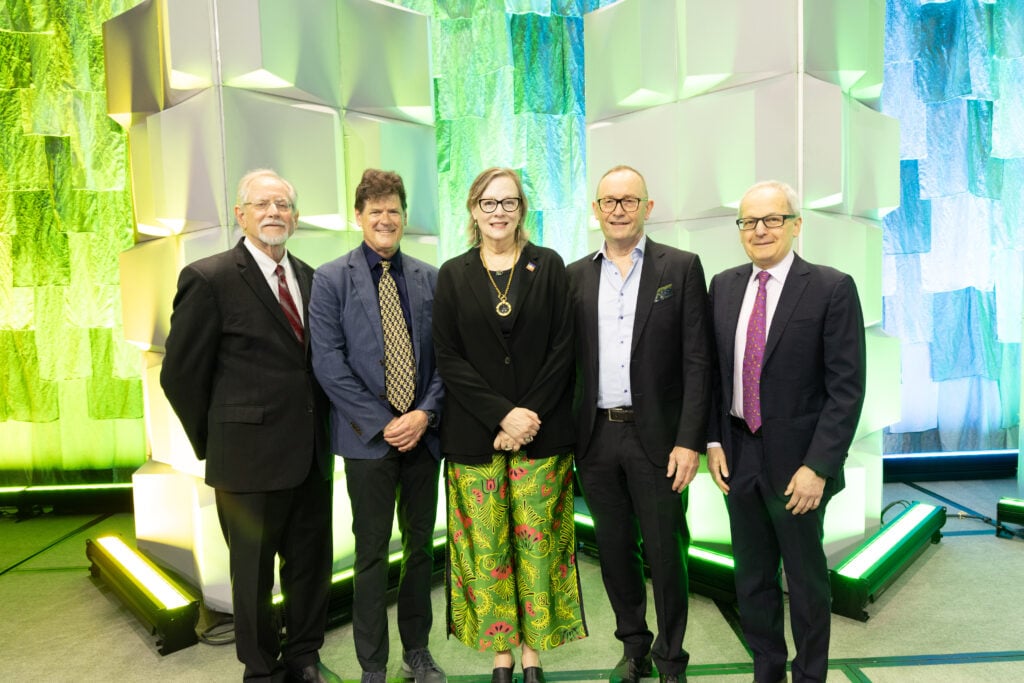
The 2026 Laureate Awards also recognize other giants in the field, including Alvin C. Powers, MD (Roy O. Greep Award for Outstanding Research), Martin Reincke, MD (Outstanding Scholarly Physician Award), and Samuel Klein, MD (Outstanding Clinical Investigator Award). Dr. Anawalt’s inclusion in this group underscores the vital role that education plays alongside research and clinical practice.
The implications of Dr. Anawalt’s work extend into the very structure of how endocrinology is taught in the 21st century. As medical knowledge expands exponentially, the ability of educators to filter, synthesize, and present information with "collegiality and joy" becomes essential for preventing student burnout and ensuring the next generation of specialists is both competent and compassionate. His leadership within the Endocrine Society has helped shape the curriculum of the ENDO meetings, ensuring that they remain a primary source of continuing medical education for practitioners worldwide.
Analysis of Implications: The Evolution of Medical Education
Dr. Anawalt’s recognition comes at a time when medical education is undergoing a significant shift. There is an increasing move away from purely didactic, lecture-based learning toward more interactive, student-centered models. Dr. Anawalt’s emphasis on "joy in learning" aligns with modern educational psychology, which suggests that positive emotional engagement with a subject enhances long-term retention and clinical reasoning skills.
Furthermore, his focus on andrology addresses a historical gap in endocrine training. While female reproductive endocrinology has long been a robust field, male reproductive health has often been overlooked or relegated to urology. By championing andrology within the Endocrine Society, Dr. Anawalt has ensured that male hypogonadism and infertility receive the scientific and educational attention they require, leading to better diagnostic and treatment protocols for patients.
Personal Philosophy and Life Outside the Lab
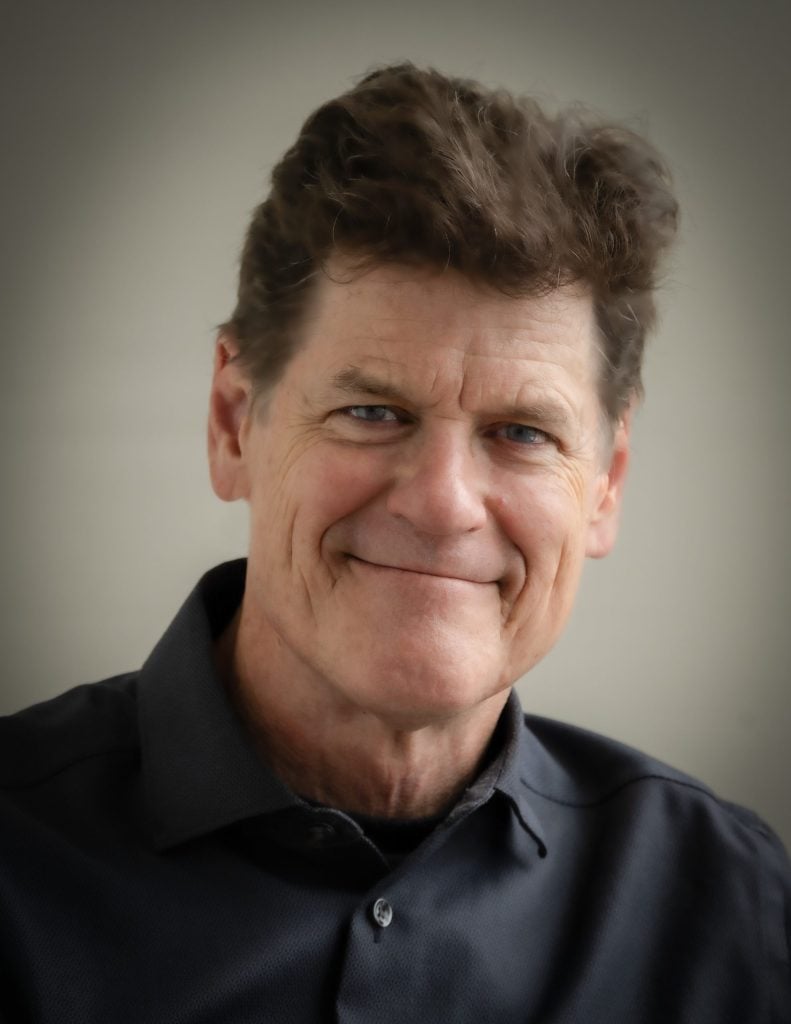
To maintain the high level of energy required for his roles in administration, research, and teaching, Dr. Anawalt emphasizes the importance of a balanced life. He is an avid outdoor enthusiast, running and biking daily. His commitment to physical activity is mirrored in his personal life, where he and his wife frequently embark on rigorous hiking expeditions. Recent and upcoming travels include trekking through the Havasupai region of the Grand Canyon and traversing the Scottish Highland Trail.
His interests are not limited to the outdoors; he is also a devotee of the arts, attending chamber music performances and contemporary concerts, such as those by folk-pop artist Noah Kahan. This well-rounded lifestyle is something he encourages in his students, viewing "unplugging" as a necessary component of a long and successful career in medicine.
Conclusion and Future Outlook
As the medical community looks toward the 2026 Endocrine Society meeting, the celebration of Dr. Bradley David Anawalt serves as a reminder of the power of mentorship. From a student who was once told he wouldn’t make it, to a Laureate recognized as one of the finest educators in his field, Anawalt’s career is a testament to the impact of resilience and the importance of supportive teaching.
His ongoing work at the University of Washington will continue to influence the field of andrology, particularly as male hormonal contraceptives move closer to potential regulatory approval. As an educator, his legacy is already secured in the hundreds of physicians he has trained, many of whom now carry forward his philosophy of curiosity, enthusiasm, and the pursuit of knowledge for the sake of bettering human health. The Outstanding Educator Laureate Award is not just a capstone for his past achievements, but a call to action for the future of endocrine education—one that prioritizes the joy of discovery as much as the mastery of facts.
