








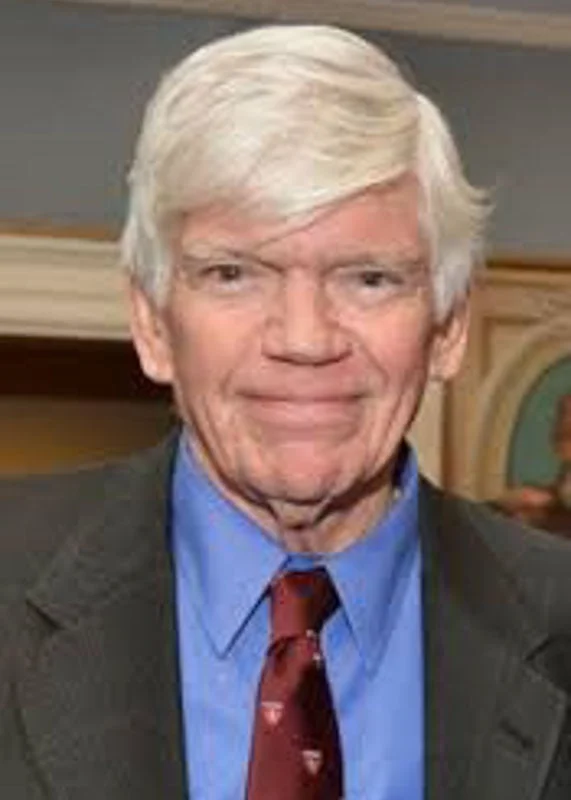
John T. Potts Jr., MD, DSc, a transformational figure in the field of endocrinology and a cornerstone of academic medicine at Harvard Medical School and Massachusetts General Hospital, passed away on August 12, 2026, at the age of 94. As the Jackson Professor of Clinical Medicine Emeritus and a former President of the Endocrine Society, Dr. Potts’ career spanned over seven decades, during which he redefined the scientific understanding of calcium metabolism and parathyroid function. His death marks the conclusion of an era for Massachusetts General Hospital (MGH), where he served as the Chair of the Department of Medicine and Physician-in-Chief from 1981 to 1996, and later as the Director of Research. Beyond his laboratory breakthroughs, Dr. Potts is remembered as a master architect of institutional culture, a dedicated mentor to generations of physician-scientists, and a champion of the "distributed governance" model that empowered young researchers to excel.
The Science of Calcium: Decoding the Parathyroid Hormone
Dr. Potts’ primary scientific legacy lies in his pioneering work on parathyroid hormone (PTH), a critical regulator of calcium and phosphorus levels in the blood. Before his research, the mechanisms governing bone health and calcium homeostasis were poorly understood. Dr. Potts approached the problem with the rigor of a protein chemist and the insight of a clinician. His work began with the fundamental task of defining the chemical structure and physiology of PTH.
Collaborating with Gerald Aurbach and utilizing the expertise he gained at the National Institutes of Health (NIH) under Nobel laureate Christian Anfinsen, Dr. Potts successfully purified and characterized the PTH molecule. This achievement was followed by the determination of its amino acid sequence, a feat that allowed for the subsequent development of the first radioimmunoassays for PTH. Working alongside Rosalyn Yalow and Solomon Berson—who received the Nobel Prize for the development of the radioimmunoassay technique—Potts and Aurbach demonstrated that PTH secretion is inversely proportional to serum calcium levels. This discovery established PTH as the primary mediator of calcium homeostasis, providing a definitive diagnostic tool for hyperparathyroidism.

The clinical implications of this research were vast. Dr. Potts helped formulate the first consensus guidelines for the management of hyperparathyroidism, a condition that can lead to kidney stones, bone loss, and cardiovascular issues. Furthermore, his research into the anabolic effects of PTH on bone laid the essential mechanistic groundwork for the development of PTH-based treatments for osteoporosis, such as teriparatide, which have since benefited millions of patients worldwide.
A Chronological Journey: From Moorestown to MGH
The trajectory of Dr. Potts’ life reflects a steady ascent from a modest background to the heights of American medicine. Born into a family of florists in Moorestown, New Jersey, Dr. Potts initially pursued a degree in English literature at La Salle College. His shift to medicine was driven by an emerging intellectual curiosity, leading him to the University of Pennsylvania School of Medicine. It was during his clinical rotations at Penn that he first encountered a patient with hyperparathyroidism, sparking a lifelong fascination with the disease.
After graduating in 1957 and being elected to the prestigious Alpha Omega Alpha Honor Medical Society, Dr. Potts moved to MGH for his internship and residency. He was heavily influenced by the "Albright model" of medicine, named after the legendary Fuller Albright, which emphasized the extraction of physiological principles from the meticulous observation of patients. To bolster his scientific credentials, he joined the NIH in the early 1960s, a period he described as "learning to do science seriously."
Returning to MGH in 1968 as the Chief of the Endocrine Unit, Dr. Potts began building a research powerhouse. He was an early adopter of recombinant DNA technology and molecular biology, frequently sending his junior faculty to laboratories at Harvard and MIT to master these emerging tools. This forward-thinking approach led to the cloning of PTH and the identification of the PTH/PTHrP receptor, further cementing MGH’s position as a global leader in endocrine research.
Institutional Leadership and "Distributed Governance"
In 1981, Dr. Potts was appointed Chair of the Department of Medicine and Physician-in-Chief at MGH. During his 15-year tenure, he oversaw a period of unprecedented growth. He was instrumental in the development of "MGH East" in Charlestown, a massive expansion of the hospital’s research infrastructure that facilitated the growth of the MGH Cancer Center and the Cardiovascular Research Institute.
His leadership style was characterized by what he termed "distributed governance." Rather than centralizing authority, Dr. Potts recruited exceptional talent and provided them with the resources and autonomy to build their own programs. He famously remarked, "If you celebrate young people around you, they feel like they can grow." This philosophy fostered a culture of mutual respect and collaboration, preventing the professional jealousy that often hampers large academic institutions.
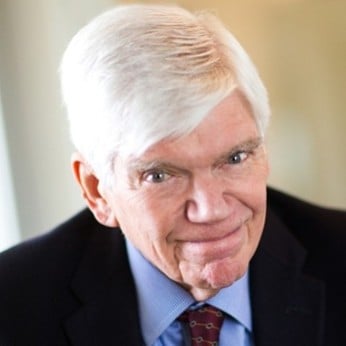
Dr. Potts was also a visionary in the realm of diversity and inclusion. Recognizing the systemic barriers facing minority physicians, he established the Minority Recruitment Committee within the Department of Medicine and was a staunch supporter of the Biomedical Science Careers Program. By creating the MGH Society of Research Fellows, he provided a structured support system for young physician-scientists navigating the precarious early stages of their careers.
Mentorship as a Primary Responsibility
While his scientific and administrative achievements were numerous, those who worked with Dr. Potts often cite his mentorship as his most enduring contribution. His approach was deeply personal; he was known for his uncanny ability to remember the specific scientific interests and family details of hundreds of colleagues.
His commitment to his mentees often extended beyond the laboratory. Colleagues recall instances where Dr. Potts would call daily for months to check on a staff member facing a personal crisis or illness. He viewed mentorship not as a method of imposing his own preferences, but as a process of "listening closely enough to understand what a younger colleague wanted." This ethos is institutionalized at MGH through the John T. Potts Jr., MD, Faculty Mentoring Award, which recognizes senior faculty who embody his spirit of selfless guidance.
Broader Impact and Professional Recognition
The influence of Dr. Potts extended far beyond the walls of MGH. As President of the Endocrine Society from 1987 to 1988, he played a crucial role in maintaining the unity of the organization during a period of potential fragmentation between basic scientists and clinical practitioners. He argued successfully that the two constituencies shared a common intellectual home, a perspective that continues to define the Society’s mission today.
His contributions were recognized with the highest honors in the medical community. He received the Ernst Oppenheimer Award and the Fred Conrad Koch Award from the Endocrine Society, as well as the 2013 George M. Kober Medal from the Association of American Physicians. His election to the National Academy of Sciences, the National Academy of Medicine, and the American Academy of Arts and Sciences underscored his status as one of the preeminent scientists of his generation.
Analysis of Implications: A Legacy of Translational Medicine
The death of Dr. John T. Potts Jr. invites a reflection on the evolution of translational medicine. Dr. Potts was among the last of a generation of "triple-threat" physicians who excelled equally in clinical care, laboratory research, and institutional administration. His career serves as a blueprint for how fundamental biochemical discoveries can be methodically translated into diagnostic assays and life-saving therapies.
In an era where medical research is increasingly specialized, the "Potts model" of integrating protein chemistry with clinical physiology remains a vital reminder of the importance of broad-based scientific literacy. Furthermore, his success in expanding the MGH research enterprise demonstrates the critical role of physician-leaders in securing the future of academic medical centers. By advocating for "distributed governance," he proved that institutional strength is derived not from top-down control, but from the empowerment of individual investigators.
Personal Life and Community
Dr. Potts’ professional life was complemented by a rich personal life shared with his wife, Susanne. Together, they were known for their hospitality, hosting dinners and holiday parties that brought together generations of trainees and faculty. These gatherings were essential to the "sense of belonging" that defined the MGH Endocrine Unit and the Department of Medicine. Dr. Potts was a devoted father to his three children—John, Martha, and Stephan—and a proud grandfather. His interests were wide-ranging, encompassing art, music, philosophy, and social causes, reflecting the same intellectual curiosity he brought to his medical career.
Final Reflections
The medical community has lost a pioneer whose work fundamentally altered the landscape of bone and mineral research. Dr. Potts’ legacy is not merely contained in the textbooks that detail the structure of parathyroid hormone or the diagnostic protocols for hypercalcemia; it lives on in the "Potts network"—a global community of scientists, department chairs, and hospital leaders who continue to practice the values of mentorship, collaboration, and excellence that he instilled. As MGH and the broader medical world mourn his passing, the spirit of Dr. John T. Potts Jr. endures through the countless lives he touched and the institutional cultures he transformed. He began his clinical training at MGH in 1957 and was cared for there at the end of his life, leaving behind an indelible mark on the institution and the millions of patients who benefit from his scientific foresight.