







The Endocrine Society’s Science Summit 2026, held from September 21 to 23 in Málaga, Spain, marked a pivotal moment in the study of nuclear receptors, as the international scientific community gathered to transition fundamental molecular discoveries into actionable therapies for age-related conditions. Titled "Networked for Life: Nuclear Receptors in Age-Related Diseases," the three-day symposium provided a high-level forum for established investigators and emerging scientists to dissect the complex signaling pathways that govern human health. The summit emphasized a shift in the field’s focus, moving beyond isolated biochemical mechanisms toward a holistic, contextual understanding of how these receptors influence cardiovascular health, oncology, and metabolic function, particularly within the aging population.
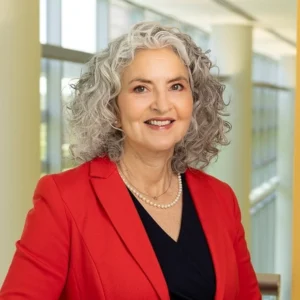
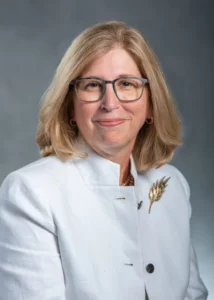
Co-chaired by Inés Pineda-Torra, PhD, a professor of Cardiometabolic Medicine and Group Leader at the Andalusian Centre of Molecular Biology and Regenerative Medicine (CABIMER), the event highlighted the increasing relevance of nuclear receptor research to the clinical treatment of complex diseases. The summit served as a reminder that while the field has achieved significant translational milestones, substantial gaps in understanding remain regarding the physiological roles and mechanisms of action of many receptors. This consensus led to an immediate call for a follow-up summit in 2028 to continue the momentum generated in Málaga.
The Evolutionary Trajectory of Nuclear Receptor Science
Nuclear receptors (NRs) are a class of proteins found within cells that are responsible for sensing steroid and thyroid hormones and certain other molecules. In response, these receptors work with other proteins to regulate the expression of specific genes, thereby controlling the development, homeostasis, and metabolism of the organism. Since the initial discovery of the first nuclear receptors in the late 20th century, the field has identified 48 distinct receptors in the human genome.
Historically, research in this area was siloed, with investigators focusing on specific receptors such as the estrogen receptor (ER) in the context of reproductive health or the peroxisome proliferator-activated receptors (PPARs) in metabolic studies. However, the 2026 summit showcased a paradigm shift. Presenters demonstrated that nuclear receptors do not operate in isolation but rather as part of a sophisticated, networked system. This "promiscuity"—the interaction between different receptors and their shared signaling pathways—is now a primary focus for researchers looking to treat multi-systemic age-related diseases.
The summit highlighted two major translational success stories where basic research has led to approved clinical therapies. While the specific drugs were discussed in the context of their molecular targets, the broader implication was clear: the field of endocrinology is uniquely positioned to bridge the gap between "bench and bedside" due to the direct impact of these receptors on gene transcription.
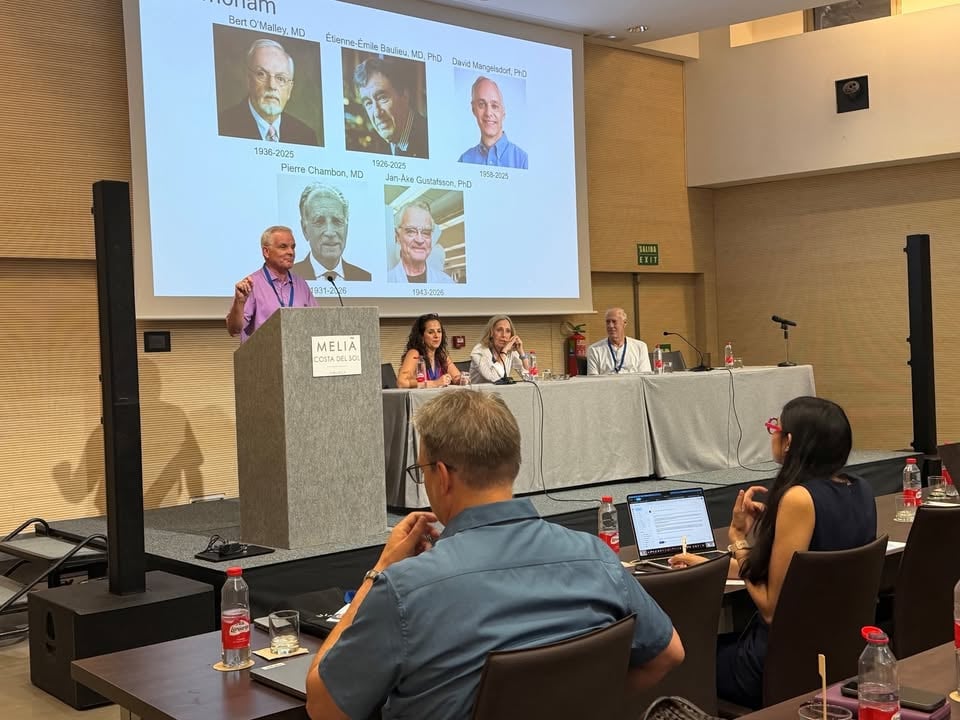
Chronology of the Málaga Summit: Three Days of Discovery
The summit followed a structured progression, beginning with fundamental biology and concluding with clinical applications.
Day One: Molecular Foundations and Women’s Health
The opening day focused on the biochemical and cellular mechanisms of nuclear receptor signaling. A significant portion of the morning session was dedicated to women’s health, a topic often overlooked in historical metabolic studies. Researchers discussed the intersection of sex hormones with lipid metabolism and immune signaling. The inclusion of these topics reflects a growing recognition that biological sex is a fundamental variable in disease progression.
Day Two: Metabolic Intersections and Oncology
The second day explored the expansion of nuclear receptor research into oncology and immunology. Experts presented data on how metabolic signaling via nuclear receptors influences tumor microenvironments. The discussion revealed that receptors previously thought to be purely metabolic, such as those involved in bile acid regulation or fatty acid oxidation, play critical roles in the progression of certain cancers and the efficacy of immunotherapy.
Day Three: Translational Science and Future Therapies
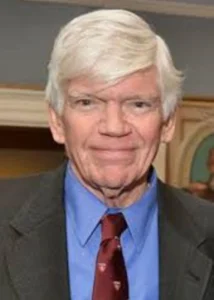
The final day was dedicated to the "clinic-ready" aspects of the field. Presentations focused on the development of selective nuclear receptor modulators (SNRMs) that aim to provide the benefits of receptor activation without the adverse side effects associated with broad-spectrum agonists or antagonists. The day concluded with a roundtable discussion on the "major gaps" in the field, led by Christopher Glass, MD, PhD, of the University of California San Diego.
Addressing the Gender Gap in Cardiovascular Research
One of the most compelling narratives to emerge from the summit was the focus on women’s cardiovascular health. Dr. Pineda-Torra’s research group is at the forefront of investigating why heart disease manifests differently in women than in men, particularly following the onset of menopause. Cardiovascular disease remains the leading cause of death for women globally, yet clinical models have historically relied heavily on male data.
Data presented at the summit indicated that the decline in estrogen during menopause triggers a cascade of changes in lipid metabolism and immune response, both of which are regulated by nuclear receptors. When estrogen levels drop, the protective effects on the vascular system diminish, leading to an increased risk of atherosclerosis and metabolic syndrome.

In a notable move toward scientific rigor, the summit organizers mandated that all presenters specify the species and sex used in their studies. This requirement aimed to address the "reproducibility crisis" in biomedical research and ensure that findings are appropriately contextualized. By highlighting the limitations of studies conducted only on male subjects, the summit pushed for a more inclusive approach to drug development and disease modeling.
The Role of "Orphan" Receptors in Age-Related Disease
A significant portion of the scientific discourse in Málaga centered on "orphan" nuclear receptors—receptors for which the endogenous ligands have not yet been identified. Despite the mystery surrounding their natural activators, these receptors are known to play vital roles in aging and disease.
Researchers shared findings on how orphan receptors regulate circadian rhythms, inflammatory responses, and cellular senescence. As the global population ages, the prevalence of neurodegenerative diseases and chronic inflammatory conditions is rising. Nuclear receptors are increasingly seen as the key to "healthy aging," as they govern the body’s ability to maintain equilibrium in the face of environmental stressors.
Supporting Data and Global Implications
The significance of the 2026 Science Summit is underscored by global health statistics. According to the World Health Organization (WHO), the number of people aged 60 years and older is expected to double by 2050, reaching 2.1 billion. This demographic shift brings an unprecedented burden of age-related diseases, including Type 2 diabetes, non-alcoholic steatohepatitis (NASH)—recently renamed metabolic dysfunction-associated steatotic liver disease (MASLD)—and various forms of cancer.
The Endocrine Society, which represents more than 18,000 physicians and scientists worldwide, views nuclear receptor research as a cornerstone of its mission to improve global health. The Málaga summit demonstrated that:
- Precision Medicine is Possible: By understanding the tissue-specific context of receptor signaling, clinicians can move toward more personalized treatment plans.
- Interdisciplinary Collaboration is Essential: The crossover between endocrinology, oncology, and immunology is no longer a luxury but a necessity for scientific advancement.
- Regulatory Standards are Evolving: The emphasis on sex-specific data at the summit mirrors recent changes in NIH and European Medicines Agency (EMA) guidelines, which require more robust representation of biological sex in preclinical research.
Analysis of Implications and Future Directions
The Málaga summit has set a high bar for the future of endocrine research. The consensus among attendees was that the field is "as alive as ever," but the "major gaps" identified by Dr. Christopher Glass suggest that the scientific community is only scratching the surface of the "nuclear receptorome."
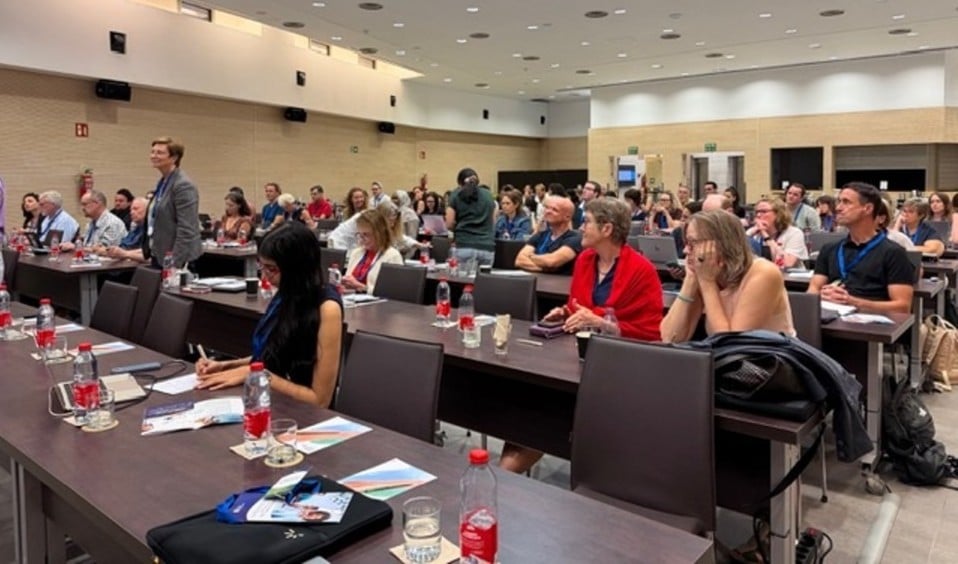
The call to reconvene in 2028 suggests that the next two years will be a period of intensive data collection, particularly regarding the interaction between different receptors. The "siloed" approach to research is effectively over; the future lies in systems biology and the use of artificial intelligence to model the complex networks of gene regulation controlled by these receptors.
Furthermore, the focus on women’s health at the summit is likely to catalyze new funding and research initiatives. As researchers like Dr. Pineda-Torra continue to uncover the molecular basis for sex differences in disease, the pharmaceutical industry will face increasing pressure to develop sex-specific therapeutic strategies.
In conclusion, the Endocrine Society’s Science Summit 2026 was more than a meeting of minds; it was a strategic alignment of research priorities. By focusing on the transition from molecular mechanisms to clinical therapies, the summit provided a roadmap for addressing the most pressing health challenges of an aging global population. The insights gained in Málaga will likely resonate through the scientific community for years to come, driving the next generation of breakthroughs in nuclear receptor science.