

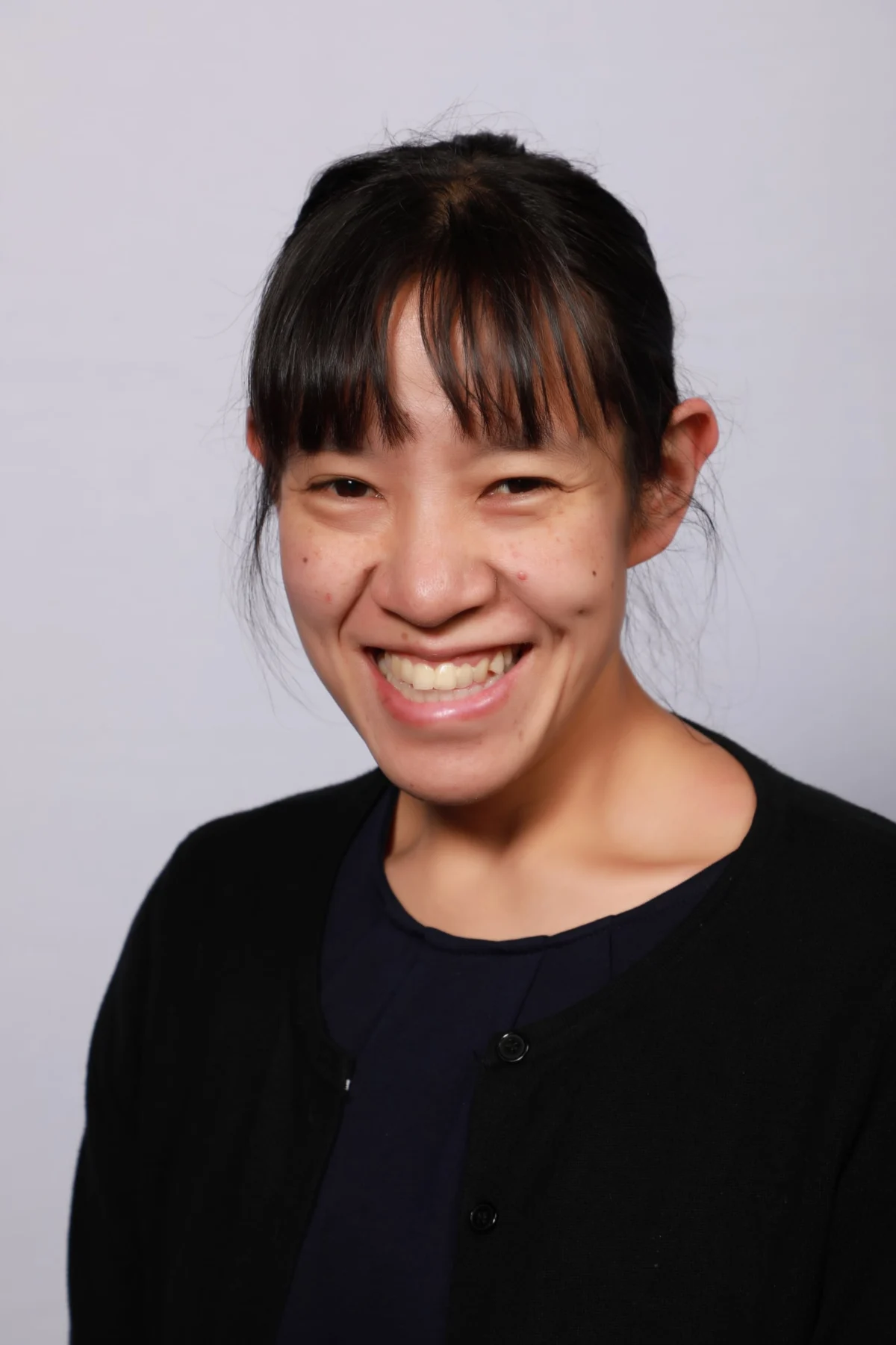
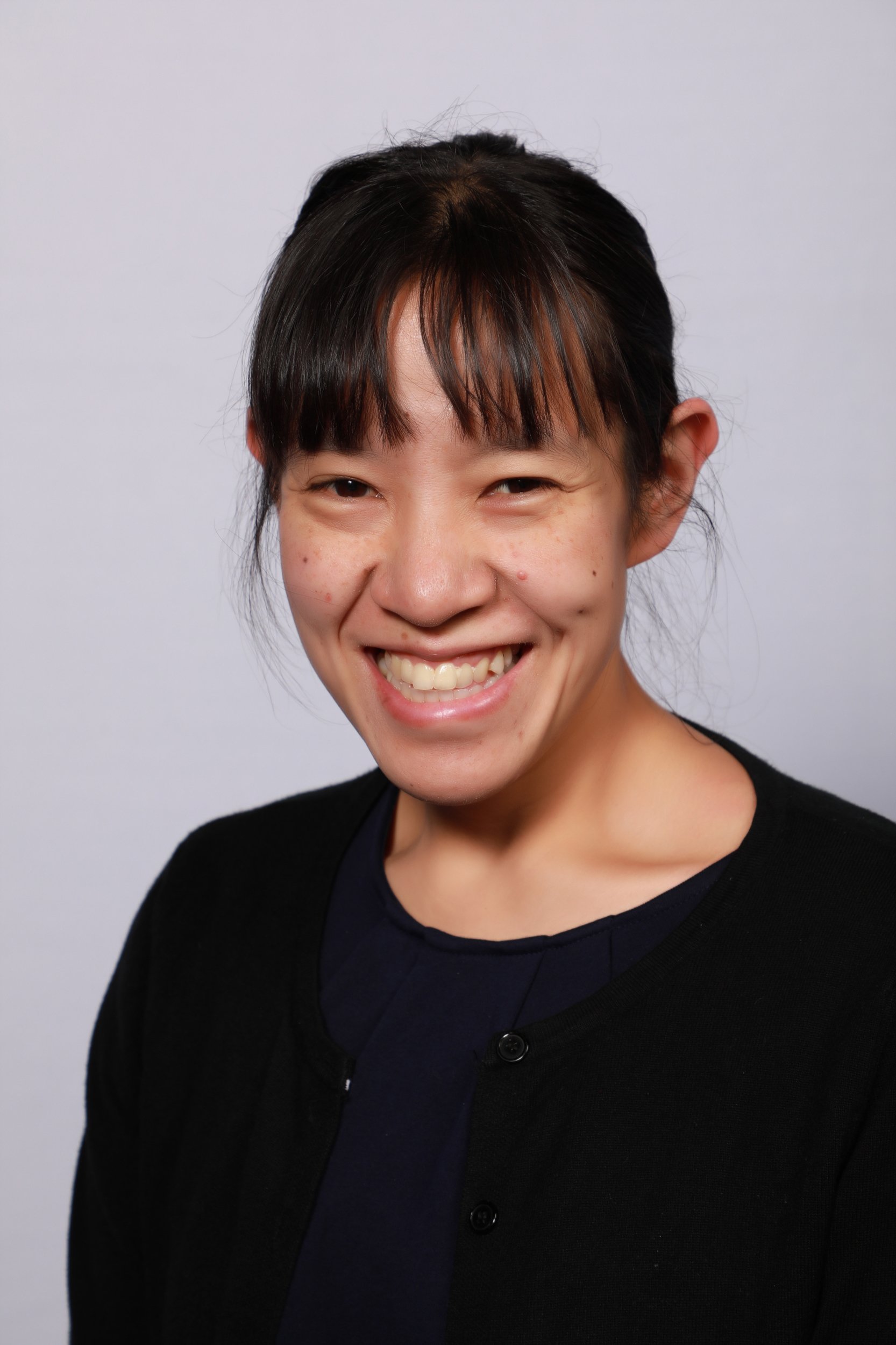
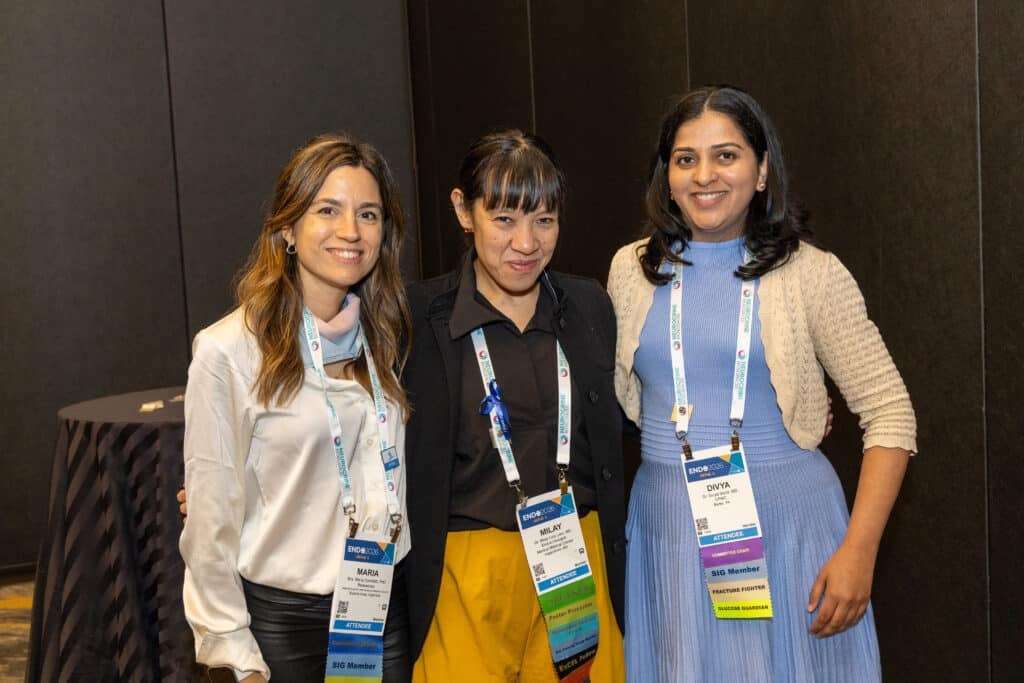
The recent Excellence in Clinical Endocrinology Leadership (EXCEL) meeting, hosted by the Endocrine Society at its headquarters in Washington, D.C., served as a pivotal forum for discussing the intersection of clinical expertise and the preservation of humanity in medicine. Dr. Milay Luis Lam, Division Chief and Medical Director at Meritus Endocrinology, attended the spring gathering in a faculty capacity, marking a significant transition from her previous role as a trainee. This shift highlights a broader movement within the medical community toward lifelong learning and the cultivation of leadership skills that prioritize patient-centered care over purely data-driven diagnostics. As the healthcare landscape becomes increasingly digitized and fragmented, the insights shared at the EXCEL meeting underscore a critical need for endocrinologists to balance technical proficiency with empathetic engagement.
The Evolution of Leadership in Endocrinology
The EXCEL program is a cornerstone initiative by the Endocrine Society, designed to equip early-career physicians and seasoned professionals with the tools necessary to navigate the complexities of modern healthcare leadership. Historically, medical training has focused heavily on the mastery of physiology, pharmacology, and procedural skills. However, the EXCEL curriculum expands this scope to include negotiation, team management, and advocacy. Dr. Lam’s transition from learner to mentor at this year’s meeting illustrates the cyclical nature of professional development in the field. This progression is essential for maintaining a robust pipeline of leaders who can address the systemic challenges facing the specialty, including workforce shortages and the rising prevalence of metabolic disorders.
By situating the meeting in Washington, D.C., the Endocrine Society also emphasizes the importance of policy and advocacy. Leaders in endocrinology are increasingly called upon to engage with lawmakers and health systems to ensure that patient care remains accessible and equitable. The shift in perspective from "absorbing knowledge" to "guiding others" reflects a maturing of the profession, where the goal is not just individual excellence but the collective advancement of the field.
Chronology of a Shifting Medical Paradigm
The journey of an endocrinologist often follows a rigorous path from medical school to fellowship, characterized by a relentless focus on objective markers. Dr. Lam’s reflections on her tenure with the Endocrine Society provide a timeline of growth that mirrors the evolution of the specialty itself. In the early stages of a career, the emphasis is often on internalizing the vast array of hormone levels, lab values, and clinical protocols. As practitioners move into mid-career and leadership roles, the focus shifts toward the application of this knowledge within a human framework.
The EXCEL meeting serves as a periodic "re-calibration" for these professionals. It provides a space for reflection that is often missing in the high-pressure environment of clinical practice. The chronology of these meetings—from the FLARE EXCEL Luncheon at ENDO 2023 in Chicago to the upcoming All SIG Reception at ENDO 2026—demonstrates a consistent effort by the Endocrine Society to foster a sense of community. These events are not merely academic; they are social and professional landmarks that allow physicians to reconnect with the "why" behind their practice.
Data and the Challenge of "Quiet Dehumanization"
Endocrinology is uniquely susceptible to what Dr. Lam describes as "quiet dehumanization." This phenomenon occurs when the complexities of a patient’s life are reduced to a series of numerical values on a screen. The field relies heavily on precise measurements—hemoglobin A1c for diabetes, thyroid-stimulating hormone (TSH) for thyroid disorders, and bone density scores for osteoporosis. While these numbers are vital for diagnosis and treatment, they can create a barrier between the physician and the patient if not contextualized.
Supporting data from recent physician burnout studies suggests that the "depersonalization" aspect of burnout is particularly prevalent in specialties that involve chronic disease management. According to a 2023 Medscape report, endocrinologists report significant stress related to administrative burdens and the "fragmentation" of care mentioned by Dr. Lam. When physicians are forced to spend more time with electronic health records (EHRs) than with patients, the risk of viewing the patient as a "clinical lens" increases.
Furthermore, the dehumanization can be bidirectional. Patients, navigating a complex and often impersonal healthcare system, may view their physicians as detached authority figures rather than partners in health. This gap is often exacerbated by cultural differences. Research indicates that "noncompliance" in endocrine treatments is frequently a result of socio-economic barriers or cultural misunderstandings rather than a lack of patient willpower. Recognizing these nuances is now considered an essential component of clinical competency.
Systemic Pressures and Inter-disciplinary Advocacy
The EXCEL meeting also addressed the reality of professional interactions within a fragmented healthcare system. In many large medical centers, the "passing along" of difficult cases has become a systemic byproduct of specialization. When a patient presents with multi-systemic issues, the responsibility for their care can become diluted among various departments. Dr. Lam’s advocacy for "collaboration and respect across disciplines" serves as a call to action for systems that support integrated care rather than silos.
Advocacy, in this context, is two-fold. First, it involves advocating for the patient to ensure they do not get lost in the system. Second, it involves advocating for a workplace culture that allows physicians to remain human. This includes fighting for better staffing ratios, more time for patient consultations, and mental health resources for providers. The consensus among faculty at the EXCEL meeting was that a physician’s ability to provide empathetic care is directly linked to the health of the system in which they operate.
Inferred Responses and Professional Implications
While the Endocrine Society has not issued a formal "response" to Dr. Lam’s specific reflections, their continued investment in programs like EXCEL speaks volumes about their organizational priorities. The society’s leadership has frequently emphasized that the future of endocrinology depends on "whole-person" care. Inferred reactions from other attendees suggest a shared sentiment: the technical demands of the field must be balanced with the "soft skills" of leadership and empathy.
The implications of this shift are profound for the next generation of endocrinologists. If the field continues to move toward a more humanistic model, we can expect changes in how fellowships are structured and how clinical success is measured. Success may no longer be defined solely by reaching a target A1c level, but by the patient’s quality of life and the strength of the therapeutic alliance.
Analysis of the Broader Impact on Patient Care
The move to maintain humanity in medicine has tangible benefits for patient outcomes. Studies in the field of medical sociology have shown that patients who feel "seen" and "heard" by their doctors are more likely to adhere to treatment plans and report higher satisfaction scores. In endocrinology, where management of chronic conditions is the norm, the relationship between the provider and the patient is the primary vehicle for care.
Dr. Lam’s observation that "teaching and learning are inseparable" suggests that the medical hierarchy is becoming more fluid. By remaining "open enough to let those lessons change us," physicians can better adapt to the evolving needs of a diverse patient population. This openness is particularly important in addressing health disparities. By moving beyond the "numbers," endocrinologists can begin to address the social determinants of health—such as food insecurity, housing instability, and lack of transportation—that often drive poor endocrine outcomes.
Conclusion: The Future of the Endocrine Leader
The EXCEL meeting in Washington, D.C., served as more than just a leadership retreat; it was a reaffirmation of the core values of the medical profession. For Dr. Milay Luis Lam and her colleagues, the experience highlighted the fact that growth in medicine is a continuous journey. As she returns to her role as Division Chief at Meritus Medical Center, the lessons of humanity, collaboration, and advocacy remain at the forefront of her mission.
The future of endocrinology lies in the hands of those who can master the data while never losing sight of the person behind the lab report. As the field looks toward ENDO 2026 and beyond, the emphasis on clinical leadership will likely continue to evolve, ensuring that the next generation of endocrinologists is prepared not only to treat diseases but to care for people. The simple yet profound question—"What does it mean to be human in medicine?"—will remain the guiding light for a profession that is as much an art as it is a science.
