

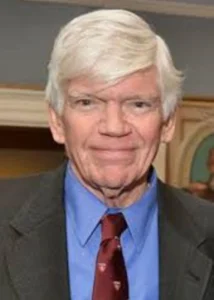




The Endocrine Society has officially announced the creation of the Jesse Roth Award and Lecture, a prestigious new accolade designed to recognize and celebrate outstanding contributions to the fields of hormone action, diabetes, and metabolism. Named in memory of the late Dr. Jesse Roth, a visionary physician-scientist whose work fundamentally altered the medical community’s understanding of insulin and its interaction with human cells, the award aims to foster continued innovation while supporting the professional development of emerging researchers. The Society confirmed that the inaugural recipient of the Jesse Roth Award is C. Ronald Kahn, MD, a world-renowned expert in diabetes and metabolism based at the Joslin Diabetes Center and Harvard Medical School. Dr. Kahn is scheduled to deliver the keynote Jesse Roth Lecture at ENDO 2027, the Endocrine Society’s flagship annual meeting, marking a significant milestone in the organization’s efforts to honor its most influential historical figures.
The establishment of this award comes at a critical juncture in metabolic research, as global diabetes rates continue to rise and the need for sophisticated understanding of hormone signaling becomes increasingly urgent. By creating a platform that combines the recognition of veteran excellence with financial support for early-career scientists, the Endocrine Society is reinforcing the bridge between the pioneering discoveries of the 20th century and the molecular breakthroughs of the 21st. The award package includes a formal honorarium and a travel grant for the primary recipient, alongside specific travel support for two junior scientists—fellows or junior faculty—who are selected to present their abstracts at the annual ENDO conference. This dual focus on legacy and future growth reflects the multifaceted career of Dr. Roth, who was as celebrated for his laboratory triumphs as he was for his dedication to teaching.
The Legacy of Dr. Jesse Roth: A Paradigm Shift in Endocrinology
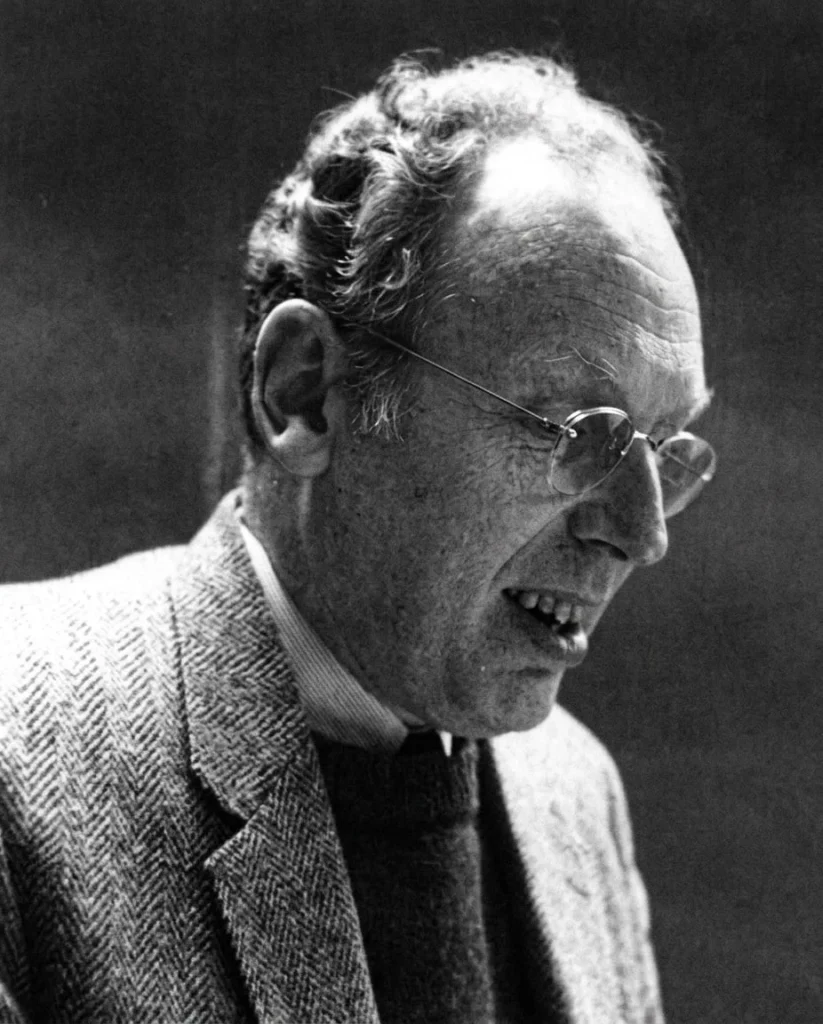
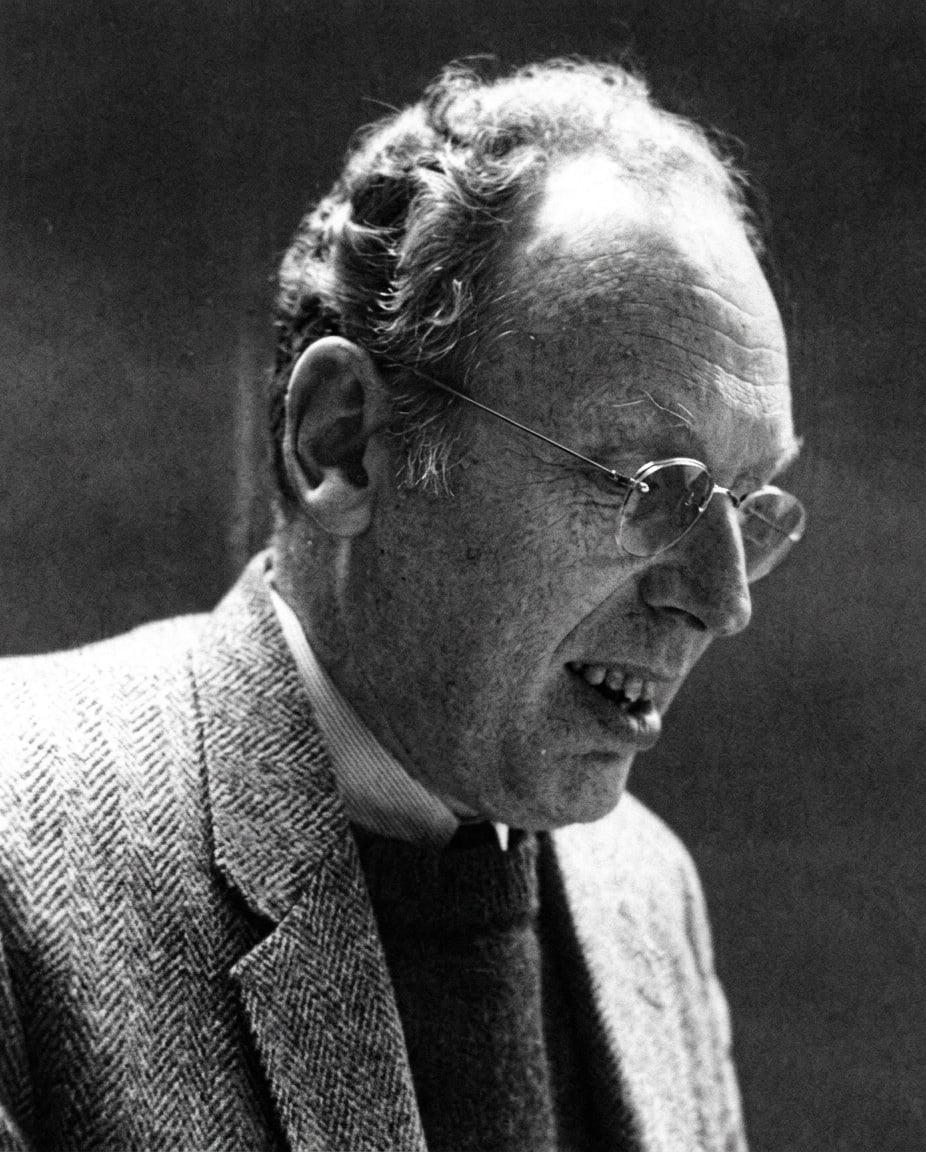
To understand the weight of this new award, one must look at the transformative career of Jesse Roth, MD. Before Dr. Roth’s landmark research in the 1970s, the scientific community had a limited grasp of how insulin actually functioned at the cellular level. While insulin had been discovered decades earlier, the mechanism by which it communicated with cells remained a mystery. Dr. Roth, working alongside colleagues at the National Institutes of Health (NIH), provided the first definitive evidence that cells possess specific receptors for insulin. This discovery was revolutionary; it proved that diabetes was not merely a disease of insulin deficiency (as seen in Type 1 diabetes) but could also be a disease of "insulin resistance," where the body’s cells fail to respond to the hormone due to faulty or insufficient receptors.
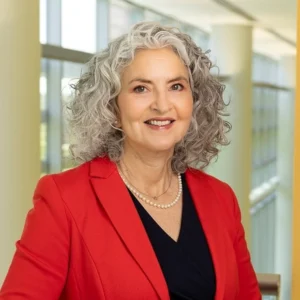
Dr. Roth’s career spanned over six decades of intense inquiry and leadership. He spent nearly 30 years at the NIH in Bethesda, Maryland, eventually rising to the position of Scientific Director of the National Institute of Diabetes and Digestive and Kidney Diseases (NIDDK). His influence extended far beyond the federal government, as he later held prominent roles at Johns Hopkins University and the Feinstein Institutes for Medical Research. Within the Endocrine Society, he was a pillar of the community, serving on the Board of Directors from 1993 to 1996. His contributions were previously recognized with the Society’s highest honors, including the Fred Conrad Koch Award and the Robert H. Williams Distinguished Leadership Award. Dr. Roth passed away in March 2026 at the age of 91, leaving behind a scientific lineage that includes some of the most influential names in modern medicine.
C. Ronald Kahn: A Fitting Inaugural Laureate
The selection of C. Ronald Kahn, MD, as the first recipient of the Jesse Roth Award brings the story of Dr. Roth’s mentorship full circle. Dr. Kahn, currently the Mary K. Iacocca Professor of Medicine at Harvard Medical School and the Chief Academic Officer at the Joslin Diabetes Center, was a mentee of Dr. Roth during the formative years of his career. Under Roth’s guidance, Kahn developed an interest in the molecular mechanisms of insulin action, a field he would eventually go on to lead. Today, Dr. Kahn is recognized as one of the world’s foremost authorities on insulin signal transduction. His work has been instrumental in identifying the insulin receptor kinase and the various pathways that lead to insulin resistance and metabolic syndrome.
In a move that mirrors the altruistic spirit of his mentor, Dr. Kahn has announced his intention to donate the award’s honorarium back to the fund to ensure the long-term sustainability of the prize for future generations. "Jesse Roth transformed our understanding of insulin action and inspired generations of scientists through his extraordinary mentorship," Dr. Kahn stated upon receiving the news. He emphasized that the award is particularly meaningful because it prioritizes the support of early-career researchers, providing them with the resources to pursue the "ambitious questions" that characterized Dr. Roth’s own tenure in the lab.
Chronology of Innovation and Award Development
The development of the Jesse Roth Award was a collaborative effort led by a "who’s who" of the endocrine research community. The initiative was spearheaded by a group of Dr. Roth’s former mentees and colleagues, including Nobel Prize winner Robert J. Lefkowitz, MD; Jeffrey S. Flier, MD; Dominic Accili, MD; Simeon Taylor, MD; and Alan Shuldiner, MD. This group envisioned a memorial that would do more than just bear a name; they sought to create a self-sustaining ecosystem of academic support.
- 1970s: Dr. Jesse Roth and his team at the NIH publish foundational papers proving the existence of insulin receptors.
- 1990s: Dr. Roth serves in high-level leadership roles at the Endocrine Society and the NIDDK, influencing national research priorities.
- March 2026: Dr. Jesse Roth passes away at age 91.
- Late 2026: A coalition of Roth’s mentees begins a fundraising campaign to establish a permanent endowment in his honor.
- 2027: The Endocrine Society officially announces the award and names C. Ronald Kahn as the inaugural winner.
- ENDO 2027: The first Jesse Roth Lecture is scheduled to take place, featuring Dr. Kahn as the keynote speaker.
Supporting the Next Generation of Physician-Scientists
A central component of the Jesse Roth Award is its focus on "early-career scientists." In the modern academic landscape, securing funding for travel and presentation can be a significant barrier for doctoral students, residents, and junior faculty. By providing travel grants for two individuals presenting abstracts in hormone action or metabolism, the award directly addresses the "leaky pipeline" in medical research, where talented young scientists often leave academia due to financial constraints or lack of mentorship opportunities.
Endocrine Society President Nanette Santoro, MD, highlighted this aspect of the award as a core part of the Society’s mission. "Jesse Roth exemplified the scientific excellence, curiosity, and commitment to mentorship that drive our field forward," Santoro said. She expressed gratitude to the donors who made the award possible, noting that the fund was raised through the grassroots efforts of those who were directly impacted by Roth’s teaching. The inclusion of travel support ensures that the annual ENDO meeting remains a place where the next generation can interact with established leaders like Dr. Kahn, fostering the same type of mentor-mentee relationships that Roth himself championed.
Scientific and Clinical Implications: The Context of Diabetes Research
The significance of this award is underscored by the current global health crisis surrounding metabolic diseases. According to the International Diabetes Federation (IDF), approximately 537 million adults are currently living with diabetes worldwide, a number projected to rise to 643 million by 2030. The vast majority of these cases are Type 2 diabetes, a condition rooted in the very "receptor-level" issues that Dr. Roth first identified.
By honoring research in "hormone action," the Endocrine Society is signaling that the path to curing or better managing diabetes lies in understanding the complex signaling pathways within the cell. Modern research is currently exploring how insulin receptors interact with other hormones, how adipose tissue (body fat) acts as an endocrine organ, and how genetic variations influence individual responses to insulin. The Jesse Roth Award will serve as a recurring spotlight on these critical areas of study, encouraging researchers to look beyond glucose levels and into the fundamental molecular biology of the human body.
Broader Impact and Future Outlook
The establishment of the Jesse Roth Award and Lecture is expected to enhance the prestige of the ENDO annual meetings and provide a consistent venue for high-level scientific exchange. As the inaugural lecture approaches in 2027, the Endocrine Society is actively seeking additional support to expand the reach of the travel grants and honoraria. The Society has integrated a donation portal on its website, allowing members of the global medical community to contribute to the fund.
This award represents more than just a plaque or a lecture; it is a commitment to a specific philosophy of science—one that values the historical foundations of the field while aggressively pursuing the unknown. As Dr. Kahn prepares his lecture for 2027, the endocrine community is reminded that the work started by Dr. Roth at the NIH decades ago is far from finished. The challenges of insulin resistance, obesity-related metabolic dysfunction, and hormonal disorders remain among the most pressing issues in 21st-century medicine. Through the Jesse Roth Award, the Endocrine Society ensures that the curiosity and dedication of one of its greatest pioneers will continue to inspire those tasked with solving these global health challenges.