


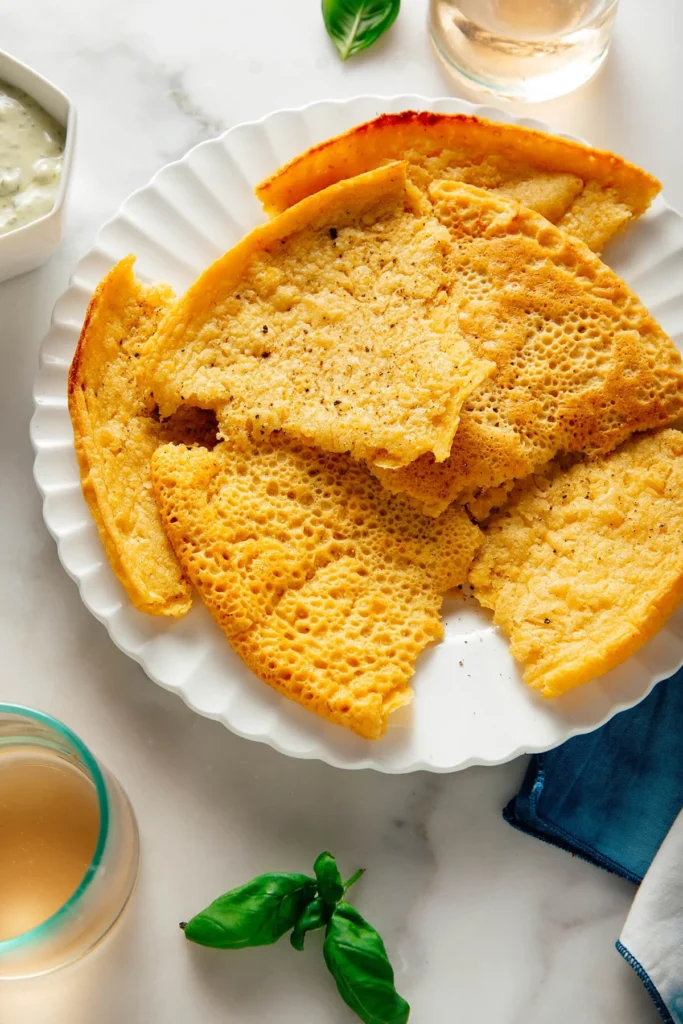
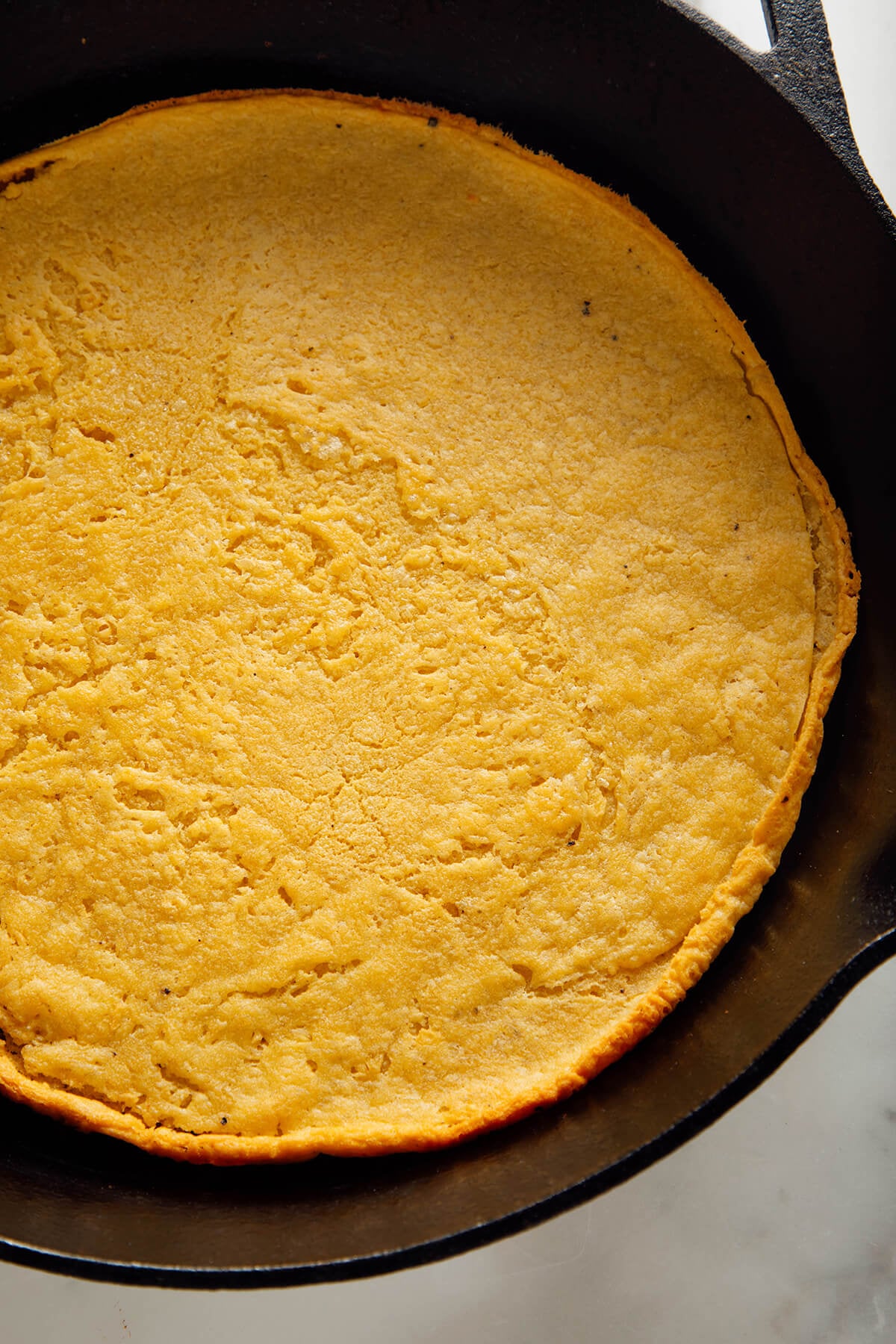
The humble yet captivating socca, a savory pancake crafted from chickpea flour, olive oil, and water, is experiencing a surge in global recognition, transcending its traditional role as a beloved street food from the sun-drenched streets of Nice, France. Characterized by its distinct crispy, chewy edges, tender and flaky interior, and a lacy, golden-brown bottom, socca represents a simple culinary marvel deeply rooted in Mediterranean history and increasingly embraced for its versatility, nutritional benefits, and inherent gluten-free and vegan qualities. This ancient delicacy, closely related to Italian farinata, is now captivating chefs and home cooks alike, making its way from bustling Provençal markets to diverse international kitchens.
Historical Roots and Mediterranean Lineage
Socca’s origins are deeply embedded in the culinary traditions of the Mediterranean basin, with its lineage traceable back centuries. The use of chickpea flour, or farinata in Italian, cecina in Liguria, fainè in Sardinia, and karane or calentita in North Africa, points to a widespread practice of creating nutrient-dense, plant-based flatbreads from readily available legumes. Historians suggest that these chickpea-based preparations emerged from a necessity to create substantial, affordable food using local ingredients. The precise timeline of socca’s emergence in Nice is not definitively documented, but anecdotal evidence and local folklore suggest it has been a staple in the region for hundreds of years. Legend attributes its popularization in Nice to times of siege, where simple, fortifying meals were paramount. Over time, it evolved into a quintessential Niçoise street food, prepared by soccaires in large, wood-fired ovens, typically in specialized copper pans known as testi, and sold piping hot from stalls. This traditional method imbues the socca with a unique smoky flavor and unparalleled crispness that locals cherish. Dr. Elise Moreau, a food historian specializing in Provençal cuisine, notes, "Socca is more than just food; it’s a piece of Niçoise identity. Its enduring presence speaks to the resilience and resourcefulness of Mediterranean culinary heritage, adapting through centuries while retaining its core essence."

The Anatomy of Socca: Simplicity and Craft
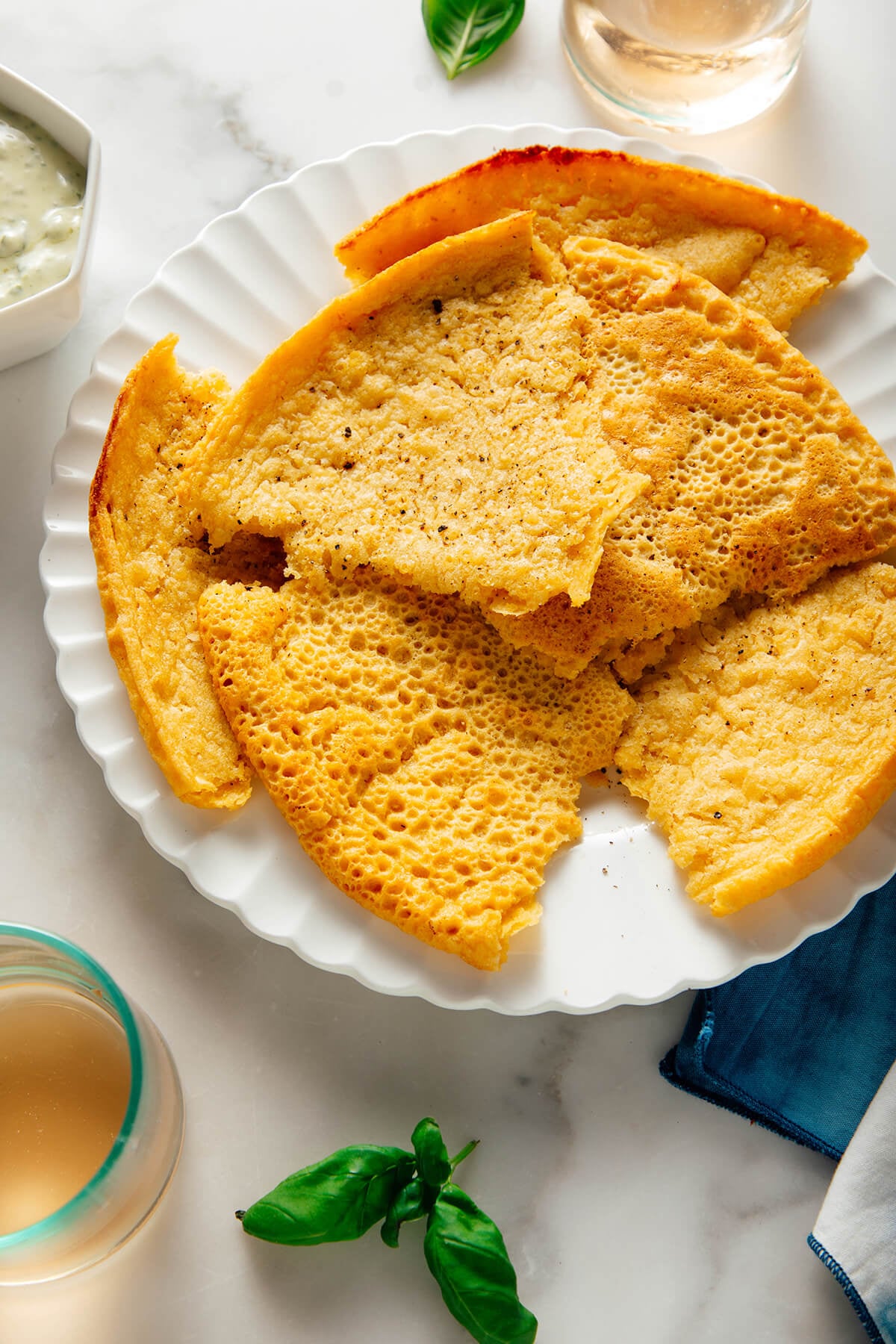
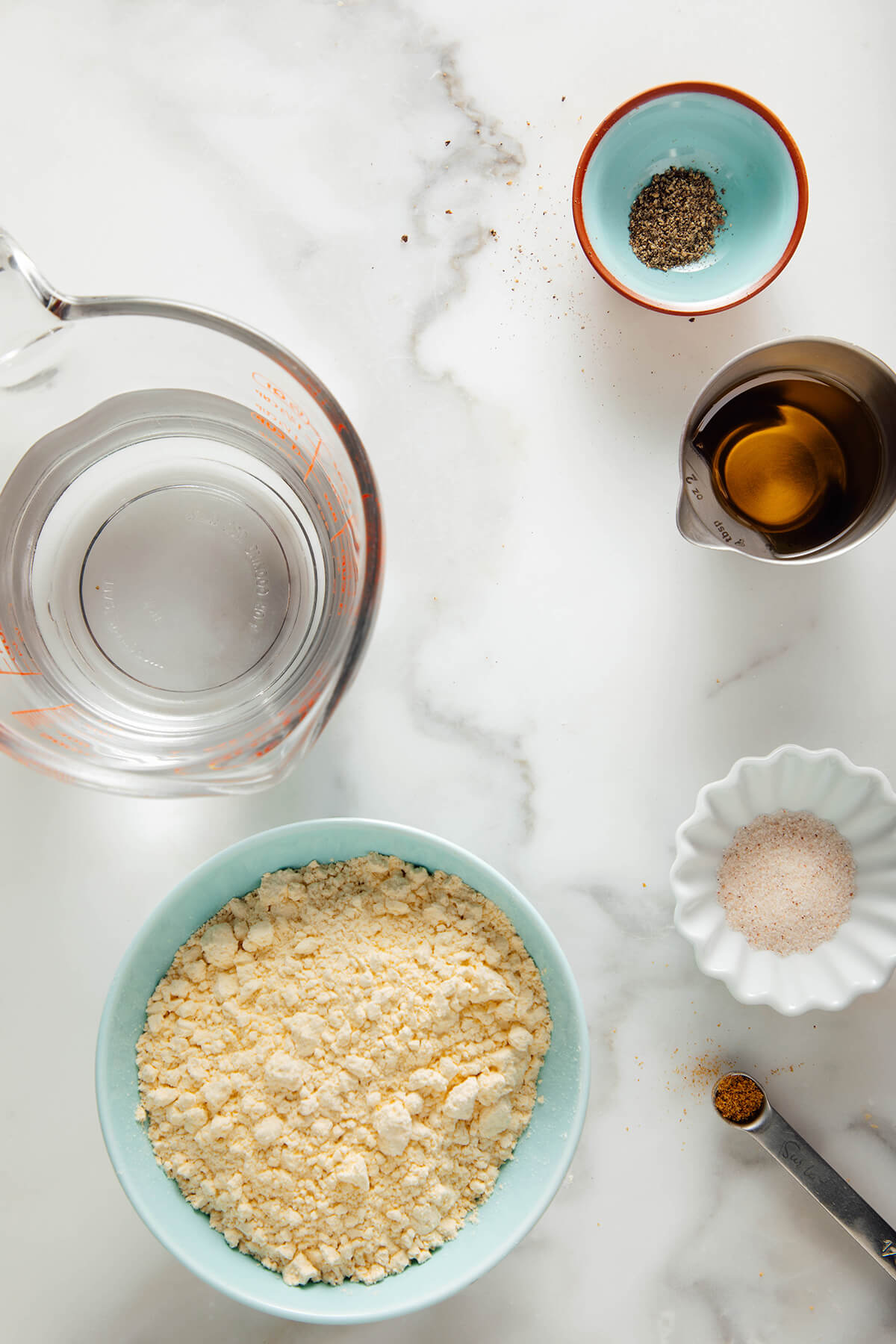
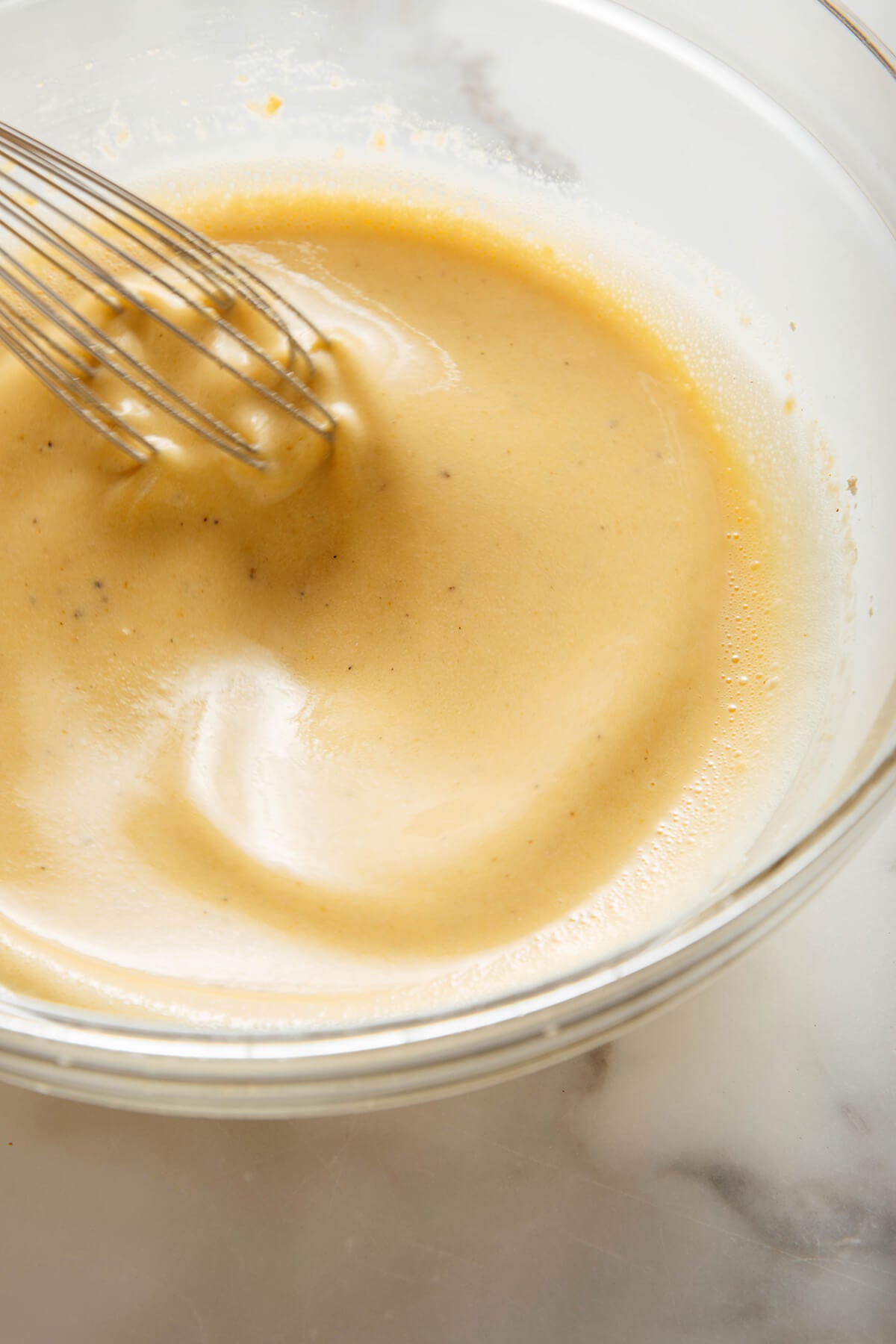
At its core, socca is a testament to the power of minimal ingredients transformed through precise technique. The primary component, chickpea flour (also known as gram flour or besan), provides the characteristic earthy flavor and distinct texture. Brands like Bob’s Red Mill have made this specialized flour widely accessible in grocery stores beyond ethnic markets, contributing to its broader adoption. Beyond the flour, the recipe calls for little more than water, high-quality olive oil, salt, freshly ground black pepper, and often a touch of cumin, which enhances its savory depth. The preparation process, while seemingly straightforward, holds key nuances. Traditionally, the batter might have rested for hours, allowing the flour to fully hydrate and the flavors to meld. However, modern culinary experimentation has revealed an interesting counter-intuitive insight: some preparations yield a superior, flakier texture when the batter is mixed immediately before cooking, challenging long-held assumptions about batter resting times. This discovery has significant implications for home cooks, making socca an even more impromptu and accessible dish.
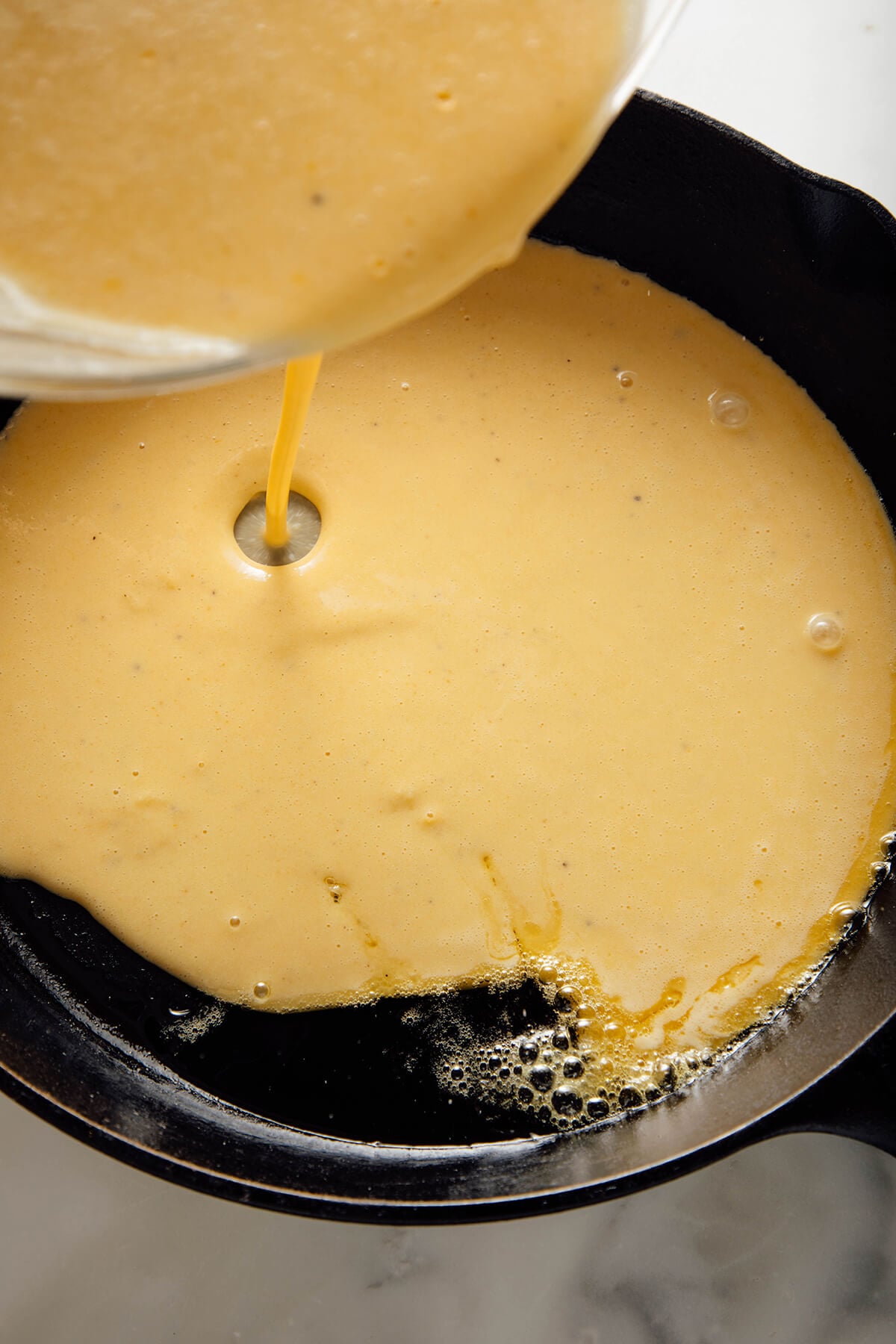
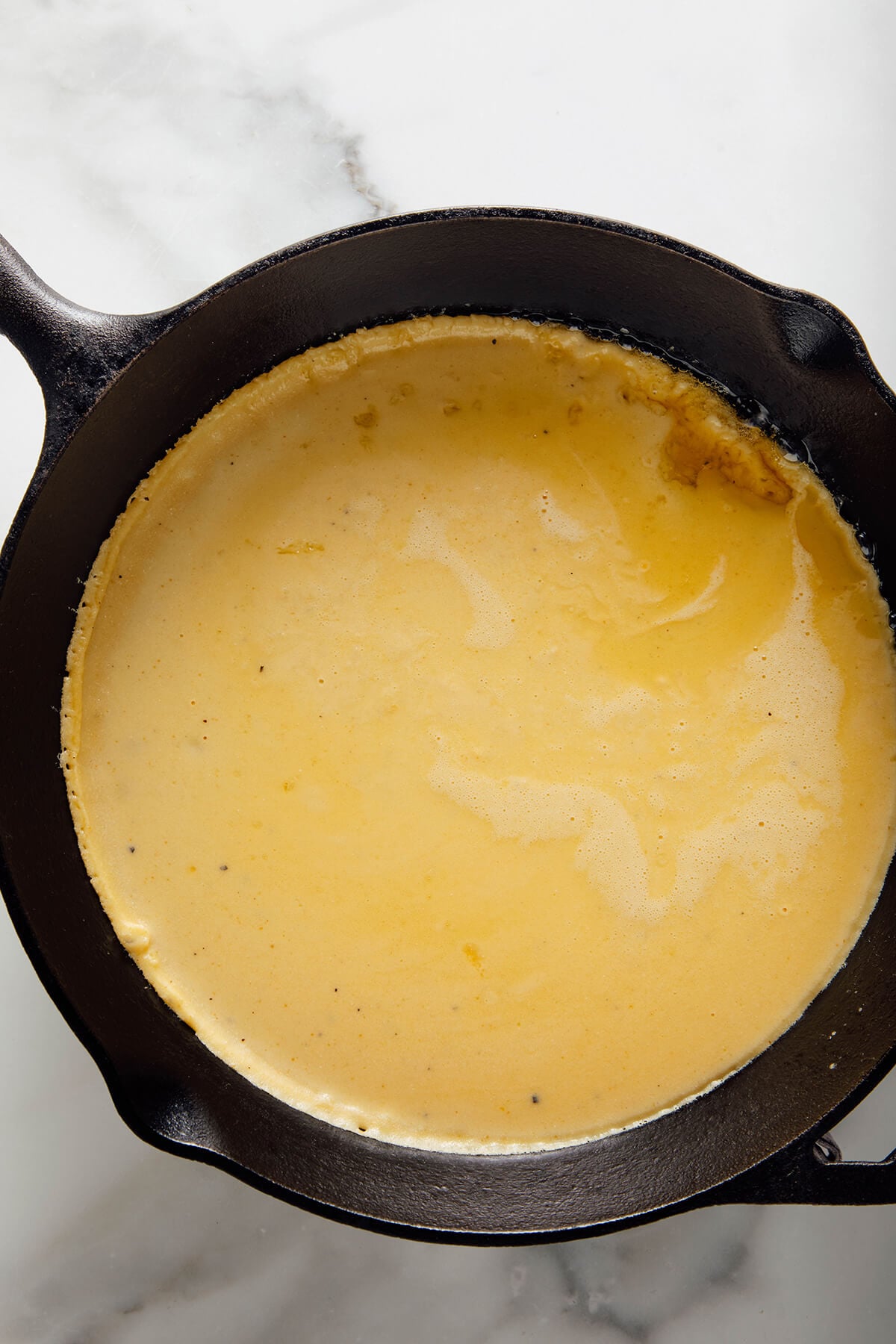
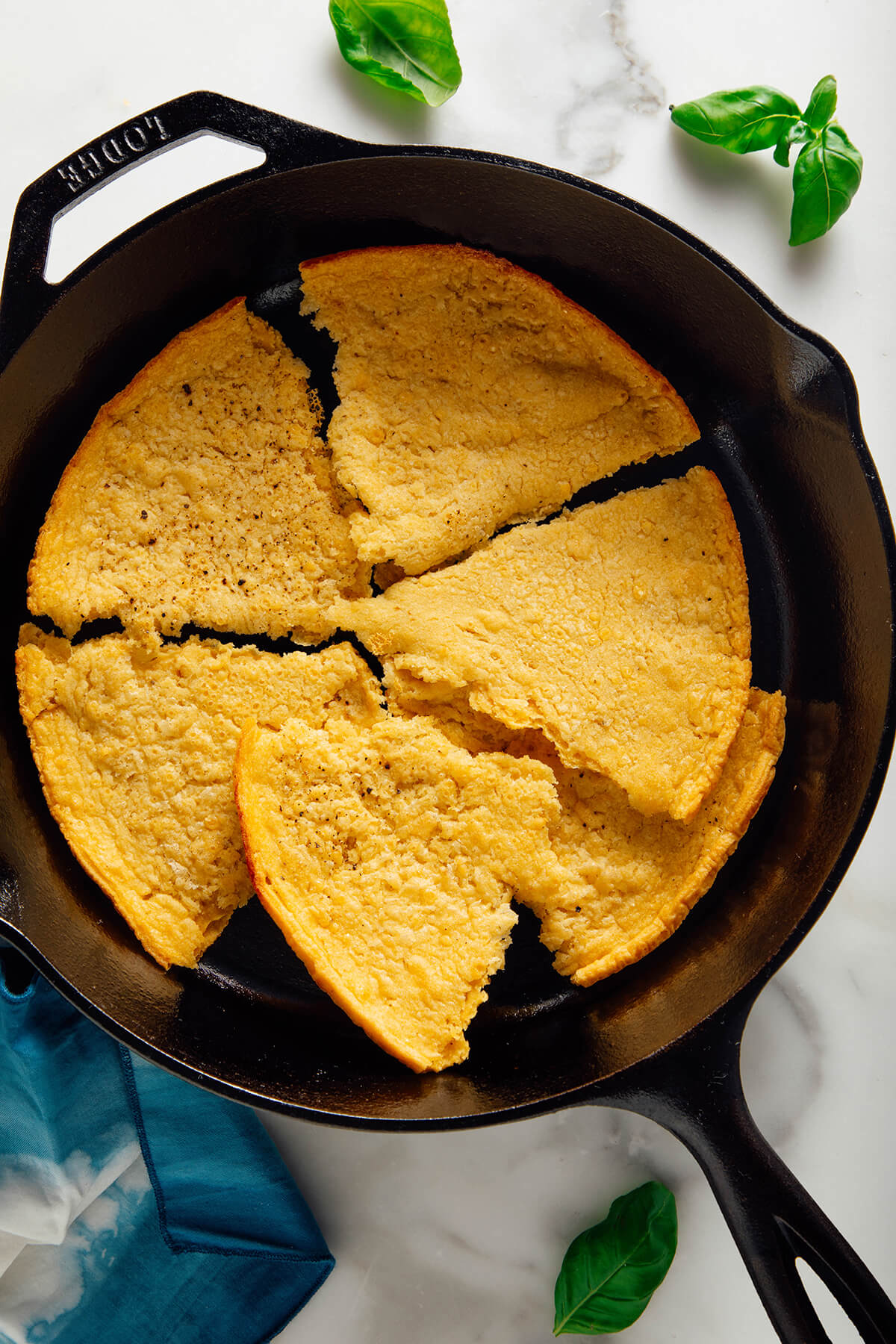
The cooking method is crucial for achieving the desired texture. Authentic socca is cooked at extremely high temperatures, traditionally in wood-fired ovens. For home preparation, a well-seasoned cast iron skillet is highly recommended due to its exceptional heat retention and ability to create a perfectly lacy, golden-brown crust. Stainless steel pans can also be used, though they may require slightly longer baking times to achieve adequate browning. Non-stick pans are generally unsuitable due to their inability to withstand the high temperatures required for proper socca development. The typical yield is one 12-inch flatbread, approximately a quarter-inch thick, offering a balance of crisp edges and a custardy interior. For those preferring a thinner, crisper result or without a large skillet, the batter can be divided and baked in two smaller 10-inch batches, extending its utility for various culinary applications like wraps.
Nutritional Profile and Dietary Advantages
Beyond its captivating taste and historical allure, socca stands out for its impressive nutritional profile and suitability for various dietary needs, aligning perfectly with contemporary health trends. Crafted entirely from chickpea flour, it is inherently gluten-free, making it an excellent alternative to wheat-based flatbreads for individuals with celiac disease or gluten sensitivities. Furthermore, its composition of chickpea flour, water, and olive oil renders it completely vegan, appealing to a growing demographic seeking plant-based options.
Chickpea flour itself is a nutritional powerhouse. It is rich in protein, providing essential amino acids crucial for muscle repair and growth, and contributes significantly to satiety. It is also an excellent source of dietary fiber, which aids in digestion, helps regulate blood sugar levels, and supports gut health. The olive oil content provides healthy monounsaturated fats, known for their cardiovascular benefits and anti-inflammatory properties, integral to the lauded Mediterranean diet. A typical serving of socca offers a balanced intake of complex carbohydrates, protein, and healthy fats, making it a more wholesome choice compared to many refined flour products. "Socca is a prime example of how traditional foods can offer substantial nutritional benefits that resonate with modern health consciousness," states Dr. Anya Sharma, a registered dietitian. "Its natural gluten-free and vegan status, coupled with its fiber and protein content, positions it as an ideal option for diverse dietary preferences without compromising on flavor or cultural authenticity."
Versatility: From Street Snack to Gourmet Canvas
The appeal of socca extends far beyond its traditional role as a simple street snack. Its neutral yet savory flavor and robust texture make it an incredibly versatile culinary base, inviting a myriad of serving possibilities that range from rustic elegance to sophisticated innovation. In Nice, it is most commonly enjoyed fresh out of the oven, torn into pieces, and generously seasoned with extra freshly ground black pepper, often accompanied by a chilled glass of local rosé, embodying the quintessential Provençal apéritif.
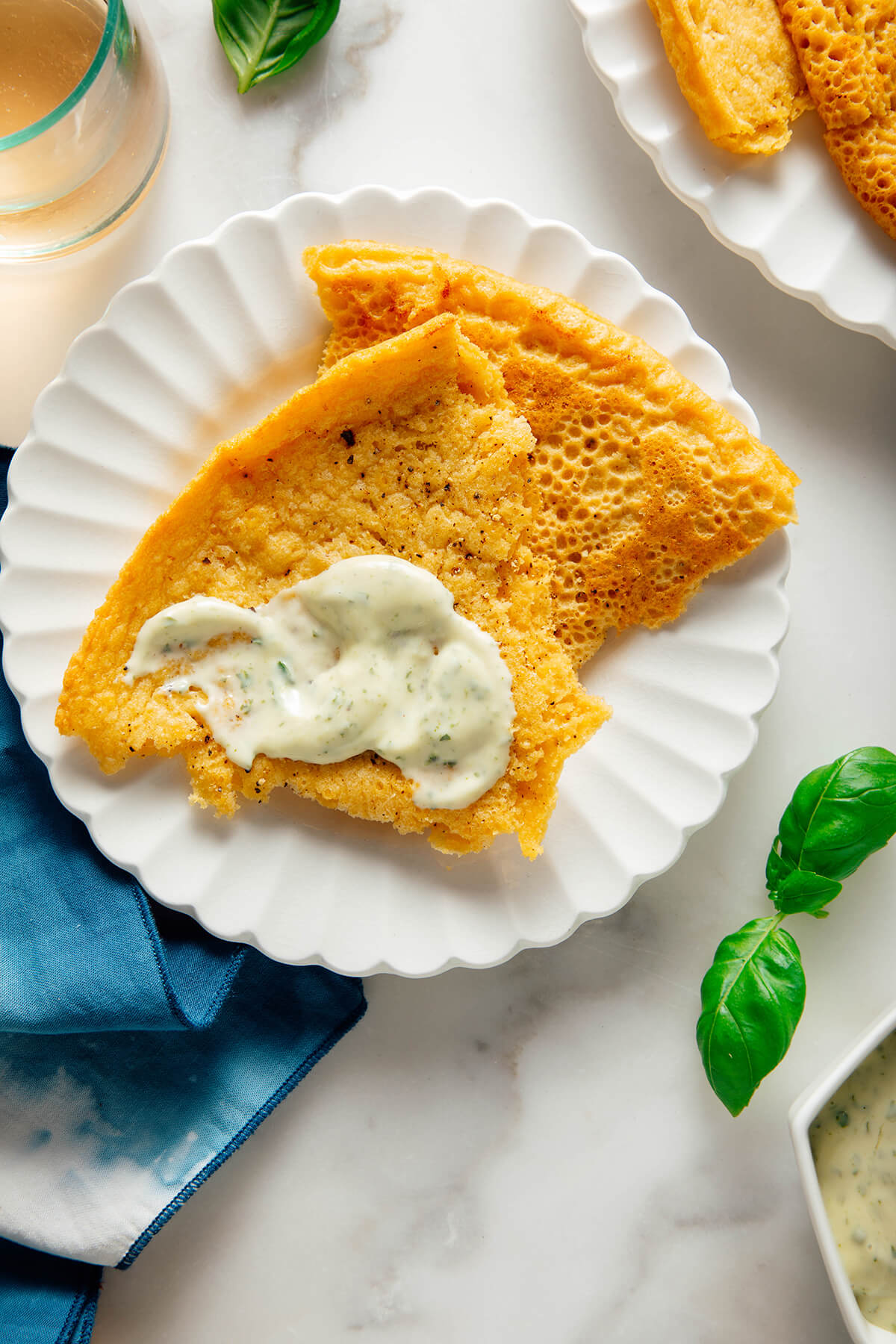
However, its adaptability has led to numerous modern interpretations. As a sturdy yet tender flatbread, socca serves as an excellent vehicle for various dips. Classic pairings include a creamy basil mayonnaise (reminiscent of a summery aioli), a vibrant Green Goddess Tahini Dip for a fully vegan option, or a pungent olive tapenade, which echoes its Mediterranean roots. The rise of "messy wraps" has also found a perfect canvas in socca. It can be generously spread with creamy cheeses like ricotta, feta, or goat cheese, or a rich tahini sauce for a dairy-free alternative. These bases are then layered with fresh, chopped vegetables such as ripe tomatoes and crisp cucumbers, or roasted vegetables like eggplant and cauliflower. Sun-dried tomatoes, additional olives, or a scattering of fresh basil leaves further enhance the flavor profile, creating a wholesome and satisfying meal.
Perhaps one of the most exciting adaptations is its use as a healthier pizza crust. Socca provides a wonderfully crisp and flavorful foundation for pizzas, offering a gluten-free alternative that is both nutritious and delicious. Topped with a vibrant basil pesto, melted mozzarella, and an assortment of fresh vegetables or cured meats, it transforms into a gourmet pizza experience. This transformation underscores socca’s potential to integrate into diverse culinary landscapes, moving beyond its niche to become a mainstream ingredient for innovative dishes. Food critics and chefs are increasingly highlighting socca’s potential. Chef Antoine Dubois, proprietor of a celebrated Niçoise restaurant, remarked, "While we cherish the traditional socca, its emergence as a canvas for new flavors, especially as a gluten-free pizza base, showcases its incredible relevance in today’s dynamic culinary world. It’s a bridge between our past and the future of healthy, delicious eating."
Global Impact and Future Outlook
The journey of socca from the local markets of Nice to international prominence is indicative of broader trends in gastronomy: a renewed appreciation for authentic regional foods, a demand for healthier and diet-inclusive options, and a growing curiosity for simple, yet profound, culinary experiences. As food media, travel, and health consciousness continue to expand, traditional dishes like socca find new audiences and interpretations.
Its rising profile is not just a culinary trend but also a testament to the power of social media and food blogs in disseminating recipes and techniques globally. The ease of preparing it at home, combined with its photogenic qualities, has contributed to its virality across digital platforms. This digital advocacy complements the efforts of culinary enthusiasts and chefs who champion its unique qualities in their restaurants and publications. The City of Nice Tourism Board has also noted the increased interest in socca as visitors seek authentic local experiences. A spokesperson stated, "Socca is a cornerstone of our gastronomic tourism. It offers visitors a direct taste of our heritage, and we are delighted to see its story resonate with food lovers worldwide, encouraging them to explore the rich flavors of our region."
Looking ahead, socca is poised for continued growth. Its inherent qualities—simplicity, deliciousness, and broad dietary appeal—ensure its relevance in a world increasingly seeking both comfort and innovation in food. Whether served unadorned as a humble street snack, integrated into a sophisticated brunch spread, or reimagined as a creative pizza crust, socca stands as a vibrant symbol of Mediterranean culinary heritage, successfully navigating the complexities of modern palates while retaining the soulful essence of its ancient roots.