




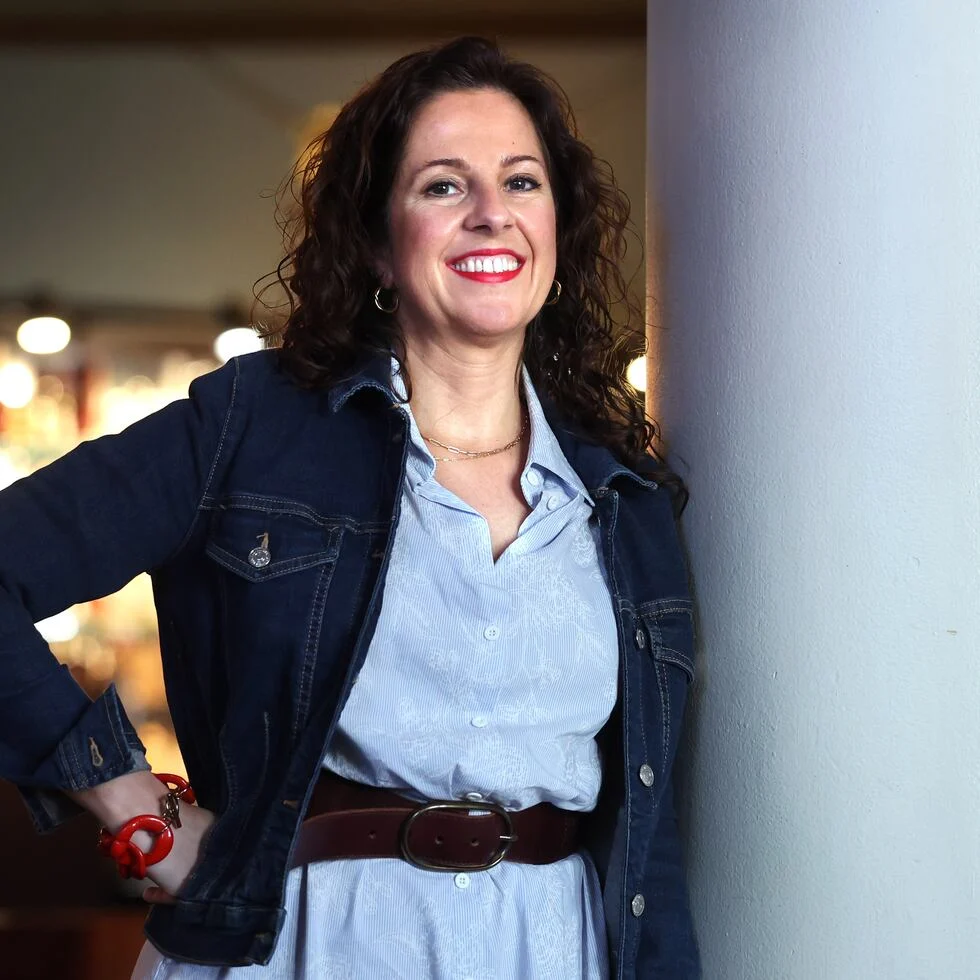
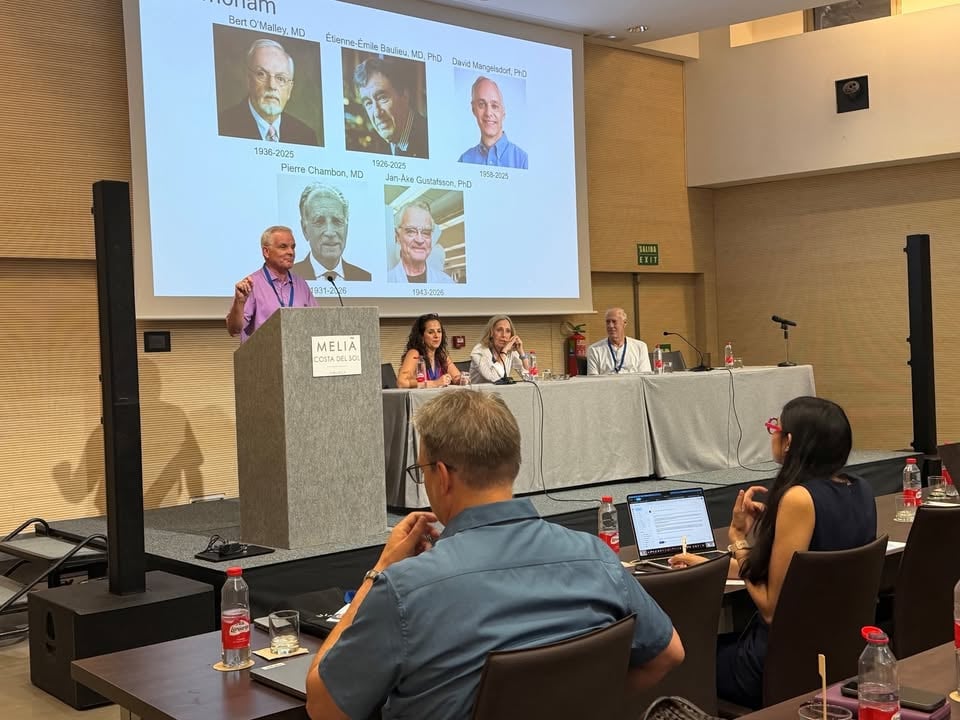
The Endocrine Society’s Science Summit 2026, held from September 21 to 23 in the coastal city of Málaga, Spain, marked a pivotal moment for the global endocrinology community as researchers pivoted from traditional molecular exploration toward the practical application of nuclear receptor science in treating age-related pathologies. Titled "Networked for Life: Nuclear Receptors in Age-Related Diseases," the three-day summit convened a prestigious assembly of international scientists, clinicians, and emerging scholars to address one of the most pressing challenges of the 21st century: the health of an aging global population. Under the leadership of co-chair Inés Pineda-Torra, PhD, a professor of Cardiometabolic Medicine and Group Leader at the Andalusian Centre of Molecular Biology and Regenerative Medicine (CABIMER), the event underscored the maturing of the field, showcasing how fundamental biochemical insights are finally crossing the "valley of death" into clinical viability.
The Málaga Summit: A Nexus of Discovery and Translation
The selection of Málaga as the host city was symbolic of Spain’s growing influence in the European life sciences sector, particularly through institutions like CABIMER in nearby Sevilla. The summit was designed to be more than a standard academic conference; it functioned as a strategic workshop intended to dismantle the "silos" that have historically separated researchers studying different classes of nuclear receptors. Nuclear receptors—a class of proteins found within cells that are responsible for sensing steroid and thyroid hormones and certain other molecules—act as transcription factors that regulate gene expression. Because they govern everything from metabolism and development to immune function, they have long been prime targets for drug development.
Throughout the summit, the atmosphere was characterized by a sense of urgency. As global life expectancy continues to rise, the prevalence of age-related conditions such as cardiovascular disease, type 2 diabetes, neurodegeneration, and various cancers has surged. The discussions in Málaga centered on the premise that nuclear receptors are the "master switches" of the aging process. By learning to modulate these switches with greater precision, scientists hope to not only treat symptoms but fundamentally alter the trajectory of biological aging.

A Chronology of Scientific Exchange: From Mechanisms to Medicine
The summit followed a rigorous three-day schedule that moved logically from the micro to the macro level of biological organization.
Day One: The Specificity of Sex and Hormonal Health
The opening day was dedicated to the nuances of women’s health, a field that has historically suffered from a lack of sex-specific data. Experts presented findings on hormonal cancers and metabolic diseases, emphasizing that nuclear receptor signaling does not operate identically across sexes. A significant portion of the day was devoted to the intersection of menopause and cardiovascular risk. Dr. Pineda-Torra’s own research served as a cornerstone for these discussions, highlighting how the decline of estrogen during menopause interacts with lipid metabolism and immune signaling to increase heart disease risk in women.
Day Two: Metabolism, Immunology, and the "Promiscuity" of Receptors
The second day shifted focus toward the broader metabolic and immunological landscapes. One of the most talked-about concepts was the "promiscuity" and interaction between different nuclear receptors. Traditionally, a researcher might study the Estrogen Receptor (ER) or the Peroxisome Proliferator-Activated Receptor (PPAR) in isolation. However, the summit highlighted that these receptors often engage in "crosstalk," where the activation of one influences the behavior of another. This complexity explains why some drugs have unexpected side effects and why others fail to show efficacy in heterogeneous patient populations.
Day Three: Translational Success Stories and the Future Road Map
The final day focused on the "bench-to-bedside" transition. Two major translational success stories were showcased, demonstrating how long-term research into nuclear receptor ligands has resulted in approved therapies for complex conditions. While the specific names of the latest phase-III triumphs were a focal point of closed-door discussions, the broader message was clear: the field is no longer just about mapping pathways; it is about saving lives.
Supporting Data: The Impact of Nuclear Receptor Targeting
The significance of the research discussed in Málaga is supported by a wealth of pharmacological data. Currently, approximately 15% to 20% of all FDA-approved drugs target nuclear receptors. This includes well-known medications such as glucocorticoids for inflammation, thyroid hormones for hypothyroidism, and tamoxifen for breast cancer.
However, the "Science Summit 2026" sought to expand this reach. Data presented at the conference suggested that the next generation of "selective nuclear receptor modulators" (SNRMs) could reduce the side-effect profiles of current treatments. For instance, in the context of age-related metabolic decline, new ligands for Liver X Receptors (LXRs) are being developed that can stimulate cholesterol efflux—essentially "cleaning" the arteries—without causing the fatty liver issues that plagued earlier generations of these drugs.

Furthermore, the summit emphasized the economic imperative of this research. According to the World Health Organization (WHO), by 2030, one in six people in the world will be aged 60 years or over. The cost of treating age-related chronic diseases is projected to reach into the trillions of dollars globally. If nuclear receptor research can delay the onset of frailty or metabolic dysfunction by even five years, the "longevity dividend" could be worth billions in saved healthcare costs and increased productivity.
Official Responses and Expert Perspectives
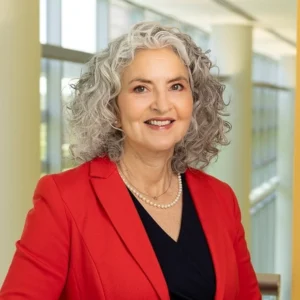
Inés Pineda-Torra, PhD, expressed profound optimism regarding the summit’s outcomes. In her discussions with Endocrine News, she noted that the evolution of the field into oncology and immunology is particularly exciting. "I hope it was truly inspiring for all attendees to see how research in the nuclear receptor field can evolve from the most cellular and biochemical fundamental aspects to the treatment of complex conditions in the clinic," Pineda-Torra stated. She highlighted that the summit forced a necessary confrontation with the limitations of current models, requiring researchers to be explicit about the species and sex of their study subjects.
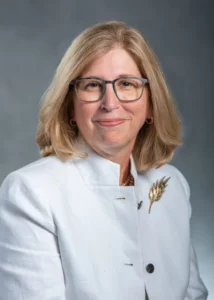
Christopher Glass, MD, PhD, of the University of California San Diego, a member of the organizing committee, provided a more tempered but equally vital perspective. While celebrating the enthusiasm of the 2026 cohort, he pointed out the "major gaps" that still exist. Glass noted that while we have mapped many receptors, our understanding of their dynamic roles in fluctuating physiological states remains incomplete. He was a vocal proponent of the consensus reached at the meeting’s end: that the community cannot wait long to reconvene. There was a unanimous call for the meeting to be held again in 2028 to track progress on the gaps identified in Málaga.
Broader Impact and Clinical Implications
The implications of the Málaga summit extend far beyond the walls of the Andalusian Centre. One of the most significant shifts identified was the move toward "precision endocrinology." By understanding how individual genetic backgrounds and sex-specific biological environments influence nuclear receptor activity, clinicians can begin to move away from a "one-size-fits-all" approach to hormone therapy and metabolic management.
For women’s health, the summit’s focus on the post-menopausal transition is revolutionary. For decades, hormone replacement therapy (HRT) has been a subject of controversy and shifting guidelines. The research presented in Málaga provides a more granular look at why heart disease affects women differently, suggesting that future therapies might target specific lipid-immune intersections rather than simply replacing lost hormones.
In the realm of oncology, the focus on nuclear receptors as metabolic regulators offers new avenues for "starving" tumors. Many cancers hijack nuclear receptor pathways to fuel their rapid growth; by modulating these receptors, scientists are finding ways to disrupt cancer metabolism without the systemic toxicity of traditional chemotherapy.
Conclusion: The Path to 2028
As the Endocrine Society’s Science Summit 2026 concluded, the delegates left Málaga with a reinforced sense of purpose. The field of nuclear receptor research is at a critical juncture. The transition from fundamental molecular biology to clinical application is no longer a distant goal but a current reality. However, as Dr. Glass and Dr. Pineda-Torra both emphasized, the complexity of these biological "networks" requires a sustained, collaborative effort.
The roadmap established in Spain sets the stage for the next two years of investigation. Priorities include refining the specificity of receptor ligands, improving the diversity of clinical trial populations to include more women and elderly participants, and exploring the "orphan" receptors whose endogenous ligands remain a mystery. As the scientific community looks toward the proposed 2028 summit, the work begun in Málaga stands as a testament to the enduring vitality of endocrine science and its essential role in defining the future of human health and longevity.