






A comprehensive review of existing scientific literature has shed new light on the role of multivitamins in human health, concluding that while they are effective in improving certain nutrient biomarkers, they do not demonstrate a consistent ability to prevent disease. The findings, published in the Journal of Dietary Supplements, challenge some of the more optimistic claims surrounding multivitamins as a universal health intervention and underscore the importance of a nuanced understanding of their benefits.
The review, led by Dr. Taylor Wallace, CEO of research firm Think Healthy Group, meticulously analyzed numerous studies to assess the impact of multivitamin supplementation. The most robust and consistent benefit identified was the improvement of circulating levels of folate, vitamin B6, and vitamin B12. These B vitamins are crucial for a variety of metabolic processes, including DNA synthesis, red blood cell formation, and neurological function. The study authors noted that the impact on other vitamin biomarkers was more variable, often depending on an individual’s baseline nutritional status and the specific formulation of the multivitamin used. This suggests that for individuals with pre-existing nutrient deficiencies, multivitamins might offer more pronounced improvements in those specific nutrient levels.
Beyond the alteration of nutritional status, the review explored the potential clinical benefits of multivitamins. It indicated some promising associations with prenatal health and cognitive function, but these findings were heavily qualified. The authors stressed that these benefits are highly context-specific and can vary significantly depending on the specific outcomes measured, the populations studied, and the control groups used for comparison. This variability suggests that the impact of multivitamins on complex health outcomes like cognitive decline or pregnancy complications is not a simple cause-and-effect relationship and is likely influenced by a multitude of other lifestyle, genetic, and environmental factors.

Dr. Wallace emphasized the critical distinction between improving a nutrient biomarker and preventing a clinical disease. "Interpreting this evidence requires attention to the formulation, baseline nutritional status, and the outcome being measured," he stated on LinkedIn. "Improving a nutrient biomarker and preventing a clinical disease are different objectives." This statement highlights a common misconception in public understanding of supplements, where an improvement in a lab value is often conflated with a direct preventative effect against serious health conditions. The review’s findings suggest that while multivitamins can help fill nutritional gaps, they should not be viewed as a standalone solution for disease prevention.
The Nuances of Nutritional Supplementation: A Deeper Dive
The scientific community has long debated the efficacy of dietary supplements, particularly multivitamins, which are among the most widely consumed. Historically, multivitamins were developed to combat widespread nutritional deficiencies, such as scurvy or rickets, which were prevalent in the early 20th century. As public health measures and food fortification improved, overt deficiencies became less common in developed nations. This led to a shift in the perceived purpose of multivitamins, with many consumers and some proponents now viewing them as a means to optimize health, enhance longevity, and prevent chronic diseases.
However, the evidence supporting these more ambitious claims has been mixed and often inconclusive. Large-scale randomized controlled trials have frequently failed to demonstrate significant reductions in major chronic diseases like cardiovascular disease or cancer among those taking multivitamins. For instance, the Physicians’ Health Study II, a large trial involving over 14,000 male physicians, found no significant reduction in the incidence of myocardial infarction, stroke, or cancer in those taking a daily multivitamin over a decade. Similarly, the Women’s Health Initiative, another extensive study, reported no benefit of multivitamin use on the risk of cardiovascular disease or cancer in women.
The current review in the Journal of Dietary Supplements aligns with this body of evidence, providing a more granular analysis. By focusing on specific nutrient biomarkers, it acknowledges the direct physiological impact of supplement ingredients. For example, folate is essential for cell division and DNA repair. Adequate B12 is crucial for nerve function and the formation of red blood cells. Deficiencies in these vitamins can lead to tangible health issues, such as megaloblastic anemia (B12 and folate deficiency) or neural tube defects in infants (folate deficiency). Therefore, ensuring adequate levels through supplementation, especially for individuals with dietary restrictions or specific physiological needs, can be beneficial.
The study’s emphasis on context-specific benefits also points to the complexity of human physiology and the multifactorial nature of many diseases. Factors such as genetics, diet quality, physical activity, environmental exposures, and underlying health conditions all play significant roles. A multivitamin, by its nature, is a broad-spectrum intervention. While it may provide essential micronutrients, it cannot replicate the complex synergistic effects of nutrients found in whole foods, nor can it address the root causes of many chronic diseases.
Emerging Research on Citrus Flavonoids and Digestive Health

In parallel with the reassessment of multivitamins, new research is highlighting the potential health benefits of specific bioactive compounds, such as citrus flavonoids, for digestive health. These naturally occurring polyphenols, found abundantly in citrus fruits like oranges, grapefruits, and lemons, are known for their antioxidant and anti-inflammatory properties. Recent investigations are now pointing towards their specific role in supporting a healthy gut microbiome and improving digestive comfort.
Citrus flavonoids, including hesperidin, naringenin, and quercetin, are thought to exert their beneficial effects through several mechanisms. They can act as prebiotics, selectively stimulating the growth of beneficial bacteria in the gut. Certain gut bacteria can metabolize these flavonoids into more bioavailable compounds, which then exert local effects within the intestinal tract. Furthermore, their anti-inflammatory properties may help to calm an irritated gut lining, potentially alleviating symptoms associated with digestive distress.
While clinical trials specifically focused on isolated citrus flavonoid supplements for digestive health are still emerging, preliminary studies have shown promising results. For instance, research has indicated that flavonoids can modulate the composition of the gut microbiota, leading to an increase in beneficial bacteria like Bifidobacterium and Lactobacillus species, and a decrease in potentially pathogenic bacteria. This shift in microbial balance is crucial for maintaining gut integrity, nutrient absorption, and overall immune function.
The implication of this research is that targeted supplementation with specific, well-researched ingredients may offer more focused health benefits than broad-spectrum approaches. As the supplement industry increasingly moves towards ingredient-driven innovation, compounds like citrus flavonoids represent a growing area of interest for product development aimed at specific health concerns, such as digestive wellness.
Industry Trade Associations: Recognizing Innovation and Expanding Reach
The supplement industry is also characterized by dynamic activity from its trade associations, which play a vital role in advocating for the sector, fostering innovation, and promoting industry standards. Recent announcements from these organizations highlight a commitment to recognizing scientific advancements and expanding global collaboration.
Industry trade associations are actively opening nominations for prestigious awards that celebrate excellence in supplement science and product development. These awards often serve as a crucial platform for showcasing cutting-edge research, innovative formulations, and impactful finished products. By highlighting these achievements, associations aim to inspire further innovation, raise the bar for quality and efficacy within the industry, and educate both consumers and healthcare professionals about the potential of dietary supplements. The nomination period typically runs for several weeks, culminating in an awards ceremony at a major industry trade show or conference. This process often begins months in advance of the actual event, allowing ample time for submissions and rigorous evaluation by expert panels.
In addition to recognizing internal achievements, these trade associations are also actively pursuing overseas partnerships. These collaborations are essential for navigating the complexities of global regulatory landscapes, fostering international trade, and sharing best practices across different markets. By forging alliances with international counterparts, industry bodies can work towards harmonizing standards, facilitating market access for innovative products, and collectively addressing global health challenges. Such partnerships can involve joint research initiatives, shared advocacy efforts on international policy issues, and collaborative educational programs. The timing of these announcements often coincides with key global trade events, signaling a strategic push for international engagement.
New Product Launches and Industry Trends
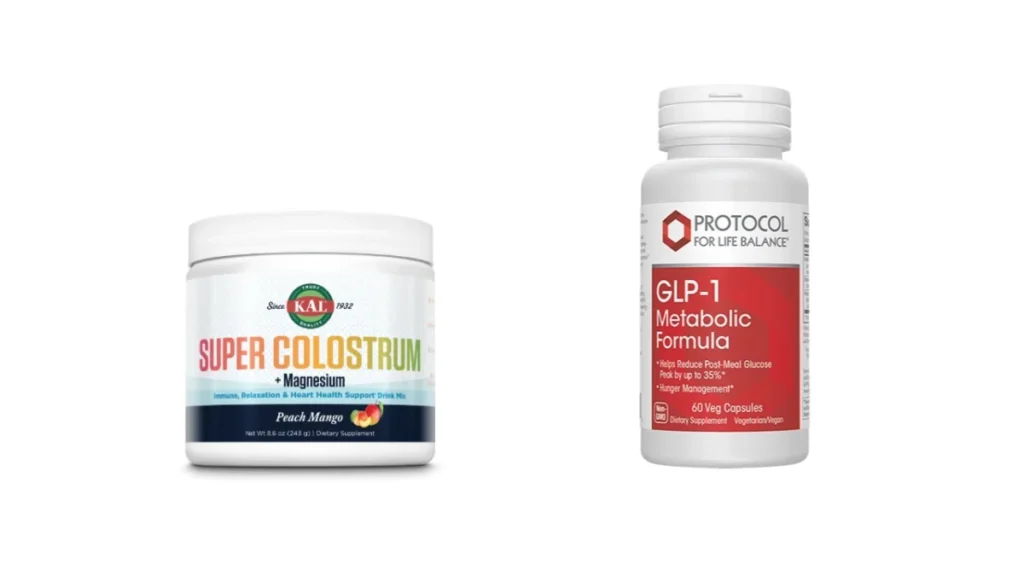
The dynamism of the supplement market is further illustrated by the continuous introduction of new finished products. Recent launches from companies like KAL Vitamins and Protocol for Life Balance exemplify current trends, focusing on comprehensive whole-body support and metabolic health.
KAL Vitamins has introduced products that aim to provide broad nutritional support, often incorporating a blend of vitamins, minerals, and botanical extracts designed to address various physiological systems. These formulations often emphasize the synergistic effects of multiple ingredients, reflecting a growing consumer interest in holistic health solutions.
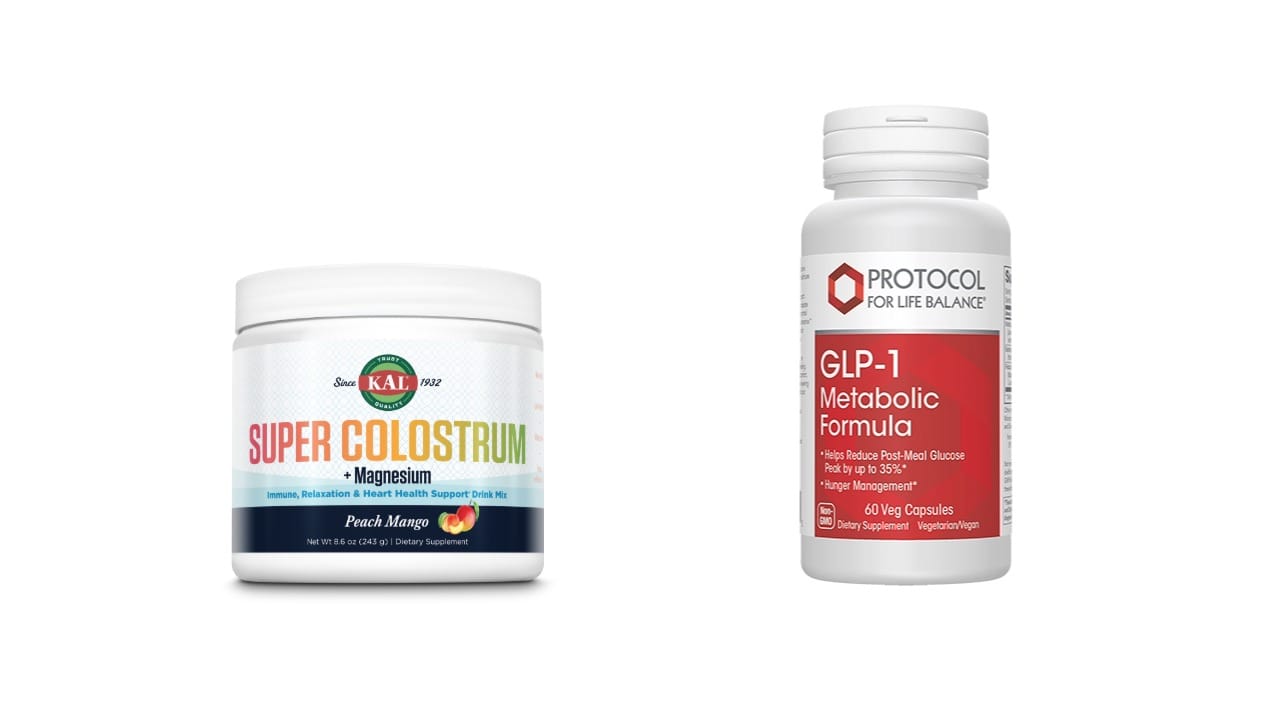
Protocol for Life Balance, on the other hand, is increasingly focusing on products designed to support metabolic health. This trend is likely influenced by the growing public awareness of metabolic disorders, such as insulin resistance and type 2 diabetes, and the role of diet and lifestyle in managing them. Products in this category often feature ingredients that have been studied for their potential to support healthy blood sugar levels, improve energy metabolism, or promote weight management. For example, some formulations might include ingredients like cinnamon, chromium, or specific botanical extracts known for their metabolic benefits. The recent emergence of GLP-1 medications has also significantly impacted the conversation around metabolic health, potentially influencing the development of supplements that complement or support these therapeutic approaches.
The inclusion of "Super Colostrum" in one of the featured product lines underscores another significant trend: the utilization of novel or less common ingredients with purported health benefits. Colostrum, the first milk produced by mammals after giving birth, is rich in antibodies, growth factors, and other immune-supporting compounds. Its inclusion in dietary supplements reflects a growing interest in leveraging these bioavailable nutrients for immune health, gut health, and even athletic performance.
The Road Ahead: Continued Scrutiny and Innovation
The ongoing dialogue surrounding dietary supplements, as highlighted by the recent review on multivitamins and the emerging research on citrus flavonoids, underscores a critical need for evidence-based approaches. While the supplement industry continues to innovate, driven by consumer demand for improved health and well-being, regulatory bodies and scientific researchers maintain a vigilant stance.
The implications of the multivitamin review are far-reaching. It calls for greater consumer education to manage expectations and encourage informed choices. Consumers should be encouraged to prioritize a nutrient-dense diet as the primary source of their nutritional needs and to view supplements as adjuncts, rather than replacements, for healthy eating. For healthcare providers, these findings reinforce the importance of personalized nutrition advice, taking into account an individual’s dietary habits, health status, and specific needs before recommending any supplementation.
The burgeoning research into specific bioactive compounds like citrus flavonoids suggests a future where supplements become more targeted and personalized. Instead of a one-size-fits-all approach, consumers may increasingly opt for supplements designed to address particular health concerns, supported by robust scientific evidence. This shift necessitates continued investment in research and development within the industry, as well as collaboration between manufacturers, academic institutions, and regulatory agencies to ensure the safety and efficacy of these new products.
The active role of industry trade associations in fostering innovation through awards and expanding global reach through partnerships signifies a mature and evolving sector. These efforts are crucial for promoting responsible growth, upholding industry integrity, and ensuring that consumers have access to safe and effective products. As the global marketplace for dietary supplements continues to expand, international cooperation will be paramount in addressing regulatory hurdles and establishing a consistent framework for product quality and marketing.
The insights provided by the Journal of Dietary Supplements review, coupled with the promise of novel ingredients and the strategic initiatives of industry organizations, paint a picture of a sector undergoing continuous refinement. The journey from scientific discovery to finished product is complex, but the industry’s commitment to innovation, coupled with increasing scientific scrutiny, suggests a future where dietary supplements play a more precise and evidence-backed role in supporting human health.
Devon Gholam, Ph.D., Editor at SupplySide Supplement Journal, has been immersed in the functional food and nutraceutical industry for nearly two decades. Her extensive experience spans product development, innovation, technical sales, and technical writing at esteemed organizations such as the Kellogg Co., Ganeden Biotech (now part of Kerry), and Step Change Innovations. Dr. Gholam possesses a fervent interest in women’s health and the transformative impact of GLP-1 medications on the food, beverage, and supplement sectors. She is dedicated to leveraging her distinctive passion for knowledge and credible science to cultivate a spirit of innovation and collaboration within the nutraceutical community.