





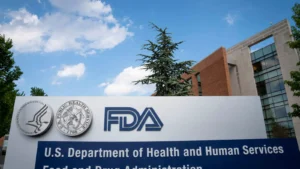


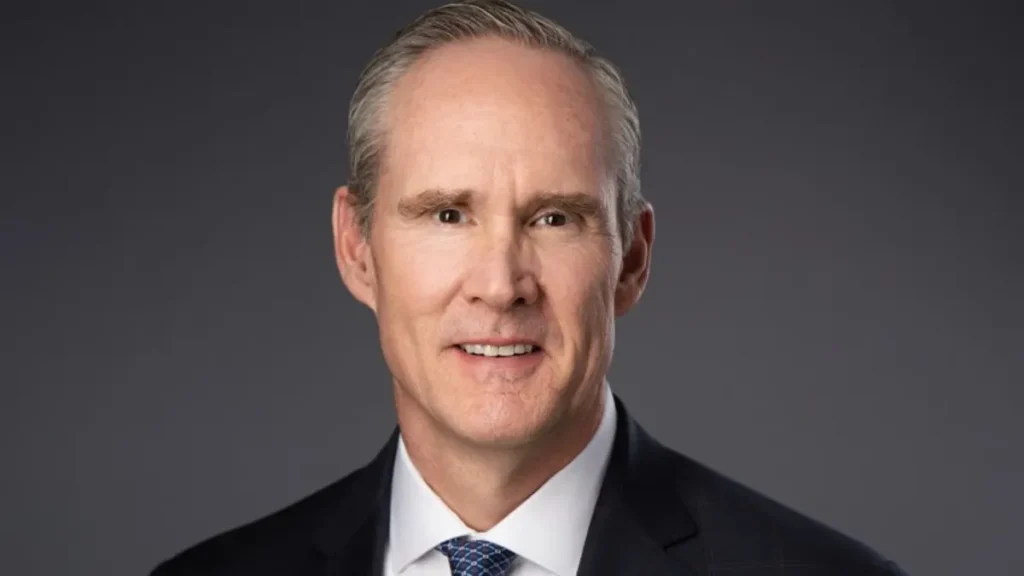
Olympus Corporation, a dominant global force in the endoscope manufacturing sector, has entered a critical phase of operational restructuring and regulatory remediation as it seeks to resolve long-standing friction with the U.S. Food and Drug Administration (FDA). In a recent address to investors and stakeholders during the company’s second-quarter earnings presentation, Chief Executive Officer Bob White detailed an intensified strategy designed to address systemic quality control failures that have led to significant import bans on dozens of medical device models. White, who assumed the leadership role in June 2025, emphasized that the company is moving beyond reactive fixes toward a comprehensive overhaul intended to provide the "sustained evidence" of compliance that federal regulators now demand.
The stakes for the Tokyo-based multinational are exceptionally high. The FDA’s recent actions represent some of the most severe enforcement measures taken against a major medical device manufacturer in recent years. By blocking the entry of nearly 60 different endoscope models into the United States, the agency has sent a clear signal that previous attempts at correction were insufficient. For White, a veteran of the medtech industry with previous executive roles at Medtronic and GE HealthCare, the task is not merely technical but cultural, requiring a fundamental shift in how Olympus manages its global manufacturing and reporting obligations.
A Decade of Regulatory Friction: The Path to Import Bans
The current crisis at Olympus is the culmination of more than a decade of scrutiny regarding the safety and cleanliness of reusable endoscopes. The history of these challenges dates back to at least 2015, when the medical community and the FDA began investigating a series of "superbug" outbreaks—specifically carbapenem-resistant Enterobacteriaceae (CRE)—linked to reprocessed duodenoscopes. These complex devices, used in endoscopic retrograde cholangiopancreatography (ERCP) procedures, were found to be difficult to clean due to their intricate "elevator" mechanisms, which could harbor bacteria even after rigorous sterilization.

Between 2022 and 2023, the FDA issued three distinct warning letters to Olympus following inspections of its manufacturing facilities in Japan. These inspections uncovered persistent violations of the Quality System Regulation (QSR) and a recurring failure to adhere to Medical Device Reporting (MDR) requirements. MDR failures are particularly concerning to regulators, as they involve the timely reporting of device malfunctions or patient injuries—data that the FDA relies upon to monitor real-world safety.
The situation escalated dramatically in June 2025, when the FDA took the rare step of implementing an import alert that effectively blocked 58 models of Olympus endoscopes from entering the U.S. market. The enforcement action was expanded in October 2025, when the agency added five additional devices to the restricted list, citing a lack of progress in resolving identified deficiencies. These blocks affect a wide range of urological and gastrointestinal scopes, creating potential supply chain pressures for U.S. hospitals that rely heavily on Olympus technology.
Strategic Remediation Under New Leadership
Bob White’s appointment as CEO in mid-2025 was widely viewed as a strategic move to install a leader with deep experience in navigating the American regulatory landscape. During the latest earnings call, White was transparent about the company’s past shortcomings and the rigor of the current remediation program. He noted that the company has spent the last year "intensifying efforts" and embedding external expertise directly into its quality management tiers.

"After almost a year of our intensified efforts, new leadership, and embedded expertise, we already see strides in addressing the FDA’s areas of concern," White stated. He elaborated that the remediation is not a singular event but a multi-faceted transformation involving:
- Expert Recruitment: Olympus has aggressively recruited industry veterans with specific backgrounds in quality assurance and large-scale manufacturing operations. These hires are intended to bridge the gap between Japanese manufacturing traditions and the specific documentation and reporting expectations of the U.S. FDA.
- Regulatory Headcount Expansion: The company has significantly increased the number of staff dedicated to FDA regulatory affairs. This expansion is designed to ensure that every potential safety signal is captured, analyzed, and reported within the mandated timeframes, addressing the "MDR failures" cited in previous warning letters.
- Sustainable Compliance Evidence: White emphasized that the FDA is no longer satisfied with promises of improvement. The agency requires "sustained evidence"—long-term data demonstrating that quality systems are functioning correctly across all manufacturing sites. Olympus is currently generating and compiling this data to petition for the lifting of the import alerts.
Financial Resilience Amidst Regulatory Headwinds
Despite the severe restrictions on its U.S. imports, Olympus’s financial performance has remained surprisingly robust, suggesting that the company’s global reach and other business segments are cushioning the blow. For the second quarter of the fiscal year ending March 31, 2027, Olympus reported a 9% increase in revenue, reaching 269.2 billion yen (approximately $1.68 billion).
The company’s ability to grow revenue in the face of U.S. import blocks can be attributed to several factors. First, the weakness of the Japanese yen against the U.S. dollar and the euro has provided a favorable tailwind for international sales. Second, while 63 models are currently blocked from U.S. entry, Olympus maintains a vast portfolio of other diagnostic and therapeutic tools that remain unaffected. Furthermore, the company’s "Therapeutic Solutions" division, which includes instruments for minimally invasive surgery, continues to see strong demand globally.
Reflecting this resilience, Olympus raised its guidance for the full fiscal year for revenue, adjusted operating margin, and adjusted earnings per share. This optimistic outlook suggests that management believes the worst of the regulatory impact has been priced in and that the path to remediation is clear, if arduous.
The Broader Impact on the Endoscopy Market
The ongoing challenges at Olympus are rippling through the broader medtech industry, influencing both competitor strategy and hospital procurement policies. The persistent concerns over the infection risks of reusable endoscopes have accelerated a market shift toward single-use, or "disposable," endoscopy.
Companies like Ambu and Boston Scientific have capitalized on the regulatory scrutiny facing reusable scopes by offering fully disposable alternatives that eliminate the risk of cross-contamination and the need for complex reprocessing. While Olympus has traditionally championed the high-definition imaging and durability of reusable scopes, the company has also begun to pivot, developing its own single-use solutions to remain competitive in a changing landscape.
For healthcare providers, the FDA’s import blocks on Olympus devices have necessitated a re-evaluation of inventory management. Hospitals that are "all-Olympus" shops are facing the reality of potentially aging fleets that cannot be easily replaced or expanded until the FDA is satisfied with the company’s remediation efforts. This has led to increased interest in secondary markets and a temporary boost for other manufacturers who can fill the void left by the restricted Olympus models.

Analysis of Implications: The Road to "Sustained Evidence"
The phrase "sustained evidence" used by Bob White is perhaps the most telling aspect of the current situation. In the world of FDA enforcement, a company that has received multiple warning letters is often placed under a microscope. The agency’s transition from warning letters to import alerts indicates a loss of trust. Rebuilding that trust requires more than just fixing a specific machine or updating a manual; it requires proving that the quality system can self-correct and maintain standards over time without constant federal intervention.
Industry analysts suggest that the lifting of the import alerts will likely be a staggered process. The FDA may choose to allow certain "low-risk" models back into the market while maintaining restrictions on more complex devices like duodenoscopes until Olympus can demonstrate flawless reporting and manufacturing for a period of 12 to 24 months.
Furthermore, the "new leadership" mentioned by White represents a broader trend in the medtech industry where Japanese firms are increasingly hiring Western executives to manage global regulatory hurdles. This cross-pollination of leadership styles is aimed at harmonizing international manufacturing practices with the rigorous, documentation-heavy requirements of the U.S. market.
Conclusion and Future Outlook
As Olympus moves toward the end of its fiscal year, the focus remains squarely on the FDA. The company’s ability to maintain its financial growth while undergoing a massive internal restructuring is a testament to its market dominance, but the long-term viability of its U.S. operations hinges on the successful resolution of the import alerts.
Bob White’s strategy of "accelerated remediation" is a high-stakes bet that a surge in expert hiring and a rigorous focus on data-driven compliance will satisfy a skeptical regulator. For patients and clinicians, the hope is that this process results in a safer, more transparent generation of endoscopic technology. For the medtech industry, the Olympus saga serves as a potent reminder that in the modern regulatory environment, financial success is inseparable from the integrity of a company’s quality management systems. The coming months will determine if Olympus’s strides in remediation are sufficient to reopen the doors to the world’s largest healthcare market.