









The pursuit of a comprehensive full-body workout no longer necessitates a sprawling home gym. For individuals navigating the constraints of limited living space, the prospect of incorporating a rowing machine might seem daunting due to their typically elongated design. However, the fitness equipment market has responded to this demand, offering a sophisticated array of compact rowing machines that integrate advanced technology and robust performance within a smaller footprint. This analysis delves into the top compact rowing machines available in 2025, evaluating their design, functionality, and suitability for space-conscious consumers.
The Evolving Landscape of Home Fitness Equipment
The trend towards at-home fitness has accelerated significantly over the past decade, driven by a confluence of factors including the increasing cost of gym memberships, a greater emphasis on personal health and wellness, and the rapid advancement of connected fitness technology. This surge in demand has spurred innovation, particularly in the design of equipment that can seamlessly integrate into residential environments. Rowing machines, long recognized for their efficacy in delivering a low-impact, high-calorie-burning workout that engages approximately 86% of the body’s muscle groups, have been a particular focus for manufacturers seeking to optimize their form factor. The challenge lies in balancing the natural mechanics of rowing, which require a certain length of travel for the seat and handle, with the practicalities of storage and space utilization in apartments, smaller homes, and even multi-functional living areas.
Rigorous Selection Criteria for Compact Rowers
The selection process for the best compact rowing machines was guided by a comprehensive set of criteria designed to reflect the needs and expectations of the target demographic. Each machine was evaluated based on its physical dimensions, with a particular emphasis on its overall footprint when in use and its storage capabilities, including folding mechanisms or upright storage solutions. Portability was assessed, considering factors like integrated transport wheels and the ease with which a user could move the machine. The cost-effectiveness was a significant consideration, balancing initial purchase price with any associated subscription fees for interactive features. High-tech features, such as integrated displays, connectivity options, and advanced resistance systems, were analyzed for their utility and integration into the user experience. Versatility was gauged by the machine’s ability to accommodate different workout styles and user preferences, while durability was inferred from material construction, build quality, and user feedback regarding longevity. Finally, extensive user reviews were scoured to provide a real-world perspective on each product’s performance, ease of use, and overall satisfaction.
Best Overall Compact Rowing Machine: Hydrow Wave
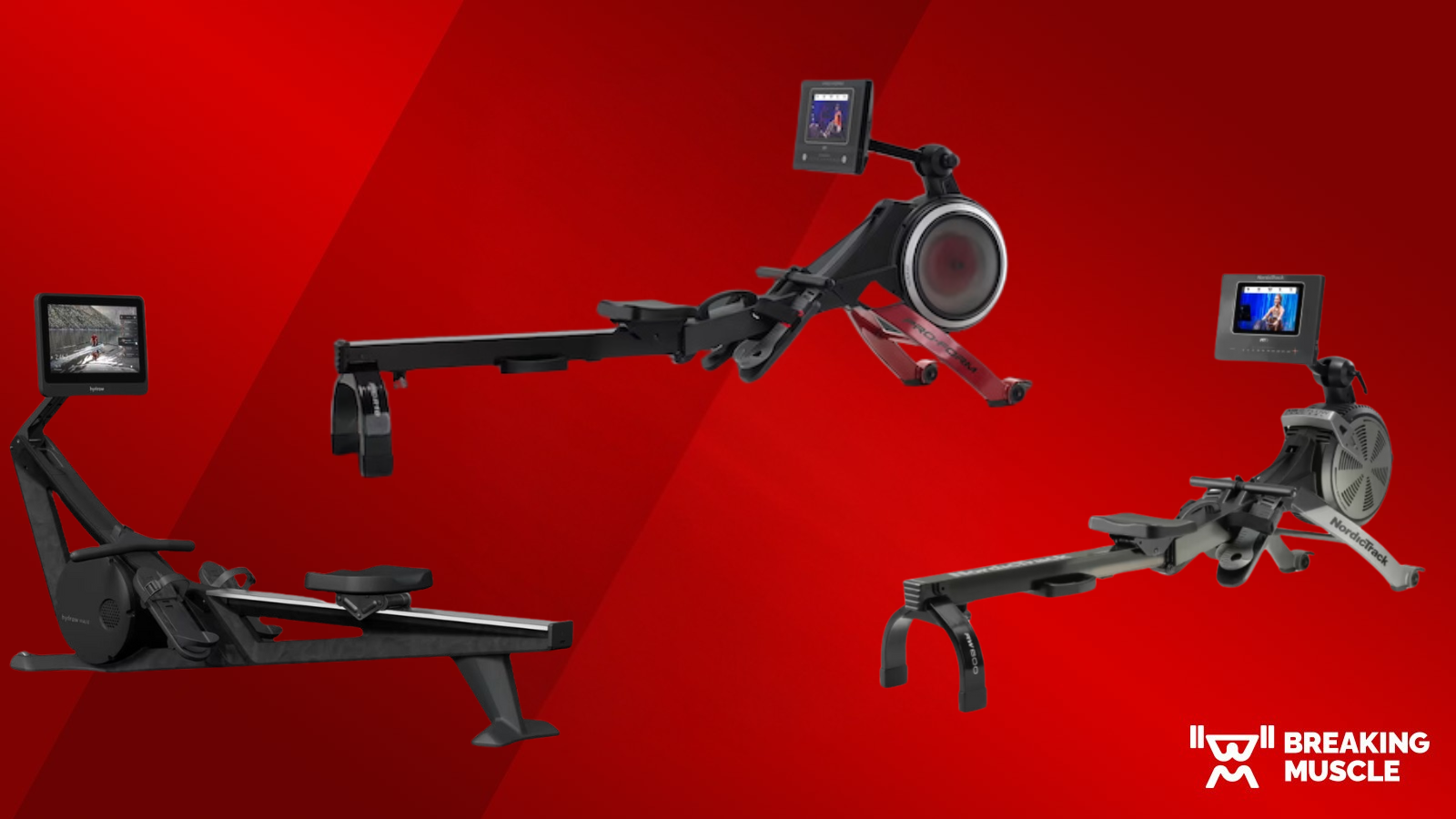
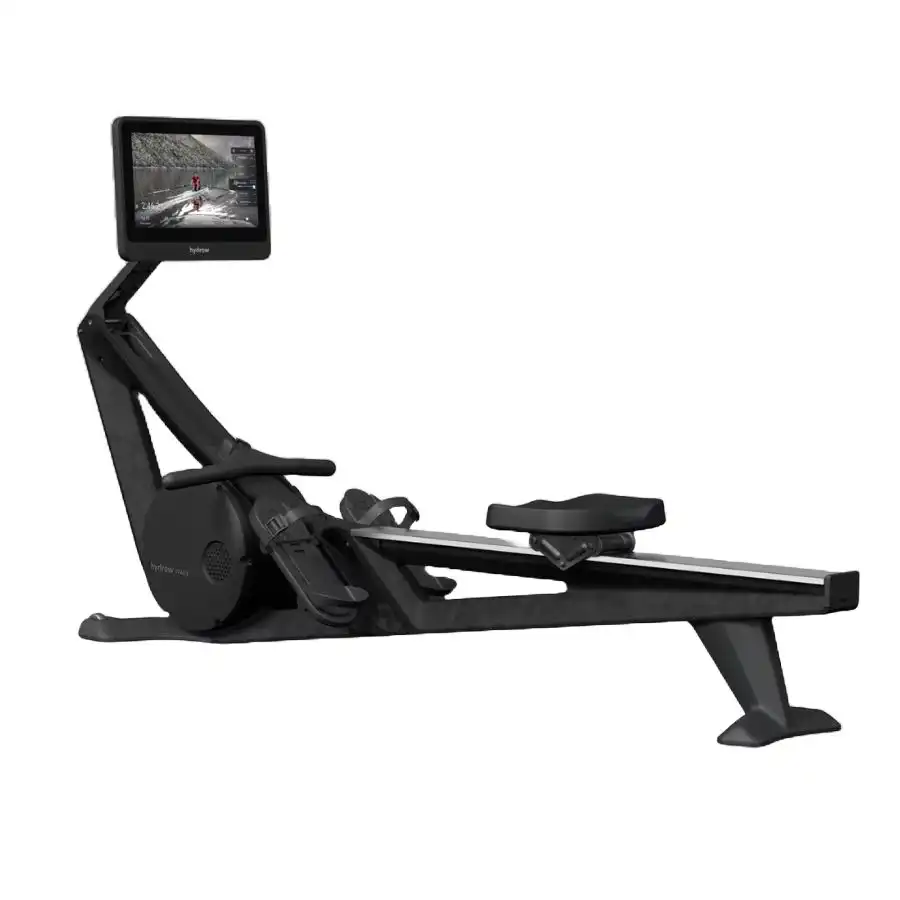
The Hydrow Wave emerges as a leading contender for individuals seeking a premium rowing experience without a substantial spatial commitment. This model is positioned as Hydrow’s more accessible and compact offering, designed to bring the brand’s signature immersive rowing sessions into smaller homes. Measuring 80 inches in length, it represents the shortest option among the evaluated machines, making it an attractive choice for those with very limited floor space. While the Hydrow Wave does not feature a traditional folding mechanism, it offers an innovative upright storage solution through the optional Hydrow Wave Vertical Anchor. This accessory, which attaches to the wall, allows the rower to be secured in a vertical position, significantly reducing its floor footprint when not in use. Although the anchor incurs an additional cost of approximately $190, it provides a practical answer to storage challenges.
The construction of the Hydrow Wave combines a robust aluminum and steel frame with a sleek, flat anthracite polymer body, contributing to its durability and relatively lightweight nature. The ergonomic handle is designed for a comfortable, low-stress grip, and the rowing strap is made from durable, water- and rot-resistant polyester webbing. A key technological feature is its patented electromagnetic drag system, engineered to replicate the fluid and natural feel of rowing on open water, offering a smooth and consistent resistance that can be finely tuned.
User feedback on the Hydrow website consistently highlights the machine’s quiet operation and compact design as major advantages. Many reviews praise the high quality of the build, with one user noting, "The machine is such great quality. It’s quiet and sleek looking." While a small percentage of critical reviews have mentioned issues with components arriving in a non-working state, Hydrow’s responsive customer service, as evidenced by their direct engagement with these reviews, suggests a commitment to resolving such problems. This proactive approach to customer satisfaction further solidifies the Hydrow Wave’s position as a top-tier compact rowing machine.
Best Compact Rowing Machine with Trainer-Led Workouts: NordicTrack RW700
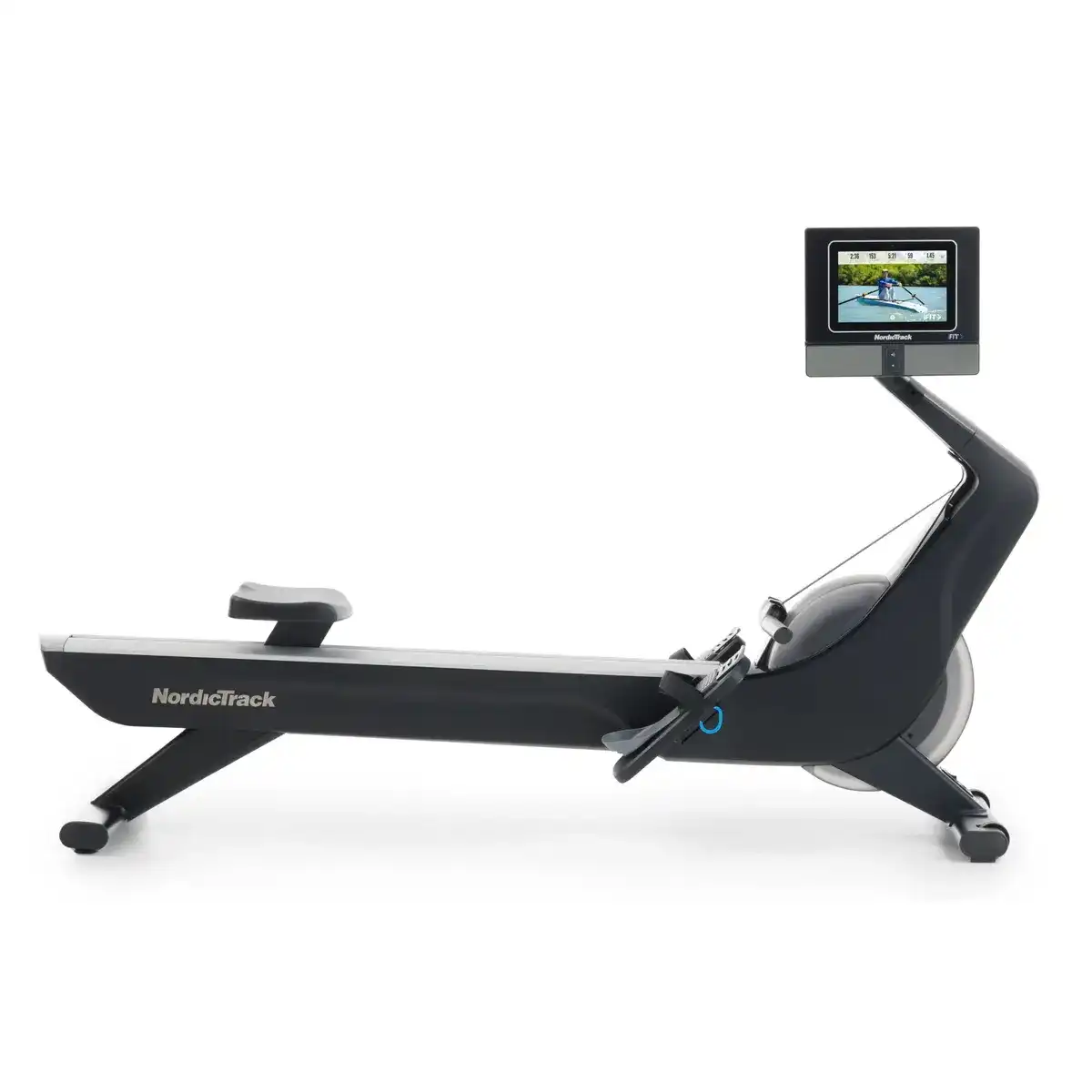
For users who prioritize guided instruction and an engaging, interactive workout experience, the NordicTrack RW700 stands out. This model features a 10-inch HD touchscreen that can be tilted and pivoted, allowing users to easily follow along with iFIT’s extensive library of trainer-led classes. These classes offer a diverse range of rowing sessions, from scenic outdoor routes designed to mimic real-world rowing environments to dynamic studio workouts. An iFIT subscription, priced at approximately $39 per month, unlocks access to live and on-demand content. It is important to note that while the rower is fully functional without a subscription, the full benefit of its interactive features is realized with iFIT membership.
A significant advantage of the RW700 is its automatic resistance adjustment. During iFIT classes, the resistance is seamlessly modified across 26 levels, ensuring that users can maintain focus on their form and effort without interruption. The machine is equipped with oversized foot pedals featuring adjustable nylon foot straps, which enhance stability and provide versatility for incorporating off-rower movements into a workout routine.
Constructed with a durable steel rail measuring 87 inches, the NordicTrack RW700 incorporates an inertia-enhanced flywheel designed to ensure smooth and consistent rotation during each stroke. Its magnetic resistance system operates quietly by creating tension against the flywheel without direct contact, making it an excellent choice for shared living spaces. While the machine can be easily repositioned using the front transport wheels, it does not fold for storage. This design prioritizes a stable and robust rowing experience over a compact storage solution, making it ideal for users who have a dedicated space for their equipment.
Best Foldable Compact Rowing Machine: ProForm Pro R10
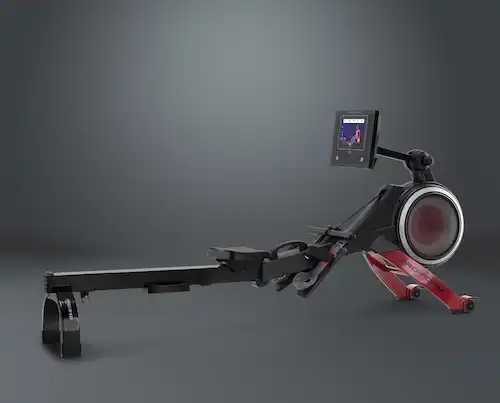
The ProForm Pro R10 addresses the critical need for space-saving storage with its intelligent folding design. By simply lifting the handle, the rower can be collapsed into a more compact form, and the integrated front-mounted transport wheels facilitate effortless movement and storage. This makes it an exceptional option for those who need to reclaim their living space after each workout.
The Pro R10 is equipped with a 10-inch HD touchscreen, offering a similar interactive experience to the NordicTrack RW700 through iFIT. Users can opt for guided classes or utilize the manual mode to track essential metrics such as watts, calories burned, time, strokes, and distance. The machine offers 24 levels of resistance, managed by ProForm’s proprietary Silent Magnetic Resistance system. This system allows users to fine-tune their workout intensity, catering to both cardiovascular endurance and strength-building objectives.
The design emphasizes stability and comfort. The flywheel is engineered for inertial consistency and smooth rotation, while the oversized steel rail provides a stable platform for each stroke. Large, pivoting foot pedals with adjustable nylon straps ensure secure foot placement, and the ergonomically molded seat is designed for extended comfort during longer rowing sessions. The combination of its foldable nature, interactive display, and smooth resistance system makes the ProForm Pro R10 a highly versatile and practical choice for home users.
Best Compact Rowing Machine for Cross-Training: Echelon Row-s
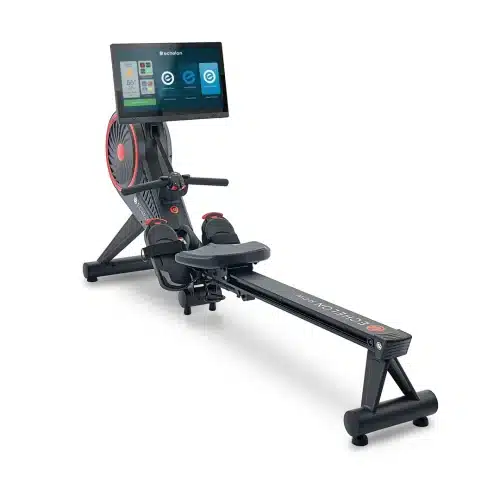
For fitness enthusiasts who integrate diverse training modalities into their routines, the Echelon Row-s offers unparalleled flexibility. Its standout feature is a 22-inch HD touchscreen that can rotate 180 degrees, enabling users to easily transition from on-rower instruction to off-rower exercises like yoga, strength training, or bodyweight circuits. While an Echelon Fit subscription is optional ($35 per month), it provides access to a vast library of over 40 live classes and more than 1,000 on-demand workouts, encompassing rowing, cycling, running, and functional training.
The design of the Echelon Row-s prioritizes user comfort and biomechanical efficiency. The seat is ergonomically contoured, and the adjustable foot platforms allow users to find an optimal position for maintaining proper posture and alignment during their workout. When space is a concern, the rower’s length can be reduced from 84 inches to a mere 41 inches when folded, making it remarkably compact for storage.
User testimonials on the Echelon website frequently commend the machine’s aesthetic appeal, quiet operation, and effective workout delivery. Reviewer Brett P. noted, "The machine looks great, operates very quietly, and gives a great workout no matter your level." This blend of advanced interactive capabilities, space-saving design, and user-centric features positions the Echelon Row-s as an ideal choice for individuals seeking a multi-functional piece of fitness equipment.
Best Value Compact Rowing Machine: NordicTrack RW600
The NordicTrack RW600 strikes an impressive balance between advanced technological features and affordability, positioning itself as an excellent value proposition in the compact rowing machine market. It features a 10-inch HD touchscreen, which is ideal for users who appreciate instructor-led classes through an iFIT membership. The machine utilizes NordicTrack’s patented Silent Magnetic Resistance system, offering up to 26 levels of adjustment that can be controlled automatically during iFIT classes or manually adjusted to suit individual preferences.
Comfort and stability are key design elements of the RW600. It boasts oversized pivoting foot pedals with secure nylon straps, and the handlebar is designed with a soft grip for enhanced comfort. The molded seat is engineered to provide support during prolonged workouts. A significant advantage for space-constrained users is the RW600’s ability to fold for vertical storage, making it easy to tuck away when not in use. This combination of interactive features, comfortable design, and practical storage solutions at a competitive price point makes the NordicTrack RW600 a compelling option for budget-conscious consumers.
Key Considerations for Choosing Your Compact Rower
Selecting the ideal compact rowing machine involves a careful assessment of several critical factors to ensure it aligns with your specific needs and living situation.
Footprint and Storage Solutions
The most fundamental consideration for a compact rower is its physical footprint. It is crucial to accurately measure the intended space for the machine, not only its length and width when in use but also the vertical clearance required for storage, especially if upright storage or folding is an option. Understanding these dimensions will prevent potential conflicts with existing furniture or architectural features. Manufacturers are increasingly offering innovative storage solutions, such as vertical anchors, wall mounts, or efficient folding mechanisms, which can dramatically alter the machine’s spatial impact when not in use. For instance, a rower that folds to half its length or stands vertically against a wall can transform a small room into a functional workout area.
Budget and Long-Term Costs
When considering a rowing machine, the budget extends beyond the initial purchase price. Many modern rowers, particularly those with interactive features, require a subscription to access premium content, live classes, and advanced training programs. These ongoing costs, typically ranging from $15 to $40 per month, should be factored into the overall financial outlay. Additionally, some rowers may offer optional accessories, such as heart rate monitors, lumbar support systems, or specialized mats, which can add to the total investment. It is advisable to research the pricing structures of both the equipment and any associated subscriptions to determine the most cost-effective option for your long-term fitness goals. While budget options under $200 exist, they often involve compromises in durability, features, and user experience, which may not be ideal for consistent use.
Technological Features and Resistance Systems
The array of technological features available on compact rowing machines varies widely. Decisions regarding the desired level of resistance, the type of display (from simple LCD screens to high-definition touchscreens), and connectivity options (Bluetooth, Wi-Fi) are paramount. For those seeking guided workouts, the availability and quality of interactive classes, trainer variety, and the user interface of the accompanying app are important. Resistance systems are also a key differentiator. Magnetic resistance is known for its quiet operation, making it suitable for shared living spaces. Air resistance offers a more dynamic and progressive challenge, often accompanied by a satisfying audible feedback. Some machines employ a dual system, combining air and magnetic resistance for a comprehensive workout experience. The number of resistance levels, typically ranging from 10 to over 25, allows users to tailor the intensity of their workouts, catering to both strength training and cardiovascular endurance goals. User weight and height capacities are also important considerations to ensure the machine is appropriately sized and rated for the intended user.
The Multifaceted Benefits of Rowing Workouts
Rowing is a remarkably efficient exercise that engages a significant portion of the body’s musculature, making it a powerful tool for improving overall fitness. Its low-impact nature places less stress on the knee and ankle joints compared to high-impact activities like running, making it accessible to individuals with joint concerns or those recovering from injuries.
A Comprehensive Full-Body Engagement
A single rowing stroke initiates a kinetic chain that involves nearly every major muscle group. The initial pull engages the legs, particularly the quadriceps and hamstrings, to drive the seat backward. This is followed by the core muscles, including the abdominals and back, which stabilize the torso and facilitate the transfer of power. Finally, the upper body, including the back, shoulders, biceps, and forearms, completes the pull motion. This integrated muscle activation contributes to improved cardiovascular health, enhanced muscular strength and endurance, and increased calorie expenditure. According to studies, rowing can effectively utilize up to 86% of the body’s muscles in a single session, highlighting its efficiency.
Building Endurance and Strength
The benefits of rowing extend to multiple dimensions of physical fitness. As an endurance exercise, it significantly improves cardiovascular health, strengthening the heart and lungs, and increasing stamina. By adjusting the resistance, rowers can also incorporate strength training into their regimen. Higher resistance levels challenge the muscles more intensely, promoting hypertrophy and power development. The National Institute of Health (NIH) emphasizes the importance of incorporating all four types of exercise—endurance, strength, balance, and flexibility—for optimal health. Rowing directly contributes to endurance and strength building, and with proper form and a focus on controlled movements, it can also indirectly enhance balance and flexibility. Many rowing machines offer programs and subscription services that are specifically designed to target these fitness components, further amplifying the workout’s benefits.
Final Considerations for the Space-Conscious Athlete
The market for compact rowing machines has matured significantly, offering a diverse range of options that cater to various needs and budgets. Whether the priority is an immersive, tech-driven experience like the Hydrow Wave, the guided instruction of the NordicTrack RW700, the space-saving foldability of the ProForm Pro R10, the cross-training versatility of the Echelon Row-s, or the value-packed performance of the NordicTrack RW600, there is a solution for nearly every home fitness enthusiast.
The decision-making process should be grounded in a realistic assessment of available space, the desired budget (including potential subscription fees), and the specific features that will enhance the user’s workout experience. By carefully considering these factors, individuals can confidently select a compact rowing machine that not only fits their living environment but also supports their fitness journey effectively. The continued innovation in this sector suggests that even more advanced and space-efficient rowing solutions will emerge, further democratizing access to this highly beneficial form of exercise.
Frequently Asked Questions About Compact Rowing Machines
How much does a compact rowing machine typically cost?
Compact rowing machines on the market in 2025 generally range in price from approximately $700 to over $2,000. This broad spectrum reflects differences in brand reputation, build quality, technological features, and included interactive content. While more budget-friendly options may exist, they might involve compromises in durability, advanced features, or the smoothness of the rowing experience. Investing in a machine within the mid to upper-mid price range often provides a better balance of quality, longevity, and user satisfaction.
What is the typical length of a compact rowing machine compared to a standard one?
Standard rowing machines can often measure between six to nine feet (approximately 1.8 to 2.7 meters) in length when fully extended. Compact rowing machines, while still requiring a functional length for the rowing motion, are designed to be shorter, typically falling within the six to seven-foot (approximately 1.8 to 2.1 meters) range. This reduction in length, combined with folding or vertical storage capabilities, is what defines their "compact" nature. For example, the Hydrow Wave at 80 inches (6.7 feet) is considered one of the shorter options, while others might extend slightly longer but offer superior folding mechanisms.
What is considered the optimal resistance level for a productive rowing workout?
The ideal resistance level for a rowing workout is highly individualized and depends on several factors, including the user’s current fitness level, prior experience with rowing, and specific training objectives. Generally, a workout should be challenging enough to stimulate adaptation but not so difficult that it compromises form or prevents the completion of the planned session. For endurance-focused workouts, a moderate resistance that allows for sustained effort is appropriate. For strength-focused sessions, higher resistance levels that increase the workload on the muscles are recommended. Many users find a good balance by using an iFIT or similar program that automatically adjusts resistance, or by experimenting with manual settings to find what feels most effective for their goals on any given day.
What are the different types of resistance mechanisms found in compact rowing machines?
Compact rowing machines commonly employ one or a combination of three primary resistance types: magnetic, air, and water.
- Magnetic Resistance: This system uses electromagnets to create resistance against a metal flywheel. It is known for its quiet operation, smooth and consistent feel, and precise adjustability, often offering numerous resistance levels.
- Air Resistance: This type utilizes a fan or impeller that spins faster as the user rows harder, creating a natural, progressive resistance. It often produces a satisfying whooshing sound and provides a dynamic workout that scales with effort.
- Water Resistance: Some rowing machines mimic the feel of rowing on water by using a paddle within a tank of water. The resistance is generated by the water itself, offering a fluid and natural rowing stroke, though these machines can sometimes be bulkier and noisier.
Many modern compact rowers, like the NordicTrack RW600, may integrate a dual system, such as air and magnetic resistance, to offer a wider range of workout possibilities and a more comprehensive training experience.