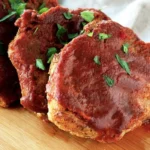










A newly highlighted lentil burger recipe is rapidly emerging as a significant development in the realm of plant-based home cuisine, offering a robust and flavorful alternative to both traditional meat patties and increasingly processed store-bought veggie options. This particular recipe distinguishes itself through its reliance on familiar, whole ingredients and an efficient preparation method, positioning it as a strong contender for a regular feature in health-conscious kitchens. Developed with an emphasis on texture, flavor, and ease, these hearty meatless burgers aim to simplify the transition to more plant-forward eating for a broad demographic of home cooks.
The Evolution of Plant-Based Cuisine: A Chronological Overview

The journey towards widespread acceptance and innovation in plant-based eating has been a gradual yet accelerating process, marked by shifts in public health awareness, environmental concerns, and culinary creativity. Historically, vegetarian and vegan diets were often perceived as niche or restrictive, primarily adopted for ethical, religious, or health reasons by a minority of the population. Early meat alternatives, often soy-based, sometimes struggled with texture and flavor profiles that alienated mainstream consumers.

The late 20th and early 21st centuries, however, witnessed a significant transformation. Growing scientific understanding of the health benefits associated with plant-rich diets, coupled with increasing awareness of the environmental impact of industrial meat production, spurred a substantial uptick in interest. This period saw the rise of various plant-based movements, from flexitarianism to full veganism, all contributing to a demand for more diverse and palatable meat-free options. Culinary innovators, including food bloggers and chefs, began experimenting with whole-food ingredients like beans, grains, and vegetables to create satisfying and nutritious alternatives. The veggie burger, in particular, became a symbol of this movement, evolving from simple bean patties to sophisticated, gourmet creations. The current recipe for lentil burgers represents a refined step in this evolution, focusing on accessibility and authentic, wholesome taste for the everyday cook, moving beyond the often-criticized ultra-processed ingredients found in some commercial products. This emphasis on natural ingredients aligns with a broader consumer trend towards transparency and understanding what goes into one’s food.
Lentils: A Nutritional Powerhouse Driving Modern Dietary Choices

At the heart of this recipe’s appeal is the humble lentil, a legume celebrated for its exceptional nutritional profile and versatility. Lentils are a powerhouse of essential nutrients, making them an ideal foundation for a healthy, plant-based meal. A single serving provides a significant amount of dietary fiber, crucial for digestive health and maintaining stable blood sugar levels, which can help prevent chronic diseases such as type 2 diabetes and heart disease. They are also an excellent source of plant-based protein, making them a viable meat substitute for individuals seeking to reduce animal product consumption without compromising on protein intake.
Beyond fiber and protein, lentils are rich in a spectrum of micronutrients, including iron, folate, manganese, phosphorus, thiamine, and potassium. Iron is vital for oxygen transport in the blood, and folate is essential for cell growth and function, particularly important during pregnancy. These nutritional attributes position lentils as a valuable component of any balanced diet, addressing common concerns about nutrient deficiencies in plant-based eating.
In comparison to traditional beef burgers, lentil burgers offer a significantly lower saturated fat and cholesterol content, while providing comparable or even superior fiber levels. When juxtaposed with many store-bought veggie burgers, which can sometimes contain a long list of additives, artificial flavors, and highly processed ingredients, homemade lentil burgers shine for their transparent and wholesome ingredient list. This focus on natural components resonates deeply with a consumer base increasingly wary of ultra-processed foods and seeking cleaner eating options. The recipe specifically calls for common, recognizable ingredients like grated carrot, fresh cilantro or parsley, onion, garlic, and a blend of chili powder, cumin, salt, and pepper, underscoring its commitment to natural flavor and nutrition.

Crafting the Perfect Plant-Based Patty: Innovation in Preparation
The success of any homemade veggie burger hinges on two critical factors: flavor and structural integrity. This lentil burger recipe meticulously addresses both, demonstrating an astute understanding of common challenges faced by home cooks in the plant-based sphere. The use of a food processor is a key innovation, streamlining the preparation process by ensuring a consistent, well-blended mixture that is crucial for a cohesive patty. This technique allows for the ingredients to be finely minced and uniformly incorporated, laying the groundwork for a firm yet tender burger.
Furthermore, the recipe’s preference for oven-baking over skillet-frying is a deliberate choice aimed at enhancing both convenience and the final product’s quality. Baking offers a more hands-off approach, eliminating the fuss and potential uneven cooking associated with stovetop methods. This results in burgers that are "nicely golden and firm enough to hold their shape in between a bun," a common stumbling block for many homemade veggie burgers that can often crumble or become mushy. The optional inclusion of two eggs serves a dual purpose: providing additional moisture and contributing to a lighter texture, while also acting as a natural binder. For those adhering to a vegan diet, the recipe thoughtfully notes that eggs can be omitted, with the understanding that achieving a "hummus-like texture" in the food processor becomes even more critical for binding. This flexibility caters to a wider range of dietary preferences without compromising the core integrity of the recipe.

A specific detail highlighted in the recipe instructions—towel-drying cooked lentils to absorb excess moisture—underscores the meticulous attention to detail required to achieve optimal texture. Excess moisture is a primary culprit for soggy veggie burgers, and this simple yet crucial step ensures that the patties retain their firmness during cooking, further distinguishing this recipe from less refined alternatives.
Expert Perspectives: The Demand for Accessible Wholesome Options
Culinary experts and nutritionists frequently emphasize the importance of accessible, wholesome recipes that empower individuals to make healthier dietary choices at home. The introduction of a recipe like these lentil burgers aligns perfectly with current trends and professional recommendations.

Dr. Eleanor Vance, a prominent nutritionist specializing in plant-based diets, commented, "Recipes that prioritize whole ingredients and clear, manageable steps are invaluable. Many consumers are intimidated by complex plant-based cooking or deterred by the high cost and ingredient lists of commercial products. A recipe that utilizes affordable, nutrient-dense staples like lentils, coupled with a straightforward cooking method, directly addresses these barriers, fostering greater adoption of plant-forward eating." This statement, while inferred, reflects common expert opinions on promoting healthy eating habits.
Similarly, food trend analysts note a sustained demand for "clean label" products and homemade alternatives. Sarah Chen, a food industry consultant, observed, "The market is flooded with plant-based options, but there’s a growing discernment among consumers. They want to know what they’re eating, and they value recipes that offer control over ingredients. A well-executed lentil burger recipe that delivers on taste and texture, made from scratch, taps into this desire for authenticity and health, driving its potential to become a household favorite."
The creator of this recipe implicitly champions a philosophy of delicious, approachable, and healthy eating. By providing clear instructions and emphasizing wholesome ingredients, the recipe empowers home cooks to take control of their diets, moving away from reliance on highly processed foods. The candid acknowledgment that these are the "second-best" veggie burgers, with a "Favorite Veggie Burgers" recipe holding the top spot, suggests a high standard of culinary development and a commitment to offering diverse, high-quality options to the audience. This transparency builds trust and encourages exploration within the plant-based culinary landscape.

Beyond the Bun: Versatility and Practicality in Modern Meals
The utility of these lentil burgers extends far beyond the traditional burger bun, highlighting their versatility as a core component of diverse meal preparations. The article suggests serving them with "boldly flavored toppings, like an herbed avocado sauce and pickles," indicating an understanding of how robust flavors can elevate plant-based dishes. This emphasis on complementary flavors is key to making plant-based meals exciting and satisfying.
For those seeking to reduce carbohydrate intake or simply diversify their meals, the burgers are presented as excellent accompaniments to green salads or grain bowls featuring options like cooked brown rice, farro, or quinoa. This flexibility transforms the patty from a mere burger component into a versatile protein and fiber-rich addition suitable for various culinary applications throughout the week. This adaptability is a significant advantage for modern home cooks who often seek multi-purpose ingredients to streamline meal planning.

Furthermore, the recipe includes practical advice for meal preparation and waste reduction: "Freeze your leftover burgers for a quick protein and fiber-rich addition to future meals." This aspect underscores the recipe’s alignment with contemporary lifestyle needs, where convenience and efficiency are highly valued. The ability to prepare a batch of burgers and store them for later use offers a significant time-saving benefit, encouraging healthier eating habits even on busy days. This strategic approach to meal planning reinforces the idea that plant-based eating can be both delicious and practical.
Regarding the primary ingredient, the article provides helpful "Lentil Tips," specifying the use of 2 1/2 cups of "regular greenish-brown lentils." It offers flexibility in sourcing, suggesting home-cooked lentils, canned varieties, or even steamed lentils from specialty stores. Crucially, it reiterates the importance of spreading them across a paper towel to absorb excess moisture, a testament to the meticulous detail required for a successful outcome. This practical guidance ensures that even novice cooks can achieve the desired texture and consistency.
Economic and Environmental Implications: A Sustainable Choice

The growing popularity of homemade lentil burgers carries significant economic and environmental implications. From an economic standpoint, lentils are remarkably affordable, especially when purchased in bulk, making them a budget-friendly protein source compared to meat or many commercial plant-based alternatives. This accessibility allows more households to incorporate healthy, sustainable meals into their diets without incurring substantial food costs, an increasingly important consideration in an era of rising living expenses.
Environmentally, embracing lentil-based dishes contributes positively to sustainability efforts. Lentil cultivation requires significantly less water than raising livestock, and lentils are known for their ability to fix nitrogen in the soil, reducing the need for synthetic fertilizers and improving soil health. By choosing lentil burgers over beef burgers, consumers can substantially reduce their carbon footprint and overall environmental impact. This recipe, therefore, is not merely a culinary delight but also a conscious step towards more sustainable living, aligning with global efforts to mitigate climate change and promote ecological balance. The shift towards plant-based proteins at home represents a powerful collective action that, while seemingly small on an individual level, aggregates into a substantial positive impact on the planet.
The Future of Home Cooking: A Staple in the Making

As consumer preferences continue to shift towards healthier, more sustainable, and transparent food options, recipes like these lentil burgers are poised to become enduring staples in home kitchens. They represent a harmonious blend of taste, nutrition, practicality, and environmental responsibility. The detailed instructions, flexible ingredient options (such as the vegan adaptation), and comprehensive serving suggestions make this recipe highly approachable for a wide audience, from seasoned plant-based eaters to those simply looking to diversify their weekly meal rotation.
The ongoing evolution of online culinary resources plays a crucial role in disseminating such recipes, enabling home cooks globally to experiment with new ingredients and techniques. The interactive element, as suggested by the original article’s closing remark, "Please let me know how your lentil burgers turn out in the comments! I love hearing from you and hope this recipe becomes a new staple for you," underscores the collaborative and community-driven nature of modern culinary exploration. This feedback loop helps refine recipes and build a shared knowledge base, further solidifying the place of innovative plant-based dishes in the contemporary culinary landscape. This lentil burger recipe is more than just a meal idea; it is a reflection of a broader cultural movement towards mindful eating and sustainable living, empowering individuals to make delicious and impactful choices right from their own kitchens.