







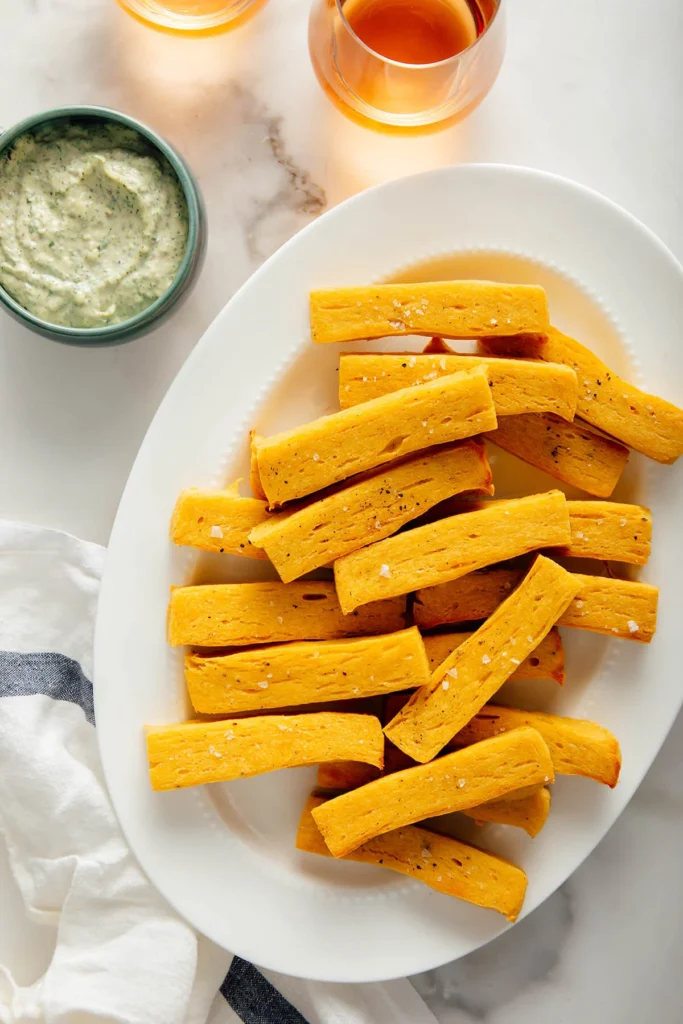
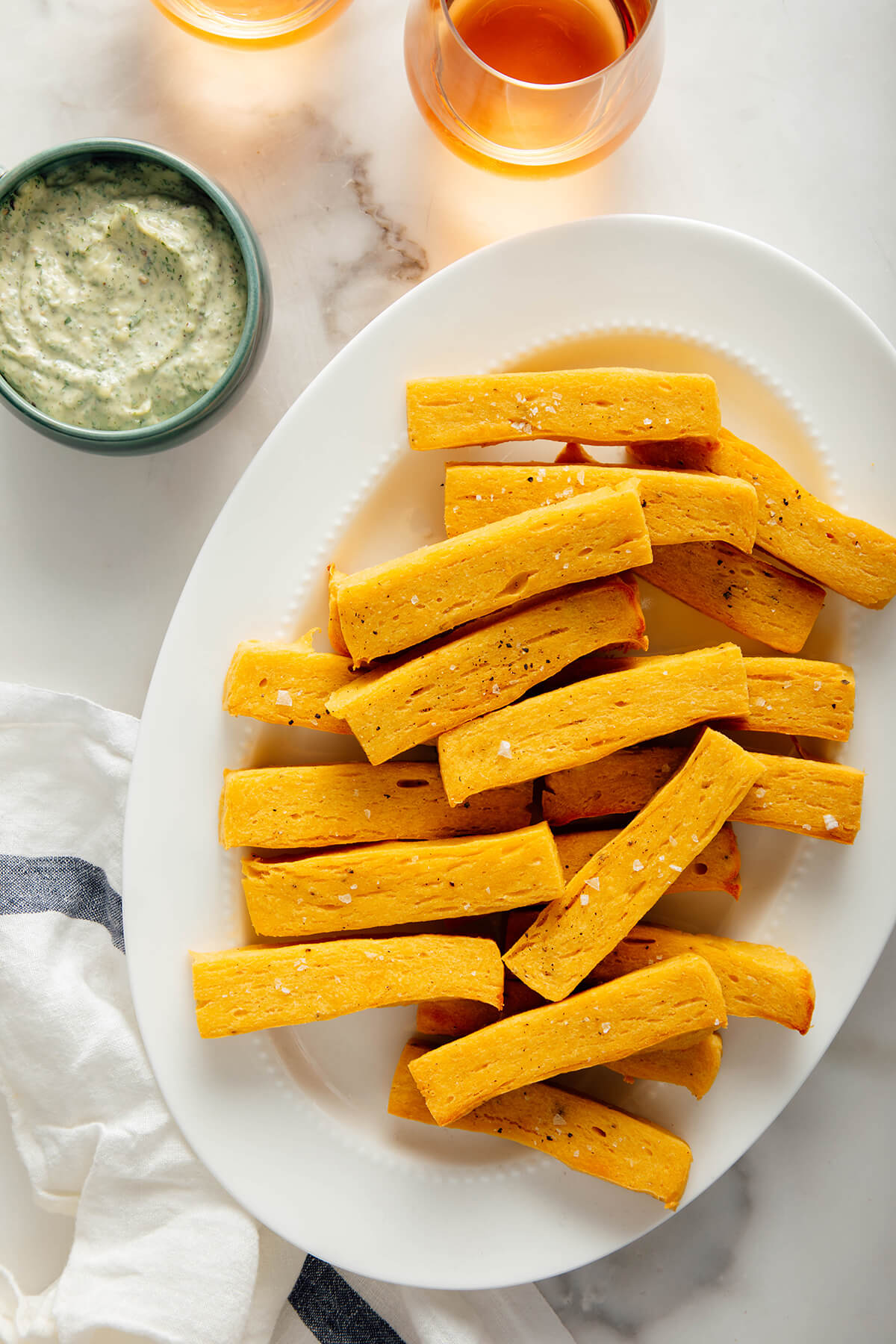
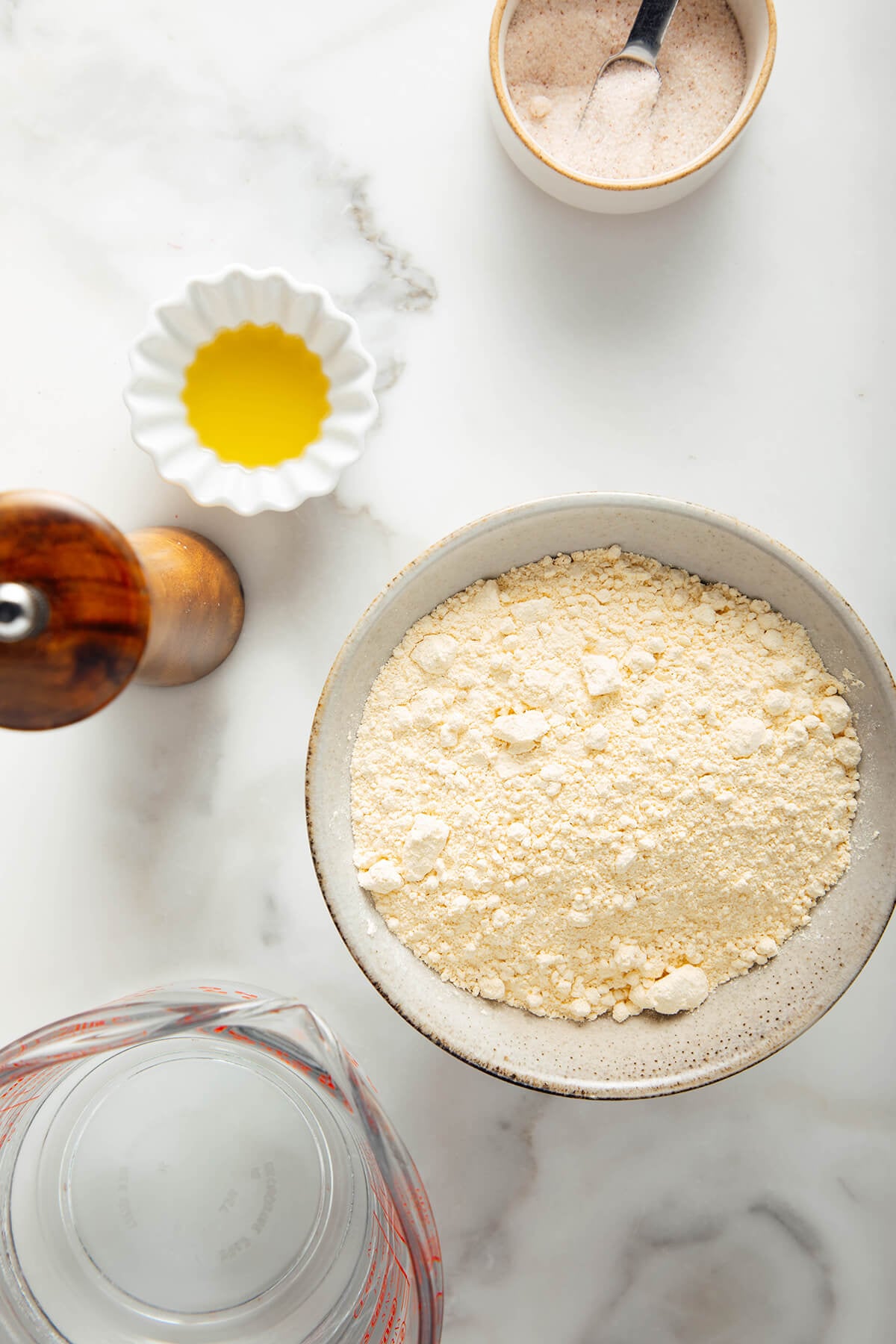
A culinary sensation originating from the sun-drenched region of Provence, France, Panisses, often described as chickpea fries, are rapidly gaining global recognition, moving from regional specialty to a staple in diverse gastronomic settings. These irresistible snacks offer a unique textural experience, characterized by a remarkably crisp and golden exterior that yields to a pillowy-soft, creamy interior, often compared to the luxurious consistency of polenta. Beyond their captivating taste and texture, Panisses present a compelling nutritional profile, positioning them as a superior alternative to traditional potato fries. They are inherently rich in protein, dietary fiber, and beneficial monounsaturated fats, aligning perfectly with contemporary health-conscious dietary trends. Crafted from the simplest of ingredients—chickpea flour, water, olive oil, salt, and pepper—Panisses embody culinary simplicity while delivering profound flavor and nutritional value. The recent surge in interest has led to the development of accessible preparation methods for home cooks, including both traditional pan-frying and a modern, health-conscious baking approach, ensuring their adaptability for various palates and lifestyles.
A Culinary Journey Through Time: The Origins of Chickpea Delicacies
The history of chickpea flour-based dishes is deeply rooted in the culinary traditions of the Mediterranean basin, a testament to the versatility and nutritional prowess of the humble chickpea. Long before Panisses graced the tables of Provençal bistros, similar preparations were staples across the region. Its closest cousins, farinata from Italy and socca from Nice, France, share a common lineage, all deriving from a thin batter of chickpea flour and water, baked or fried until golden. This historical interconnectedness underscores the enduring appeal of chickpea flour, which for centuries served as a crucial and affordable source of sustenance.
In ancient times, chickpea flour was a dietary cornerstone for coastal communities, particularly sailors and laborers, due to its long shelf life, ease of transport, and robust nutritional content. It provided sustained energy and essential nutrients in an era where fresh produce was not always readily available. The evolution of Panisses specifically in Provence, especially in port cities like Marseille and Nice, is intimately linked to this historical context. As trade routes flourished and populations grew, simple, hearty foods that could be prepared quickly and served as satisfying snacks became increasingly popular. Panisses emerged as a beloved street food, often sold by vendors from carts, offering a warm, savory bite to passersby. This tradition cemented its place in Provençal culture, evolving from a basic sustenance food to a cherished local delicacy, frequently enjoyed as an aperitif snack or a light accompaniment to meals, particularly during social gatherings. The preparation, though seemingly simple, requires a careful balance of ingredients and technique to achieve the desired creamy interior and crispy crust, a skill passed down through generations.
Nutritional Powerhouse: Why Panisses Stand Apart
The rising popularity of Panisses is not solely attributable to their delectable taste and unique texture; their impressive nutritional credentials play a significant role, particularly in an era focused on healthier eating. When compared to conventional potato fries, Panisses offer a distinctly superior nutritional profile, making them an attractive option for the health-conscious consumer.
Firstly, chickpeas are an excellent source of plant-based protein, providing approximately 7-8 grams per 100-gram serving. This protein content contributes significantly to satiety, helping individuals feel fuller for longer and potentially aiding in weight management. In contrast, potato fries, while providing some carbohydrates, offer minimal protein. The protein in chickpeas is also a complete protein when combined with other grains, making Panisses a valuable component of vegetarian and vegan diets.
Secondly, Panisses are remarkably rich in dietary fiber. Chickpeas are known for their high fiber content, which is crucial for digestive health, promoting regularity, and preventing constipation. Dietary fiber also plays a vital role in regulating blood sugar levels, reducing the risk of type 2 diabetes, and lowering cholesterol, thereby supporting cardiovascular health. A typical serving of Panisses can provide a substantial portion of the recommended daily fiber intake, an advantage rarely found in deep-fried potato products.
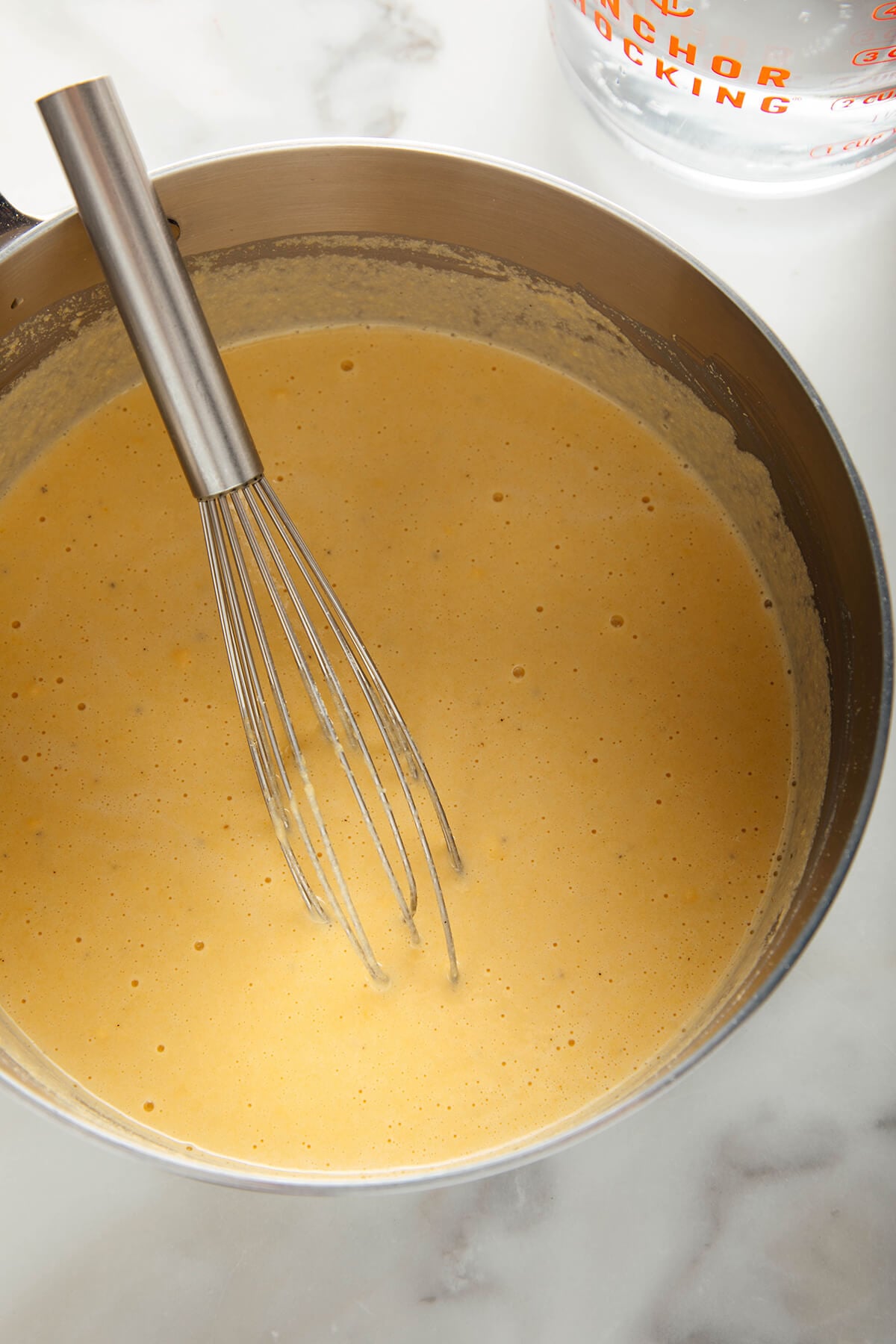
Thirdly, the primary fat source in Panisses is olive oil, a cornerstone of the Mediterranean diet. Olive oil is predominantly composed of monounsaturated fatty acids (MUFAs), particularly oleic acid, which are renowned for their heart-healthy benefits. MUFAs can help reduce levels of "bad" LDL cholesterol while increasing "good" HDL cholesterol, contributing to a reduced risk of heart disease and stroke. Even when prepared using alternative high-smoke-point oils like avocado oil for frying, the healthy fat content remains significant, offering a stark contrast to the often less healthy saturated or trans fats found in many commercial potato fries.
Furthermore, Panisses are naturally gluten-free, a significant advantage in today’s dietary landscape. With a growing number of individuals diagnosed with celiac disease or experiencing gluten sensitivity, gluten-free alternatives are in high demand. Chickpea flour provides a safe and delicious option, making Panisses accessible to a broader audience without compromising on taste or texture. Their inherent vegan nature also aligns with the burgeoning plant-based movement, appealing to those seeking animal product-free options. The combination of protein, fiber, and healthy fats results in a lower glycemic index compared to simple carbohydrate-rich potato fries, meaning Panisses lead to a more gradual rise in blood sugar, preventing energy spikes and crashes.
Mastering the Panisse: Traditional Frying vs. Modern Baking
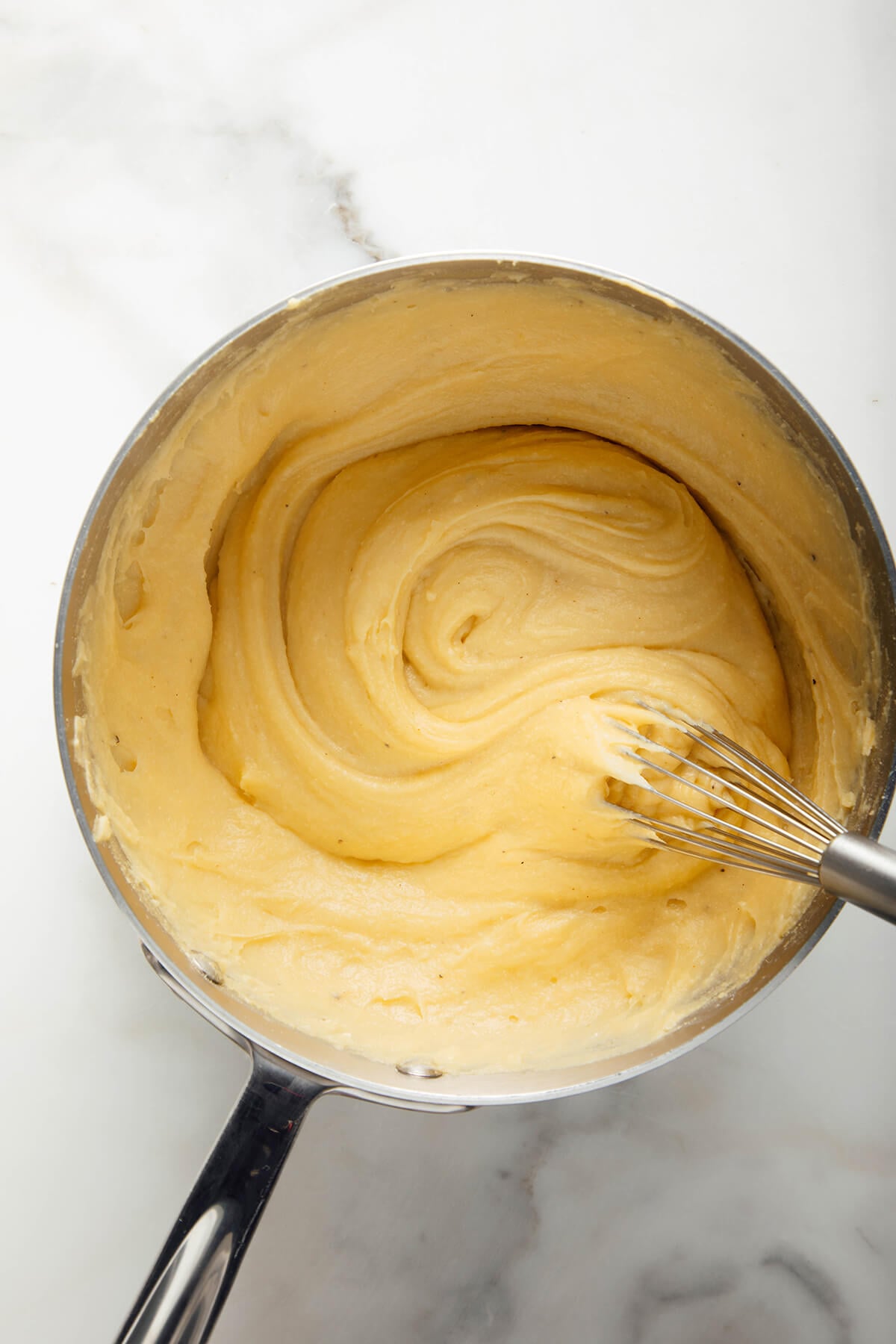
The preparation of Panisses, while requiring a few distinct steps, is an accessible culinary project for home cooks, allowing them to recreate this Provençal delight. The beauty lies in its versatility, offering two primary methods: the time-honored traditional frying and a contemporary, health-conscious baked approach.
The traditional pan-fried method, deeply ingrained in Provençal culinary heritage, involves frying the chickpea batons in a generous amount of olive oil or a blend of olive and vegetable oils. When executed correctly, this method produces Panisses with an exceptionally crispy, golden-brown crust that shatters with each bite, perfectly encapsulating the creamy, soft interior. However, this technique presents certain challenges, primarily concerning temperature control. Olive oil, particularly extra-virgin varieties, has a relatively low smoke point, making it prone to smoking and burning if the heat is too high. This can lead to an acrid taste and, as some home cooks have experienced, inadvertently trigger smoke alarms. For those opting for the traditional fried approach, culinary experts often recommend using avocado oil, which boasts a significantly higher smoke point (around 520°F or 271°C) compared to extra-virgin olive oil (around 375°F or 190°C). This allows for more stable and safer frying at higher temperatures, ensuring a golden, crisp result without the risk of burning or excessive smoke. The frying process, while yielding the most authentic texture, demands close supervision and a watchful eye over the stove to achieve perfection.
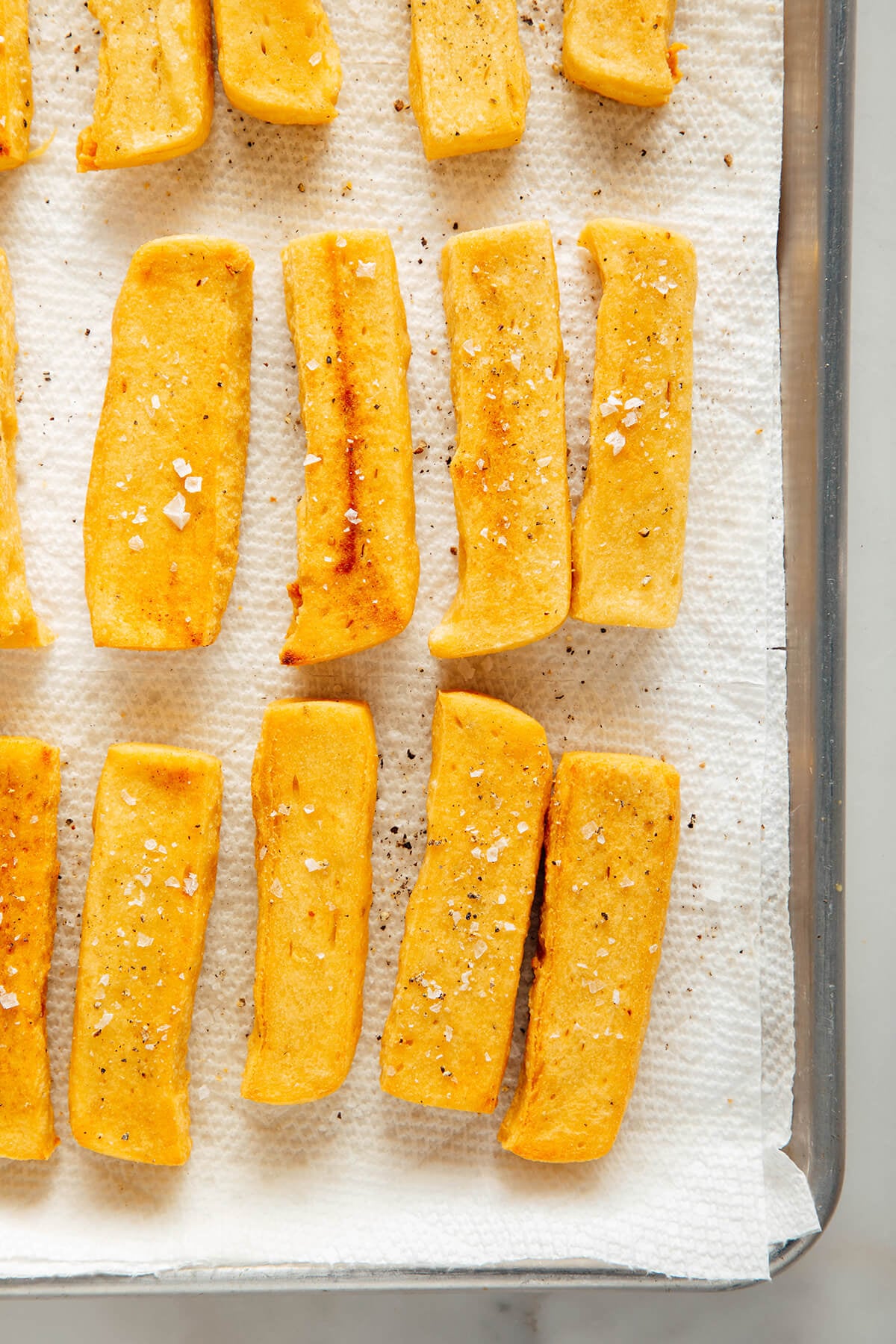
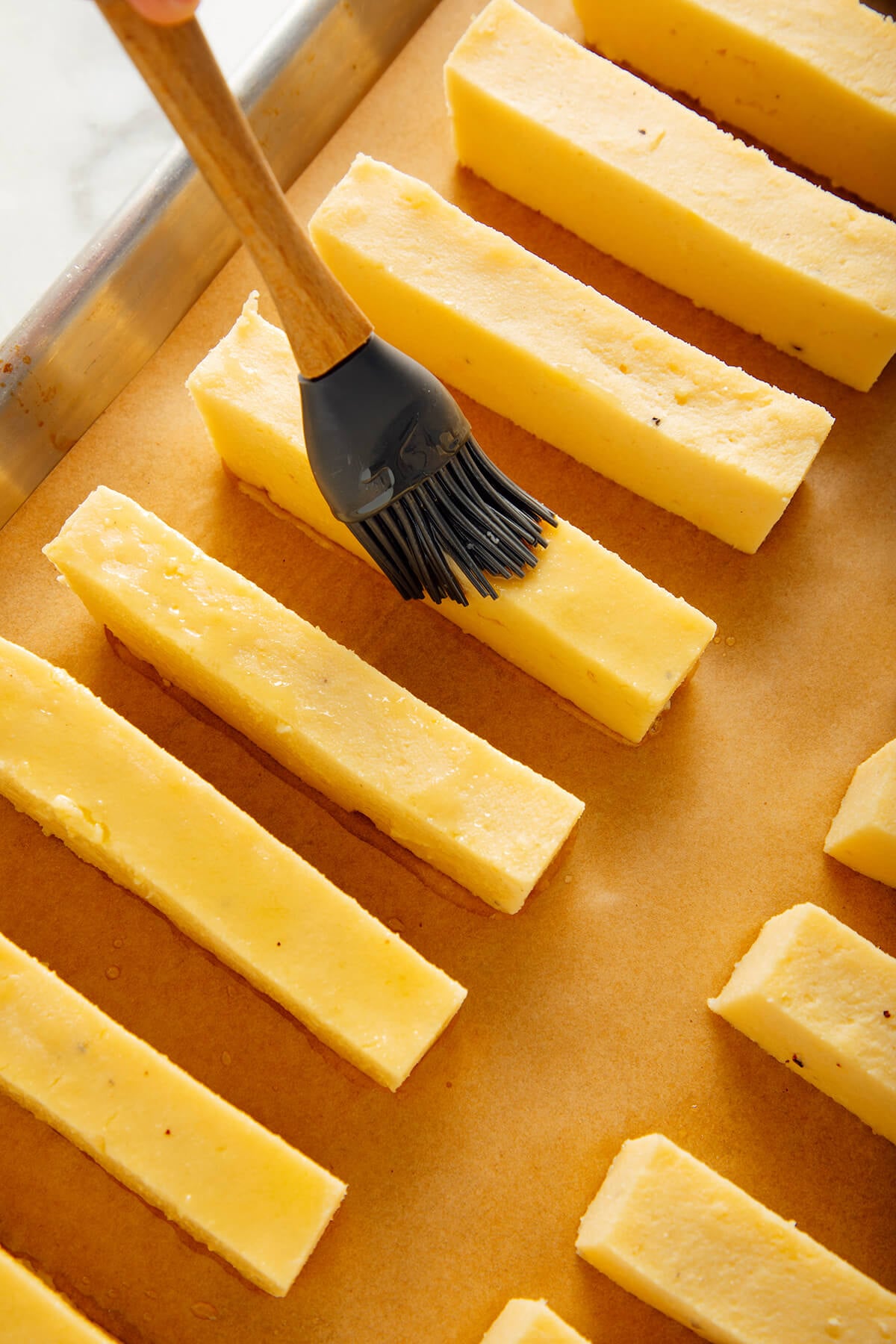
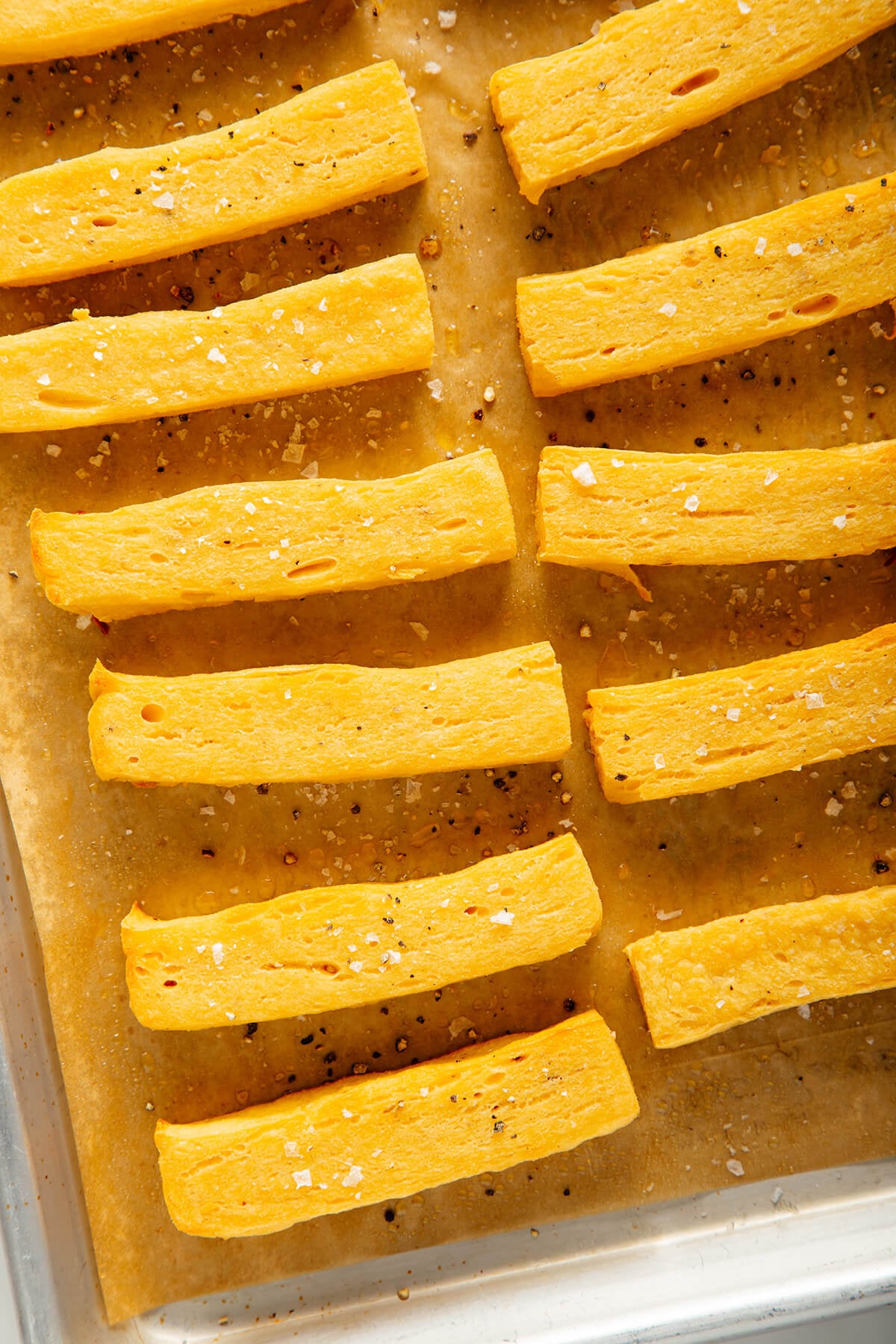
In response to a demand for healthier and less labor-intensive cooking, the modern baked method for Panisses has gained considerable traction. This approach eliminates the need for standing over a hot stove and managing hot oil, making it an appealing option for busy weeknights or more relaxed weekend culinary endeavors. Baking produces Panisses with a consistently crisp and evenly golden exterior, though the texture might be subtly different from their deep-fried counterparts, often described as slightly more uniform in crispness rather than intensely shattered. The baking process typically involves brushing the chickpea batons generously with olive oil before their initial bake. A key technique for achieving optimal crispness in the baked version, as highlighted by recipe developers, involves flipping the Panisses midway through baking and then drizzling a little more olive oil along their length before returning them to the oven. This targeted application of oil during the second phase of baking ensures a more irresistible crispness, mimicking the mouthfeel of fried Panisses more closely. While taking longer than frying, the baked method offers a "set it and forget it" convenience that many home cooks appreciate, minimizing fuss without sacrificing much of the desired textural qualities. The dedication to perfecting both these home-based methods underscores the growing desire for accessible ways to enjoy this classic Provençal snack.
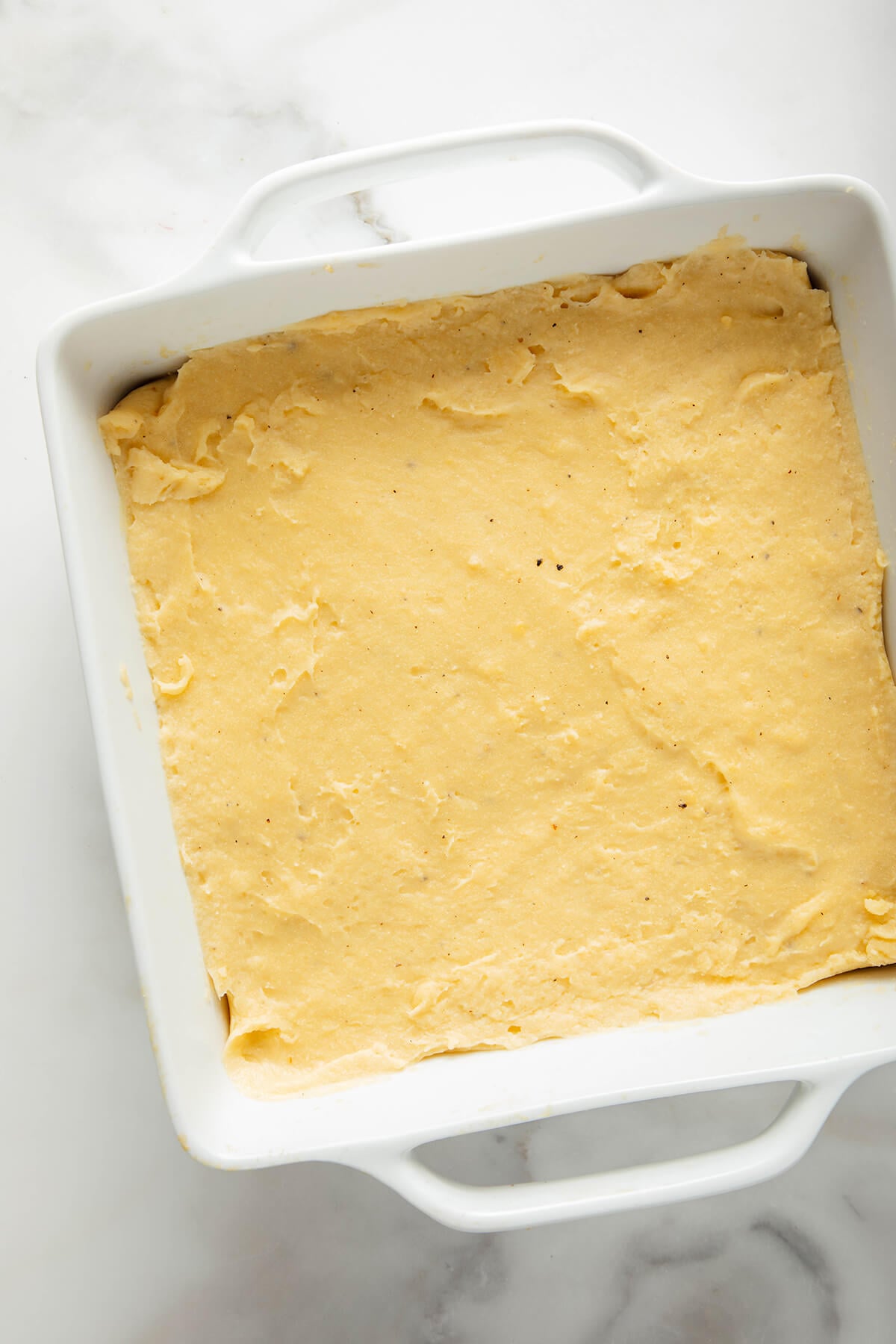
From Kitchen to Table: Expert Perspectives and Growing Appeal
The journey of Panisses from a regional French delicacy to a celebrated dish on the international culinary stage has been significantly propelled by the endorsements and adaptations from various culinary experts, nutritionists, and influential food bloggers. Their collective insights underscore the universal appeal and inherent value of this humble chickpea fry.
Chef Antoine Dubois of "La Belle Vie Bistro," a renowned French restaurant in New York City, enthusiastically notes, "Panisses offer a delightful textural contrast and a flavor profile that speaks of the Mediterranean soul. They are a staple on our appetizer menu, appreciated for their simplicity, elegance, and incredible versatility. Our diners, whether familiar with Provençal cuisine or new to it, consistently rave about them." His perspective highlights how Panisses seamlessly integrate into fine dining, providing an authentic taste of France that resonates with a sophisticated clientele.
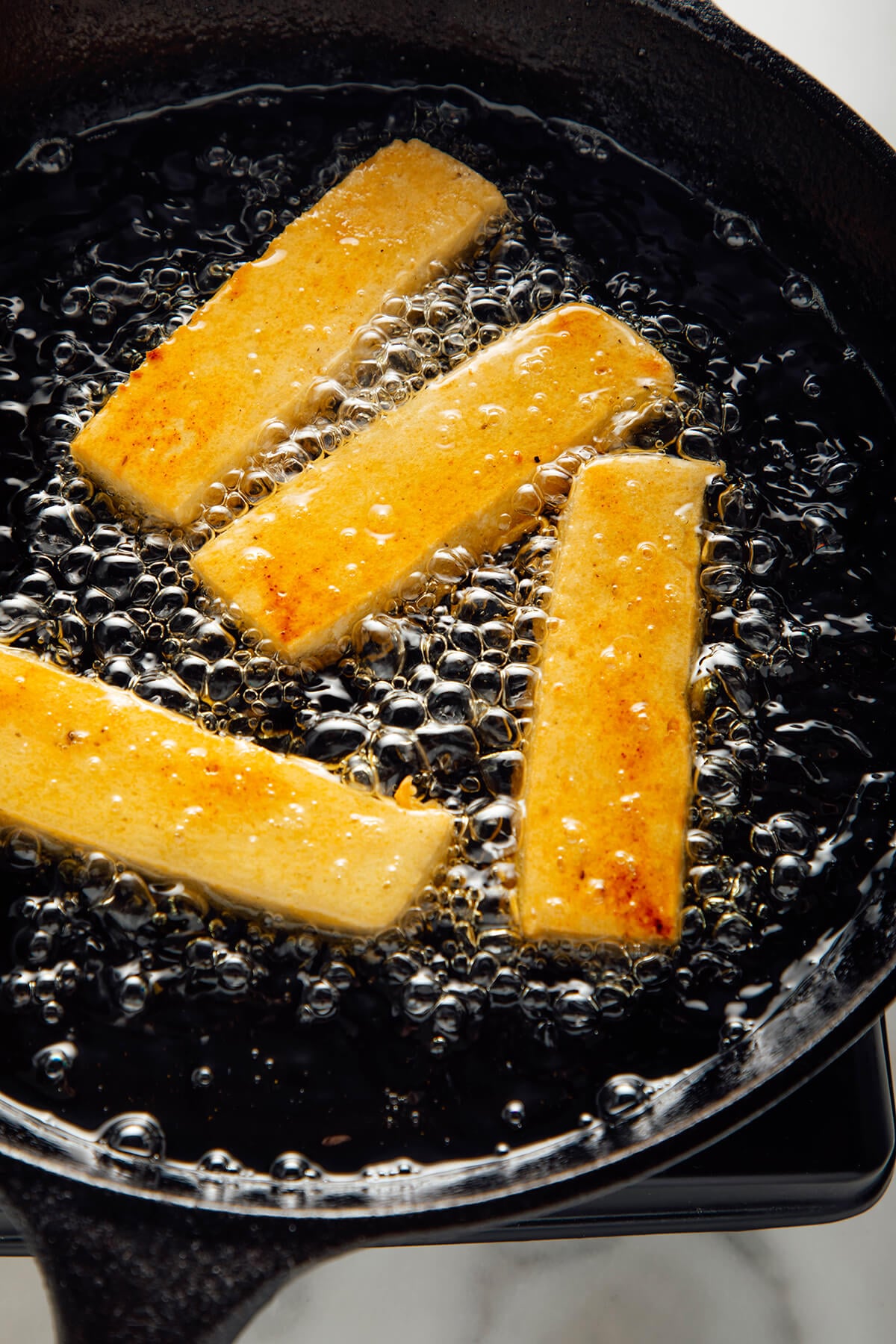
From a health standpoint, Dr. Elena Rodriguez, a prominent dietitian specializing in plant-based nutrition, emphasizes the significant dietary advantages. "Chickpea-based dishes like Panisses are excellent sources of complex carbohydrates, plant protein, and dietary fiber. When prepared with healthy fats like olive oil or avocado oil, they contribute to sustained energy levels, optimal digestive health, and can be a fantastic component of a heart-healthy diet. Their naturally gluten-free and vegan attributes make them incredibly inclusive and beneficial for a wide array of dietary needs." Dr. Rodriguez’s analysis reinforces the scientific basis for Panisses’ nutritional superiority, making them a commendable choice for those prioritizing wellness.
The accessibility of Panisses for home preparation has been a crucial factor in their expanding popularity, largely thanks to dedicated recipe developers and food educators. Cookbook author and influential food blogger Kathryne Taylor, known for her commitment to vegetarian and wholesome recipes, exemplifies this trend. "The process of making Panisses at home, while requiring a few steps, is incredibly rewarding," Taylor states. "I dedicated considerable effort to perfecting both the traditional fried method and a less intrusive baked version, ensuring that anyone can achieve that perfect crisp exterior and creamy interior in their own kitchen. It’s about bringing a piece of authentic Provençal joy to everyday cooking." Her work, including comprehensive guides and instructional videos, demystifies the preparation process, empowering home cooks to confidently tackle this seemingly exotic dish. This bridging of traditional culinary art with modern home-cooking practicality has been instrumental in Panisses’ widespread adoption.
The Broader Culinary Footprint: Panisses in the Modern Food Landscape
Panisses are not merely a passing trend; they represent a confluence of several significant shifts in the contemporary food landscape. Their trajectory from a regional specialty to a globally recognized dish illustrates a deeper connection to evolving consumer preferences and culinary philosophies.
Firstly, Panisses are perfectly positioned within the rise of plant-based eating. As more individuals adopt vegetarian, vegan, or flexitarian diets for ethical, environmental, or health reasons, the demand for delicious and satisfying plant-based alternatives escalates. Panisses, being entirely plant-derived, offer a savory and substantial option that appeals to this growing demographic, serving as a versatile appetizer or a hearty component of a main meal.
Secondly, the increasing demand for gluten-free options has been a major driver. With heightened awareness of celiac disease and gluten sensitivities, the market for naturally gluten-free products has exploded. Chickpea flour, the foundational ingredient of Panisses, is inherently gluten-free, making these fries an inclusive and safe choice for those avoiding gluten, without the need for specialized or artificial ingredients often found in commercial gluten-free products.
Thirdly, there is a sustained and growing interest in authentic regional cuisines. Consumers are increasingly seeking genuine culinary experiences that transport them to different cultures and traditions. Panisses offer a direct link to the vibrant culinary heritage of Provence, allowing diners to savor a taste of the French Mediterranean. This quest for authenticity extends beyond restaurants, influencing home cooking as well, with individuals eager to explore and replicate global flavors in their own kitchens.
Furthermore, Panisses align with the preference for healthier snack alternatives. In a world saturated with highly processed, often unhealthy snack options, Panisses provide a wholesome and nutritious choice. Their rich fiber, protein, and healthy fat content offers sustained energy and satiety, making them a more substantial and beneficial snack compared to many conventional fried foods. This aspect appeals to parents seeking nutritious options for children, as well as adults looking for guilt-free indulgence.
The cultural exchange fostered by dishes like Panisses is also noteworthy. As food traditions cross borders, they create opportunities for cross-cultural understanding and appreciation. The adaptation of Panisses in different culinary contexts, from French bistros to tapas bars (as noted by its presence in a Kansas City tapas restaurant), showcases its inherent adaptability and ability to harmonize with various global flavors and serving styles. This culinary dialogue enriches the global food scene, celebrating diversity and shared enjoyment of good food.
Enhancing the Experience: Perfect Pairings and Practical Tips
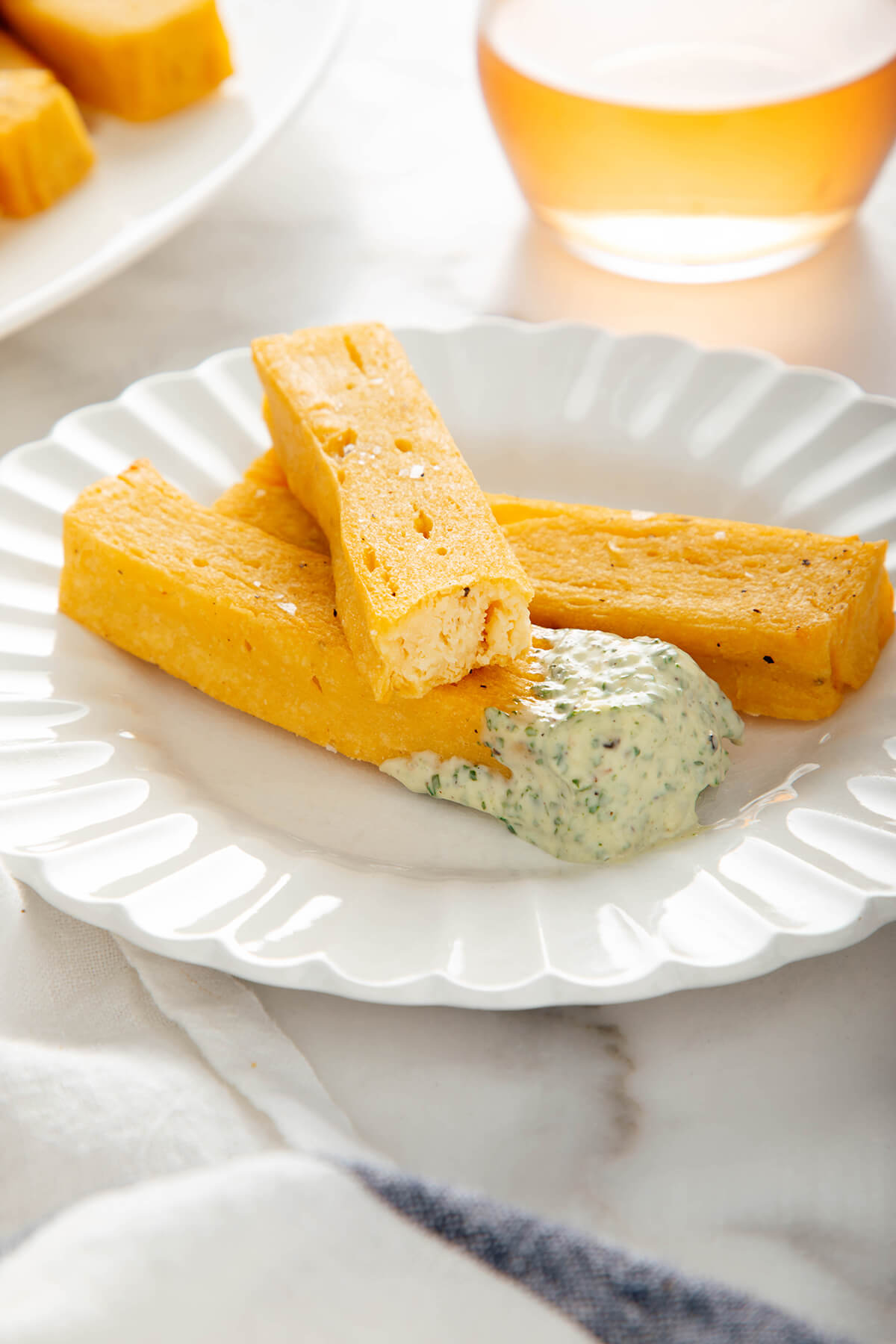
The enjoyment of Panisses extends beyond their inherent deliciousness, often amplified by thoughtful pairings and practical considerations for serving and storage. To truly elevate the Panisse experience, a creamy dipping sauce is almost non-negotiable. While the Panisses themselves are flavorful, a complementary sauce adds another layer of complexity and moisture. Mayonnaise-based sauces are particularly popular due to their silky texture and ability to carry flavor. Home cooks are encouraged to personalize their sauces by mixing a dollop of flavorful ingredients such as vibrant pesto, smoky romesco, or spicy harissa into mayonnaise, creating a bespoke accompaniment that perfectly matches their palate. Other excellent suggestions include aioli, a classic Mediterranean garlic mayonnaise, or a refreshing yogurt-dill dip.
In France, particularly in Provence, warm Panisses are often served alongside a crisp, cool glass of rosé wine. The light, fruity notes and refreshing acidity of a Provençal rosé provide an exquisite counterpoint to the savory, rich texture of the chickpea fries, making for an idyllic aperitif. Beyond this traditional pairing, Panisses are incredibly versatile and can be incorporated into various meals. They make a fantastic light meal when served with a fresh, vibrant salad, offering a satisfying textural contrast and protein boost. Alternatively, they can be presented as a star component of a larger spread or mezze platter, alongside other Mediterranean-inspired dishes like hummus, baba ghanoush, olives, and warm pita bread. This approach transforms a simple snack into a communal dining experience, fostering conviviality and shared enjoyment.
For those planning ahead or managing leftovers, Panisses offer convenient storage options. While best savored hot and freshly prepared to appreciate their optimal crispness, they can be stored in an airtight container in the refrigerator for up to five days. For longer preservation, Panisses freeze exceptionally well for up to six months. When ready to enjoy, they can be easily reheated in a microwave for quick consumption, or for a return to their crispy glory, a few minutes in a toaster oven or air fryer can rejuvenate their texture.
In conclusion, Panisses represent a compelling fusion of ancient culinary wisdom and modern dietary demands. Their journey from the sun-drenched streets of Provence to global kitchens underscores their unique appeal – a delicious, nutritious, and versatile snack that satisfies both the palate and health-conscious aspirations. As food trends continue to evolve towards plant-based, gluten-free, and authentically regional options, Panisses are poised to solidify their position as a cherished culinary delight for years to come.