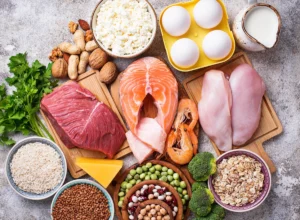










Amidst a growing national focus on health and wellness, particularly as individuals embark on new year’s resolutions, Costco Wholesale Corporation is emerging as a significant resource for consumers aiming to achieve sustainable weight loss. The warehouse giant, renowned for its bulk offerings and competitive pricing, provides a diverse array of products specifically highlighted by nutrition experts for their high protein and fiber content, crucial elements in effective weight management. This strategic positioning allows Costco to cater to a demographic increasingly prioritizing nutritional value and satiety in their dietary choices.
The journey to weight loss is multifaceted, often requiring a diligent focus on dietary composition to manage hunger, preserve muscle mass, and optimize metabolic function. According to Tara Collingwood, MS, RDN, CSSD, LD/N, ACSM-CPT, a Board Certified Sports Dietitian and co-author of the Flat Belly Cookbook for Dummies, certain nutritional principles are paramount. Collingwood emphasizes three critical considerations for individuals stocking their pantries and freezers: prioritizing high-protein foods, integrating ample fibrous options, and selecting items that are low in added sugars and minimally processed. "Protein keeps you full longer, reduces overeating later in the day, and preserves lean muscle during weight loss," Collingwood asserts, underlining its foundational role. Complementing this, fibrous foods—such as berries, oats, and vegetables—are essential for slowing digestion, which in turn "helps regulate blood sugar and appetite." Finally, avoiding excessive added sugars and highly processed foods is key to eliminating "empty calories that don’t satisfy hunger." These guidelines form the bedrock of an effective weight-loss strategy, and Costco’s expansive inventory, from fresh produce to shelf-stable goods, offers numerous options that align with this expert advice.

The Science of Satiety: Why Protein and Fiber are Pivotal for Weight Management

The scientific community widely supports the roles of protein and fiber in weight management. Protein, often referred to as the building block of the body, plays a critical role in satiety due to its impact on various hunger-regulating hormones, such as ghrelin and leptin. Studies, including those published in journals like The American Journal of Clinical Nutrition, have consistently demonstrated that higher protein intake can lead to reduced calorie consumption and body fat. Furthermore, protein has a higher thermic effect of food (TEF) compared to carbohydrates and fats, meaning the body expends more energy to digest and metabolize protein, contributing to a slight increase in daily calorie expenditure. This is particularly beneficial during weight loss, as it helps preserve lean muscle mass, which is metabolically more active than fat tissue. Losing muscle alongside fat can slow metabolism, making long-term weight maintenance more challenging.
Fiber, on the other hand, contributes to satiety through different mechanisms. Soluble fiber, found in foods like oats and berries, forms a gel-like substance in the digestive tract, slowing down gastric emptying and nutrient absorption. This extended digestion period contributes to a prolonged feeling of fullness, reducing the urge to snack between meals. Insoluble fiber, prevalent in many vegetables and whole grains, adds bulk to stool, promoting regular bowel movements and contributing to overall digestive health. Beyond satiety, fiber also plays a crucial role in blood sugar regulation. By slowing the absorption of glucose, fiber helps prevent sharp spikes and crashes in blood sugar levels, which can otherwise trigger cravings and overeating. The average American consumes significantly less than the recommended daily fiber intake (25g for women, 38g for men), making conscious inclusion of fiber-rich foods a vital component of any health-focused diet.
The emphasis on minimally processed foods with low added sugars is equally critical. Processed foods often contain high levels of refined carbohydrates, unhealthy fats, and added sugars, which contribute to caloric density without providing significant nutritional value or satiety. The rapid digestion of these "empty calories" can lead to quick blood sugar surges and subsequent crashes, fueling a cycle of hunger and overeating. Reducing added sugar intake is a cornerstone of public health recommendations, with organizations like the American Heart Association advocating for limits to mitigate risks of obesity, type 2 diabetes, and cardiovascular disease.
Costco’s Strategic Advantage in the Wellness Market
Costco’s business model, centered around bulk sales and a curated product selection, inherently offers advantages for consumers committed to weight loss. Purchasing staples in larger quantities can often translate to cost savings, making healthy eating more accessible and sustainable over time. This is particularly relevant given that healthier food options are sometimes perceived as more expensive. The ability to stock up on essentials like frozen berries, oats, and lean proteins means fewer trips to the grocery store and a consistent supply of ingredients for meal preparation, which is a key habit for successful weight management.
The company’s private label, Kirkland Signature, has also become a trusted brand, known for its quality and value. Many of the dietitian-recommended items are Kirkland Signature products, reinforcing Costco’s commitment to providing high-quality, health-conscious options that are also budget-friendly. This strategy aligns with broader consumer trends where shoppers are increasingly seeking value without compromising on health attributes. The health and wellness market has seen consistent growth, with consumers demonstrating a willingness to invest in products that support their dietary goals. Major retailers like Costco are responding by expanding their organic, natural, and functional food sections, reflecting a proactive approach to meeting evolving consumer demands.
Deep Dive into Costco’s Weight-Loss Superstars
Building on the principles of high protein, high fiber, and minimal processing, Tara Collingwood highlights nine specific items readily available at Costco that can significantly aid in weight loss efforts:
1. Dairy Powerhouses: Kirkland Signature Organic Greek Nonfat Yogurt & Chobani Protein Cups
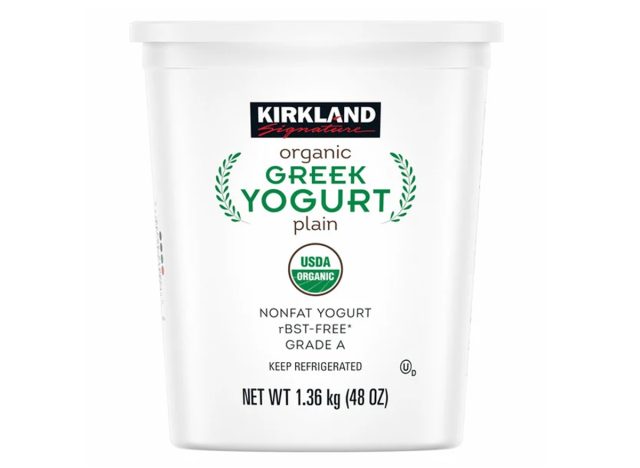
Greek yogurt stands out as a nutritional powerhouse due to its impressive protein content, often double that of regular yogurt. Collingwood specifically endorses Kirkland Signature Organic Greek Nonfat Yogurt, calling it a "protein-rich dairy option that keeps you full and supports muscle maintenance." The nonfat variety minimizes saturated fat intake while maximizing protein delivery. Greek yogurt is also a good source of calcium and, if it contains live and active cultures, provides beneficial probiotics that support gut health, which is increasingly recognized for its role in metabolism and weight regulation. For those seeking even higher protein, Collingwood also recommends the Chobani 20-gram protein individual cups, offering a convenient, pre-portioned option ideal for busy lifestyles. These yogurts can be enjoyed plain, with a handful of the recommended frozen berries, or as a base for smoothies.
2. Ocean’s Bounty in a Can: Safe Catch Ahi Tuna and Wild Planet Wild Pacific Sardines
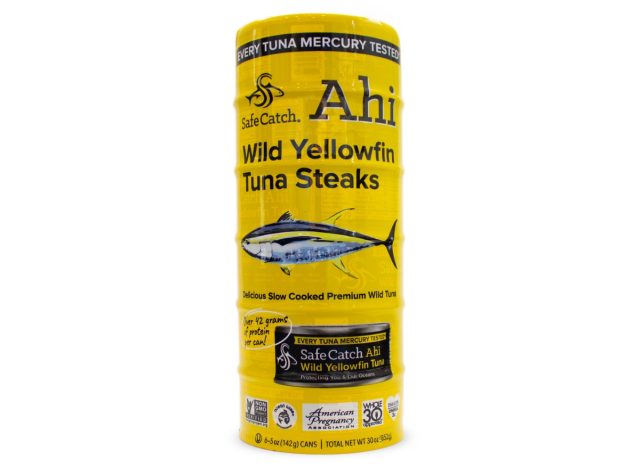
Canned fish offers unparalleled convenience and shelf stability, making it an excellent pantry staple for quick, protein-packed meals. Collingwood points to Safe Catch Ahi Tuna as a "high-protein, low-mercury tuna" option. Safe Catch is known for its rigorous testing process to ensure low mercury levels, addressing a common consumer concern. Tuna is a lean protein source, rich in essential amino acids, making it perfect for salads, wraps, or as a standalone snack.
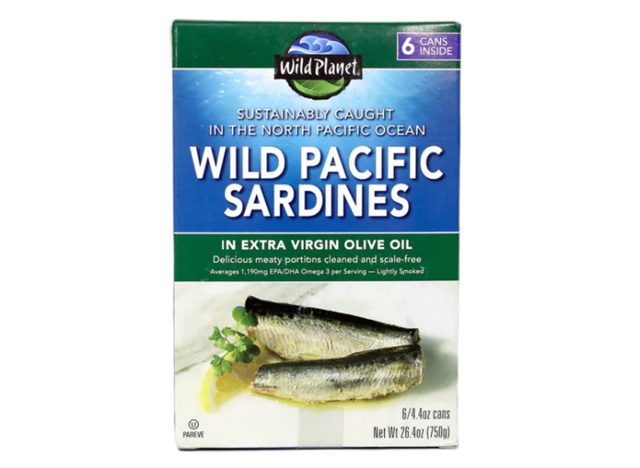
Equally valuable are Wild Planet Wild Pacific Sardines. Collingwood notes their dual benefit as "protein- and omega-3-rich, great for satiety and heart health." Sardines are a sustainable seafood choice and an excellent source of EPA and DHA, two types of omega-3 fatty acids known for their anti-inflammatory properties, cardiovascular benefits, and potential role in appetite regulation. Their small size means they are lower on the food chain and thus accumulate fewer toxins, including mercury, compared to larger fish. Both canned tuna and sardines offer versatile, nutrient-dense additions to a weight-loss diet.
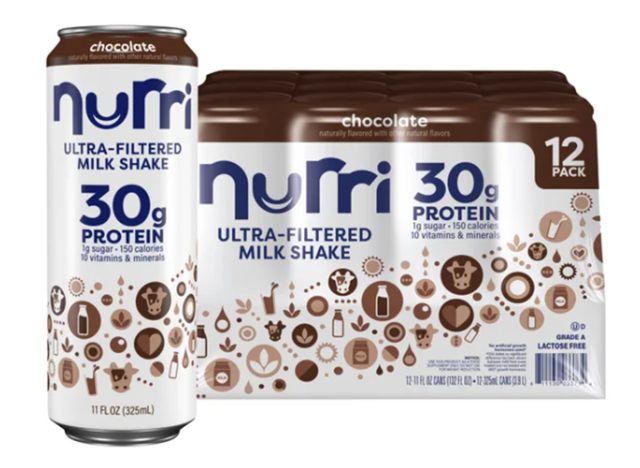
3. Convenient Protein Boosts: Nurri Protein Milkshakes and RX Bars
For individuals with demanding schedules or those seeking a quick, satiating snack, protein shakes and bars can be invaluable—provided they are chosen wisely. Collingwood praises Nurri Protein Milkshakes as a "convenient high-protein shake to curb cravings between meals." These ready-to-drink options can provide a substantial protein dose (often 20-30 grams per serving) without the need for preparation, making them ideal post-workout or as a mid-afternoon pick-me-up.
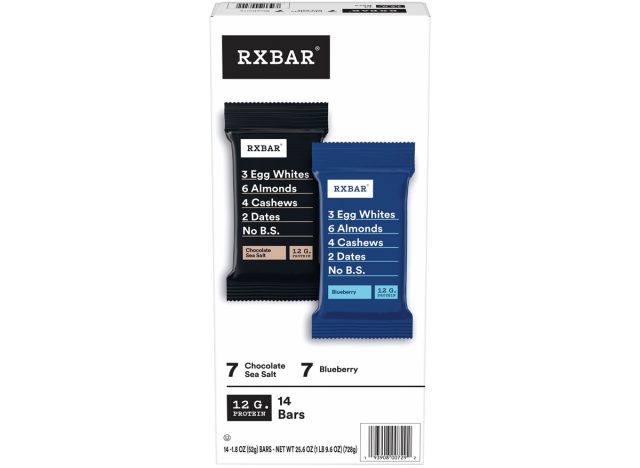
Similarly, protein bars offer portability and convenience, but ingredient quality is paramount. Collingwood recommends RX Bars, describing them as "real-food ingredient protein bars with fiber to help keep you full." RX Bars are notable for their transparent ingredient list, typically consisting of egg whites for protein, dates for sweetness and fiber, and nuts for healthy fats. This focus on whole, recognizable ingredients distinguishes them from many other protein bars that may contain excessive added sugars, artificial sweeteners, and highly processed components.
4. Fiber-Rich Foundations: Frozen Organic Berries and Rolled Oats
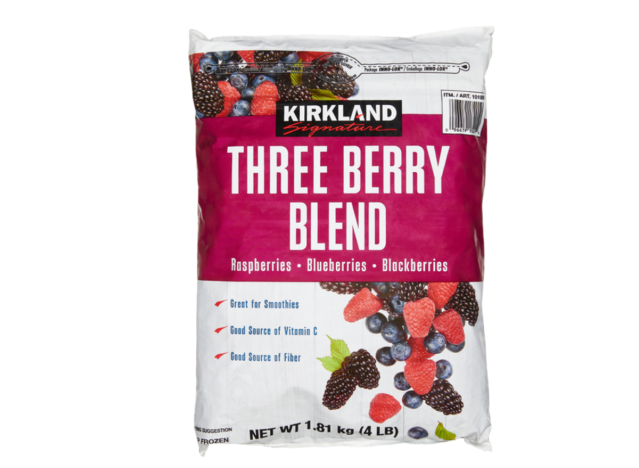
Fiber is a cornerstone of a weight-loss diet, and Costco offers excellent bulk options for both fruits and grains. "Fiber-rich and no added sugar, great for smoothies and oatmeal," Collingwood says of frozen organic berries. Brands like Kirkland Signature and Nature’s Path offer large bags of mixed berries (e.g., three-berry blend), which are packed with antioxidants, vitamins (like Vitamin C and K), and dietary fiber. Freezing preserves their nutritional value and makes them a cost-effective alternative to fresh berries, especially when out of season. They are perfect for blending into smoothies, stirring into yogurt, or adding to oatmeal.
Rolled oats are another bulk buy Collingwood strongly recommends. "High-fiber whole grain for breakfast bowls that keep hunger down," she states. Oats are a fantastic source of soluble fiber, particularly beta-glucan, which has been shown to reduce LDL (bad) cholesterol levels and stabilize blood sugar. A warm bowl of oatmeal provides sustained energy, preventing mid-morning energy crashes and subsequent cravings. Costco’s Kirkland Signature brand offers large containers of rolled oats, ensuring a consistent supply for daily breakfast or baking needs.
5. Lean Proteins for Main Meals: Frozen Salmon, Chicken Breasts, and Kirkland Signature Chunk Chicken Breast
For main meals, lean protein sources are indispensable for satiety and muscle maintenance. Costco’s freezer section offers excellent value on frozen salmon and chicken breasts. Collingwood highlights them as "easy lean protein for balanced meals." Frozen salmon provides healthy omega-3 fatty acids in addition to high-quality protein, while chicken breasts are a classic, low-fat protein staple. Buying these in bulk and frozen allows for convenient meal planning throughout the week. Brands like Kirkland Signature and Trident Seafoods are frequently available, offering reliable quality.
For even quicker meal preparation, Kirkland Signature Chunk Chicken Breast, a canned item, is another of Collingwood’s top recommendations. She describes it as "lean protein with minimal fat," noting its ideal use for "quick meals." This pre-cooked, shelf-stable chicken can be rapidly incorporated into salads, soups, casseroles, or wraps, providing an instant protein boost without the need for extensive cooking. Its convenience makes it a valuable asset for busy individuals striving to maintain a healthy diet.
The Broader Implications for Public Health and Consumer Trends
The availability of dietitian-approved, affordable, and convenient healthy food options at major retailers like Costco carries significant public health implications. In an era where diet-related diseases are prevalent, making nutritious choices easier and more economical can contribute to improved population health outcomes. By offering bulk sizes of nutrient-dense foods, Costco helps remove some of the barriers to healthy eating, such as cost and accessibility, particularly for families and individuals committed to long-term dietary changes.
This trend also reflects a broader shift in consumer behavior and the food industry. Consumers are increasingly educated about nutrition and are demanding healthier options from their grocery providers. Retailers that respond effectively to these demands, by curating their selections and promoting healthy private-label brands, are likely to gain a competitive edge. The emphasis on protein and fiber aligns with contemporary nutritional science, moving away from past fads and towards evidence-based dietary recommendations.
While the sheer volume of Costco’s offerings can be overwhelming, expert guidance from dietitians like Tara Collingwood serves a crucial role in empowering consumers to make informed choices. The implication is that with the right knowledge, the vastness of a warehouse store can become an advantage, not a hindrance, in achieving personal health goals.
In conclusion, Costco stands out as a valuable ally for individuals pursuing weight loss and improved health in the new year and beyond. By strategically stocking up on these expert-recommended, high-protein, and high-fiber essentials—from Greek yogurt and canned fish to frozen berries, oats, and lean meats—shoppers can build a foundation for sustained satiety, balanced nutrition, and effective weight management. The combination of quality, value, and nutritional integrity offered by these products underscores Costco’s significant role in supporting the health and wellness journeys of its members.