

Navigating the complexities of weight management, particularly the persistent challenge of reducing abdominal fat, often leads individuals to scrutinize every aspect of their diet. For cheese enthusiasts, the notion that this dairy staple must be entirely forsaken in pursuit of a leaner physique can be disheartening. However, recent expert insights challenge this conventional wisdom, suggesting that certain protein-rich cheeses can, in fact, play a supportive role in a weight loss regimen. According to Tara Collingwood, MS, RDN, CSSD, LD/N, ACSM-CPT, a Board Certified Sports Dietitian and co-author of the acclaimed Flat Belly Cookbook for Dummies, strategic incorporation of specific cheeses can contribute significantly to satiety and muscle maintenance, both critical components for overall fat loss.
Collingwood’s perspective demystifies the idea of a single "fat-burning" food, emphasizing instead the synergistic effect of a balanced diet. "No single food causes belly fat loss," Collingwood states, underscoring a fundamental principle of nutritional science. "However, higher-protein cheeses that are easy to portion can support fullness and muscle maintenance, both of which are important for overall fat loss." This professional declaration offers a refreshing outlook for those aiming to shed stubborn belly fat without sacrificing culinary enjoyment. The focus shifts from total avoidance to mindful selection and portion control, allowing individuals to leverage the nutritional benefits of cheese. The following analysis delves into the seven best cheeses recommended by Collingwood, exploring their unique attributes and how they align with effective weight management strategies.
The Scientific Foundation: Protein, Satiety, and Metabolism
Before examining specific cheese varieties, it is crucial to understand the scientific rationale behind Collingwood’s recommendations. Protein is a macronutrient vital for numerous bodily functions, and its role in weight loss is particularly well-documented. Consuming adequate protein promotes satiety, meaning it helps individuals feel fuller for longer periods compared to carbohydrates or fats. This enhanced fullness can naturally lead to a reduction in overall calorie intake, as cravings are diminished and portion sizes become easier to manage. The thermic effect of food (TEF) also plays a role; protein has a higher TEF than other macronutrients, meaning the body expends more energy to digest, absorb, and metabolize protein. This slight increase in energy expenditure contributes to a higher daily calorie burn.

Furthermore, protein is indispensable for muscle maintenance and growth. During weight loss, especially when in a calorie deficit, there is a risk of losing not just fat but also lean muscle mass. Muscle tissue is metabolically active, meaning it burns more calories at rest than fat tissue. Preserving or even building muscle mass through adequate protein intake and resistance exercise is paramount for sustaining a healthy metabolism, which in turn facilitates more effective and lasting fat loss. Abdominal fat, particularly visceral fat—the type surrounding internal organs—is of significant concern due to its association with increased risks of chronic diseases such, as type 2 diabetes, heart disease, and certain cancers. Strategies that promote overall fat loss, including dietary protein, are therefore vital for reducing this dangerous form of fat.
Seven Strategic Cheese Choices for Weight Management
Collingwood’s selection of cheeses is not arbitrary; each choice is characterized by its high protein content, manageability in terms of portioning, and potential to enhance meal satisfaction without excessive caloric density.
1. Cottage Cheese: A Protein Powerhouse
Cottage cheese consistently ranks among the top recommendations for protein-rich dairy products, and for good reason. Its granular texture and mild flavor make it incredibly versatile, adaptable to both sweet and savory preparations. "Cottage cheese is one of the highest-protein cheeses, which helps support muscle growth and keep you full," explains Collingwood. A single half-cup serving of low-fat cottage cheese can provide approximately 12-14 grams of protein, making it an excellent snack or meal component for boosting protein intake. The sustained feeling of fullness it provides is crucial for adherence to a calorie-controlled diet, preventing overeating between meals.
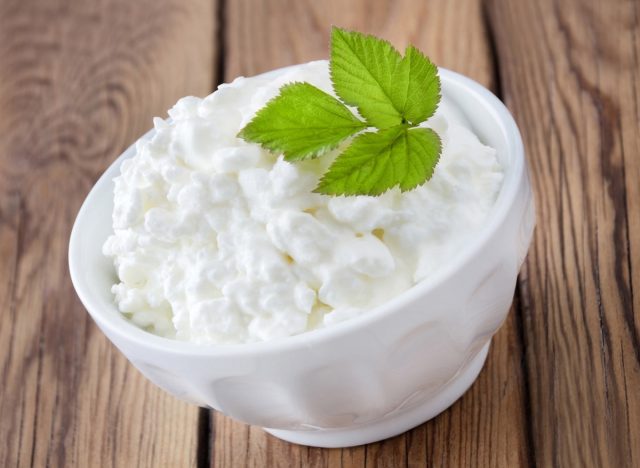
Moreover, the emphasis on muscle maintenance is key. As Collingwood notes, "Maintaining muscle is important for metabolism, especially when you’re trying to lose abdominal fat." The amino acids in cottage cheese provide the building blocks necessary to repair and grow muscle tissue, safeguarding metabolic health during periods of caloric restriction. Regarding fat content, Collingwood clarifies, "Low-fat or full-fat can work depending on portions and preferences." While low-fat options reduce overall caloric intake, the satiety offered by full-fat varieties might benefit some individuals, provided portions are carefully managed. Cottage cheese can be enjoyed simply with fruit, mixed into scrambled eggs, or used as a base for savory dips.
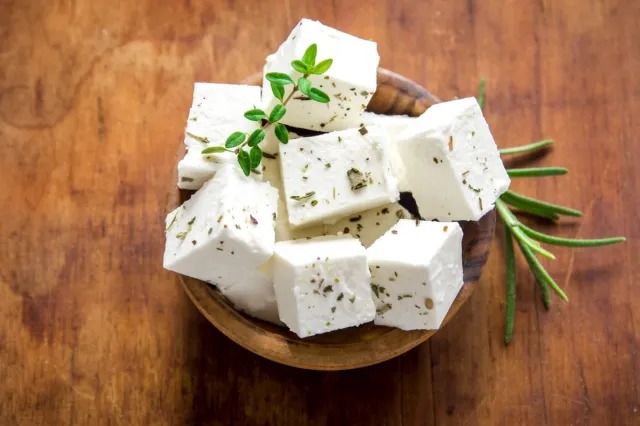
2. Greek-Style Feta: Flavorful and Satisfying
Feta cheese, with its distinctive tangy and salty profile, brings a burst of flavor that can elevate a simple dish. Its strong taste is a strategic advantage for weight loss. "Feta has a strong flavor, so a little goes a long way," Collingwood advises. This characteristic makes it an ideal ingredient for portion control; a small amount can impart significant satisfaction, reducing the need for larger, more calorie-dense additions. By maximizing flavor impact per gram, feta allows individuals to feel gastronomically content without consuming excessive calories or fat.
"That makes it easier to control portions while still adding satisfaction to meals," she elaborates. Its robust flavor means even a sprinkle can transform a dish, making it a valuable tool for enhancing the palatability of healthy meals. "Great crumbled over salads or roasted vegetables," Collingwood suggests, highlighting its versatility. While feta does contain sodium, its potent flavor ensures that only minimal amounts are typically needed, helping to manage overall sodium intake while still delivering a satisfying culinary experience. A typical serving (about 1 ounce or 28 grams) provides around 4-5 grams of protein and approximately 70-80 calories, along with calcium.
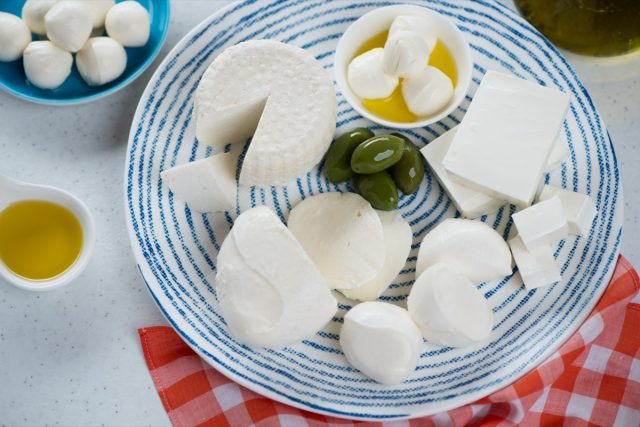
3. Part-Skim Mozzarella: The Everyday Option
Mozzarella, particularly its part-skim variety, is a staple in many diets due to its mild flavor and excellent melting properties. For those focusing on weight loss, part-skim mozzarella offers a favorable nutritional profile. "Mozzarella is relatively low in calories and provides protein and calcium, nutrients that support body composition when included in a balanced diet," Collingwood explains. By opting for part-skim, individuals significantly reduce the saturated fat content while still retaining a good source of protein and calcium, both essential for bone health and overall physiological function.
The convenience factor of mozzarella, especially in forms like string cheese, further enhances its utility for weight management. "String cheese portions make this especially easy to manage," Collingwood notes. Pre-portioned string cheese snacks eliminate the guesswork, making it simple to track intake and avoid overconsumption. A single stick of part-skim mozzarella string cheese typically contains about 6-7 grams of protein and around 80 calories, making it an ideal grab-and-go snack that wards off hunger. It’s also excellent when shredded over whole-wheat pasta dishes, pizzas, or vegetable bakes, providing creaminess and protein without excess calories.
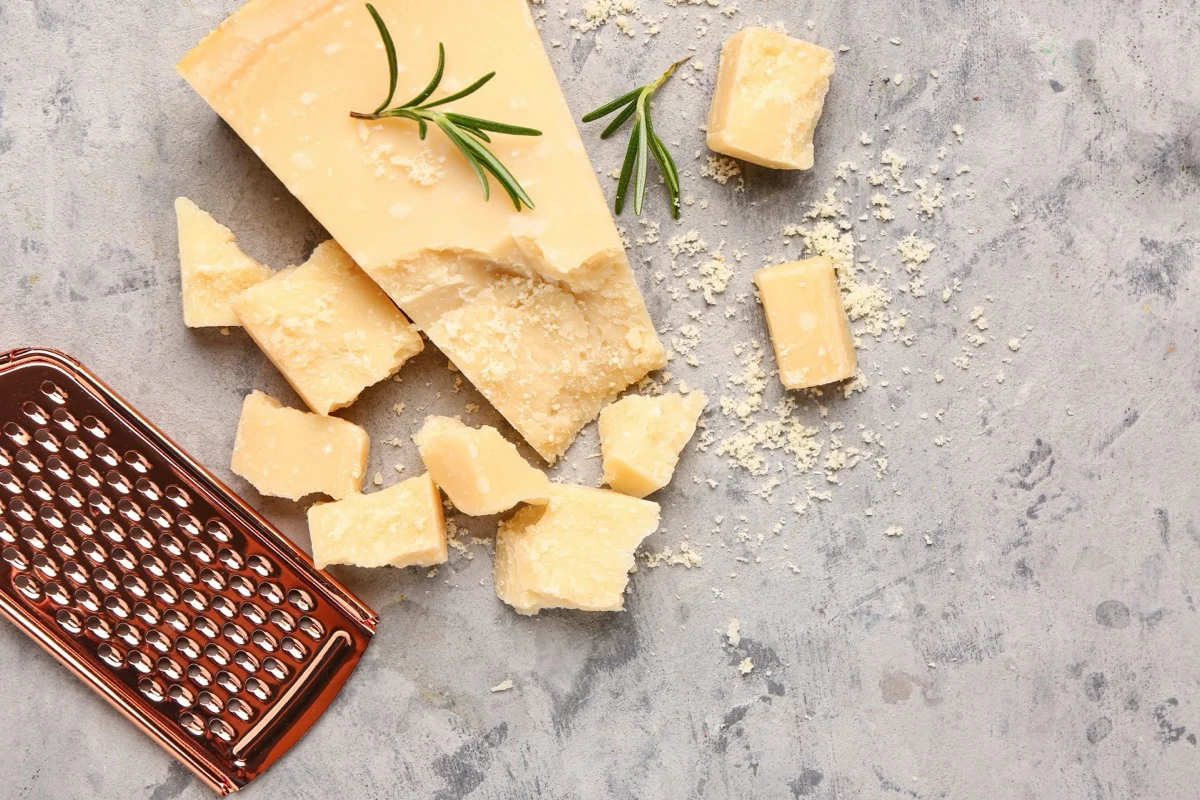
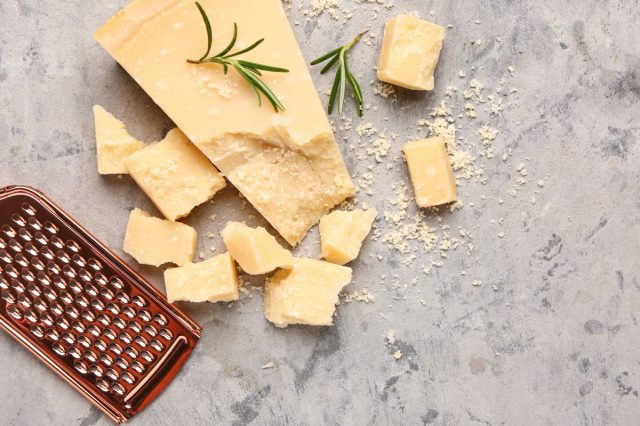
4. Parmesan: Concentrated Flavor for Mindful Indulgence
Parmesan, a hard, aged cheese, is renowned for its intense, savory, and umami-rich flavor. Like feta, its potent taste profile is a significant asset for weight loss strategies. "Hard cheeses like Parmesan are flavorful and protein-dense, meaning you can use small amounts and still feel satisfied," Collingwood states. The concentrated flavor of Parmesan means that even a small grating can dramatically enhance a dish, providing a luxurious feel without adding substantial calories. This principle aligns perfectly with mindful eating, encouraging individuals to savor intense flavors in moderation.
"A tablespoon or two adds big flavor without many calories," Collingwood confirms. This makes Parmesan an excellent finishing touch for salads, soups, roasted vegetables, or whole-grain pasta. Its hard texture also means it can be shaved or grated thinly, further aiding in visual satisfaction while keeping portions minimal. A tablespoon of grated Parmesan cheese provides approximately 2 grams of protein and around 20-25 calories, along with a notable amount of calcium. Its ability to impart a rich, savory depth makes it an invaluable ingredient for making healthy meals more appealing and sustainable in the long term.
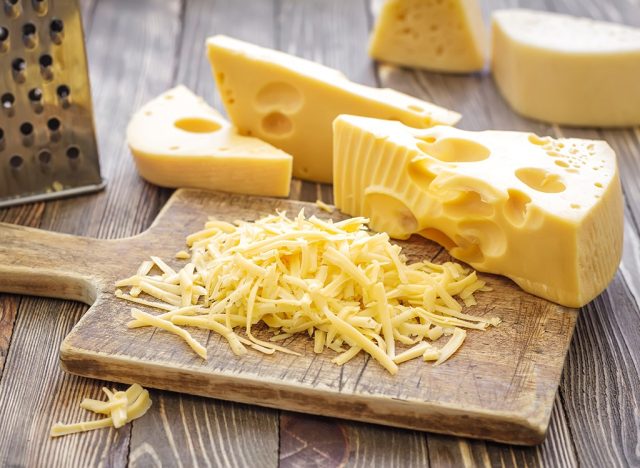
5. Swiss Cheese: Sodium-Conscious Protein
Swiss cheese, recognizable by its characteristic holes, offers a distinctive nutty and slightly sweet flavor. Beyond its taste, it presents a unique advantage for individuals mindful of sodium intake. "Swiss cheese offers protein with less sodium than many other cheeses, which can be helpful for people watching their bloating or water retention," says Collingwood. High sodium intake can lead to water retention, causing temporary weight fluctuations and a feeling of bloating, which can be discouraging during a weight loss journey. Opting for lower-sodium cheeses like Swiss can help mitigate these effects.
A slice of Swiss cheese typically provides around 7-8 grams of protein and approximately 100-110 calories, making it a substantial source of protein for its caloric value. Its moderate fat content also contributes to satiety. "Pairs well with whole-grain bread or fruit," Collingwood suggests, indicating its versatility in both savory sandwiches and as a complement to sweet snacks. Its mild flavor also makes it a good option for those who prefer less intense cheese profiles, allowing for easy integration into a variety of meals, from omelets to turkey wraps.
6. Ricotta (Part-Skim): Sweet and Savory Versatility
Part-skim ricotta cheese, with its creamy texture and mild, slightly sweet flavor, is another excellent choice for weight management. Its adaptability across culinary applications is a major benefit. Collingwood is a fan of ricotta, highlighting that it "provides protein and calcium and works well in both sweet and savory dishes, making it easier to stick with a calorie-controlled plan." This versatility is key to preventing dietary monotony, which often leads to abandonment of healthy eating habits.
A half-cup serving of part-skim ricotta offers approximately 14 grams of protein and around 170 calories, along with a significant amount of calcium. Its soft, spreadable consistency makes it easy to incorporate into various recipes. "Try it with berries or herbs and vegetables," Collingwood recommends. For a sweet treat, ricotta can be paired with fresh berries, a drizzle of honey, and a sprinkle of cinnamon. In savory dishes, it can be spread on whole-grain toast, added to lasagna, or mixed into a frittata. Its ability to satisfy diverse cravings without compromising nutritional goals makes it a valuable asset for sustained dietary adherence.
7. Goat Cheese: Tangy Richness for Portion Control
Goat cheese, or chèvre, stands out with its distinctively tangy and often earthy flavor profile. This richness, similar to feta and Parmesan, makes it a powerful tool for mindful eating. "Goat cheese is rich and tangy, which helps with portion control," Collingwood explains. The intensity of its flavor ensures that a small amount is usually sufficient to impart a satisfying taste experience, thereby naturally limiting consumption. This inherent portion control mechanism is highly beneficial for those aiming to reduce overall calorie intake.
Beyond its flavor, goat cheese may offer digestive advantages for some individuals. Collingwood points out, "some people find it easier to digest than cow’s milk cheeses." This is often attributed to the differences in protein structure and fat globule size in goat’s milk compared to cow’s milk, making it a suitable alternative for those with mild sensitivities. "A little adds creaminess to salads and bowls," Collingwood states, showcasing its utility as a flavorful condiment. A typical ounce of goat cheese contains about 6 grams of protein and around 75 calories. Its creamy texture and piquant flavor make it an excellent addition to green salads, roasted beet salads, or crumbled over warm grain bowls, providing a gourmet touch to otherwise simple, healthy meals.
Beyond Cheese: A Holistic Approach to Abdominal Fat Reduction
While the strategic inclusion of protein-rich cheeses can be a valuable component of a weight loss diet, it is crucial to reiterate that no single food or food group acts in isolation. Effective and sustainable abdominal fat reduction necessitates a comprehensive, holistic approach. Dietary interventions must focus on creating a consistent, moderate calorie deficit, primarily achieved through a balanced intake of whole foods, including lean proteins, abundant fruits and vegetables, whole grains, and healthy fats.
Regular physical activity is equally non-negotiable. A combination of cardiovascular exercise, which helps burn calories and improve overall metabolic health, and strength training, which builds and preserves muscle mass, is most effective. Resistance training is particularly important for enhancing metabolism and body composition, directly supporting the goal of fat loss and muscle maintenance that protein-rich cheeses facilitate. Adequate hydration, sufficient sleep, and effective stress management also play significant, though often underestimated, roles in metabolic function and hormonal balance, all of which impact fat storage, particularly around the midsection.
The advice from Tara Collingwood underscores that a successful weight loss journey is about making informed, sustainable choices rather than imposing harsh restrictions. By understanding the nutritional benefits of protein-rich cheeses and integrating them thoughtfully into a broader healthy lifestyle, individuals can enjoy their favorite foods while actively working towards their belly fat reduction goals. The key lies in moderation, mindful eating, and a commitment to overall well-being.
