








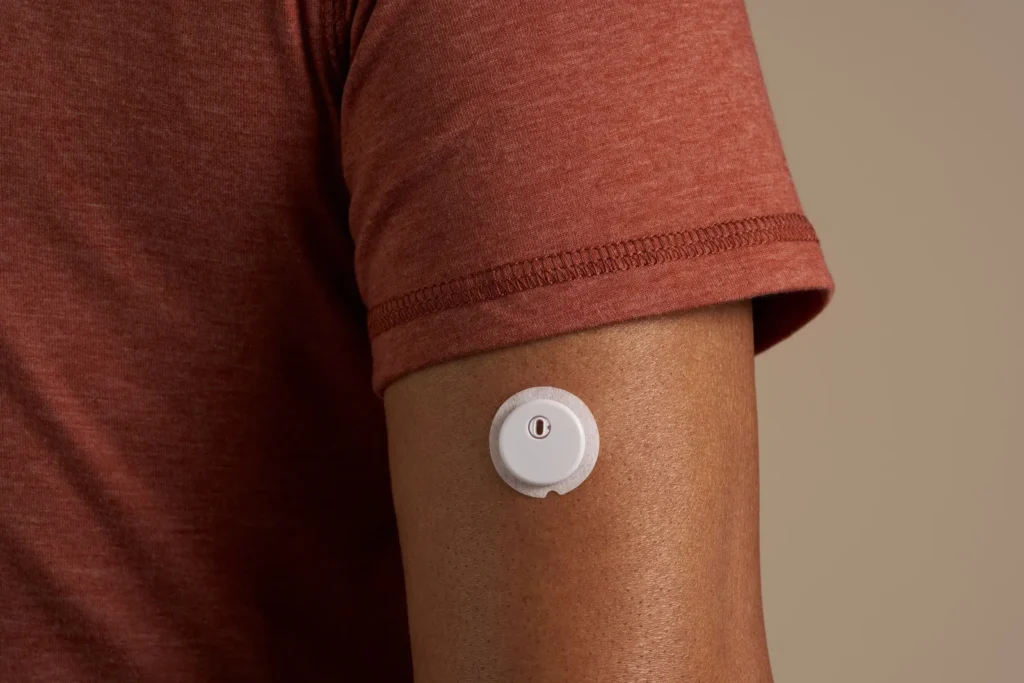
Abbott Laboratories has officially submitted its application to the U.S. Food and Drug Administration (FDA) for the Libre Duo, a first-of-its-kind dual-analyte sensor designed to monitor both glucose and ketone levels simultaneously. This regulatory milestone follows the company’s receipt of the CE (Conformité Européenne) mark in early 2024, which cleared the device for use in the European Union. The Libre Duo represents a significant evolution in the FreeStyle Libre product line, moving beyond traditional continuous glucose monitoring (CGM) to address one of the most dangerous complications of diabetes: diabetic ketoacidosis (DKA). Abbott executives have expressed optimism that the FDA will grant approval before the end of the year, potentially making the device available to American patients by late 2024 or early 2025.
The introduction of continuous ketone monitoring (CKM) alongside glucose data marks a pivot in metabolic health technology. While glucose monitoring has become the standard of care for millions of people with Type 1 and Type 2 diabetes, ketone monitoring has historically remained a reactive, intermittent practice. By integrating these two measurements into a single wearable sensor, Abbott aims to provide a more comprehensive view of a patient’s metabolic state, allowing for earlier intervention in cases of insulin deficiency.
The Clinical Imperative: Addressing the Risks of Diabetic Ketoacidosis
The primary clinical driver behind the Libre Duo is the prevention of diabetic ketoacidosis, a life-threatening condition that occurs when the body lacks sufficient insulin to process glucose for energy. In the absence of insulin, the body begins to break down fat at an accelerated rate, producing ketones as a byproduct. When ketones accumulate in the bloodstream, they cause the blood to become acidic, leading to organ failure, cerebral edema, or death if left untreated.

According to data from the Centers for Disease Control and Prevention (CDC), DKA hospitalizations have seen a steady increase in the United States over the last decade. There are more than 200,000 DKA-related hospital admissions annually in the U.S. alone, representing a massive burden on both patient health and the healthcare economy. For patients, a DKA event is often traumatic and requires intensive care; for the healthcare system, these preventable admissions cost billions of dollars each year.
The risk of DKA is particularly high for individuals with Type 1 diabetes, but it is also a growing concern for those with Type 2 diabetes who are insulin-dependent or those taking SGLT2 inhibitors. SGLT2 inhibitors, a popular class of glucose-lowering medications, have been linked to "euglycemic DKA," a condition where a patient develops ketoacidosis despite having relatively normal blood sugar levels. This makes traditional glucose monitoring insufficient for detecting the onset of the condition, highlighting the urgent need for direct ketone measurement.
Evolution of Monitoring Technology: A Chronology of the FreeStyle Libre
The development of the Libre Duo is the latest chapter in Abbott’s long history of diabetes innovation. The FreeStyle Libre franchise first disrupted the market by replacing traditional finger-prick tests with "flash" glucose monitoring, where users could scan a sensor with a reader or smartphone.
- 2014: Abbott receives the CE mark for the original FreeStyle Libre, introducing the concept of factory-calibrated sensors.
- 2017: The FDA approves the FreeStyle Libre for use in the United States.
- 2020: The FreeStyle Libre 2 is cleared, adding real-time optional alarms for high and low glucose levels.
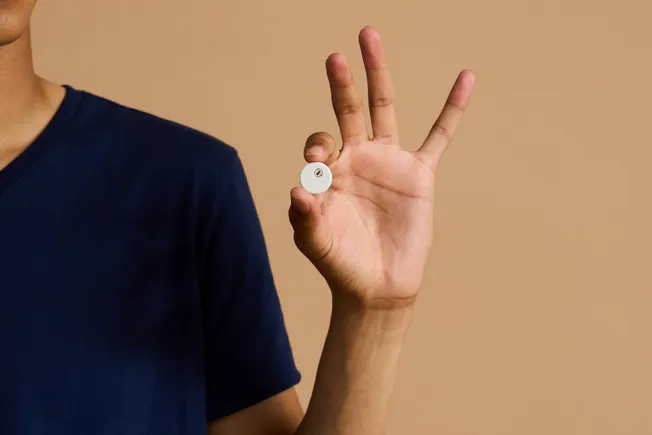
- 2022: The FreeStyle Libre 3 receives FDA clearance, featuring the world’s smallest and thinnest sensor with full continuous monitoring capabilities (no scanning required).
- 2024: Abbott achieves the CE mark for the Libre Duo and subsequently files for FDA clearance, marking the transition from single-analyte to multi-analyte sensing.
In Europe, the Libre Duo will be offered in two configurations: a 15-day sensor for adults and a 10-day version for pediatric patients ages two and older. The U.S. filing seeks to mirror these indications, though the final labeling will depend on the FDA’s review of the clinical data.
Expert Perspectives on Continuous Ketone Monitoring
The medical community has greeted the prospect of continuous ketone monitoring with a mixture of enthusiasm and caution. Dr. Alisa Schiffman, senior medical director of Abbott Diabetes Care and a pediatric endocrinologist, describes the ketone reading as a "check engine light" for the human body. While glucose data acts as the "speedometer" that patients check constantly, the ketone alert is designed to warn users of an underlying systemic issue that requires immediate attention.
However, some endocrinologists emphasize that more data does not always equate to better outcomes without proper education. Dr. Rayhan Lal, an assistant professor and endocrinologist at Stanford Health Care, points out that ketone levels can be "highly nonspecific." Ketones can rise due to vigorous exercise, fasting, or a ketogenic diet, which are not necessarily indicative of an insulin-deficient emergency. Lal suggests that while ketones are an easier analyte to detect with current sensor chemistry, the ultimate goal would be the direct measurement of insulin levels—a much more difficult technical challenge.
Dr. Jennifer Sherr, medical director of pediatric diabetes at Yale University School of Medicine, views the lack of regular ketone testing as a "missed opportunity" in current diabetes management. Currently, patients must rely on urine strips, which reflect ketone levels from several hours prior, or expensive blood ketone meters that require additional finger sticks. A continuous sensor eliminates the lag time of urine testing and the pain and cost of blood meters, potentially catching infusion set failures in insulin pump users much faster.
Establishing New Clinical Guidelines and Standards
As multi-analyte sensors move toward the mainstream, international diabetes organizations are working to establish standardized protocols for interpreting CKM data. In January 2024, a consensus recommendation was published in The Lancet, led by the nonprofit Breakthrough T1D (formerly JDRF). This group of international experts aimed to define what constitutes "normal," "elevated," and "high" ketone concentrations in a continuous monitoring context.
The consensus established a threshold of 3.0 mmol/L as an "urgent high," necessitating immediate medical consultation or emergency intervention. Levels between 0.6 and 1.5 mmol/L are considered "elevated," requiring the patient to monitor their condition closely, hydrate, and potentially administer supplemental insulin. However, the group noted that evidence for using these specific thresholds as a definitive diagnostic for DKA is still developing.
Brynn Marks, senior director of medical affairs for Breakthrough T1D, notes that trend arrows—a staple of glucose monitoring—will be equally vital for ketones. Knowing whether a ketone level is rising rapidly or beginning to stabilize can help a patient decide whether to change an insulin pump site or simply wait for a correction dose of insulin to take effect.
Market Dynamics, Cost, and Accessibility
The success of the Libre Duo in the U.S. market will likely hinge on its price point and insurance coverage. Abbott has historically positioned the FreeStyle Libre as a more affordable alternative to competitors like Dexcom and Medtronic. In the U.S., many patients pay as little as $75 per month out-of-pocket for Libre sensors, depending on their insurance plan and pharmacy benefits.
Diana Isaacs, a pharmacist and director of education and training in diabetes technology for Cleveland Clinic, suggests that if the Libre Duo carries a significant price premium over the standard Libre 3, adoption may be limited to high-risk populations. "That’s really going to impact how many people choose to use this new technology," Isaacs said. Abbott has not yet released specific pricing for the Duo but has maintained its commitment to making its products accessible through negotiations with private payers and government programs like Medicare.
The competitive landscape is also shifting. While Abbott is the first major player to file for a dual glucose-ketone sensor, other companies and startups are exploring multi-analyte platforms. Some are looking beyond ketones to lactate, which could appeal to the athletic and fitness market, or alcohol monitoring for broader health applications.
The Future of Metabolic Monitoring
The filing of the Libre Duo represents more than just a new product; it signals the beginning of the "wearable lab" era. For decades, blood chemistry was a snapshot taken at a doctor’s office or through painful self-testing. With the advent of multi-analyte sensors, patients and providers are moving toward a continuous, high-definition view of human metabolism.
If approved, the Libre Duo could fundamentally change the management of Type 1 diabetes, particularly for pediatric patients and those using automated insulin delivery (AID) systems. By providing an early warning system for DKA, the device has the potential to reduce emergency room visits, lower healthcare costs, and, most importantly, provide peace of mind to millions of people living with insulin-dependent diabetes. As the FDA begins its review, the diabetes community remains focused on how this new stream of data will be integrated into daily life and whether it will set a new standard for safety in metabolic care.