








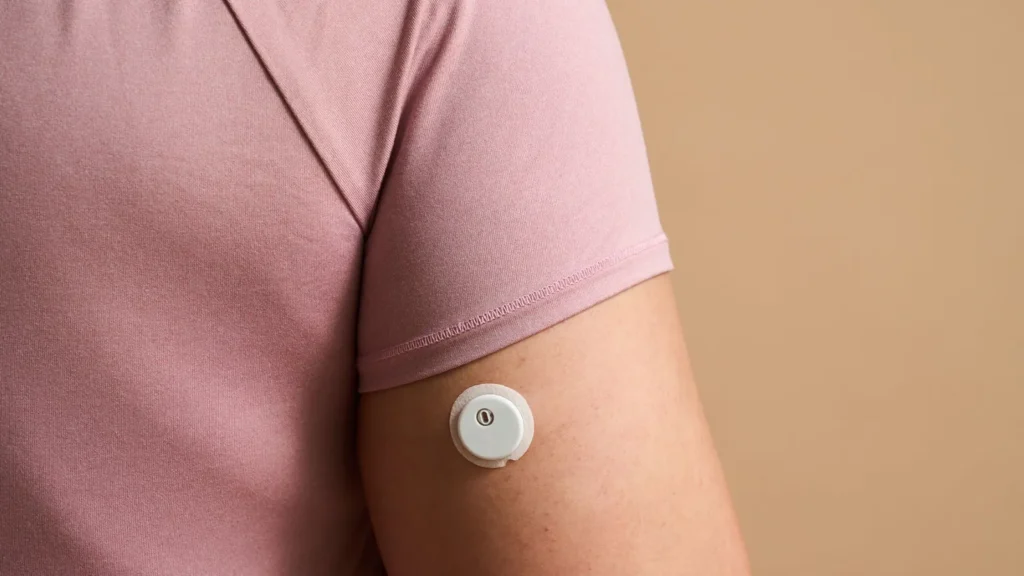
The U.S. Food and Drug Administration (FDA) has granted de novo authorization to Abbott for the Libre Duo 10 Day, the world’s first integrated dual-analyte sensor designed to continuously monitor both glucose and ketone levels. This regulatory milestone marks a significant shift in the management of diabetes, moving beyond traditional glucose-only tracking to provide a more comprehensive view of metabolic health. The device is slated for a phased commercial rollout later this year, offering a proactive tool for individuals with diabetes who are at risk of developing life-threatening complications.
By integrating two separate sensing capabilities into a single, wearable patch, the Libre Duo aims to address a critical gap in current diabetes care: the early detection of rising ketones. While continuous glucose monitors (CGMs) have become the standard of care for many, ketone monitoring has historically remained a reactive, manual process involving blood or urine test strips. Abbott’s new system automates this process, providing real-time data and alerts that could potentially prevent emergency room visits and hospitalizations.
The Clinical Necessity of Dual-Analyte Sensing
The primary clinical driver behind the Libre Duo is the prevention of Diabetic Ketoacidosis (DKA). DKA is a severe, potentially fatal complication that occurs when the body lacks sufficient insulin to process glucose for energy. In the absence of insulin, the body begins breaking down fat at an accelerated rate, leading to a buildup of acidic ketones in the bloodstream. If left untreated, DKA can result in cerebral edema, coma, or death.
Currently, clinical guidelines recommend that patients with Type 1 diabetes test their ketones during periods of illness, high stress, or whenever glucose levels exceed 240 mg/dL. However, adherence to these guidelines is notoriously low. Manual ketone testing is often perceived as burdensome, and the supplies are not always readily available to patients at home. Furthermore, the early symptoms of DKA—such as fatigue, nausea, and excessive thirst—are non-specific and frequently mistaken for common viral infections or simple dehydration.
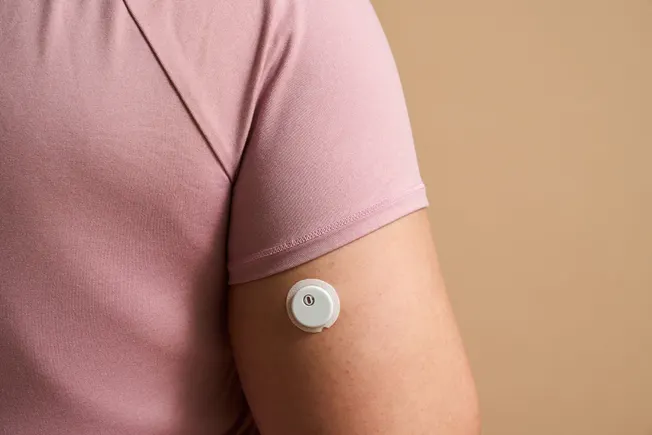
By the time a patient realizes they are in DKA, the condition is often too advanced to be managed at home, necessitating intensive hospital treatment. The Libre Duo 10 Day addresses this by providing continuous monitoring and early warning alerts. When the sensor detects ketone levels reaching a specific threshold, it notifies the user via the Abbott Libre mobile application, allowing for immediate intervention with insulin, fluids, or medical consultation before the onset of symptomatic DKA.
Regulatory Pathway and Clinical Evidence
The FDA’s authorization followed a rigorous review process under the de novo pathway, which is reserved for novel medical devices that have no legally marketed predicate. As part of this authorization, the FDA established a new regulatory classification for "integrated continuous glucose and ketone monitoring" (iCGKM) systems. This classification ensures that the device meets high standards for both accuracy and its ability to integrate with other components of diabetes management, such as automated insulin delivery (AID) systems.
The FDA’s decision was supported by a comprehensive clinical program consisting of six separate studies. These trials enrolled more than 600 participants, including pediatric patients as young as two years old. The data demonstrated that the Libre Duo was highly accurate in tracking glucose levels and showed a strong correlation with laboratory-grade ketone measurements. Crucially, the studies confirmed that the device could reliably identify clinically meaningful trends in ketone elevation over its 10-day wear period, providing a sufficient window for preventative action.
Dr. Alisa Schiffman, senior medical director for Abbott Diabetes Care, emphasized the potential for the device to transform the standard of care. In discussions regarding the clinical data, Schiffman noted that the goal is to reduce the cognitive and physical burden on patients while simultaneously improving safety outcomes. The ability to see "where you are going" rather than just "where you are" is a cornerstone of the Libre Duo’s value proposition.
Integration with the Diabetes Tech Ecosystem
A critical aspect of the Libre Duo’s market strategy is its compatibility with the broader ecosystem of diabetes technology. Abbott has designed the sensor to be an "integrated" device, meaning it can communicate with other medical devices and software.

Abbott expects the Libre Duo 10 Day to be compatible with Beta Bionics’ iLet and Sequel Med Tech’s twiist AID systems by the end of 2026. Looking ahead to 2027, the company is pursuing integrations with other major industry players, including Insulet (makers of the Omnipod), Tandem Diabetes Care, and Medtronic’s MiniMed.
Notably, Abbott has entered into a specific partnership with Medtronic to develop a version of the dual-analyte sensor tailored exclusively for MiniMed’s automated systems. These integrations are vital because they allow insulin pumps to adjust delivery based not only on glucose levels but potentially on the presence of ketones, adding an extra layer of safety for patients using "closed-loop" technology.
Chronology of Development and Market Evolution
The journey toward the Libre Duo began several years ago as part of Abbott’s broader strategy to expand the FreeStyle Libre platform from a glucose-only tool into a comprehensive metabolic health monitor.
- 2022-2023: Abbott first publicly discussed its dual-analyte sensing technology, highlighting early laboratory successes in combining glucose and ketone sensors on a single filament.
- 2024: The company accelerated its clinical trials, focusing on diverse patient populations to satisfy FDA requirements for a de novo submission.
- Early 2025: Abbott submitted its formal application to the FDA, while simultaneously announcing partnerships with insulin pump manufacturers to ensure the device would have an immediate ecosystem upon launch.
- August 2026: The FDA grants de novo authorization, clearing the path for the U.S. launch.
This timeline reflects a rapid pace of innovation in the biosensor market. Abbott’s primary competitor, Dexcom, has also signaled interest in multi-analyte sensing, but Abbott’s authorization gives it a significant "first-mover" advantage in the dual glucose-ketone category.
Market Implications and Economic Impact
The introduction of the Libre Duo is expected to have a notable impact on healthcare economics, particularly regarding the costs associated with emergency diabetes care. DKA is one of the most expensive complications of diabetes to treat. According to various healthcare cost analyses, a single DKA-related hospitalization in the United States can cost between $15,000 and $25,000, depending on the severity and length of stay.

By providing a tool that can prevent even a fraction of these hospitalizations, the Libre Duo presents a compelling case for insurance payers. However, the commercial success of the device will depend heavily on its pricing and coverage. While Abbott has not yet released the specific list price for the Libre Duo, the company has historically positioned its Libre line as a more affordable alternative to other CGM systems.
Industry analysts suggest that if Abbott can maintain a price point close to its existing glucose-only sensors, the Libre Duo could see rapid adoption among the Type 1 diabetes community and high-risk Type 2 patients. Payers will likely look for long-term data showing that the continuous monitoring of ketones leads to a measurable decrease in acute care utilization.
Broader Implications for Metabolic Health
Beyond the immediate benefits for DKA prevention, the Libre Duo represents the vanguard of a new era in wearable biosensing. The technology used to monitor ketones is a gateway to monitoring other analytes. Abbott has already indicated that it is researching sensors for lactate (useful for athletic performance and sepsis monitoring) and ethanol (alcohol levels).
The shift toward multi-analyte sensing aligns with the growing trend of personalized medicine and the "quantified self." For patients with diabetes, this means a move away from managing a single number toward a holistic understanding of their metabolism. For the medical device industry, it represents a transition from hardware-centric sales to data-driven health management.
As the Libre Duo 10 Day prepares for its late-2026 rollout, the medical community will be watching closely to see how real-world use matches the promising results of clinical trials. If successful, the device could redefine the baseline expectations for continuous monitoring, making dual-analyte sensing the new gold standard for high-risk diabetes care.