

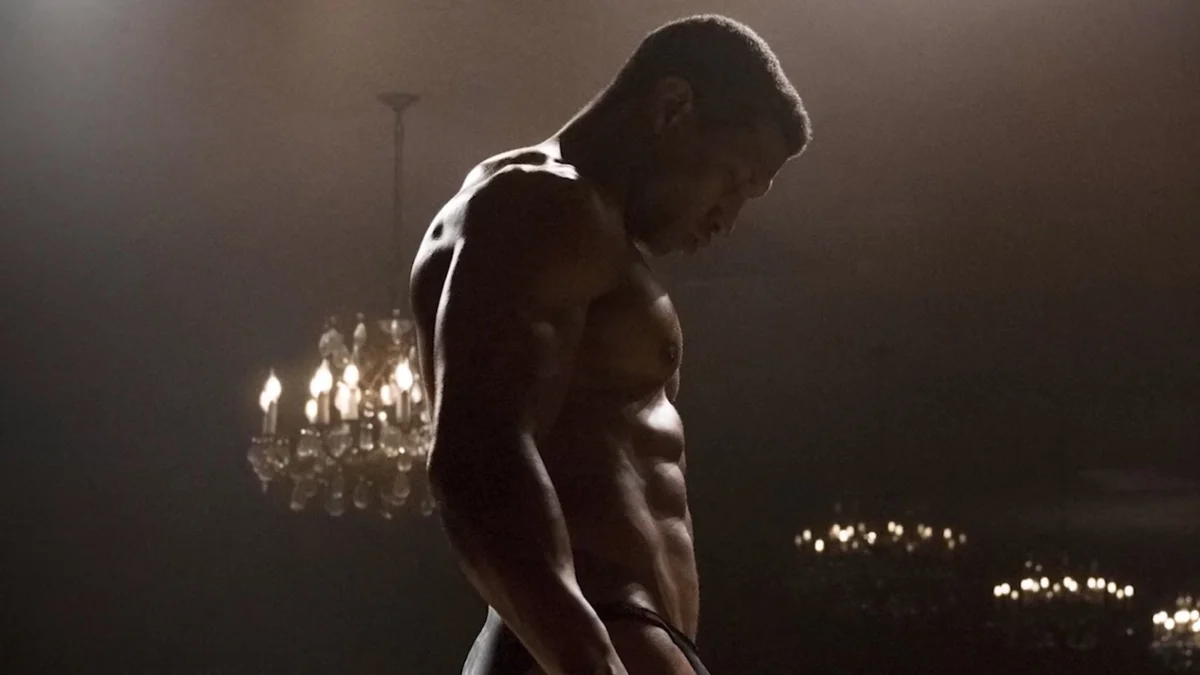
The revelation, shared during the 2023 Sundance Film Festival, underscores the extreme physical demands placed on modern actors who seek to portray elite athletes with high degrees of realism. Jonathan Majors, portraying the protagonist Killian Maddox in the dramatic feature Magazine Dreams, undertook a rigorous four-month transformation process that involved a caloric intake nearly triple that of the average adult male. This dietary regimen, combined with a punishing triple-session daily workout schedule, highlights a growing trend in the film industry where physical metamorphosis is treated with the same intensity as psychological character study.
The Scope of the Physical Transformation
To embody Killian Maddox, an amateur bodybuilder struggling with social isolation and a volatile temperament, Majors committed to a lifestyle that mirrored the professional athletes he was portraying. During a series of press engagements following the film’s premiere on January 20, 2023, Majors detailed the specifics of his preparation. At 6 feet tall and weighing approximately 202 pounds, the actor maintained a caloric floor of 6,100 calories per day for 120 consecutive days.
The objective was not merely to gain weight but to achieve the hyper-defined, muscular hypertrophy characteristic of competitive bodybuilding. Majors noted that to sustain his frame and encourage muscle growth, his protein intake had to match his body weight in grams, a standard rule of thumb in high-level strength training. However, the sheer volume of food required to hit 6,100 calories—while maintaining the lean composition necessary for the screen—required a disciplined selection of nutrient-dense whole foods.
Nutritional Strategy and Dietary Components
The dietary plan utilized by Majors was characterized by its consistency and reliance on lean proteins. The actor reported eating six times a day, focusing heavily on chicken and elk. The inclusion of elk meat is particularly notable from a nutritional standpoint. Elk is often preferred by elite athletes and bodybuilders because it is significantly leaner than beef while providing a higher concentration of protein and essential minerals such as iron and zinc.
A standard 6,100-calorie diet, if conducted through "clean eating" (avoiding processed sugars and excessive saturated fats), requires a massive volume of food. For context, 6,100 calories of lean protein and complex carbohydrates equates to several pounds of meat and grain daily. This level of consumption is often described by actors and athletes as "force-feeding," where the act of eating becomes a secondary job, often more mentally taxing than the physical training itself.
The Triple-Session Training Protocol
While the diet provided the fuel, the structural changes to Majors’ physique were forged through an exhaustive training schedule. The actor revealed that his routine exceeded the standard "two-a-day" workouts typical of professional bodybuilders.
His daily schedule included:
- Morning Session: Two hours of intensive resistance training.
- Afternoon Session: A second two-hour block focused on specific muscle groups or conditioning.
- Post-Wrap Session: A third workout conducted after the filming day had concluded.
This level of volume—roughly six hours of physical labor daily—is rarely sustainable for long periods due to the risk of overtraining syndrome and central nervous system fatigue. However, for a four-month "transformation window," such protocols are used to force the body into rapid adaptation. Majors’ ability to maintain this schedule while also performing the emotionally draining scenes required for the film suggests a high level of athletic "work capacity," a trait he likely developed during his previous preparation for Creed III.
Chronology of Preparation: From the Ring to the Stage
The timing of Magazine Dreams is significant in the context of Majors’ career trajectory. The actor’s physical evolution was a continuous process that began with his role as Damian "Dame" Anderson in Creed III. For the boxing film, which required a more functional, "shredded" aesthetic, Majors had already reached a high level of fitness.
The transition from a boxer’s physique to a bodybuilder’s physique involves a shift from explosive, cardiovascular-heavy training to high-volume hypertrophy training. While a boxer needs to remain agile and within a specific weight class, a bodybuilder seeks maximal size and muscle separation. Majors effectively used the foundation built for Creed III as a "jumping-off point" for the more massive requirements of Magazine Dreams. This back-to-back scheduling of physically demanding roles is reminiscent of the "physical method acting" pioneered by figures like Robert De Niro in Raging Bull or Christian Bale in various roles, though Majors’ focus has been on the accumulation of lean mass rather than extreme weight loss.
Psychological Implications and Character Authenticity
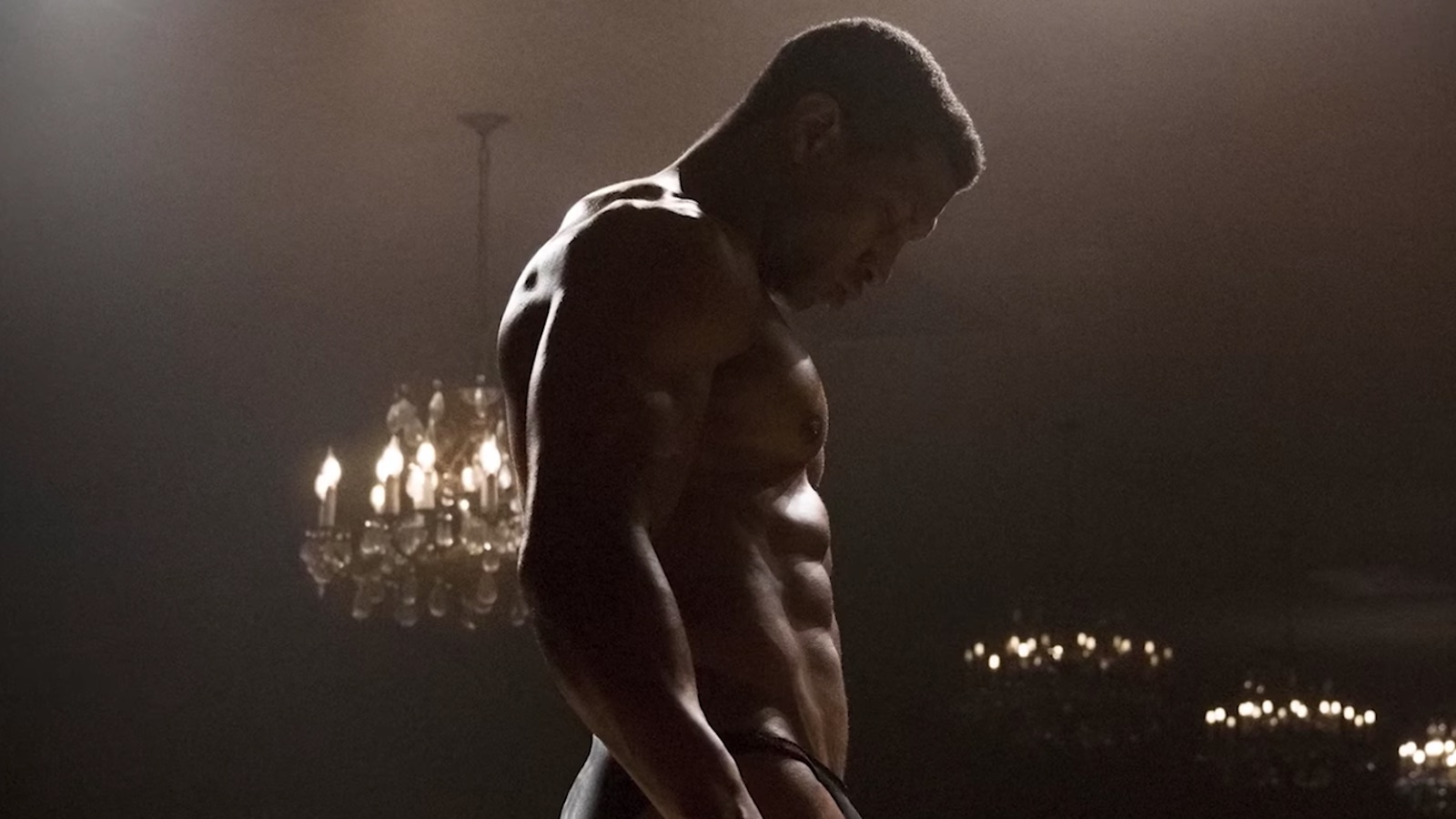
The decision to undergo such a grueling transformation was not merely aesthetic. In Magazine Dreams, the character of Killian Maddox views his body as his only source of control and worth. By subjecting himself to the actual rigors of the sport—the constant hunger, the physical soreness, and the rigid discipline—Majors aimed to capture the psychological state of a man obsessed with physical perfection.
In his interview with Variety, Majors emphasized that "playing him, you don’t [expletive] around." The authenticity of the performance is rooted in the reality of the physical struggle. The irritability often associated with extreme dieting and the exhaustion from overtraining are states that are difficult to simulate; by actually experiencing them, Majors was able to bring a raw, visceral quality to the role that resonated with critics at the Sundance premiere.
Industry Context: The Decline of CGI in Character Portraits
Majors’ commitment comes at a time when the film industry is seeing a quiet backlash against the use of digital enhancements for actor physiques. While Marvel and other superhero franchises have occasionally used CGI to augment an actor’s muscles or "paste" an actor’s head onto a body double’s frame, there is a renewed prestige associated with "real" transformations.
Directors and producers are increasingly looking for actors who can provide a "tactile" presence on screen. The physical reality of Majors’ veins, muscle striations, and sweat in Magazine Dreams provides a level of immersion that digital effects struggle to replicate. This "hyper-realism" serves the narrative of independent cinema, where the focus is on the human condition rather than spectacle.
Comparative Analysis: The Cost of Transformation
The 6,100-calorie figure places Majors in an elite tier of cinematic transformations. For comparison:
- The Rock (Dwayne Johnson): Often consumes between 5,000 and 6,000 calories for his most demanding roles, such as Hercules.
- Henry Cavill: Reported consuming approximately 5,000 calories during the "bulking" phase for Man of Steel.
- Hugh Jackman: Utilized intermittent fasting and high-calorie windows for Wolverine, but rarely peaked at the 6,000-plus mark for extended durations.
Majors’ regimen is particularly intense because it was maintained while filming. Most actors "peak" for a specific shirtless scene and then taper off. Majors, however, had to maintain the "pump" and the mass throughout the production to ensure visual continuity for a character whose entire identity is tied to his physical form.
Broader Impact on the Film and Actor’s Reputation
The buzz surrounding Majors’ physical state has served as a powerful marketing tool for Magazine Dreams. Beyond the sensationalism of the "6,100 calories" headline, the dedication has established Majors as one of the most disciplined actors of his generation. Critics have noted that his physicality in the film acts as a "suit of armor" that hides a deeply fragile interior, a duality that is central to the movie’s success.
However, the medical community often cautions against the promotion of such extreme measures. Rapid weight gain and excessive protein consumption can strain the kidneys and the cardiovascular system if not monitored by professionals. Majors’ transformation was likely overseen by a team of nutritionists and trainers, a luxury not available to the amateur bodybuilders his character represents.
Conclusion: The New Standard for Physical Performance
Jonathan Majors’ preparation for Magazine Dreams represents the intersection of elite athletics and dramatic art. By consuming 6,100 calories a day and training three times daily, he bridged the gap between representing a character and inhabiting their physical reality. As the film moves from the festival circuit to a wider release, the discussion will likely continue to center on the limits of human endurance and the lengths to which an artist will go to achieve authenticity.
For Majors, the process was a testament to the belief that the body is a primary tool for storytelling. In an industry often criticized for artifice, his four-month journey into the world of competitive bodybuilding stands as a definitive example of professional commitment, setting a new benchmark for what is required to bring a physically dominant character to life on the silver screen.
