







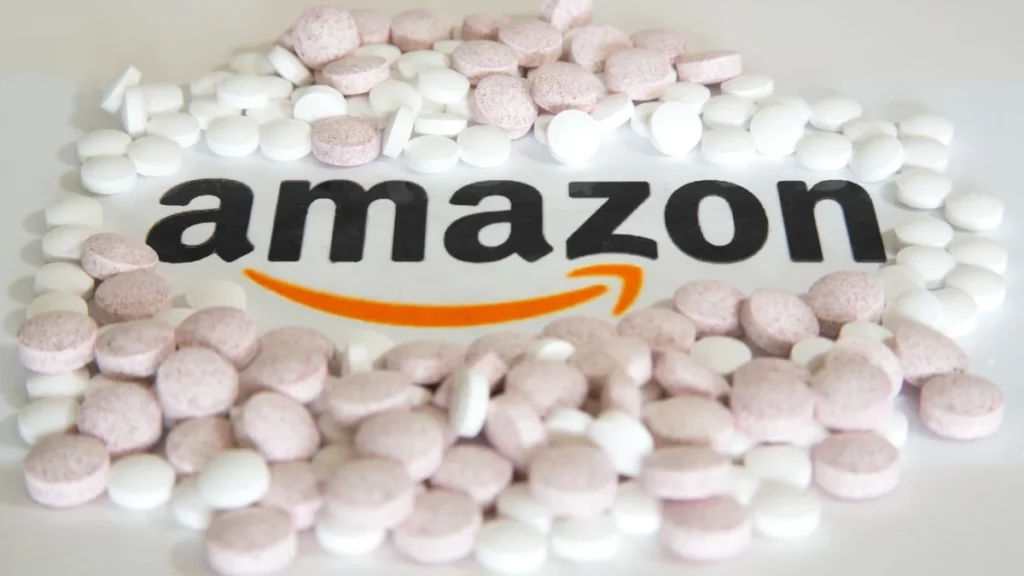
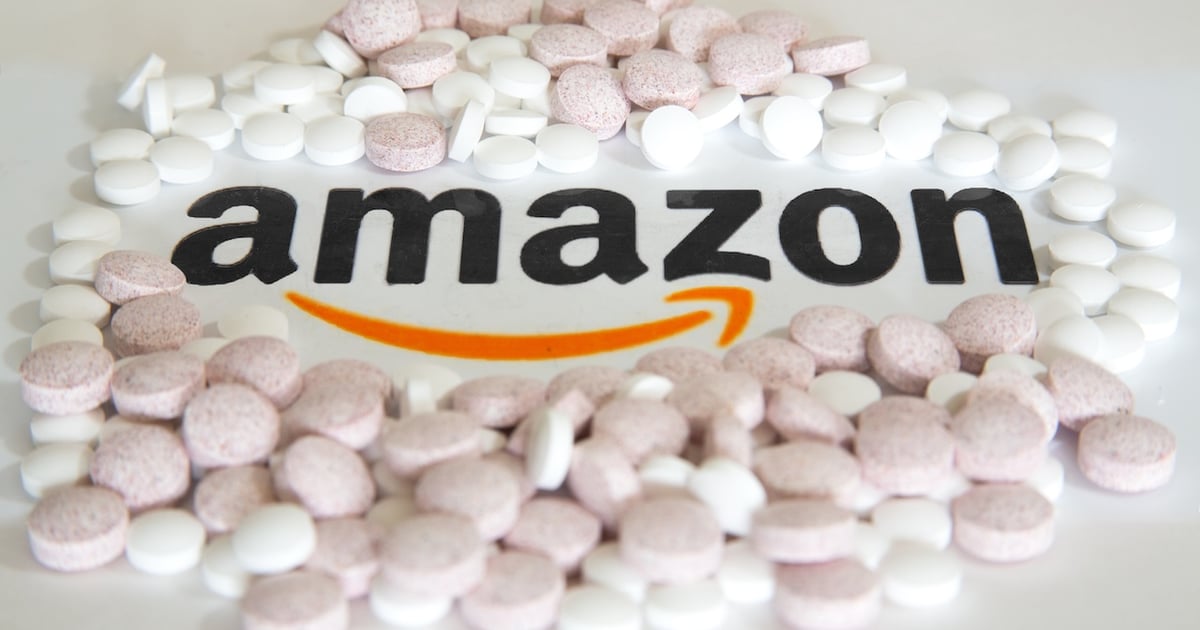
The landscape of dietary supplements sold on Amazon, the world’s largest online marketplace, is undergoing a significant transformation as the e-commerce giant grapples with persistent quality and compliance issues. In the past year, Amazon has implemented a series of stringent policy overhauls, including mandatory third-party testing and stricter alignment between product marketing and labeling. However, recent independent testing results, such as those from NOW Foods on vitamin C gummies, indicate that a substantial number of brands continue to fall short of meeting label claims, raising critical questions about the efficacy of Amazon’s enforcement strategies and the broader implications for consumer trust and industry standards.
The impetus for Amazon’s intensified regulatory approach stems from a growing awareness of the challenges within the supplement industry, where product integrity can be compromised at various stages of development and distribution. This has led to a critical examination of whether the platform’s policies are effectively deterring non-compliant products and what steps brands and manufacturers must take to ensure their offerings consistently meet the standards advertised on their packaging. Industry experts are weighing in on Amazon’s recent policy enforcement, offering insights into the complexities of compliance and the essential practices for producing high-caliber supplements, irrespective of the sales channel.
Amazon’s Evolving Regulatory Framework for Dietary Supplements

In a significant move to bolster consumer confidence and product integrity, Amazon established a March 31st compliance deadline for all dietary supplement sellers. This mandate stipulated that all marketing materials, including copy, images, and other content, must precisely align with the product’s Supplement Facts panel. This directive was part of a broader effort to address issues such as misleading claims, counterfeit products, and inconsistent formulations that have plagued the online supplement market.
However, the effectiveness of Amazon’s enforcement mechanisms in the wake of this deadline remains a subject of debate. While the company has taken steps to tighten its policies, the visible impact on the marketplace has not necessarily translated into a widespread removal of non-compliant products. Instead, reports suggest a more nuanced approach, with Amazon reportedly implementing automated removals of non-compliant language from product listings, often with little transparency regarding the specific triggers for these actions. This can create uncertainty for sellers and highlights potential shortcomings in the platform’s communication and dispute resolution processes.
Justin Schumacher, founder of Streamline Innovation Partners, a consultancy specializing in quality and regulatory compliance, has observed firsthand the challenges manufacturers face in adhering to these evolving regulations. He points to several common compliance sticking points. One such issue is "split-panel dosing," where the advertised effects or claims are linked to dosages that are spread across multiple servings of a product, a practice frequently seen with items like pre-workout powders. This can lead to consumer confusion if they are not aware of the full serving size required to achieve the claimed benefits.
Another prevalent problem is the misrepresentation of ingredient concentrations. Schumacher explains that some companies might claim a certain amount of an extract, for example, "500 mg beetroot extract," and equate it to a significantly larger quantity of the raw, unaltered active ingredient, such as "10,000 mg beetroot powder." This practice, while sometimes rooted in the concentration of active compounds within an extract, can be misleading if not clearly explained, potentially inflating the perceived potency of the product.
Amazon has also identified specific product categories as high-risk, requiring additional compliance measures. Approximately two years ago, the platform designated supplements marketed for weight management, bodybuilding, sports nutrition, joint health, and sexual enhancement as requiring adherence to more rigorous standards. These categories necessitate compliance with NSF/ANSI 173-2024 (American National Standards Institute) or equivalent certifications, which are benchmarks for quality and safety in the dietary supplement industry. At a minimum, all products listed on Amazon are expected to comply with current Good Manufacturing Practices (cGMP).
Following the March deadline, the absence of a broad-scale delisting of non-compliant products has led to speculation about the thoroughness of Amazon’s audit processes. Schumacher notes that while a mass delisting did not materialize, the platform has been actively removing problematic language from listings. This automated approach, while addressing some issues, can leave brands without clear guidance on how to rectify their listings, potentially leading to a cycle of repeated violations and removals. He also observes that the bundling of multiple products under a single listing can trigger compliance issues if the individual products within the bundle do not share identical claims.
The Rise of "Watchdog" Brands and Consumer Trust Concerns
A notable trend emerging from these policy shifts is the increasing assertiveness of established, compliant brands acting as unofficial "watchdogs" within the Amazon marketplace. Companies like NOW Foods have taken the initiative to test competitor products, publicly sharing their findings when discrepancies between label claims and actual product content are identified. This proactive approach, while beneficial for consumer awareness, raises complex questions about accountability and the potential for competitive tactics to overshadow genuine quality concerns.
Schumacher expresses a degree of skepticism regarding the motivations behind some of these "watchdog" actions. He observes that some brands, which have themselves faced scrutiny for issues such as trademark licensing violations, are now actively pursuing legal challenges against competing brands. This raises the pertinent question: "Do you have to be a compliant and reputable brand to be a watchdog? How can consumers trust that you are partnering with reputable labs or using proper test methods?" The concern is that such actions could be strategically employed to divert attention from a brand’s own compliance issues or to undermine competitors, rather than solely to uphold industry standards.
This dynamic introduces a layer of complexity for consumers attempting to navigate the supplement market on Amazon. While independent testing provides valuable data, the underlying motivations of the entities conducting such tests can influence perceptions and create an environment where competitive rivalries obscure the fundamental goal of ensuring product quality for all consumers.
Alternative Distribution Models: Brands Opting Out of Amazon
In response to the persistent challenges and perceived risks associated with selling on a platform like Amazon, some supplement brands are choosing to forgo the e-commerce giant altogether. For these companies, maintaining an uncompromising standard of quality and brand integrity is paramount, and they believe that direct-to-consumer sales or distribution through specialized channels offer greater control.
Olivia Morrissey, communications manager at Ortho Molecular Products, explains that her company exclusively sells its products through healthcare practitioners and strictly prohibits third-party resales. This strategic decision is rooted in a commitment to safeguarding product quality from the point of manufacture to the end consumer. Morrissey highlights that unauthorized resales on platforms like Amazon can extend beyond simple unauthorized listings. "We have encountered sellers who obscure QR codes, remove important identifying information such as lot numbers and expiration dates, and market counterfeit products as authentic," she states.
By circumventing third-party resellers, Ortho Molecular Products asserts its ability to uphold its commitment to practitioners by ensuring the quality, source, condition, and integrity of its products. The company maintains a dedicated brand enforcement team that actively pursues legal action against entities marketing altered or counterfeit products. Morrissey acknowledges Amazon’s efforts to combat counterfeit sales, stating, "Amazon has taken some of the most meaningful steps to reduce counterfeit sales, though the problem has not been eliminated." She further notes that while Certificates of Analysis (CoAs) are helpful, they do not fully resolve the issue, as "bad actors often adapt quickly."
This perspective underscores a significant segment of the industry that prioritizes direct control over their supply chain and distribution channels as the most effective means of guaranteeing product quality and consumer safety. For these brands, the potential reach of a platform like Amazon is outweighed by the risks to their reputation and the integrity of their products.
Foundational Principles of Supplement Quality: Beyond Platform Policies
Regardless of whether a supplement brand operates on Amazon or through alternative channels, adherence to fundamental quality principles remains non-negotiable. Experts emphasize that robust quality control measures, encompassing scientifically justified overages, comprehensive stability testing, and careful consideration of distribution conditions, are essential for ensuring product compliance and efficacy.
Larisa Pavlick, founder and principal consultant at Haven GMP, a firm specializing in Good Manufacturing Practices, draws upon her extensive experience, including her tenure at the U.S. Food and Drug Administration (FDA), to highlight the foundational role of GMPs in dietary supplement quality. She specifically references FDA regulations 21 CFR 111.70 and 111.75, which mandate the establishment of specifications for dietary supplements and the implementation of rigorous procedures to verify that these specifications are consistently met.
Pavlick acknowledges the inherent complexities of the industry, where factors such as overages, stability, cost, and time constraints all influence the ability to adhere to regulatory requirements. "The industry reality is more complicated," she states.
Regarding overages—the intentional addition of a higher amount of an ingredient than what is listed on the label—Pavlick explains that these are added to ensure that the product still meets label claims by the end of its shelf life, accounting for potential degradation. The FDA considers scientifically justified overages to be reasonable when consistent with cGMPs. However, she cautions, "that doesn’t mean more is better." A scientifically justified overage should be meticulously calculated based on a thorough understanding of the specific ingredient’s properties, the product’s formulation, the manufacturing process, and the expected degradation rates. This requires an in-depth analysis of the ingredient’s sensitivity to factors such as temperature, moisture, oxygen, light, and pH. "Every ingredient brings its own stability profile, and then those ingredients have to coexist in the finished formulation," Pavlick elaborates, underscoring the intricate nature of formulating stable and potent supplements.
Pavlick also clarifies that the FDA does not mandate expiration dates for dietary supplements. However, if a company chooses to include an expiration date, the FDA requires that there be supporting data for that date. This typically involves a comprehensive stability-testing program designed to establish appropriate storage conditions and determine a reliable expiration dating period.
This is where stability testing becomes critically important. Pavlick notes that during her inspections, she has encountered numerous manufacturers who base their finished product expiration dates on the expiration dates provided for individual ingredients on their Certificates of Analysis. She strongly advises against this practice, emphasizing the necessity for manufacturers to conduct their own testing on the finished product matrix to validate these assumptions.
The Underrated Impact of Distribution on Product Stability
Beyond formulation and manufacturing, Pavlick identifies distribution as a potentially overlooked yet crucial element in the overall stability of dietary supplements. "Distribution may be the overlooked part of the stability story," she posits.
The challenges in maintaining product integrity escalate once a product leaves the direct control of the manufacturer or brand owner. "Once a product leaves the manufacturer’s or brand owner’s direct control, storage and transportation conditions become much harder to manage," Pavlick explains. The rise of direct-to-consumer shipping and home delivery models has exacerbated this issue, introducing a wider range of environmental variables that can impact product quality.
Pavlick specifically references Amazon’s "meltable" policy, which defines meltable inventory as products that can melt "during prolonged exposure to 155 degrees Fahrenheit." She notes that this category often includes gummies. While 155 degrees Fahrenheit represents a severe temperature threshold, Pavlick argues that the more pertinent question is not simply "did it melt?" but rather whether the conditions experienced during distribution "affect the product’s identity, strength, quality, purity, composition or ability to continue meeting its specifications through the labeled shelf life." This broader perspective highlights that even subtle environmental stresses during transit can have long-term implications for product efficacy and safety, irrespective of whether visible signs of damage, like melting, are present.
In conclusion, Amazon’s intensified efforts to regulate the dietary supplement market represent a significant step toward enhancing consumer trust and product integrity. However, the ongoing prevalence of non-compliant products, as evidenced by independent testing, suggests that the journey toward comprehensive quality assurance on the platform is far from over. The industry’s response, ranging from the rise of watchdog brands to the strategic withdrawal of some companies from the Amazon marketplace, reflects a broader debate about accountability, transparency, and the fundamental responsibilities of all stakeholders in ensuring that consumers receive products that accurately reflect their labels and deliver on their promised benefits. Ultimately, a commitment to rigorous scientific principles, from formulation and manufacturing to distribution and testing, remains the bedrock of quality in the supplement industry, regardless of the sales channel.