

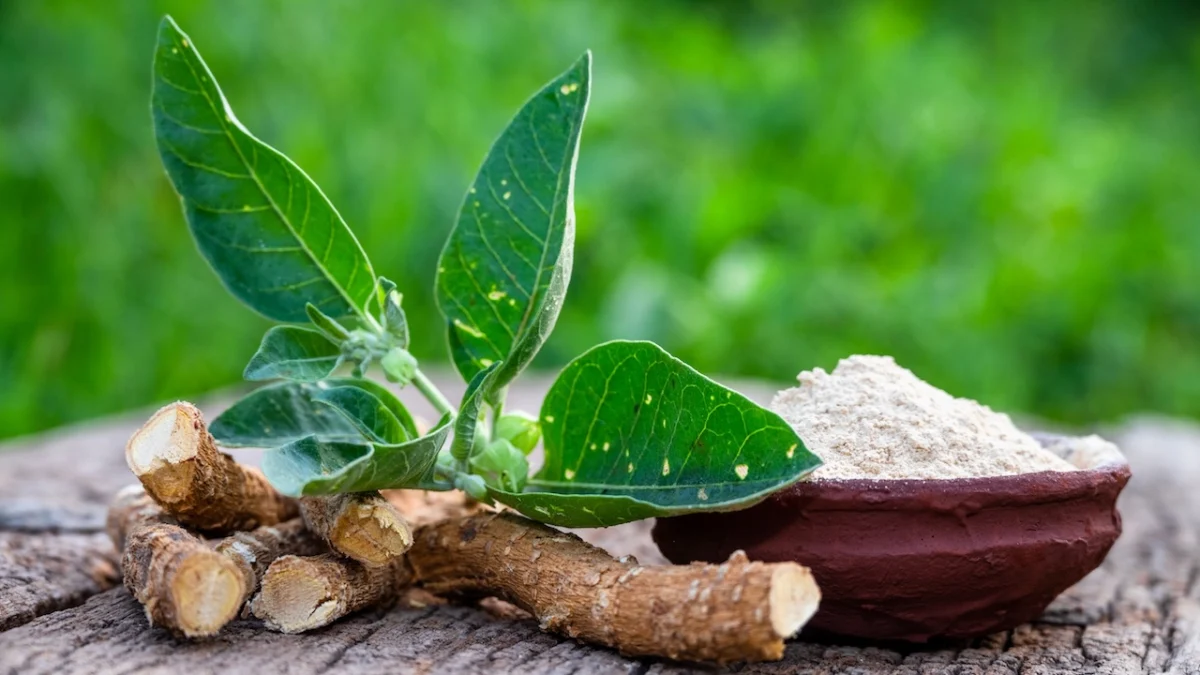
The long-standing debate surrounding the safety of ashwagandha (Withania somnifera) plant parts has intensified, particularly concerning the use of leaf extracts. In response to growing regulatory pressures and industry discussions, Arjuna Natural, a prominent ingredient manufacturer, has published a comprehensive human safety study on its branded ashwagandha extract, Shoden. This study, featured in the esteemed journal Advances in Integrative Medicine, rigorously examined the safety of Shoden, an extract derived from both the root and leaf of the ashwagandha plant. The research focused on a daily dosage significantly exceeding therapeutic recommendations, providing crucial data in a landscape marked by evolving regulatory stances and calls for enhanced standardization.
The clinical trial involved 62 healthy adult participants who were administered 480 mg of Shoden daily for a period of 90 days. This dosage is notably higher than the 60-120 mg range typically established in previous clinical trials for managing stress, improving sleep quality, and enhancing testosterone levels in men. Throughout the 90-day intervention, researchers meticulously monitored a wide array of physiological markers. These included vital signs, liver and kidney function tests, lipid profiles, and comprehensive urine and blood work, with assessments conducted at 30-day intervals. The findings revealed no statistically significant variations in any of the monitored parameters, underscoring the extract’s excellent safety profile even at elevated intake levels.
This pivotal study arrives at a critical juncture for the ashwagandha market. In India, the Ministry of Ayush has initiated actions to ban ashwagandha leaf extracts, sparking a broader conversation about the safety and efficacy of different plant parts. This regulatory move has spurred industry-wide demands for clearer labeling practices and more stringent standardization protocols for this revered Ayurvedic herb. While the Arjuna Natural study offers timely and relevant data, the company emphasizes that the research was conceived and initiated well before the current regulatory debate reached its apex.
Benny Antony, Ph.D., co-founder and managing director at Arjuna Natural, commented on the significance of publishing such research, stating, "When botanical ingredients are properly extracted, appropriately standardized and rigorously validated through clinical research, they deliver therapeutic benefits matched by exceptional safety profiles." He further emphasized that the act of publication itself fosters a sense of accountability within the industry. Antony added, "If competitors wish to challenge these findings, they must do so through peer-reviewed literature rather than unsubstantiated marketing claims. This scientific rigor ultimately protects consumers and healthcare practitioners by establishing evidence-based standards for the adaptogenic supplement category."
The Growing Ashwagandha Safety Debate: A Timeline of Key Developments
The current regulatory climate surrounding ashwagandha is the culmination of several years of evolving scientific understanding and market dynamics. The ashwagandha plant, a staple in Ayurvedic medicine for millennia, has gained substantial traction globally in recent years due to its adaptogenic properties, which are believed to help the body manage stress.
- Early 2000s – Present: Extensive research begins to validate the traditional uses of ashwagandha, particularly focusing on its root extract. Numerous studies highlight its benefits for stress reduction, cognitive function, and physical performance.
- Mid-2010s: The market for ashwagandha supplements experiences significant growth, driven by consumer interest in natural health solutions and the burgeoning adaptogen trend. This surge in popularity also leads to increased scrutiny of ingredient quality and sourcing.
- Late 2010s – Early 2020s: Emerging discussions and isolated reports begin to raise questions about the safety of ashwagandha leaf extracts. Some manufacturers advocating for root-only extracts start highlighting potential safety concerns associated with leaf material, often citing a lack of robust human safety data.
- 2023-2024: The Ministry of Ayush in India, a governmental body overseeing traditional medicine systems, reportedly begins to consider or implement bans on ashwagandha leaf extracts. This move is ostensibly aimed at ensuring product safety and standardization. The exact nature and scope of these regulations are subject to ongoing clarification and industry dialogue.
- Concurrent Industry Initiatives: In response to these regulatory pressures and the need for clearer industry standards, alliances such as the Ashwagandha Standards Alliance are formed. These groups aim to promote scientific integrity, advocate for evidence-based practices, and establish unified quality standards for ashwagandha ingredients.
The publication of Arjuna Natural’s Shoden study directly addresses the data gap that has been central to the recent regulatory actions and industry debates. By providing concrete human safety data on an extract that includes leaf material, the study offers a counterpoint to claims that are often based on the absence of such evidence.
Rigorous Scientific Validation: The Shoden Human Safety Study
The design and execution of the Shoden safety study were conducted in accordance with Good Clinical Practice (GCP) guidelines, a globally recognized standard for clinical trials. This ensures the reliability and integrity of the data generated. The study’s methodology involved a randomized, double-blind, placebo-controlled design, considered the gold standard for clinical research, though the provided excerpt focuses primarily on the active arm of the study involving Shoden.
The core objective was to assess the safety of Shoden at a dose of 480 mg per day for 90 days. This dose was deliberately chosen to be substantially higher than the typical therapeutic range of 60-120 mg per day. This approach allows researchers to identify any potential adverse effects that might emerge at supra-therapeutic levels, providing a wider margin of safety assurance for consumers who might inadvertently consume higher doses or for manufacturers seeking to understand the upper safety limits of their ingredients.
The comprehensive panel of safety indicators monitored included:
- Vital Signs: Blood pressure, heart rate, respiratory rate, and body temperature are fundamental indicators of physiological well-being.
- Hematological Parameters: Complete blood count (CBC) tests were likely conducted to assess red blood cells, white blood cells, and platelets, providing insights into potential effects on the immune system and blood production.
- Biochemical Markers: Liver function tests (e.g., AST, ALT, bilirubin) and kidney function tests (e.g., creatinine, BUN) are crucial for detecting any adverse impact on these vital organs.
- Lipid Profile: Cholesterol levels (total, LDL, HDL) and triglycerides were monitored to assess potential effects on cardiovascular health.
- Urinalysis: Examination of urine composition can reveal issues related to kidney function, hydration, and metabolic health.
The absence of significant variability across these parameters for participants consuming 480 mg of Shoden daily for 90 days strongly suggests that the extract is well-tolerated and does not pose a risk to the vital functions of the body. This finding is particularly significant given the dosage level, which is considerably higher than what is typically used for its known adaptogenic benefits.
Expert Perspectives on the Study’s Significance
The implications of this human safety study extend beyond Arjuna Natural and its Shoden product. Industry experts have lauded the research for its contribution to the scientific understanding of ashwagandha.
Blake Ebersole, founder of regulatory and science consultancy NaturPro Scientific and a co-founding member of the Ashwagandha Standards Alliance, expressed his encouragement. "While the animal studies found no toxicity – even at very high repeated doses – this new 90-day human study also found no meaningful safety signal at a dose much higher than the clinically validated (dosages)," Ebersole stated. He further elaborated on the progressive nature of safety assessment: "This is the kind of progression you like to see in a safety package for a supplement ingredient – first chronic dosing in animals and then in humans."
Ebersole highlighted that the safety studies specifically on Shoden are "altogether consistent with the body of evidence supporting an excellent safety profile for well-studied ashwagandha root and leaf extracts." He critically addressed the marketing narratives that have emerged, asserting, "Contrary to the claims of some root-only marketers, this study strengthens the idea that plant part is only one characteristic of ashwagandha, and that safety must be assessed for each ingredient, regardless of the plant part." This statement underscores a crucial point: the safety and efficacy of an herbal ingredient are determined by its specific composition, extraction method, and standardization, rather than solely by the plant part from which it is derived.
Nipen Lavingia, brand innovation advisor at Arjuna, echoed Ebersole’s sentiments, emphasizing the direct impact of the study on addressing safety concerns related to leaf material. "Much of the safety concern around leaf material rests on the absence of dedicated human safety data for leaf-containing extracts," Lavingia noted. "This study helps address that gap directly – it provides prospective, GCP (good clinical practice)-compliant human safety data on a defined root and leaf extract, at a real consumer dose over 90 days, showing no clinically significant safety signals."
Lavingia also revealed that Arjuna Natural has two additional completed clinical trials currently undergoing manuscript preparation. This suggests a sustained commitment from the company to generating robust scientific evidence for its ashwagandha products, further contributing to the body of knowledge surrounding this versatile herb.
Broader Implications for the Nutraceutical Industry
The findings of the Shoden human safety study have significant implications for the broader nutraceutical industry, particularly concerning standardization, regulatory clarity, and consumer confidence.
1. Reinforcing the Importance of Ingredient-Specific Safety Data: The study serves as a powerful case for ingredient-specific safety evaluations. It challenges the notion that generalizations about plant parts can be made without robust scientific backing. Each branded ingredient, with its unique processing and standardization, requires its own safety and efficacy validation. This aligns with the principles advocated by organizations like the Ashwagandha Standards Alliance, which emphasize the need for verifiable quality and scientific substantiation.
2. Impact on Regulatory Frameworks: As regulatory bodies worldwide increasingly scrutinize supplement ingredients, studies like this provide critical data to inform policy decisions. The Ministry of Ayush’s actions, while currently focused on leaf extracts, could be influenced by comprehensive safety data demonstrating that well-prepared and standardized leaf-containing extracts are indeed safe. This could lead to more nuanced regulations that focus on quality control and scientific validation rather than outright bans based on plant part.
3. Empowering Consumers and Practitioners: Transparent, peer-reviewed research empowers both consumers and healthcare practitioners to make informed decisions. When consumers have access to credible safety data, they can select products with greater confidence. Similarly, healthcare providers can recommend supplements with a stronger evidence base, leading to better patient outcomes and increased trust in the nutraceutical sector.
4. Encouraging Industry Best Practices: The commitment to publishing rigorous clinical research by companies like Arjuna Natural sets a benchmark for the industry. It incentivizes other manufacturers to invest in similar validation studies, fostering a culture of scientific accountability and moving away from unsubstantiated marketing claims. This can lead to a more competitive landscape where innovation is driven by scientific merit rather than marketing hype.
5. Addressing the Adaptogen Market: The adaptogen category, in which ashwagandha plays a leading role, is experiencing explosive growth. As more consumers turn to adaptogens for stress management and overall well-being, ensuring the safety and efficacy of these products is paramount. Studies that validate the safety of key adaptogenic ingredients contribute to the long-term sustainability and credibility of this burgeoning market segment.
The ongoing debate surrounding ashwagandha leaf versus root highlights the complexities of navigating traditional knowledge with modern scientific standards. The human safety study on Shoden by Arjuna Natural represents a significant step forward in providing the evidence needed to foster a more informed and responsible approach to the utilization of this ancient herb in contemporary health solutions. The publication in Advances in Integrative Medicine ensures that this critical data is accessible to the scientific community, regulatory bodies, and the industry at large, contributing to a future where ashwagandha-based supplements are both effective and demonstrably safe for consumers. The continued generation and dissemination of such high-quality research are vital for the continued growth and integrity of the global nutraceutical industry.
