

Nutricosmetics, often defined as "beauty from within," represent a dynamic and expanding segment of the health and wellness industry. These non-topical dietary supplements and functional foods are specifically formulated to enhance the beauty of hair, skin, and nails from the inside out. This niche has become a fertile ground for innovation and growth, attracting significant investment and consumer interest. The global women’s health and beauty supplement market, a key component of the broader nutricosmetics landscape, reached an impressive $53.4 billion in 2022. Projections indicate continued robust expansion, with market analysts forecasting it to approach $80 billion by 2030. This remarkable growth trajectory is fueled by a confluence of factors, including a heightened consumer emphasis on self-care, the widespread adoption of healthier lifestyles, and a burgeoning trend toward proactive, preventive healthcare.
Over the past few decades, the nutricosmetics market has undergone a significant transformation. Consumers have developed a more profound understanding of the intricate connection between nutrition, overall health, and outward appearance. This evolving awareness has prompted a shift in retail strategies, with supplements increasingly migrating from traditional health and medical aisles to prime positions within beauty departments. Brands are keenly aware of the competitive pressures within this dynamic space and are actively seeking strategies to not only maintain their market share but also to innovate and capture new consumer segments. Understanding the prevailing trends and anticipating future market directions is paramount for both established players and new entrants looking to carve out their niche in the burgeoning nutricosmetics sector. This analysis delves into the product development, brand positioning, and market strategies that are shaping the future of beauty from within.
Shifting Market Dynamics and Evolving Consumer Preferences
The evolution of nutricosmetic products and the ingredients utilized by brands has been nothing short of remarkable. Recalling the early days of the market, where biotin was often considered the singular "holy grail" of beauty vitamins, highlights the significant progress made. Consumers then, like many today, recognized the importance of targeted supplementation for aesthetic concerns. However, the landscape has broadened considerably, incorporating a diverse array of vitamins, minerals, and specialized nutrients now recognized under the umbrella of nutricosmetics. Beyond ingredient innovation, the contemporary nutricosmetics market is characterized by novel delivery formats and sophisticated product and brand positioning strategies designed to resonate more deeply with consumers and capture their attention in an increasingly crowded marketplace.

Emerging Nutricosmetic Ingredient Trends
The scientific understanding of how specific nutrients impact beauty parameters is rapidly advancing, leading to the incorporation of a wide range of scientifically-backed ingredients into nutricosmetic formulations.
- Ashwagandha (Withania somnifera): This adaptogenic herb has gained significant traction for its potential to combat stress and inflammation, both of which can negatively impact skin health. Emerging research suggests that ashwagandha may play a role in reducing inflammation and improving skin hydration, contributing to a more radiant complexion. Studies have explored its capacity to modulate the body’s stress response, which can manifest as breakouts or dullness in the skin.
- Collagen: A cornerstone of skin structure and elasticity, collagen peptides continue to be a popular ingredient. However, the trend is moving beyond single-ingredient formulations. Brands are increasingly partnering collagen with other synergistic ingredients to target a broader spectrum of benefits, extending beyond mere aesthetic improvements to encompass joint health and overall vitality. Research highlights collagen’s role not just in skin appearance but also in connective tissue integrity.
- Magnesium and Melatonin: The connection between sleep quality and beauty is increasingly being recognized. Magnesium, known for its role in relaxation and sleep regulation, is now being combined with melatonin, the sleep hormone. This synergistic pairing aims to enhance "beauty sleep" by supporting a consistent and restorative sleep schedule, which is crucial for skin repair and rejuvenation.
- Botanical Extracts: A new wave of potent botanical extracts are making their mark. French maritime pine bark extract, derived from the Pinus pinaster maritima tree, and cocoa seed extract (Theobroma cacao) are being studied for their antioxidant and photoprotective properties. These ingredients are believed to contribute to improved skin texture and offer a degree of protection against environmental stressors, including UV radiation.
Innovations in Delivery Formats
The way consumers consume supplements is as important as the ingredients themselves. Brands are innovating in delivery formats to enhance convenience, palatability, and efficacy.
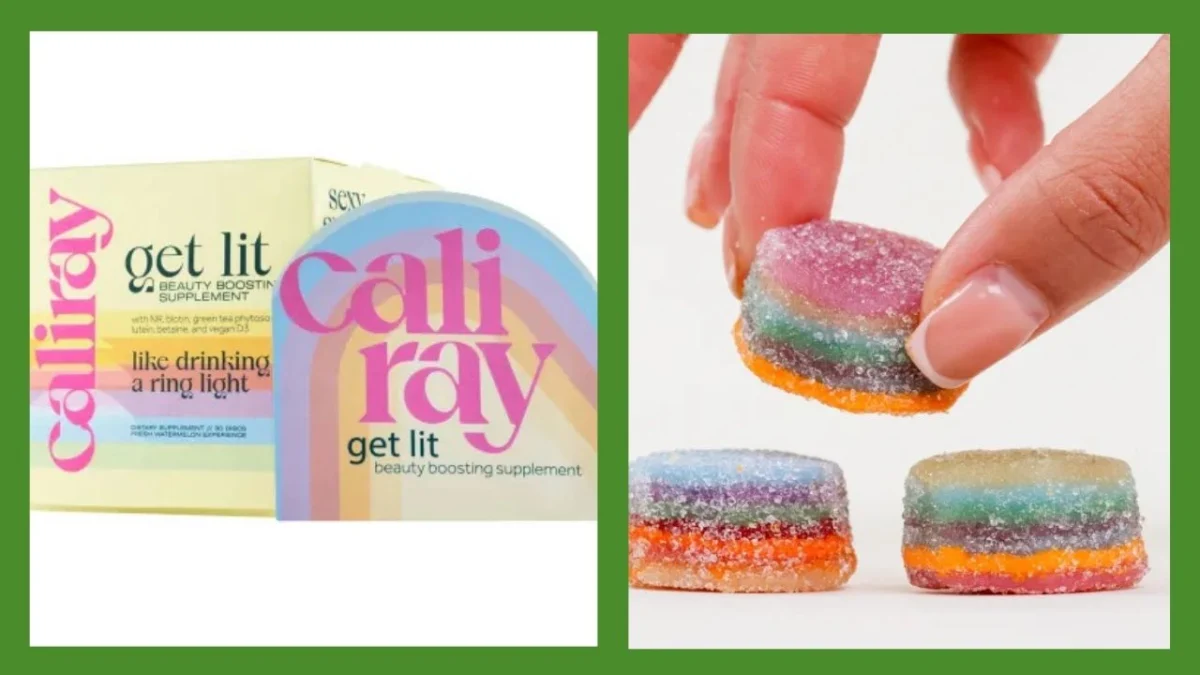
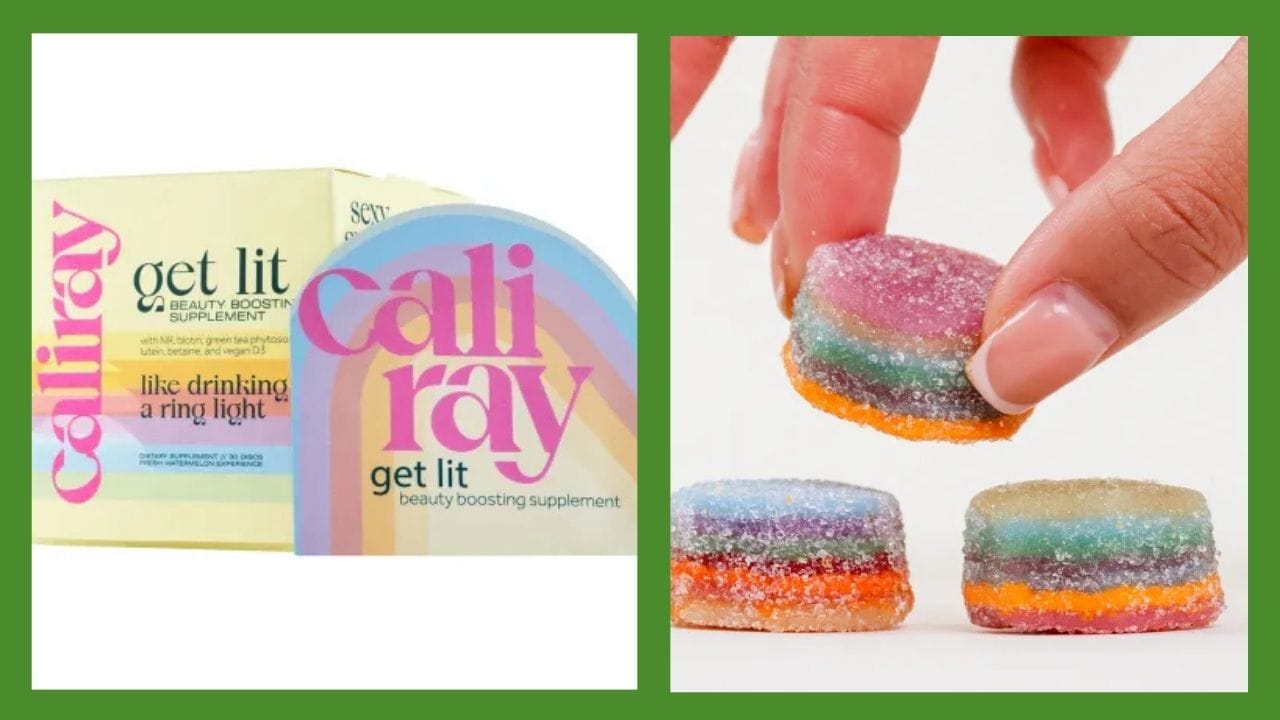
- Effervescents: These convenient, dissolvable tablets continue to see robust growth, largely due to their ease of use and engaging sensory experience. An example of creative innovation in this space was the now-discontinued "Get Lit – Beauty Boosting Supplement" from Caliray Beauty. Developed in partnership with Thorne, this watermelon-flavored disc contained biotin, vegan vitamin D3, green tea (Camellia sinensis), nicotinamide riboside (a form of Vitamin B3), and lutein, targeting uneven skin texture, loss of firmness, hair dryness, and even mood enhancement.
- 3D Printing for Personalized Nutrition: The advent of 3D printing technology is revolutionizing personalized nutrition. This additive manufacturing process allows for the creation of supplements layered precisely according to individual dietary needs and beauty goals. Nourished, in collaboration with Neutrogena, launched the limited-run Skinstacks, a seven-layer 3D-printed gummy supplement designed to align consumers with their specific skin health objectives. Furthermore, 3D printing holds promise for greater sustainability in product development, aiming to reduce manufacturing waste compared to traditional methods.
- Mocktails and Drink Mixes: Positioned as a trendy and enjoyable way to consume beauty-enhancing nutrients, powdered drink mixes and mocktail formulations are gaining popularity. These products cater to the "treat yourself" movement while delivering tangible health benefits. Notable examples include Moon Juice’s Magnesi-om, designed to promote sleep and relaxation, and Dose & Co.’s marine collagen product, which supports skin, hair, and nail health.
Strategic Market Positioning for Competitive Advantage
In the competitive nutricosmetics arena, effective market positioning is crucial for brand success. Brands are employing several key strategies to connect with consumers and differentiate themselves.
- Multibeneficial Products: An increasing body of scientific evidence underscores the interconnectedness of various bodily functions and their impact on outward appearance and overall well-being. The relationship between gut health and skin clarity, or the influence of sleep on mood and cognitive function, are prime examples. Consequently, a significant trend is the development of singular products that deliver multiple health and beauty benefits. This strategy allows brands to expand their existing product lines or enter new categories, thereby broadening their audience reach. The 2024 Nutrition Business Journal Supplement Business Report indicates a steady growth in specialty categories, with many successful products achieving popularity by offering multibeneficial solutions through either multifunctional ingredients or a combination of multiple synergistic ingredients. Examples include products that target sleep, stress, and mood in conjunction with skin health (e.g., Love Wellness, mindbodygreen), gut health and beauty (e.g., Seed, Hum), and even integrated approaches combining topical skincare with oral nutricosmetics. Nutrafol, for instance, offers hormone support alongside vegan hair growth supplements for women, exemplifying this multibeneficial approach.
- Personalized Supplements: The trend towards personalization is particularly well-suited to the nutricosmetics market. This extends beyond customized care products to encompass entire beauty and wellness routines. Savvy nutricosmetics brands are offering curated product combinations tailored to individual consumer needs. Brands are embracing personalized supplements through various strategic marketing approaches:
- Digital Tools: Websites featuring custom profile tools, quizzes, and personalized product recommendations guide consumers toward products that align with their unique beauty needs and goals. The data collected through these interactions can inform future business strategies, including product development, customer experience enhancements, and audience expansion.
- Lifestyle Integration: Positioning and marketing that seamlessly integrate with a customer’s existing routines and habits foster brand loyalty by catering to individual interests and daily life.
- Body Positivity and Self-Care: A growing cultural shift is fostering greater acceptance of aging, body weight, and physical imperfections. This movement emphasizes graceful aging and a less self-critical approach to one’s appearance, aligning perfectly with the philosophy of nurturing one’s well-being from within.
- Shifting Demographics and Male Consumers: The nutricosmetics market is expanding beyond its traditional female-centric audience. Products designed for men are emerging, particularly those targeting hair health and growth. Male consumers, who may be less inclined to invest significant time and money in topical routines, often find the convenience and approachability of nutricosmetic capsules or powdered drink mixes more appealing.
Crafting Compelling Branding Strategies
A robust branding strategy is indispensable for navigating and thriving in the competitive nutricosmetics market. This goes beyond visual aesthetics to encompass a brand’s voice, values, and overarching goals. In an industry where brands aim to become integral to consumers’ personal rituals, several key considerations are paramount:
- Authenticity and Transparency: Brands must cultivate trust by clearly displaying relevant certifications, providing transparent ingredient lists, and offering educational content. A humanistic, honest, and transparent approach is particularly appealing to consumers seeking solutions for personal insecurities.
- Relatable Goals and Milestone Visualization: Creating accountability and showcasing tangible progress can be achieved by graphically representing shared goals and milestones, such as environmental achievements (e.g., "We’ve recycled X units" or "Saved Y trees").
- Robust Social Media Presence: A strong online presence, particularly on social media, is critical for nutricosmetics marketing. A well-developed social media strategy enables brands to:
- Showcase products and promotions effectively.
- Engage directly with consumers, fostering a sense of community.
- Disseminate timely information and updates.
- Gather valuable customer feedback and data.
- Reinforce brand voice and persona across platforms.
- Demonstrate how brand elements extend beyond packaging into various multimedia formats.
- Sustainability in Packaging and Materials: Environmental consciousness is a growing imperative for both brands and consumers. Market research indicates that a significant percentage of consumers prefer and are willing to pay more for sustainable products. Key areas for brands to focus on include:
- Environmentally Friendly Packaging: This encompasses refillable solutions, upcycling plastic, reducing virgin plastic use, and employing paper or plant-based materials.
- Sustainable Ingredients: Implementing circular processes where materials and ingredients are never wasted, and embracing reuse, recycling, remanufacturing, and composting.
- Sustainability Certifications: Utilizing recognized certifications such as Upcycled Certified, Regenerative Organic Certified, and others lends credibility and demonstrates a commitment to environmental responsibility.
- User Experience (UX): Designing products with the end-user in mind is paramount. A strong UX enhances product perception and usage, leading to increased loyalty and satisfaction. This includes ensuring products are easily integrated into consumers’ daily routines and living spaces.
- Compelling Label Design: Labels serve as a primary communication tool, conveying vital product information and brand narrative. Strategic use of space, typography, graphics, and colors can influence consumer purchasing decisions. While adhering to general label conventions, brands can use design elements to tell a story, enhance legibility, and align with their overall branding and target audience.
Leveraging Design and Market Trends for Future Growth
As the nutricosmetics landscape continues its rapid evolution, brands must strategically align their product and marketing design with prevailing trends to enhance market positioning and capture consumer interest. Design and packaging are potent vehicles for expressing and reinforcing brand values. Several trending design approaches are particularly relevant for nutricosmetic brands:

- Millennial Minimalism: Characterized by streamlined designs, clean lines, industrial materials, and a restrained color palette of predominantly natural hues, this aesthetic emphasizes simplicity, elegance, and ease of use.
- Vibrancy and Hyper Contrast: This trend employs bold, eye-catching colors and abstract graphics to create packaging that stands out on retail shelves and online marketplaces, capturing immediate attention.
- Gender-Neutral Design: Reflecting global cultural shifts toward gender fluidity, some brands are adopting gender-neutral design principles. These often lean towards minimalism and simplicity, utilizing a limited color palette, ample white space, and sans-serif fonts.
- Interactive Packaging: Brands focused on creating immersive experiences can integrate interactive elements into their packaging. This can involve technological integration, sensory engagement, or multipurpose functionalities that elevate the consumer’s interaction with the product beyond its functional purpose.
Outlook and Opportunities in the Nutricosmetics Sector
The nutricosmetics market is ripe with burgeoning opportunities for brands seeking to expand or enter the space. Key areas poised for significant growth include:
- Plant-Based and Earth-Friendly Products: A heightened consumer focus on vegan and environmentally conscious options presents a substantial opportunity. Brands can cater to this demand through ingredient sourcing, sustainable packaging materials, and product design that supports a vegan lifestyle.
- Multifunctional Supplements for Body, Beauty, and Mind: As awareness of the importance of mental health continues to grow, particularly among younger generations, the demand for supplements that address beauty, physical well-being, and mental clarity in a synergistic manner is expected to surge.
The nutricosmetics industry is no longer a niche but a mainstream phenomenon, driven by a sophisticated consumer base that understands and actively seeks the profound benefits of "beauty from within." Brands that can master ingredient innovation, embrace novel delivery formats, implement strategic market positioning, and cultivate authentic, sustainable branding will be best positioned to capitalize on this thriving and ever-evolving market.
