

The Endocrine Society and Keystone Symposia have announced a landmark collaboration to launch a series of high-level scientific meetings designed to explore the complex intersections of hormone signaling, oncology, diabetes, and cardiometabolic health. This strategic partnership seeks to dismantle traditional academic silos, fostering an environment where experts from disparate fields can share insights and accelerate the development of novel therapeutic interventions. By combining the clinical and advocacy strengths of the Endocrine Society with the specialized, high-impact research focus of Keystone Symposia, the organizations aim to create a unique platform for scientific exchange that addresses some of the most pressing challenges in modern medicine.
The collaborative series is scheduled to begin in late 2026, marking a significant milestone in how professional scientific organizations coordinate to address multi-systemic diseases. The initiative stems from a shared recognition that the most profound advancements in healthcare often occur at the "interfaces" of different biological disciplines. As chronic diseases such as diabetes and hormone-sensitive cancers continue to rise globally, the need for a more integrated approach to research and treatment has become increasingly urgent.
Chronology of the Meeting Series
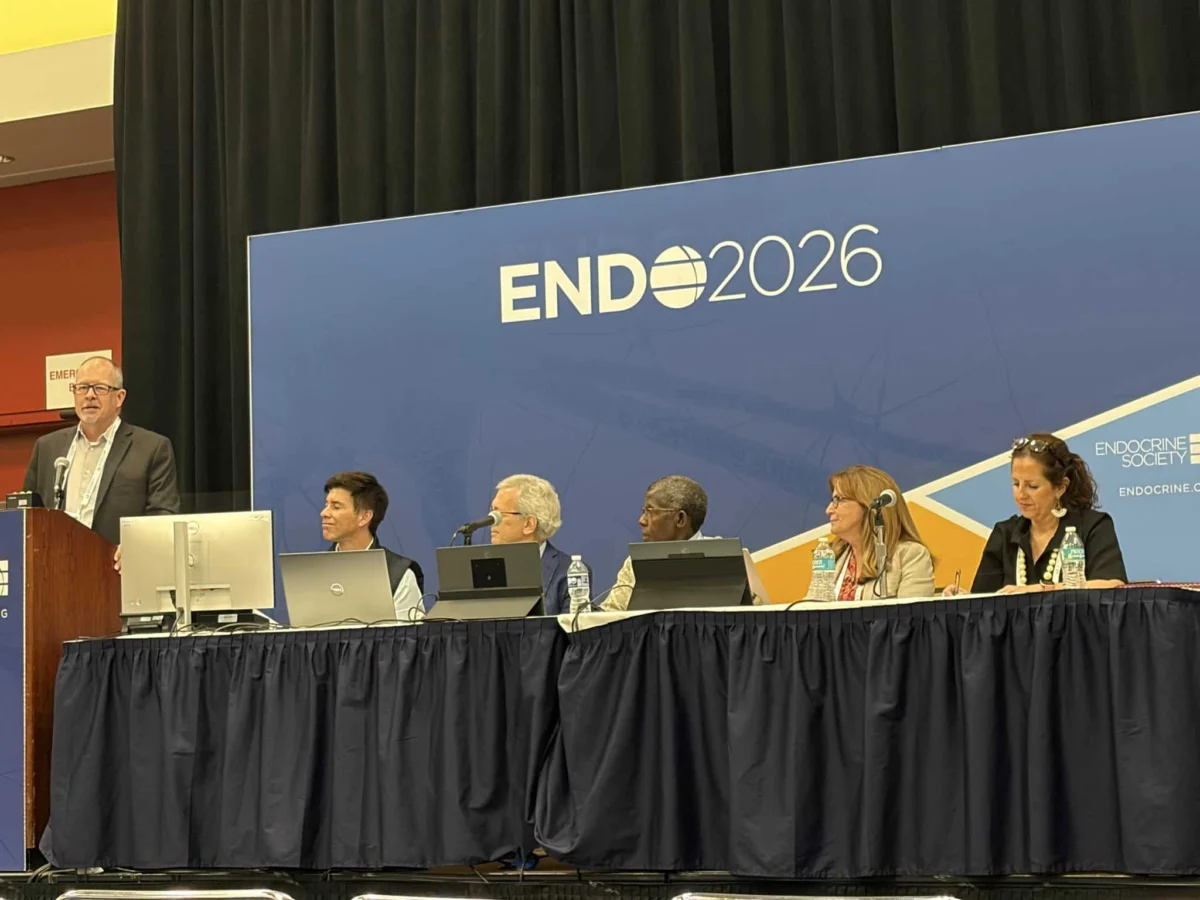
The rollout of this joint venture follows a carefully planned timeline, beginning with a high-profile introduction at the ENDO 2026 conference in Chicago. During this event, leadership from both organizations convened a symposium to outline the vision for the series and discuss the logistical and intellectual framework of the partnership.
The first official meeting in the series, titled "Hormonal Influences on Immunity and Cancer Across the Lifespan," is scheduled to take place from October 5 to October 8, 2026, in Breckenridge, Colorado. This inaugural event will focus on the interplay between the endocrine system and the immune microenvironment, specifically how hormonal fluctuations—driven by age, environment, or pathology—affect cancer progression and immune surveillance.
Following the autumn 2026 meeting, the series will continue into early 2027 with two additional specialized conferences held in Colorado. These February 2027 meetings will pivot toward metabolic health, specifically focusing on diabetes and cardiometabolic disease. By clustering these events, the organizers hope to maintain momentum and encourage a cross-pollination of ideas between researchers who might otherwise attend only one specific disciplinary conference.
The Interdisciplinary Imperative in Modern Science
The primary driver behind this partnership is the sheer volume of data currently being generated in the life sciences. Keystone Symposia President and CEO James Baumgartner, PhD, noted during the Chicago symposium that the rapid pace of publication can paradoxically slow down progress if researchers remain confined to their specific niches. In an era of "big data" and genomic sequencing, the ability to synthesize information across fields is as critical as the data collection itself.
"Biology doesn’t know any boundaries. Health and disease don’t know boundaries," Baumgartner stated, emphasizing that the most significant breakthroughs are currently happening at the intersection of discovery, translational, and clinical science. The goal of the meeting series is to facilitate these connections by bringing together basic scientists, who study fundamental biological mechanisms, and clinical researchers, who apply those findings to patient care.
This "boundaryless" approach is essential for tackling diseases like cancer, which are increasingly understood as systemic rather than localized issues. For instance, the role of insulin and growth factors in fueling tumor growth represents a critical intersection between endocrinology and oncology. By bringing together experts from both fields, the conferences aim to identify new biomarkers and drug targets that might be overlooked in a single-discipline setting.
Supporting Data: The Rising Global Burden of Endocrine-Related Disease
The necessity of this interdisciplinary focus is underscored by global health statistics. According to the International Diabetes Federation (IDF), approximately 537 million adults were living with diabetes in 2021, a number projected to rise to 783 million by 2045. Furthermore, cardiometabolic diseases remain the leading cause of death worldwide, accounting for nearly 18 million deaths annually.
In the realm of oncology, hormone-sensitive cancers—such as breast, prostate, and endometrial cancers—represent a significant portion of the global cancer burden. Research has shown that the endocrine system plays a dual role in these pathologies, acting both as a driver of disease and a potential pathway for treatment. The upcoming "Hormonal Influences on Immunity and Cancer" meeting is particularly timely, as emerging research suggests that the efficacy of immunotherapy, a cornerstone of modern cancer treatment, may be significantly influenced by a patient’s hormonal profile.
By addressing these overlapping health crises through a unified scientific lens, the Endocrine Society and Keystone Symposia are positioning themselves at the forefront of a necessary shift toward holistic, systems-based biology.
Bridging the Gap Between Industry and Academia
One of the unique features of the upcoming conference series is its emphasis on integrating academic research with industry innovation. E. Dale Abel, MD, PhD, Past-President of the Endocrine Society, highlighted the importance of creating a space where academic researchers can interact directly with those in the pharmaceutical and biotechnology sectors.
This interaction is vital for the "bench to bedside" pipeline. While academic labs excel at identifying fundamental biological pathways, industry partners possess the resources and infrastructure to translate those discoveries into scalable therapies. Conversely, industry researchers benefit from the rigorous peer-review and exploratory nature of academic science.
The intimate setting of the Keystone Symposia—often held in retreat-like environments such as the Colorado Rockies—is designed to facilitate these high-level discussions. Unlike massive conventions where participants can easily become lost in the crowd, these smaller, focused meetings allow for meaningful networking and the formation of long-term collaborations.
Fostering the Next Generation of Researchers
Beyond the immediate scientific output, a core mission of the partnership is the professional development of early-career scientists. Both the Endocrine Society and Keystone Symposia have long-standing commitments to mentorship and inclusivity.
Prof. Ines Pineda Torra, PhD, of the Fundacion Progreso y Salud in Spain, noted that these meetings provide a crucial context for younger researchers. "Coming to these meetings, you see the context, you see where your work fits," she said. For a doctoral student or a postdoctoral fellow, the opportunity to present research to "titans of the field" can be a career-defining moment.
Dr. Abel reiterated this sentiment, stating that both organizations remain "unflinching" in their commitment to ensuring that emerging scientists have a voice and access to mentorship. This focus on the next generation is intended to ensure the sustainability of the research pipeline, providing young professionals with the social capital and professional networks needed to succeed in an increasingly competitive funding environment.
Strategic Impact and Future Implications
The collaboration between these two prestigious organizations is expected to set a new standard for scientific programming. Roger Cone, PhD, Director of the Life Sciences Institute at the University of Michigan, observed that each organization brings unique strengths to the table. The Endocrine Society offers a deep well of clinical expertise and a robust network of practicing physicians, while Keystone Symposia is renowned for its focus on cutting-edge basic science and molecular biology.
"As the two organizations work together, they’ll be able to create new things that don’t exist now at either of the two institutions," Cone said. This includes coordinated programming that spans the entire spectrum of medical research, from the initial "eureka" moment in a lab to the final phase of a clinical trial.
The long-term implications of this series could be profound. By fostering a deeper understanding of how hormones influence immunity and metabolism, the scientific community may move closer to personalized medicine—treatments tailored to an individual’s unique hormonal and genetic makeup. Furthermore, the focus on "lifespan" in the inaugural meeting suggests an interest in how endocrine health from childhood through old age impacts long-term disease resistance, potentially leading to better preventative health strategies.
Conclusion and Registration Information
As the scientific community looks toward 2026 and 2027, the partnership between the Endocrine Society and Keystone Symposia represents a proactive response to the complexities of modern human health. By prioritizing interdisciplinary collaboration, industry engagement, and the development of young talent, the series aims to catalyze the next generation of medical breakthroughs.
Registration for the first partnered meeting, "Hormonal Influences on Immunity and Cancer Across the Lifespan," is currently open. Researchers, clinicians, and industry professionals are encouraged to participate in what promises to be a transformative series of events for the fields of endocrinology, oncology, and metabolic medicine. With the backdrop of the Colorado mountains providing a serene environment for intense intellectual exchange, the stage is set for a new era of collaborative discovery.
