


For years, the weight of a secret pressed down on Amanda Sobhy, a world-class professional squash player. Shame and a deep-seated denial prevented her from seeking formal treatment for an eating disorder that had taken root during her college years and continued to shadow her burgeoning professional career. The thought of acknowledging the reality of her struggle, of engaging with specialized therapists, felt like an insurmountable hurdle. This internal conflict, coupled with the fear of judgment, kept her silent, carrying the burden like an invisible shackle throughout her academic and athletic pursuits. Her silence was broken only in the fall of 2018, when the severity of her binge-purge cycle, exacerbated by the pressures of professional competition, pushed her to a breaking point. A single, introductory session with an eating disorder specialist, though impactful, was cut short due to financial constraints and insurance limitations, leaving her to navigate a complex recovery on her own.
What followed was a testament to resilience and the power of unconventional support systems. From 2015, the year she transitioned to full-time professional play, until she publicly shared her story in 2021, Sobhy embarked on a non-linear path to recovery. This journey was significantly shaped by the integration of mindfulness-based interventions and the crucial guidance of two professionals who, while not formally designated as eating disorder therapists, played pivotal roles in addressing the underlying psychological and nutritional patterns fueling her disorder: holistic sports psychologist Amy Gross and sports dietitian Nyree Dardarian. Their work, embedded within her squash coaching team, provided a unique framework for her healing process.
The Foundation of Healing: Mindfulness and Sports Psychology
Sobhy’s engagement with Amy Gross began in 2015, a pivotal moment as she transitioned from collegiate athletics to the demanding world of professional squash. Gross adopted a holistic approach, recognizing that peak athletic performance was intrinsically linked to an athlete’s internal state and off-court well-being. Together, they delved into the core psychological traits that underpinned Sobhy’s internal landscape: perfectionism, an "all-or-nothing" mindset, a relentless inner critic, limited emotional regulation, and underdeveloped coping mechanisms. Gross’s astute observations quickly identified Sobhy’s maladaptive coping strategies, particularly in the aftermath of losses, periods of burnout, emotional distress, or challenging days.

Crucially, Gross cultivated a safe and non-judgmental environment, a space where Sobhy eventually felt empowered to articulate her deepest struggles for the first time. This marked a significant turning point, as she began to confront the binge-purge cycle that had been operating with a degree of denial, even amidst her high-functioning athletic career. The therapeutic intervention then shifted towards mindfulness-based practices. These included cultivating present-moment awareness, practicing non-judgmental observation of thoughts and feelings, engaging in meditation, identifying and implementing healthier coping mechanisms when faced with triggers, and, most importantly, establishing a conscious separation between thought and action.
For years, the binge-purge cycle had operated on an almost unconscious, automatic pilot. Mindfulness served as the critical interruptor of this destructive loop. Sobhy began to recognize the nascent urges, rather than being completely consumed by them. This newfound awareness provided a crucial pause, enabling her to engage in alternative behaviors such as taking a walk, practicing breathwork, journaling, meditating, or reflecting on the negative consequences of binge eating. This shift allowed her to make choices with a greater consideration for her future well-being.
The path to recovery was far from immediate or linear. Relapses were a recurring challenge, but with each setback, the accompanying shame and self-loathing gradually diminished. Judgment began to yield to compassion, and guilt and disgust were progressively replaced by acceptance, kindness, and the reassurance that progress, however incremental, was still being made. A pivotal aspect of her recovery involved dismantling her perfectionist, all-or-nothing mindset. Sobhy learned to decouple her self-worth from her performance, understanding that a single bad day, a lost match, or an imperfect training session did not equate to failure or the ruin of an entire day. The capacity to tolerate imperfection and embrace her humanity became a cornerstone of her healing.
Rebuilding a Relationship with Food: The Role of a Sports Dietitian
Complementing the psychological support, sports dietitian Nyree Dardarian became an instrumental figure in Sobhy’s recovery, particularly starting in the fall of 2017 as Sobhy was rehabilitating from her first Achilles rupture. At this juncture, Sobhy’s relationship with food remained deeply disordered. The act of trusting Dardarian and being transparent about her lack of control around food was a daunting prospect, yet Sobhy recognized the necessity of professional guidance to regain her competitive edge.
Dardarian’s role extended beyond merely optimizing fueling strategies for athletic performance; she guided Sobhy in relearning how to experience enjoyment in food. A key strategy involved the creation of a weekly "life calendar," a comprehensive plan that integrated training sessions, tournaments, travel, social engagements, and recovery periods. This framework facilitated the development of meal plans that not only supported her athletic demands but also seamlessly integrated into the realities of her demanding schedule.
The fundamental shift was profound: the focus moved from meals dictated by restriction and fear to those that were genuinely enjoyed and anticipated. Dardarian emphasized simple, sustainable, and flexible nutritional choices. During international tournaments, often involving travel to locations like Egypt or Malaysia, Sobhy would share restaurant menus with Dardarian, who would offer supportive guidance, alleviating the overwhelming nature of making dietary choices in unfamiliar environments. A simple yet reliable pre-match meal—a peanut butter, banana, and honey sandwich—was developed, a staple that remains a part of Sobhy’s match-day routine to this day.
Over time, Dardarian equipped Sobhy with an understanding of sports nutrition, strategies for navigating social eating situations, and the intentional inclusion of dessert post-tournaments, fostering the ability to savor these experiences rather than resorting to private binges. Dardarian’s approach was a direct repudiation of diet culture. There were no forbidden foods, no "cheat days," and no categorization of foods as inherently good or bad. The emphasis was consistently placed on connection, enjoyment, and the shared experience of meals. While their professional collaboration is not as intensive as it once was, Sobhy continues to utilize the life calendar structure and the foundational tools provided by Dardarian. A testament to her progress, one of Sobhy’s current joys during tournaments is exploring culinary experiences with friends, a prospect that was unimaginable for her in 2017.
The Culmination of Healing: Sharing and Inspiring
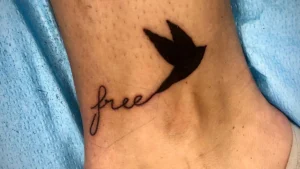
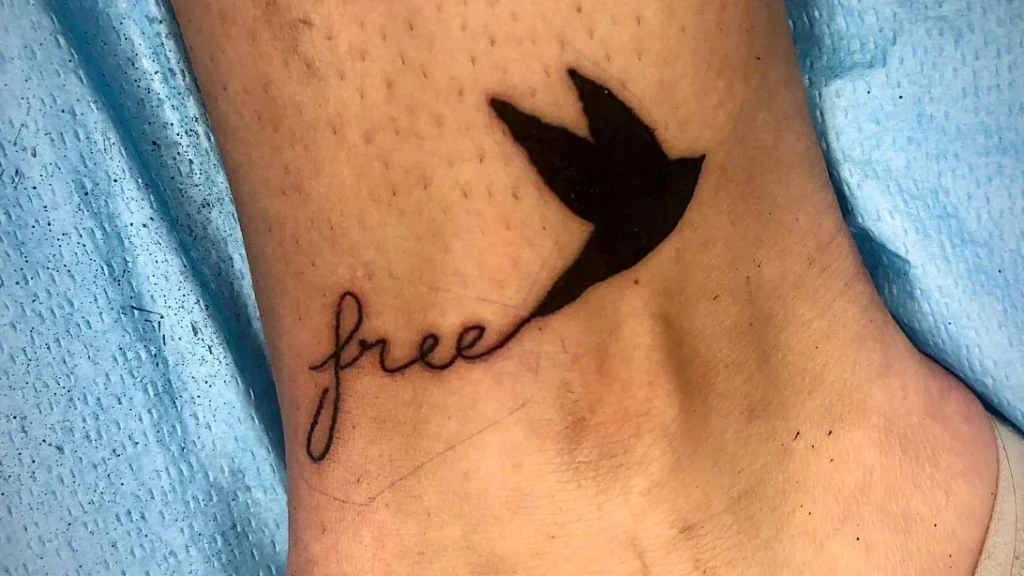
The final stage of Sobhy’s recovery journey culminated in the summer of 2021. A quiet but persistent inner voice indicated her readiness to share her story publicly. After years of accumulating coping mechanisms and dedicated self-work, she felt a profound sense of freedom from the binge-purge cycle that had once dictated her life. To commemorate this liberation, Sobhy received an ankle tattoo of a bird with the word "free" inscribed beside it, symbolizing the release from the decade-long invisible burden she had carried.
Her decision to speak publicly was an act of reclaiming power, fostering connection, and achieving a sense of being truly seen. Sobhy recognized that countless individuals were silently battling similar struggles and felt a profound responsibility to alleviate the sense of isolation she had once experienced. She believed that if her narrative could offer even a glimmer of recognition, understanding, or the courage for someone to take their first step towards recovery, it would be profoundly worthwhile.
For an extended period, Sobhy grappled with the validity of her eating disorder. She had never received a formal diagnosis, nor had she completed a structured treatment program. Her ability to maintain a high level of athletic performance often led her to minimize her own experience. However, she now understands the fallacy of this perspective. Eating disorders manifest in diverse forms and narratives, and as National Eating Disorders Awareness Week (NEDAW) emphasizes with its theme, "Every Body Belongs," these illnesses do not discriminate. They can affect individuals who exhibit high levels of discipline and outward success, including elite athletes. They can impact those who never seek formal treatment due to fear or shame, and who endure years of silent suffering. These disorders transcend all communities, backgrounds, and identities.
There is no singular, universal experience of an eating disorder. In the spirit of NEDAW and its powerful message that "Every Body Belongs," Sobhy shares her story with the hope that more individuals will feel seen, recognized as worthy of support, and empowered to seek help, precisely as they are. This act of sharing remains one of the most significant accomplishments of her life, a constant reminder that healing is attainable, vulnerability is a source of strength, and that no one is ever truly alone in their struggles.
Broader Implications and Resources
Amanda Sobhy’s journey underscores a critical issue within the athletic community: the pervasive pressure to perform and maintain an idealized image can mask underlying mental health challenges, including eating disorders. Her story challenges the stereotype that eating disorders are exclusive to certain demographics or that they only affect individuals who are visibly struggling or have undergone formal treatment. The fact that she continued to perform at an elite level while battling her disorder highlights the insidious nature of these illnesses and the importance of recognizing a broader spectrum of presentations.
The National Eating Disorders Association (NEDA) actively promotes awareness and provides resources for individuals affected by eating disorders. Their "Every Body Belongs" campaign for National Eating Disorders Awareness Week serves as a vital reminder that eating disorders can affect anyone, regardless of their background, identity, or outward appearance. Sobhy’s courageous decision to share her personal narrative aligns with NEDA’s mission to foster understanding, reduce stigma, and encourage help-seeking behaviors.
Resources:
- National Eating Disorders Association (NEDA): Offers a helpline, online resources, and information on eating disorders. Visit nationaleatingdisorders.org for more information.
- National Eating Disorders Awareness Week (NEDAW): An annual event dedicated to raising awareness and promoting education about eating disorders.
Amanda Sobhy’s Accomplishments and Advocacy:
Amanda Sobhy stands as one of the most decorated athletes in American squash history. She achieved a career-high world ranking of #3, becoming the first American to break into the top five. Despite two significant Achilles ruptures, she has demonstrated remarkable resilience, currently ranking #2 in the U.S. and #11 globally on the Professional Squash Association (PSA) Tour. Her accolades include six U.S. National Championships, two Pan American Games triple gold medals, and 22 PSA Titles. She was instrumental in leading the U.S. team to its first-ever World Team Championships final, securing silver medals in 2022 and 2024.
Her collegiate career at Harvard University was equally historic, marked by an undefeated 62-0 record and four Ivy League Player of the Year awards. She led the Crimson to three national team championships and is one of only two players to have won four individual national titles.
Beyond her athletic achievements, Sobhy has been candid about her personal struggles with perfectionism, anxiety, depression, and bulimia. Her willingness to share these experiences aims to inspire others to seek help. She also actively contributes to the sport as a board member for the Professional Squash Association and Squash & Education Alliance, and as an ambassador for the USSquash Foundation. With squash set to debut in the LA28 Summer Olympics, Sobhy, having recently returned to play following her second Achilles injury, is a prominent figure to watch. She can be found on Instagram at @asobhy93.
This blog post represents the author’s views and should not be interpreted as professional/medical advice or endorsed by NEDA.