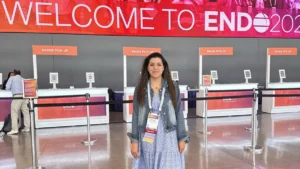


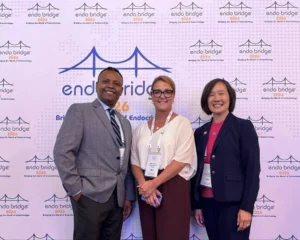

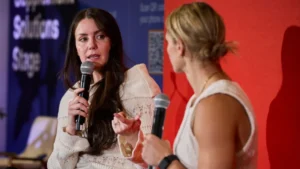
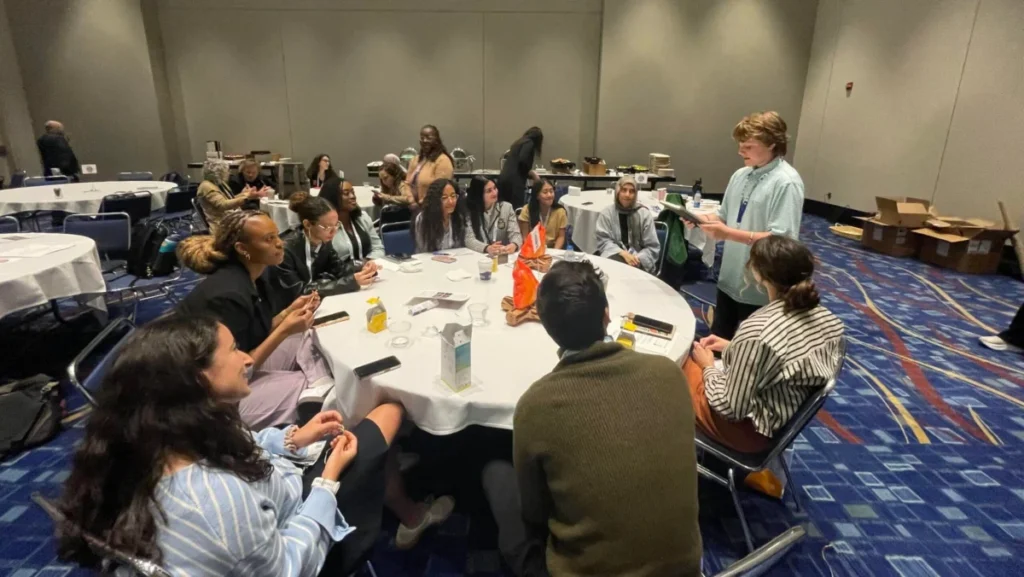
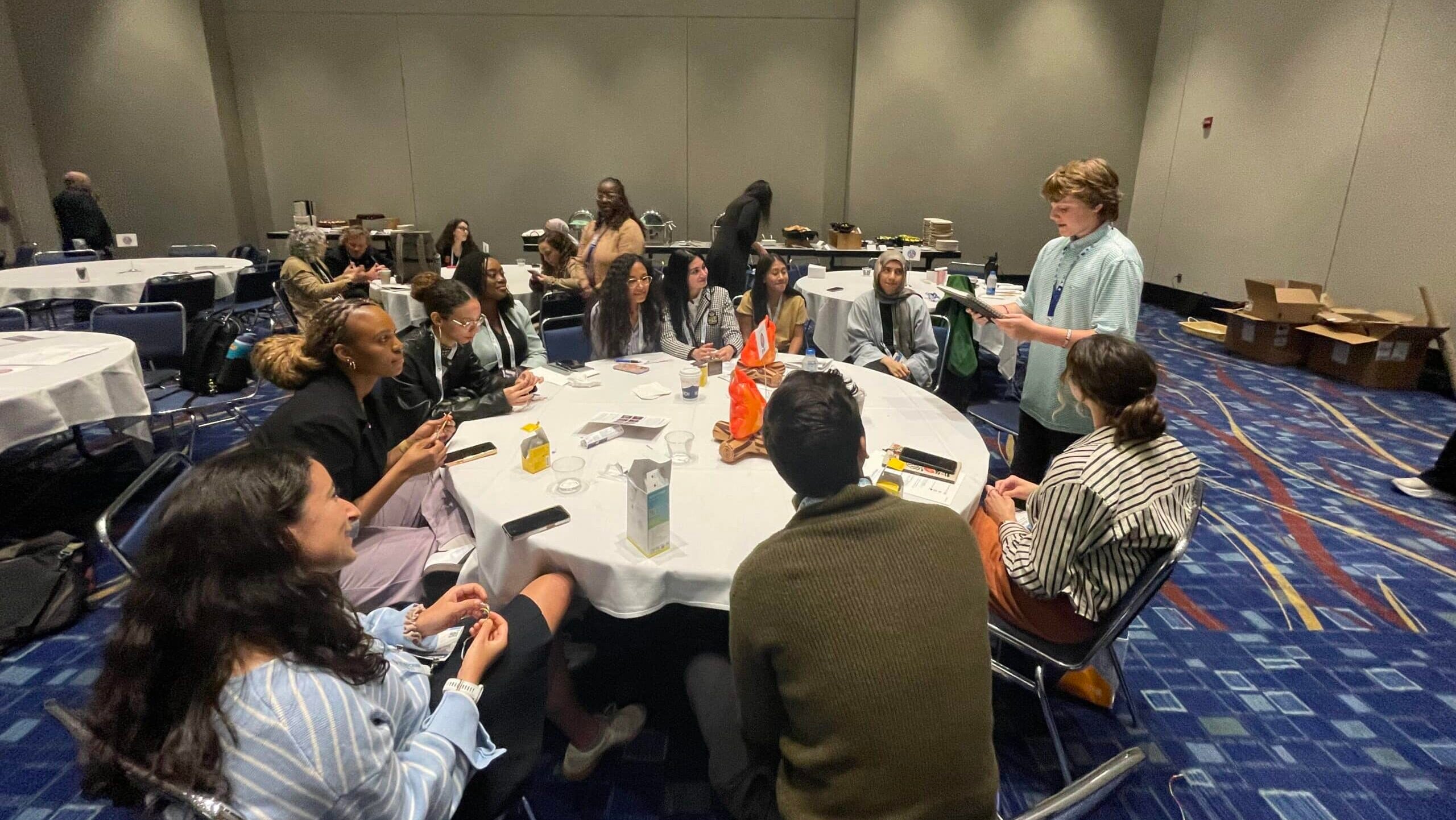
The landscape of medical education is undergoing a fundamental shift from purely clinical instruction toward a model that prioritizes the lived experience of patients, a transition vividly illustrated during the ENDO 2026 conference. At this premier global gathering of endocrine professionals, nearly 100 medical students, residents, fellows, and practicing clinicians participated in an immersive diabetes camp simulation. This initiative, a collaborative effort between the Endocrine Society’s Endocrine Mentor Day (eMD) and the Diabetes Education & Camping Association (DECA), sought to bridge the gap between high-level physiological data and the daily reality of those managing chronic illness. By stepping out of the clinic and into a simulated camp environment, participants engaged with the social, emotional, and practical dimensions of diabetes care that are often overlooked in traditional medical curricula.
A New Paradigm in Experiential Learning
The simulation was designed to address a growing concern within the medical community: the disconnect between provider-led treatment plans and the patient’s ability to execute those plans within the complexities of daily life. For many healthcare professionals, training is heavily weighted toward the hard sciences—pharmacokinetics, insulin-to-carb ratios, and the interpretation of continuous glucose monitor (CGM) data. However, the ENDO 2026 simulation emphasized that effective diabetes management is as much an art of human connection as it is a science of hormonal regulation.
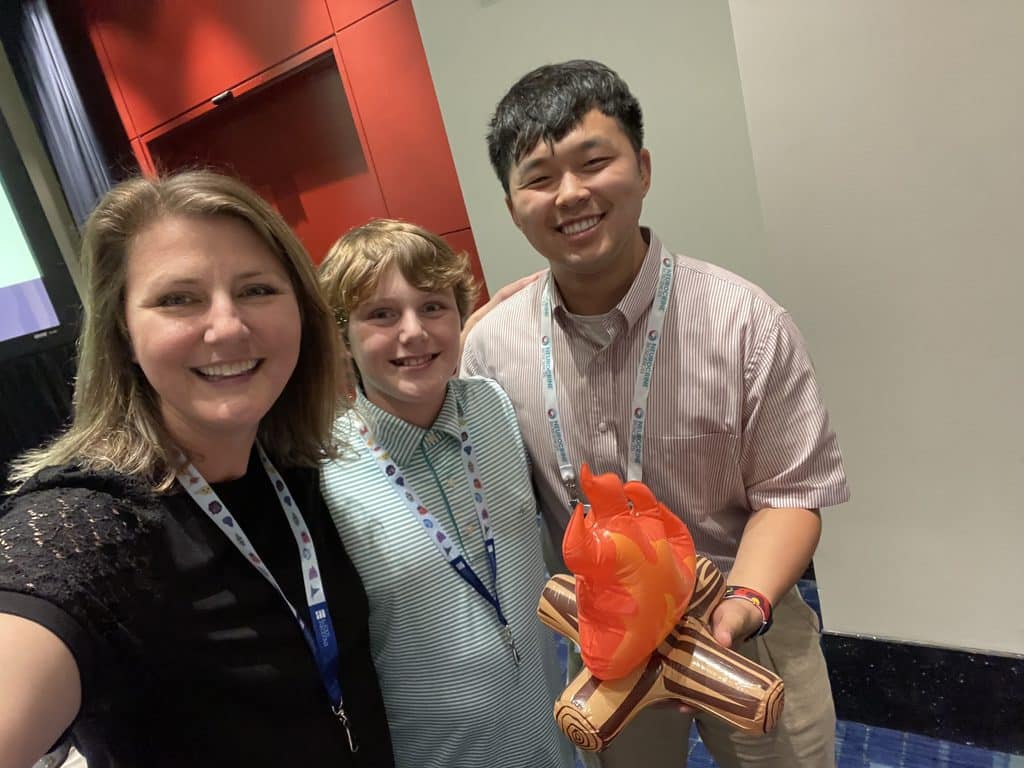
During the event, DECA transformed a dedicated portion of the conference venue into a microcosm of a diabetes summer camp. The atmosphere was intentionally informal, featuring camp-style introductions, the exchange of friendship bracelets, and campfire songs. These activities, while seemingly lighthearted, served a strategic educational purpose. They mirrored the community-building exercises used in camps across the globe to help children with Type 1 diabetes feel less isolated. For the medical professionals in attendance, these activities served as a reminder that a patient is a person first, and a diagnosis second.
The Role of DECA and Endocrine Mentor Day
The collaboration between the Endocrine Society and DECA represents a strategic alignment of two organizations dedicated to the future of the field. The Endocrine Society’s Endocrine Mentor Day is a specialized program intended to introduce learners at various stages of their careers to the diverse opportunities within endocrinology. By partnering with DECA, an organization that supports over 500 diabetes camp programs worldwide, the eMD program added a layer of patient-centered advocacy to its professional development offerings.
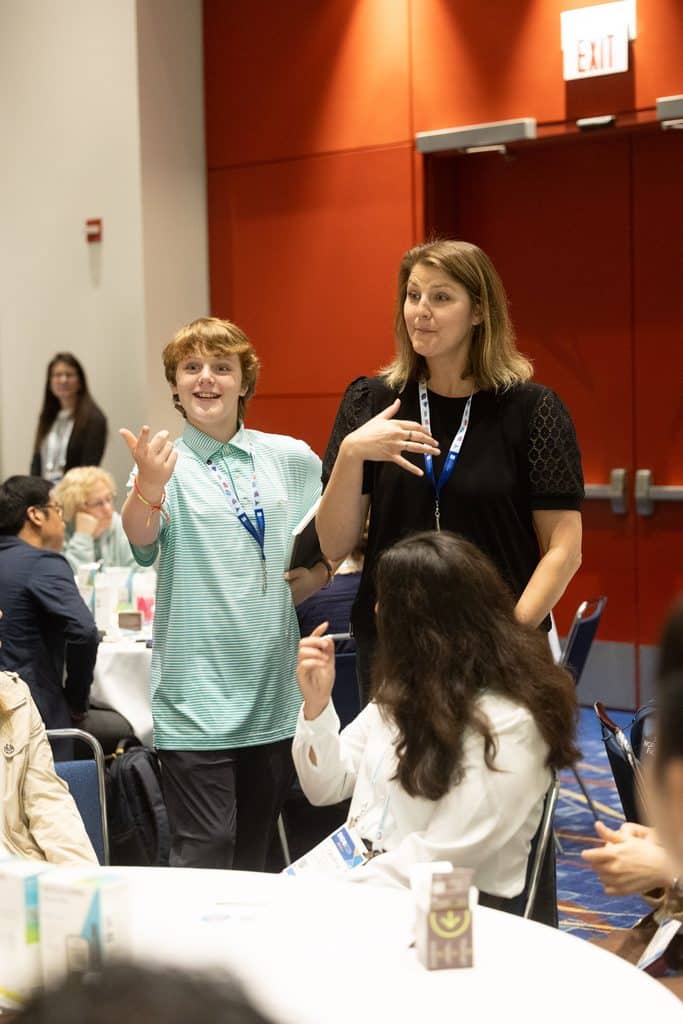
Lisa Gier, Executive Director of DECA, and a young camper named Gavin were central to the simulation. Their presence provided a direct link to the community that these medical professionals will eventually serve. Gavin shared personal stories of his time at camp, explaining how the environment allowed him to manage his glucose levels among peers who understood his struggles without explanation. This narrative-driven approach allowed attendees to witness the psychological benefits of peer support, which has been shown in various clinical studies to improve long-term self-management and reduce "diabetes distress."
Chronology of the Simulation and Event Integration
The ENDO 2026 simulation followed a carefully structured timeline designed to maximize engagement and retention. The day began with formal mentorship sessions, where participants were grouped with established leaders in the field to discuss career trajectories and research opportunities. This was followed by the transition into the "camp zone."
- The Orientation (Morning): Participants were introduced to the history of diabetes camps, which date back to the 1920s, shortly after the discovery of insulin.
- Immersive Simulation (Mid-day): Attendees engaged in interactive trivia that focused not on medical facts, but on the "hacks" and social challenges patients face—such as managing a pump during sports or dealing with the stigma of a "low" in a public setting.
- Direct Dialogue (Afternoon): Small-group breakout sessions allowed participants to ask Gavin and Gier questions about the volunteer experience. This segment highlighted the critical need for medical staff at these camps, where doctors and nurses often serve as "cabin clinicians."
- Reflection and Networking (Late Afternoon): The day concluded with a debriefing session where participants discussed how the day’s lessons would influence their future clinical practice.
Supporting Data: The Necessity of Patient-Centered Training
The need for this type of training is supported by a growing body of data regarding the endocrinology workforce and patient outcomes. According to the Association of American Medical Colleges (AAMC), the United States faces a significant shortage of adult and pediatric endocrinologists. This shortage often leads to shorter appointment times, leaving little room for providers to address the emotional aspects of the disease.
Furthermore, statistics from the T1D Exchange indicate that only a fraction of patients meet their target HbA1c goals, despite advancements in technology like automated insulin delivery systems. This suggests that the barriers to successful management are often behavioral and social rather than purely technological. Research into "The Camp Effect" has shown that children who attend diabetes camps demonstrate increased confidence in self-care and a significant reduction in diabetes-related anxiety. By exposing future endocrinologists to this environment, the eMD program aims to produce clinicians who can better facilitate these outcomes in a clinical setting.
Official Responses and Participant Feedback
The response from the ENDO 2026 attendees was overwhelmingly positive, with post-event evaluations highlighting the simulation as a "favorite part of the day." Many participants noted that the informal conversations with mentors and the interactions with Gavin were more impactful than traditional lectures.
Sacha Uelmen, Director of Professional & Clinical Affairs at the Endocrine Society, emphasized that the goal of the partnership was to humanize the specialty. "By hearing firsthand stories about managing diabetes and participating in activities inspired by camp traditions, attendees gained insight into the social, emotional, and practical realities that influence health outcomes every day," Uelmen stated.
Participants specifically cited the "friendship bracelet exchange" as a poignant moment. For many, it symbolized the "invisible thread" that connects the provider to the patient’s community. One medical student from the Boston University Chobanian & Avedisian School of Medicine, who received an Excellence in Endocrinology award during the event, remarked that the experience reinforced the lesson that effective care requires understanding the "whole person."
Broader Impact on the Endocrinology Workforce
The ENDO 2026 simulation is part of a broader strategy by the Endocrine Society to bolster the pipeline of new specialists. Programs such as the Medical School Engagement Program (MSEP), FLARE (Future Leaders Advancing Research in Endocrinology), and ExCEL (Excellence in Clinical Endocrinology Leadership) are designed to provide a comprehensive support system for learners.
The inclusion of the DECA simulation addresses a specific niche within this pipeline: the development of empathy and communication skills. In an era where artificial intelligence and data-driven algorithms are increasingly used for dose adjustments, the "human element" remains the unique value proposition of the physician. Training that emphasizes the patient’s lived experience ensures that the next generation of endocrinologists will be equipped to handle the complexities of patient non-adherence and the psychological burden of chronic disease.
Analysis of Implications for Future Medical Education
The success of the DECA and Endocrine Society collaboration at ENDO 2026 suggests a scalable model for other medical specialties. The implications are clear: experiential learning that involves direct interaction with patients in non-clinical settings can significantly enhance the professional development of medical students and residents.
This approach also serves as a powerful recruitment tool. By showcasing the rewarding nature of the patient-provider relationship through the lens of a diabetes camp, the Society may attract more medical students to a field that is often perceived as being overly focused on lab values and chronic management. The "camp culture" represents the best of endocrinology—a community working together to empower individuals to live full lives despite a complex medical condition.
As the attendees of ENDO 2026 return to their respective hospitals and universities, they carry with them more than just clinical knowledge. They carry a renewed perspective on the importance of empathy and a deeper understanding of the community they serve. The lasting lesson of the diabetes camp simulation is that while the science of endocrinology provides the tools for survival, it is the connection to the patient’s lived experience that provides the path to thriving.