









Maria Andrea Camilletti, PhD, an assistant researcher at the Laboratorio de Investigaciones Aplicadas en Neurociencias (LIAN) within the Institute of Neuroscience (INEU-CONICET) at the Fundación para la Lucha contra las Enfermedades Neurológicas de la Infancia (FLENI) in Buenos Aires, is currently spearheading critical research into the genetic underpinnings of pituitary disorders. Representing the Endocrine Society’s Early-Career Special Interest Group, Dr. Camilletti’s work bridges the gap between fundamental molecular biology and clinical application, focusing specifically on congenital hypopituitarism (CH). Her trajectory from a student at the University of Buenos Aires to a lead researcher in one of Latin America’s premier neurological institutes reflects a broader trend in global medicine: the integration of genomic sequencing with advanced cellular modeling to provide personalized therapeutic solutions.
The pituitary gland, often referred to as the "master gland" of the endocrine system, is a pea-sized organ situated at the base of the brain. Despite its diminutive size, it exerts profound control over nearly every physiological process in the human body. By secreting hormones that regulate growth, metabolism, reproduction, and the body’s response to stress, the pituitary functions as a central command post for homeostasis. When this gland fails to develop properly—a condition known as congenital hypopituitarism—the resulting hormonal deficiencies can lead to severe developmental delays, metabolic instability, and lifelong health challenges. Dr. Camilletti’s research aims to decode the complex genetic mutations that cause these failures, utilizing cutting-edge induced pluripotent stem cell (iPSC) technology to model human disease in a laboratory setting.
The Academic and Professional Chronology of Dr. Maria Andrea Camilletti
The development of Dr. Camilletti’s scientific career began within a family environment that prioritized curiosity and the life sciences. With a mother trained as a biochemist and a grandfather and uncle working in agronomy and engineering, she was exposed to the rigors of the scientific method from a young age. This foundational interest led her to enroll in the Faculty of Natural and Exact Sciences at the University of Buenos Aires (UBA) in 2007. UBA is widely recognized as one of the most prestigious public research universities in Ibero-America, providing an environment where students engage directly with active researchers.

In 2011, Dr. Camilletti’s focus shifted toward neuroendocrinology when she joined the laboratory of Graciela Díaz at the Institute of Biology and Experimental Medicine (IBYME). Under Díaz’s mentorship, Camilletti was introduced to the study of pituitary tumors. This period was pivotal, as it exposed her not only to the biological complexities of the endocrine system but also to the logistical and economic hurdles of conducting high-level research in Argentina. Despite these challenges, the collaboration solidified her commitment to the pituitary gland as her primary area of investigation.
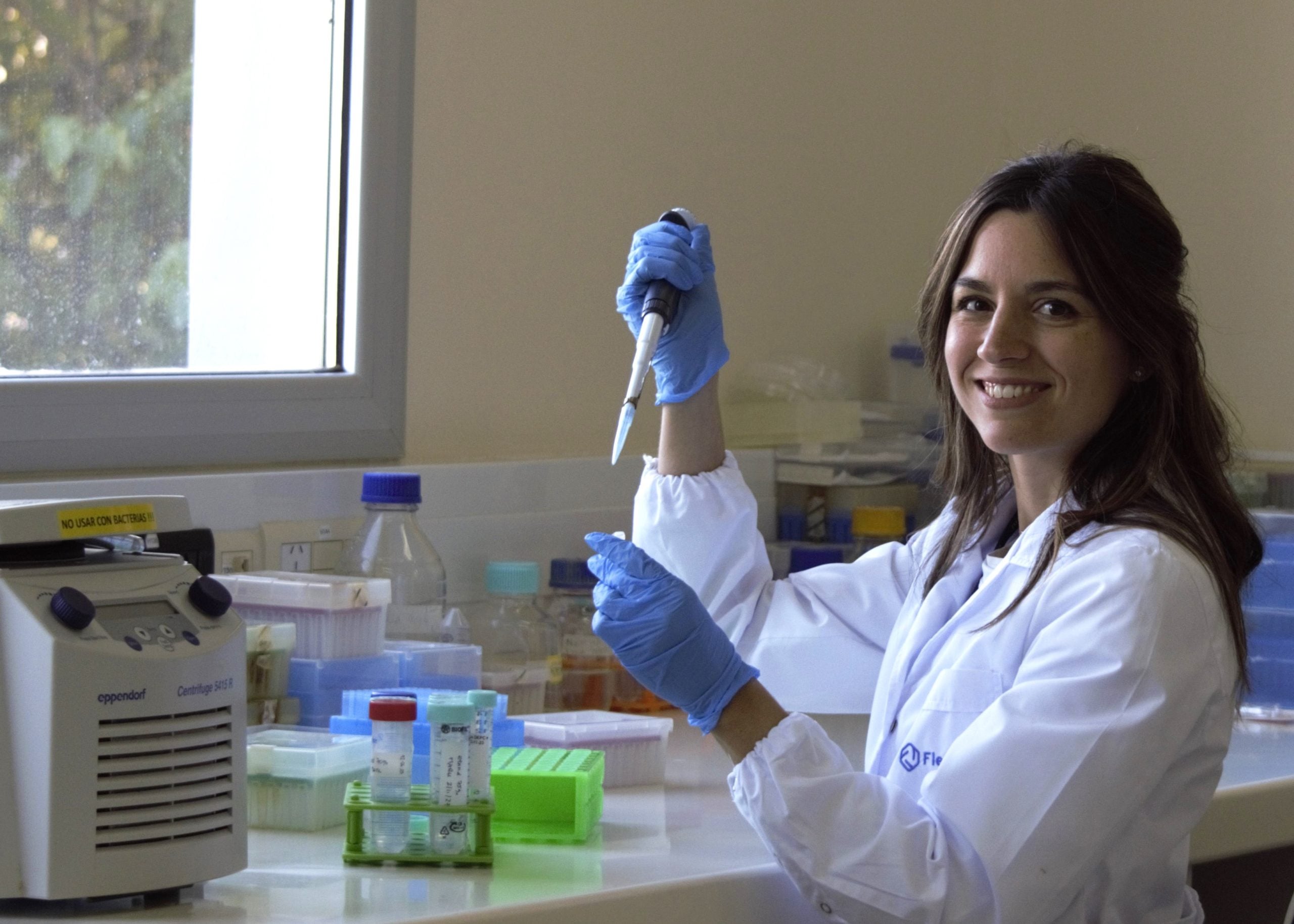
Following the completion of her doctoral studies, Dr. Camilletti transitioned to a postdoctoral position in the laboratory of María Inés Pérez Millán. Dr. Pérez Millán, having recently returned to Argentina after a six-year tenure at the University of Michigan, brought specialized expertise in the genetic architecture of pituitary development. Together, they embarked on an ambitious project to develop a multigene panel for the molecular diagnosis of congenital hypopituitarism. This project marked a significant shift in Dr. Camilletti’s methodology, moving her work into the realms of bioinformatics and clinical genomics.
Genomic Screening and the Diagnostic Gap in Congenital Hypopituitarism
Congenital hypopituitarism is a complex condition characterized by the deficiency of one or more hormones produced by the anterior pituitary. The incidence of CH is estimated to be between 1 in 4,000 and 1 in 10,000 live births. While some cases are linked to known genetic mutations, a significant majority of patients remain without a definitive molecular diagnosis. The research conducted by Dr. Camilletti and Dr. Pérez Millán sought to address this diagnostic deficit by screening a large cohort of pediatric patients across Argentina.
The team utilized a custom-based sequencing panel to analyze the genetic profiles of more than 170 pediatric patients presenting with pituitary hormone deficiencies. The results of this study provided crucial data for the Argentine medical community: the panel successfully identified the genetic cause in 15.3% of sporadic cases. However, the study also highlighted a persistent challenge in modern genomics: the identification of "variants of uncertain significance" (VUS).
A VUS is a genetic alteration where the impact on the patient’s health is not immediately clear. Because these variants do not have a documented history of causing disease, they cannot be used to provide a definitive diagnosis or inform clinical management without further functional testing. This bottleneck necessitated a new approach to research—one that could move beyond statistical correlation and into functional verification. To solve the mystery of these variants, Dr. Camilletti turned to stem cell technology.
The Integration of Induced Pluripotent Stem Cells (iPSCs) in Endocrine Research
The shift toward induced pluripotent stem cells (iPSCs) represented a technological leap in Dr. Camilletti’s research. First developed in 2006 by Shinya Yamanaka and Kazutoshi Takahashi at Kyoto University, iPSC technology allows scientists to reprogram mature somatic cells—such as skin or blood cells—back into an embryonic-like state. These cells possess two defining characteristics: pluripotency, the ability to differentiate into any cell type in the body, and self-renewal, the ability to divide indefinitely in culture.
For Dr. Camilletti, iPSCs offered a solution to several limitations inherent in traditional endocrine research. Unlike animal models, which may not perfectly replicate human pituitary development, iPSCs derived from human patients carry the exact genetic background of the individual being studied. Furthermore, iPSCs circumvent the ethical concerns associated with the use of embryonic stem cells, as they are derived from adult tissues with patient consent.
In her current role as an independent researcher at the Laboratory of Applied Research to Neurosciences (LIAN) at FLENI, Dr. Camilletti uses iPSCs to create "disease-in-a-dish" models. This process involves taking cells from a patient with a specific hormonal deficiency, reprogramming them into iPSCs, and then guiding those stem cells to differentiate into pituitary-like cells. By observing how these cells develop—or fail to develop—in a controlled environment, researchers can pinpoint the exact moment a genetic mutation disrupts the endocrine pathway.
Investigating the FOXA2 Variant and Its Clinical Implications
A central focus of Dr. Camilletti’s current work is the investigation of the FOXA2 gene. In collaboration with specialists from Garrahan Hospital and the University of Buenos Aires, her team identified a novel, heterozygous nonsense variant in FOXA2 (specifically c.686C>A; p.S229*) in a patient suffering from growth hormone deficiency and craniofacial malformations.
FOXA2 is a transcription factor known to play a role in the early development of the endoderm and the nervous system, but its specific contribution to human pituitary formation has historically been poorly understood. By generating an iPSC line from this specific patient, Dr. Camilletti is now able to compare the development of these cells against healthy control lines. This comparative analysis is essential for determining whether the FOXA2 variant is the direct cause of the patient’s clinical symptoms.
Furthermore, the lab is utilizing CRISPR/Cas9 gene-editing tools to create a FOXA2 knockout iPSC line. This allows the team to observe the total absence of the gene’s function, providing a clearer picture of the transcriptional regulatory landscape during pituitary differentiation. This research is not merely academic; it has direct implications for genetic counseling. If FOXA2 is confirmed as a causative gene for CH, clinicians will be able to provide families with more accurate prognostic information and reproductive counseling.

Technical Challenges and the "Ninja-Culture" of the Laboratory
The practical application of iPSC technology is notoriously difficult. Unlike standard cell lines used in many labs, iPSCs are highly sensitive to their environment and "stress" easily. Maintaining these cultures requires a level of precision that Dr. Camilletti and her colleagues colloquially refer to as being a "ninja-culture technician."
One of the primary challenges is the prohibition of antibiotics in iPSC cultures. In many types of biological research, antibiotics are used to prevent bacterial contamination. However, in stem cell work, these chemicals can interfere with the delicate signaling pathways required for differentiation or mask low-level contaminations that could skew results. Consequently, the work must be performed under exceptionally sterile conditions with rigorous manual oversight.
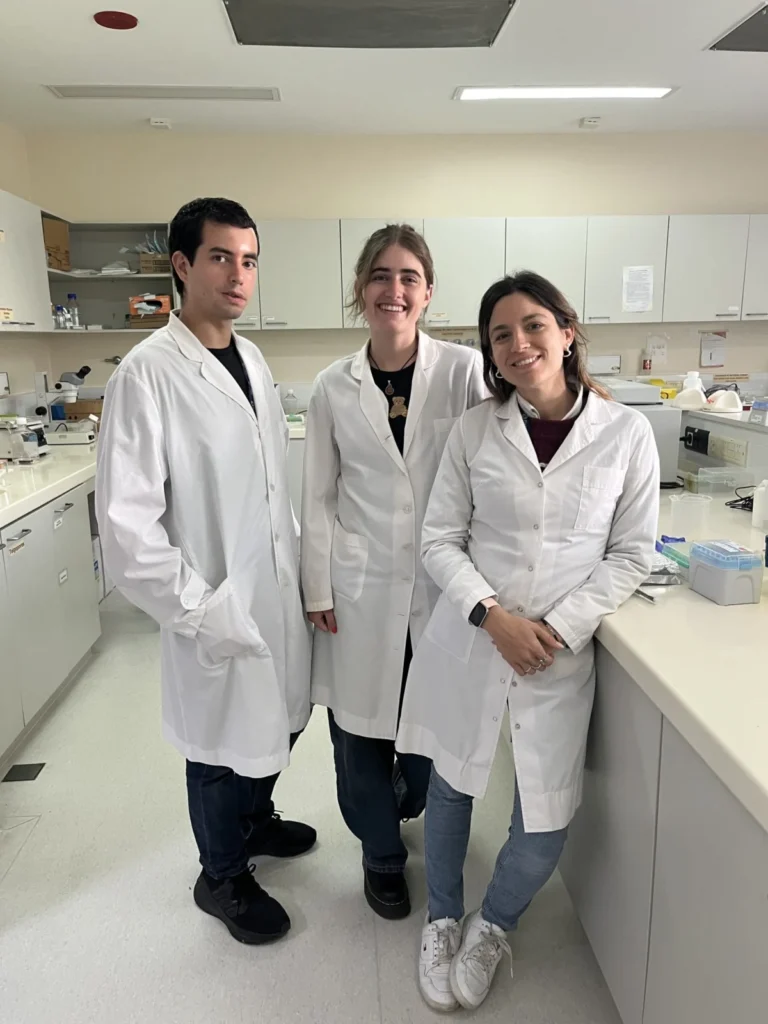
Despite these technical demands, Dr. Camilletti emphasizes the motivational aspect of lab work, particularly in the context of mentorship. As an assistant researcher, she oversees PhD fellows and undergraduate students, such as Gonzalo Tomás Chirino Felker and Chiara Grosso. The exchange of data and the collaborative environment of the lab are essential components of the scientific process in Argentina, where institutional support and peer collaboration often offset resource limitations.
Broader Impact and the Future of Personalized Endocrine Medicine
The work being conducted at FLENI by Dr. Camilletti and her team has far-reaching implications for the future of endocrinology. By refining the molecular diagnosis of pituitary deficiencies, this research contributes to a global database of genetic variants, helping to reduce the number of VUS cases and providing answers to patients who have spent years in diagnostic limbo.
In the long term, the use of iPSCs opens the door to regenerative medicine and cell-based therapies. While still in the experimental stages, the potential to transplant healthy, lab-grown pituitary cells into patients with hypopituitarism could eventually replace the need for lifelong hormone replacement therapy. Such a breakthrough would represent a shift from managing symptoms to curing the underlying biological deficiency.
Dr. Camilletti’s journey highlights the importance of international scientific standards being applied within local contexts. Her research at the intersection of genomics and stem cell biology not only advances the understanding of the "master gland" but also reinforces the vital role of early-career scientists in driving medical innovation. As the scientific community continues to move toward personalized medicine, the models developed in laboratories like those at FLENI will be the foundation upon which future treatments are built.