

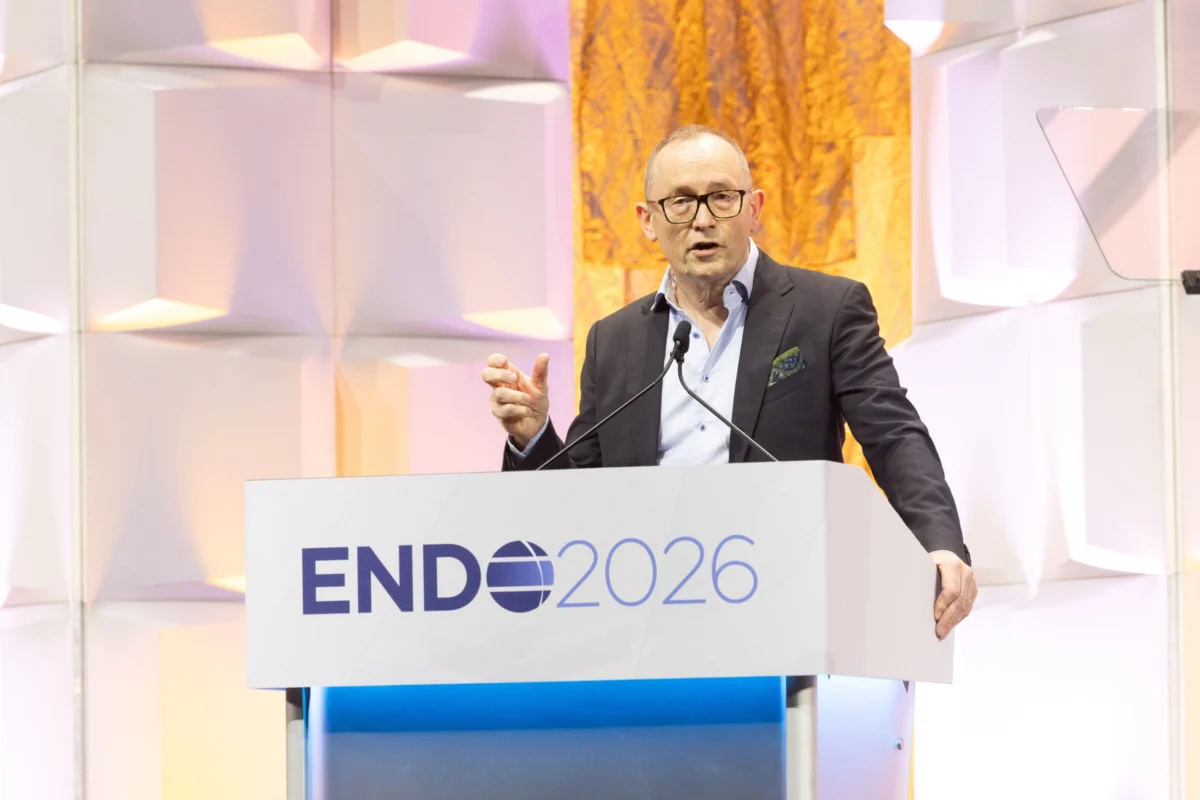
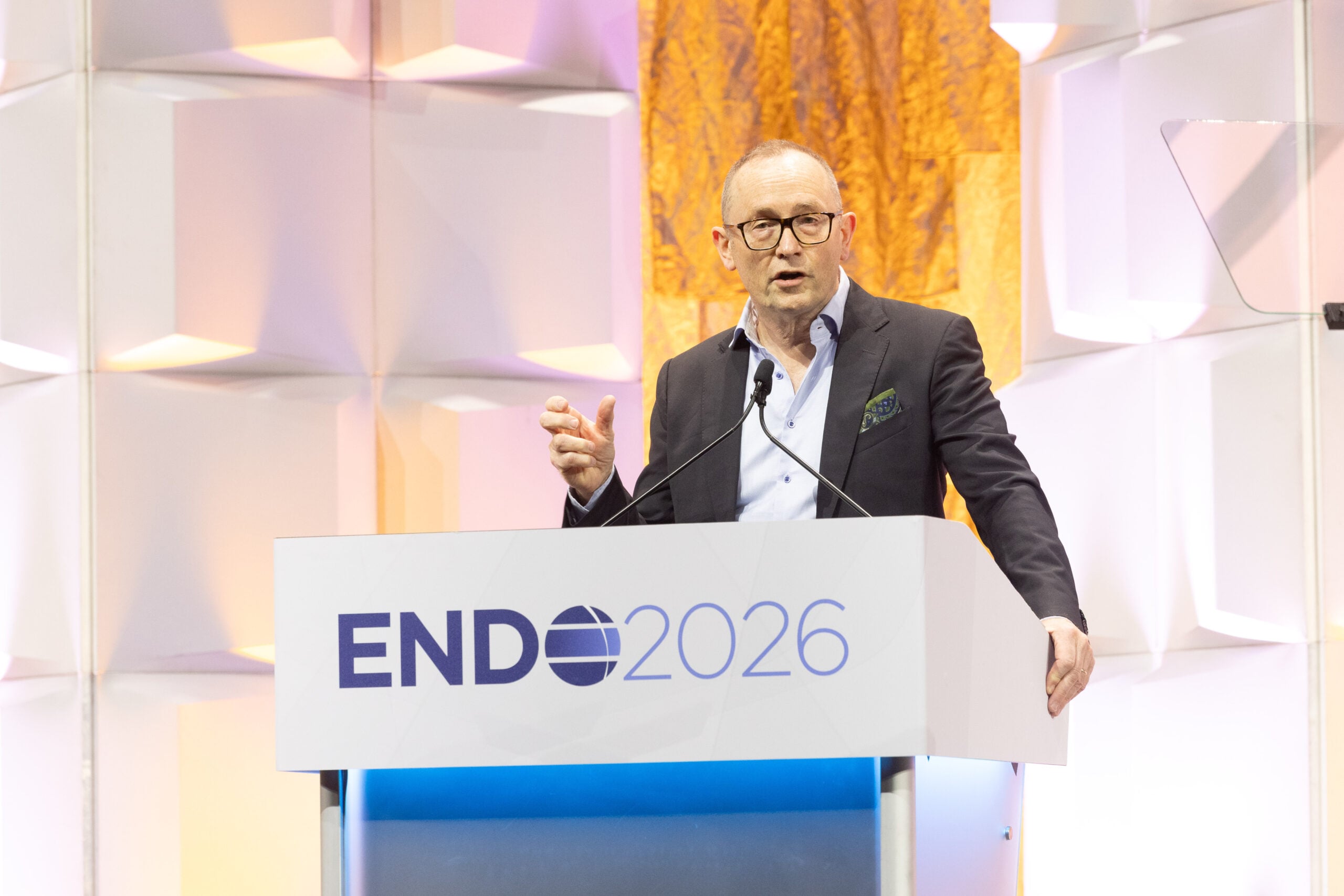
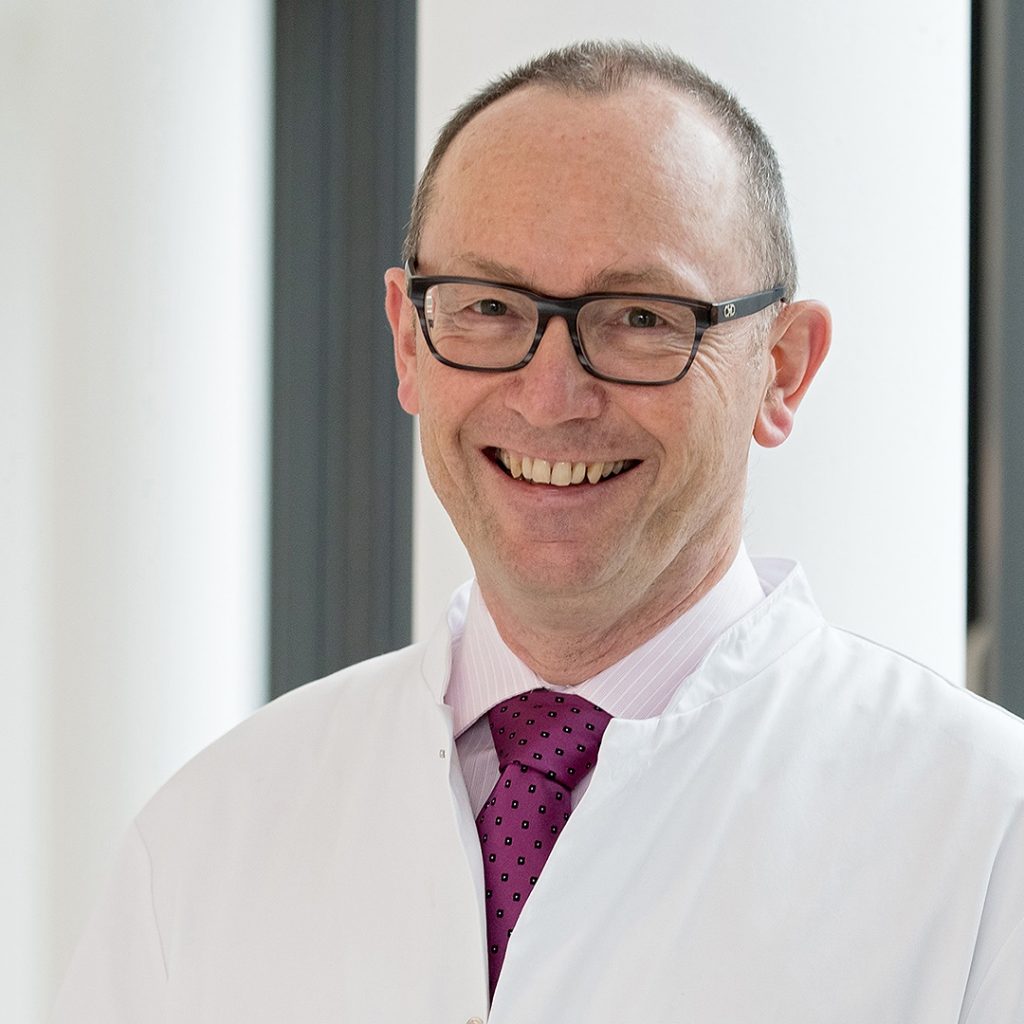
The Endocrine Society has officially announced Martin Reincke, MD, as the recipient of the 2026 Outstanding Scholarly Physician Laureate Award, recognizing his decades of transformative work in clinical endocrinology and his leadership in academic medicine. Dr. Reincke, a professor of endocrinology and the former chair of Medical Department IV at Ludwig-Maximilians University (LMU) Hospital in Munich, Germany, is globally distinguished for his research into adrenal and pituitary disorders. His career has been defined by a dual commitment to high-level molecular research and compassionate patient care, a combination that has significantly advanced the international medical community’s understanding of complex hormonal diseases. The award, one of the highest honors bestowed by the Endocrine Society, celebrates individuals who have demonstrated exceptional contributions to the practice of clinical endocrinology within an academic setting, bridging the gap between laboratory discovery and bedside application.
A Career Defined by Academic Excellence and International Collaboration
Dr. Martin Reincke’s trajectory in the field of endocrinology is marked by a consistent focus on the most intricate systems of the human endocrine system: the pituitary gland and the adrenal glands. Often referred to as the "master conductor" of the body, the pituitary gland regulates a vast array of physiological processes, while the adrenal glands—comprising three distinct cortical zones and a medulla—manage everything from stress response to electrolyte balance. Dr. Reincke’s work has been instrumental in deciphering the pathophysiology of disorders such as Primary Aldosteronism (PA) and Cushing’s syndrome, both of which carry significant morbidity if left untreated.
Throughout his tenure at Ludwig-Maximilians University, Dr. Reincke has not only managed one of Europe’s premier endocrine departments but has also spearheaded the creation of large-scale international research consortia. These collaborations have been vital in addressing therapeutic challenges that are too complex for a single institution to solve. By pooling data and resources across borders, Reincke and his colleagues have been able to conduct high-impact studies on rare and complex conditions, leading to more standardized diagnostic protocols and personalized treatment pathways for patients worldwide.
Chronology of a Distinguished Career in Endocrinology
The foundations of Dr. Reincke’s career were laid through pivotal mentorships and a rigorous dedication to both clinical practice and molecular biology. In the early stages of his professional journey, Reincke worked closely with the late German endocrinologist Bruno Allolio. From 1949 to 2015, Allolio was a towering figure in the field, and his influence on Reincke was profound. Over a 12-year period of collaboration, Allolio instilled in Reincke the philosophy that a physician does not have to choose between clinical compassion and scientific curiosity. This period was crucial in preparing Reincke for the most challenging clinical scenarios involving adrenal insufficiency and hormone excess.
In the 1990s, Dr. Reincke expanded his scientific horizons by joining the National Institutes of Health (NIH) in the United States, where he worked with George Chrousos, one of the most cited pediatricians and endocrinologists in the world. At the NIH, Reincke was introduced to the molecular biology of endocrine diseases, a field that would become a lifelong passion. This experience allowed him to integrate molecular genetics and cellular biology into his clinical research, providing a deeper understanding of the genetic mutations that drive adrenal tumors and pituitary adenomas.
Upon returning to Germany, Dr. Reincke ascended to leadership roles at LMU Munich, where he focused on building the infrastructure for translational medicine. His leadership saw the department become a hub for endocrine research in Europe, particularly through the development of the German Conn’s Registry and participation in European-wide networks for the study of adrenal tumors (ENSAT).
Supporting Data: The Impact of Adrenal and Pituitary Research
The significance of Dr. Reincke’s work is underscored by the prevalence and severity of the conditions he studies. Primary Aldosteronism (PA), once thought to be a rare cause of hypertension, is now recognized as the most common form of secondary hypertension, affecting an estimated 5% to 10% of all hypertensive patients. Dr. Reincke’s research has highlighted the importance of early screening for PA, as patients with this condition face a significantly higher risk of cardiovascular events, such as stroke and myocardial infarction, compared to patients with essential hypertension.
In the realm of Cushing’s syndrome—a condition characterized by chronic overproduction of cortisol—Dr. Reincke has addressed the immense diagnostic hurdles that clinicians face. Cushing’s is notoriously difficult to diagnose due to its overlapping symptoms with more common metabolic conditions like obesity and type 2 diabetes. Reincke’s contributions to international guidelines have helped refine the use of late-night salivary cortisol testing and dexamethasone suppression tests, improving the accuracy of diagnosis and the speed at which patients receive life-saving surgery or medical intervention.
Furthermore, his work on the pituitary gland has contributed to better management of acromegaly and prolactinomas. By emphasizing the "master conductor" role of the pituitary, Reincke has advocated for multidisciplinary care teams involving neurosurgeons, radiologists, and endocrinologists to optimize patient outcomes.
Official Recognition and Peer Reactions
The announcement of the 2026 Laureate Awards took place ahead of the annual ENDO meeting, where Dr. Reincke was joined by other luminaries in the field. The 2026 cohort includes Alvin C. Powers, MD, recipient of the Roy O. Greep Award for Outstanding Research; Bradley Anawalt, MD, recipient of the Outstanding Educator Award; and Samuel Klein, MD, recipient of the Outstanding Clinical Investigator Award. The presentation of these awards is a cornerstone of the Endocrine Society’s mission to foster excellence in hormone research and clinical care.
Upon hearing the news of his recognition, Dr. Reincke expressed a characteristic blend of humility and pride. He noted that while he holds many of his colleagues in high reverence and sometimes doubts his own standing among them, the honor is a source of immense personal and professional gratification. His nominators described him as a "role model par excellence," particularly for early-career physicians who seek to balance the demands of an academic career with the primary mission of patient care.
The Endocrine Society, an organization of more than 18,000 members from 122 countries, views the Laureate Awards as a way to highlight the "best of the best" in the field. Outgoing Endocrine Society President Carol Lange, PhD, emphasized that leaders like Reincke represent the pinnacle of dedication, pushing the boundaries of what is possible in endocrine science.
Analysis: The Future of Endocrinology and the "Next Generation"
A recurring theme in Dr. Reincke’s recent reflections is the evolution of the field through technological advancement. He has noted with enthusiasm the "fearlessness" of the next generation of endocrinologists, who are entering a landscape dominated by Artificial Intelligence (AI), high-throughput genomics, and advanced functional imaging.
The shift toward precision medicine—where treatment is tailored to the individual’s genetic makeup—is a direct result of the groundwork laid by researchers like Reincke. In the coming decade, AI is expected to play a major role in interpreting complex endocrine datasets, potentially identifying patterns in hormone fluctuations that are currently invisible to the human eye. Reincke’s hope for his successors is that they will use these tools to ask "bigger questions" while maintaining the human element of medicine. He frequently cites the sentiment that every dataset represents a human being waiting for a better diagnosis, a philosophy that serves as a safeguard against the dehumanization of data-driven medicine.
The Intersection of Science and the Arts
Beyond the laboratory and the clinic, Dr. Reincke is a proponent of maintaining a balanced life to sustain long-term scientific productivity. An accomplished violinist, he finds that music provides a necessary reprieve from the high-pressure environment of academic research. Recently, he performed Dvořák’s Dumky Trio, a piece known for its emotional volatility, ranging from deep longing to exuberant joy.
Reincke has often remarked that the complexities of a musical score are not unlike the complexities of the human endocrine system. Engaging with the arts allows him to process the "joy, longing, despair, and hope" inherent in the human condition, which in turn informs his empathy as a physician. He suggests that such "unplugging" is essential for researchers to maintain perspective, noting that after a session of intense musical performance, the frustrations of peer-review comments and administrative burdens seem significantly less dramatic.
Broader Impact and Global Implications
The recognition of a German-based physician-scientist by the U.S.-based Endocrine Society underscores the globalized nature of modern medicine. Dr. Reincke’s work has bridged the gap between European and American medical traditions, fostering a more unified approach to endocrine disorders. His leadership in international consortia has ensured that clinical trials are more diverse and that the resulting data are applicable to a broader range of populations.
As the 2026 Outstanding Scholarly Physician, Dr. Reincke’s legacy will be measured not just in his published papers or the awards on his shelf, but in the lives of the patients who now receive more accurate diagnoses and more effective treatments for adrenal and pituitary diseases. His career serves as a blueprint for the "scholarly physician"—an individual who remains a perpetual student of science while serving as a dedicated healer for those in need. The upcoming 2026 plenary session will serve as a formal celebration of these achievements, marking a milestone in a career that continues to inspire the global endocrine community.
