

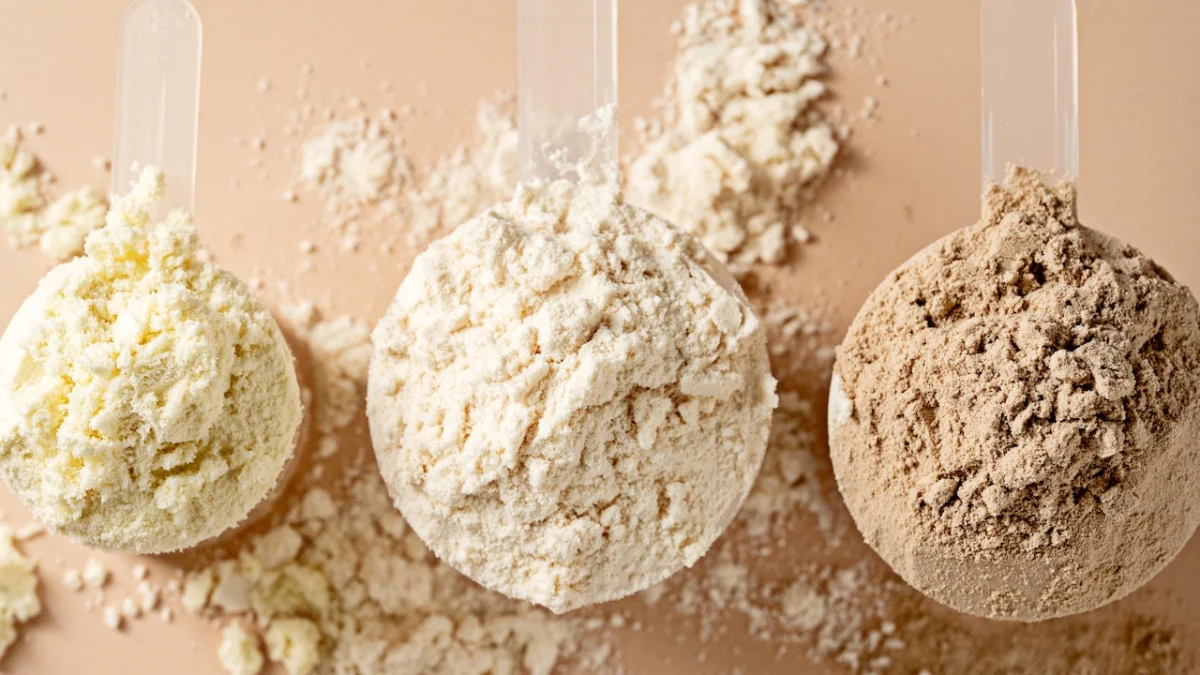
A recent comprehensive review published in Cell Press Blue delves into the intricate relationship between protein restriction, specifically the limitation of certain amino acids, and its potential to foster cellular processes associated with healthy aging and extended longevity. The research, spearheaded by Dudley Lamming, Ph.D., a professor at the University of Wisconsin-Madison, scrutinizes existing scientific literature to answer a question that challenges prevailing dietary advice, particularly in an era where protein consumption is often lauded as a cornerstone of health and fitness.
The study highlights a growing body of evidence suggesting that while protein is undeniably crucial for muscle synthesis and optimal response to physical activity in active individuals, the ubiquitous sedentary lifestyle of many modern populations may lead to an overconsumption of protein. This excess, the researchers posit, could carry unforeseen negative health consequences. "It’s absolutely crystal clear that there are benefits of protein to muscle growth and exercise response of active individuals," stated Dr. Lamming. "But because most people are relatively sedentary, many people are likely consuming more protein than they actually need, which probably has negative health consequences." This nuanced perspective emerges at a time when the supplement industry and popular health trends have frequently promoted a "more is better" ethos regarding protein intake, making a deeper understanding of its role and optimal levels a critical endeavor.
The Established Role of Protein in Muscle Health and Aging
Conventional dietary wisdom has long emphasized the importance of adequate protein intake for promoting satiety and, crucially, for preserving muscle mass, particularly as individuals age. Erik Bustillo, RD, a performance dietitian for the U.S. Navy, underscores this point, noting the physiological changes that occur with advancing years. "As we age, our anabolic response to protein decreases, which means we need to consume a bit more to help support muscle health and maintenance," he explained. This is particularly relevant in the context of sarcopenia, the age-related loss of muscle mass and strength, which can significantly impair functional independence and increase the risk of falls and other injuries.
Current protein recommendations from established health organizations reflect this concern. The World Health Organization (WHO) sets the Recommended Daily Allowance (RDA) for protein at 0.8 grams per kilogram of body weight. However, for older adults, recommendations often increase to between 1.0 and 1.2 grams per kilogram of body weight to mitigate sarcopenia. More recent guidelines, such as the Dietary Guidelines for Americans, even suggest a higher intake range of 1.2 to 1.6 grams of protein per kilogram of body weight, reflecting a growing awareness of the heightened protein needs of older populations.
Beyond dietary intake, the synergy between protein and physical activity is a well-established fact. Both Mr. Bustillo and Maryann Walsh, a fellow registered dietitian and consultant, stress the indispensable role of strength training in conjunction with optimal protein consumption. "Protein supports lean muscle mass – by incorporating strength training and optimizing our protein intake, we can help maintain lean muscle mass as we age," Ms. Walsh commented. This combined approach is seen as a powerful strategy to combat the natural decline in muscle mass and function associated with aging, thereby supporting overall physical health and quality of life.
Protein: A Potential Double-Edged Sword?
The paradox arises when considering the broader implications of high protein intake, particularly in the context of the general population’s activity levels. Dr. Lamming acknowledges the current messaging’s complexity: "Recent recommendations have encouraged people to eat more protein, but they’ve also encouraged people to exercise more." This dual emphasis can create confusion, as the benefits of protein for active individuals might not translate directly to those with more sedentary lifestyles.
The Cell Press Blue review highlights an emerging and potentially controversial area of research: the association between increased protein intake and a higher incidence of certain diseases and mortality. The authors point to several cellular and molecular pathways influenced by protein and amino acid restriction that are implicated in healthy aging. These include mechanisms related to metabolic health, cellular senescence (the process by which cells stop dividing), mitochondrial function (the energy-producing powerhouses of cells), and epigenetic modifications (changes in gene expression that do not involve alterations to the underlying DNA sequence).
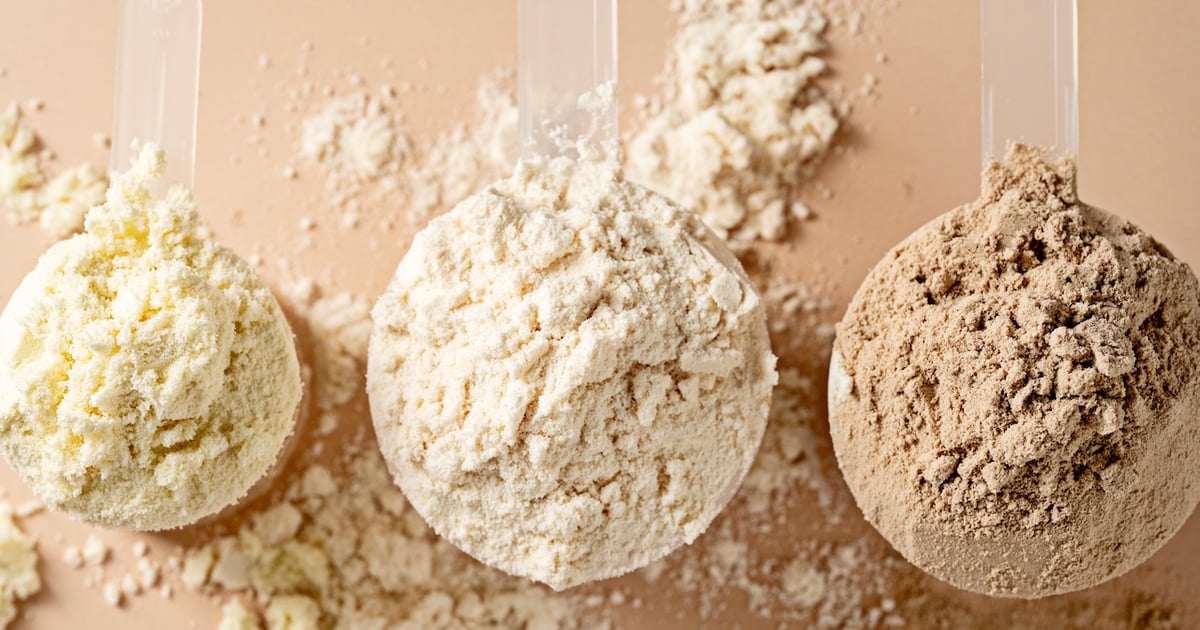
Specifically, the research points to the restriction of certain amino acids, such as methionine, isoleucine, and valine, as potentially beneficial. These sulfur-containing amino acids and branched-chain amino acids (BCAAs) are found in higher concentrations in animal-based proteins. While studies in animal models, particularly rodents, have shown consistent benefits of total protein restriction and methionine restriction on lifespan and healthspan, the translation of these findings to humans remains a subject of active investigation and debate. Tim Ziegenfuss, Ph.D., CEO of the Center for Applied Health Sciences, voices a common sentiment in the scientific community: "The rodent work on total protein and methionine restriction is consistent; the human translation is not." This highlights the critical need for more robust human clinical trials to confirm these potential benefits.
Navigating Protein Intake: Expert Perspectives for the Average Consumer
Given the current state of research, the consensus among many industry experts is that the average consumer should not drastically limit their protein intake. The emphasis remains on a balanced and holistic approach to health. Mr. Bustillo advocates for prioritizing consistent physical activity over drastic dietary changes. "I would be more concerned with consistently incorporating resistance training, cardiovascular training and focusing on a whole foods diet that allows [consumers] to get adequate protein and fiber," he advised. This perspective underscores the interconnectedness of diet and exercise in achieving optimal health outcomes.
Dr. Ziegenfuss suggests that if future research definitively proves benefits from limiting specific amino acids in humans, the approach might involve optimizing dietary patterns rather than outright subtraction. "If the sulfur amino acid signal turns out to have human legs, the lever is pattern, not subtraction," he stated. "That is a blending and plant protein problem, not a reason to take grams off the label." This implies that the focus could shift towards the types of protein consumed and how they are combined, rather than simply reducing overall protein quantity.
Maryann Walsh also notes that while some oncology experts recommend limiting specific amino acids for certain cancer patients, this is a specialized therapeutic intervention and not generally applicable to the average consumer seeking to optimize their health. She reiterates the point about the higher concentrations of methionine and BCAAs in animal proteins, suggesting that a greater reliance on plant-based protein sources could be a natural way to moderate the intake of these specific amino acids without requiring strict restriction.
Conversely, Doug Kalman, Ph.D., co-founder of Substantiation Sciences, warns of the greater risk associated with insufficient protein intake, especially for aging individuals. "Too little [protein] is the clearer and more common risk in aging: chronically low intake accelerates sarcopenia, frailty and loss of functional independence – this is the consistent theme across the aging-nutrition literature," he emphasized. This viewpoint reinforces the importance of ensuring adequate protein intake to support fundamental physiological functions and maintain independence throughout the lifespan.
The Evolving Landscape of Protein Research
The ongoing exploration into protein restriction and its impact on aging is a testament to the dynamic nature of nutritional science. While popular narratives often simplify complex dietary recommendations, this research underscores the need for a more nuanced understanding of macronutrient roles. The findings from studies like the one reviewed in Cell Press Blue are crucial for informing public health guidelines and individual dietary choices.
The implications of this research extend beyond individual diets, potentially influencing the food industry and the development of new nutritional products. As the scientific community continues to investigate the intricate interplay between protein, amino acids, and the aging process, consumers are encouraged to engage with credible sources of information and consult with healthcare professionals to make informed decisions about their nutritional strategies. The journey to unlock the secrets of healthy aging is multifaceted, and protein’s role within it is proving to be far more complex than previously imagined. The scientific community’s ongoing commitment to rigorous research will be key in deciphering these complexities and translating them into actionable health advice.
