

The Endocrine Society has officially named 13 distinguished medical professionals and scientists as the recipients of its 2027 Laureate Awards. Regarded as the highest honors in the field of endocrinology, these awards recognize a diverse cohort of experts who have made transformative contributions to the study and treatment of hormone-related conditions. Since its establishment in 1944, the Laureate program has served as a benchmark for excellence, honoring those whose work has fundamentally shifted the landscape of medical science, from laboratory breakthroughs to the enhancement of patient care delivery.
Endocrinologists play a critical role in modern medicine, specializing in the complex network of glands and hormones that regulate nearly every biological process, including metabolism, growth, reproduction, and sleep. The 2027 awardees represent a broad spectrum of sub-specialties, addressing conditions that affect hundreds of millions of people globally, such as diabetes, thyroid disorders, obesity, osteoporosis, and infertility. The Society will formally present these honors during ENDO 2027, the organization’s flagship annual meeting, scheduled to take place from June 5-7, 2027, in Toronto, Ontario, Canada.
Historical Context and the Evolution of the Laureate Awards
The Endocrine Society, founded in 1916, is the world’s oldest and largest organization devoted to hormone research and the clinical practice of endocrinology. With a global membership exceeding 18,000, the Society has been at the forefront of every major hormonal discovery of the last century, including the isolation of insulin and the development of the birth control pill. The Laureate Awards were inaugurated during World War II to ensure that scientific rigor and clinical dedication remained prioritized within the medical community.
Over the decades, the awards have evolved to reflect the changing nature of the field. What began as a focus on basic physiological research has expanded to include international health equity, medical education, and translational research—the process of turning laboratory findings into bedside treatments. The 2027 cohort exemplifies this multi-faceted approach, featuring leaders from North America, Europe, and the Middle East.
Breakthroughs in Basic Science and Reproductive Health
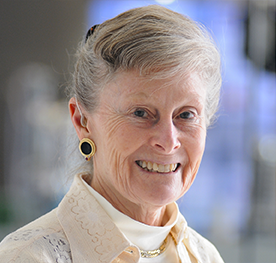
Leading the 2027 class is JoAnne S. Richards, MS, PhD, recipient of the Edwin B. Astwood Award for Outstanding Research in Basic Science. A professor at Baylor College of Medicine, Richards has dedicated over five decades to unraveling the molecular mechanisms of the ovary. Her research was instrumental in identifying how estrogen and luteinizing hormones signal the body to facilitate ovulation.
Richards’ work is particularly noted for the development of innovative mouse models that have allowed researchers to study ovarian cancer in ways previously impossible. Furthermore, her insights have provided a scientific foundation for understanding Polyendocrine Metabolic Ovarian Syndrome (PMOS), a condition formerly known as Polycystic Ovary Syndrome (PCOS). PMOS affects an estimated 8% to 13% of reproductive-aged women worldwide and is a leading cause of infertility.
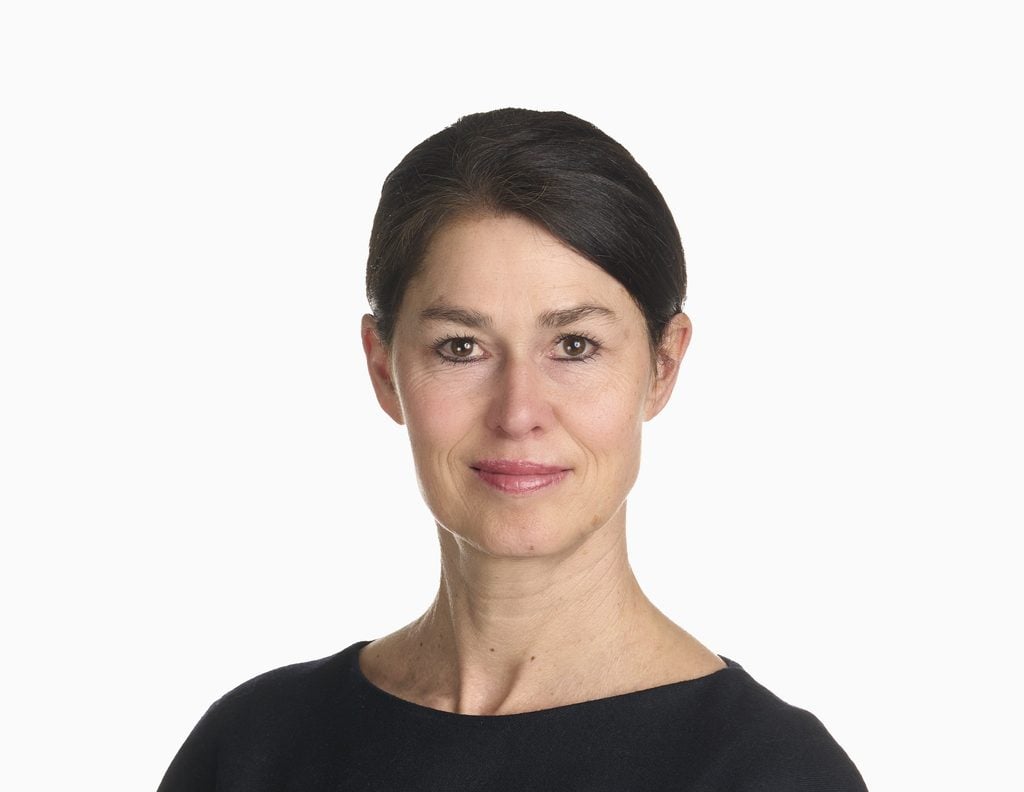
In the realm of translational research, Stephanie Seminara, MD, of Harvard Medical School, has been honored with the Gerald D. Aurbach Award. Seminara’s work bridges the gap between genetics and clinical application. By using novel peptide probes, she has elucidated the hypothalamic pathways that control human puberty. Her findings are vital for treating patients with delayed puberty or idiopathic hypogonadotropic hypogonadism, providing a roadmap for how genetic architecture influences fertility across a lifespan.
Global Leadership and International Clinical Excellence
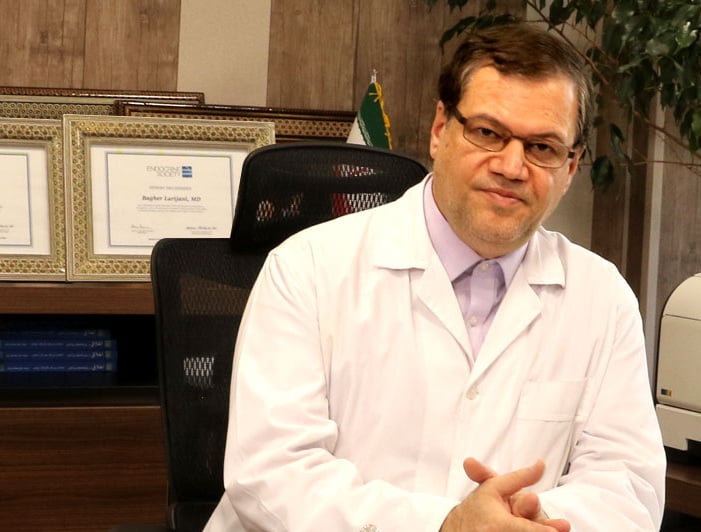
The 2027 awards also highlight the importance of endocrine health in resource-limited regions. Bagher Larijani, MD, Director of the Endocrinology and Metabolism Research Center at Tehran University of Medical Science, has received the International Excellence in Endocrinology Award. Larijani’s leadership in Iran has been pivotal in addressing the surge of non-communicable diseases (NCDs) in the Middle East. Under his guidance, the EMRC has become a hub for multidisciplinary research, training a new generation of Iranian doctors to manage the growing diabetes and obesity epidemics in the region.
Similarly, Ghada El-Hajj Fuleihan, MD, MPH, of the American University of Beirut, has been recognized with the Outstanding Mentor Award. Fuleihan’s influence extends across the Middle East, where she has established NIH-funded programs to train physician-scientists. Her research in bone and mineral metabolism has set new standards for treating osteoporosis in populations that historically had limited access to specialized endocrine data.

In Canada, Aliya Khan, MD, has been recognized with the Outstanding Leadership in Endocrinology Award. Khan’s work on metabolic bone and parathyroid disorders has led to the creation of international clinical guidelines that are used by physicians globally to diagnose and treat rare bone diseases.
Advancements in Clinical Investigation and Patient Care
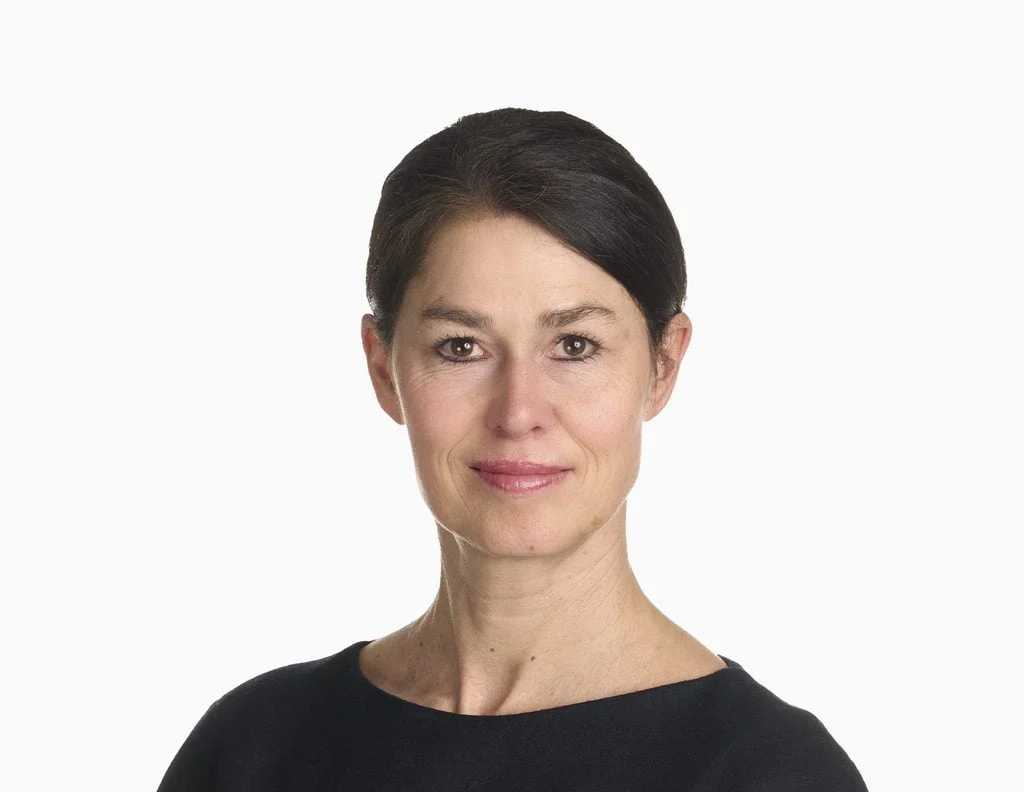
The Outstanding Clinical Investigator Award was granted to Mirjam Christ-Crain, MD, PhD, of the University Hospital Basel in Switzerland. Christ-Crain is credited with revolutionizing the diagnosis of vasopressin-related disorders. Her research established copeptin-based testing as the "gold standard" for diagnosing arginine vasopressin deficiency, a condition previously known as central diabetes insipidus. This diagnostic shift has significantly reduced the frequency of misdiagnosis, ensuring that patients receive appropriate treatment for water balance disorders more rapidly.
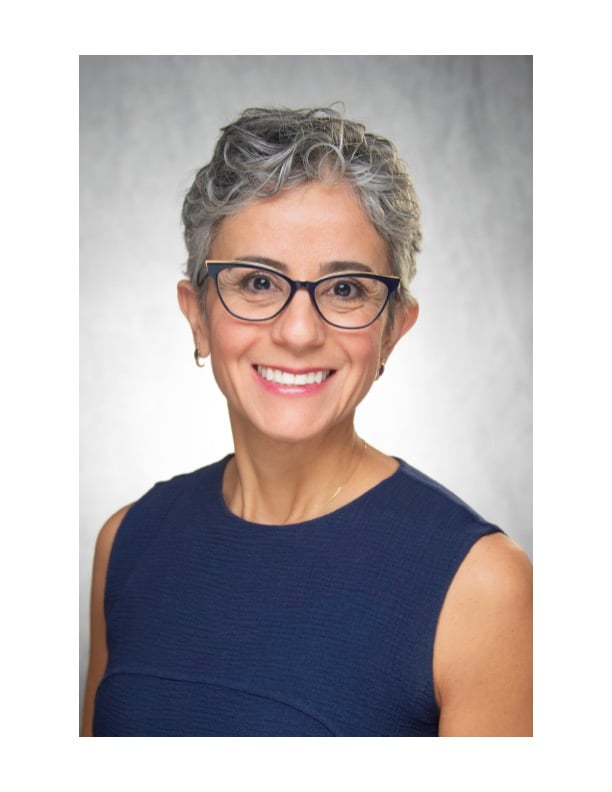
On the front lines of clinical practice, Rebecca Adochio, MD, received the Vigersky Outstanding Clinical Practitioner Award. Based in Avon, Colorado, Adochio has become a model for rural endocrine care. By leveraging telehealth and community education, she has expanded access to diabetes management in the Rocky Mountain region, proving that high-level specialized care can be successfully delivered outside of major metropolitan research hubs.
Addressing Modern Epidemics: PMOS, Testosterone, and Aging
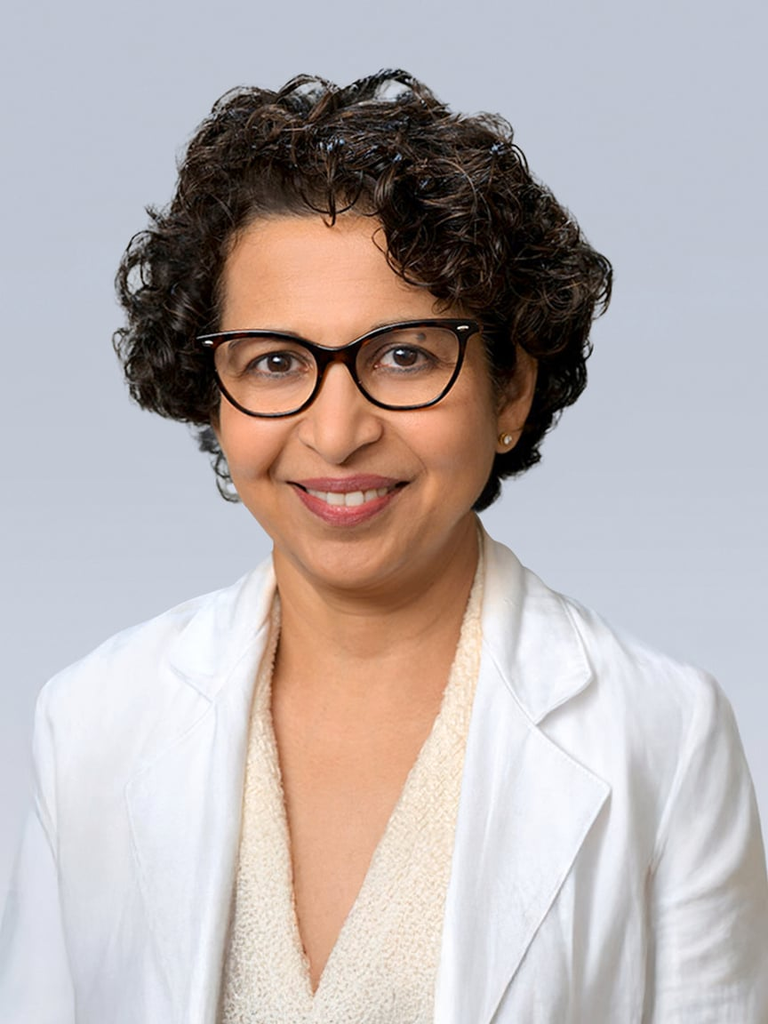
The 2027 Laureates also address some of the most debated and prevalent issues in modern endocrinology. Anuja Dokras, MD, MHCI, PhD, recipient of the Outstanding Scholarly Physician Award, has been a vocal advocate for a comprehensive approach to PMOS. Her research at the University of Pennsylvania has linked the hormonal imbalances of PMOS to long-term risks of cardiovascular disease and mental health disorders, pushing for a treatment model that looks beyond fertility to the overall well-being of the patient.

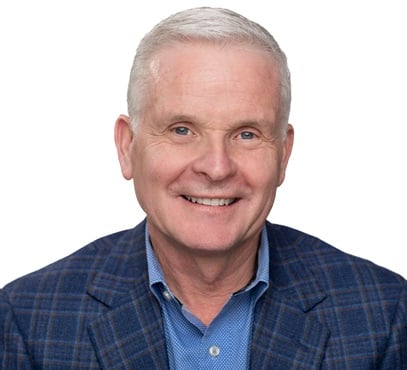
In the field of men’s health, Shalender Bhasin, MD, of Brigham and Women’s Hospital, has been awarded the Roy O. Greep Award for Outstanding Research. Bhasin is a global authority on testosterone therapy. His landmark clinical trials have provided the evidence needed to establish safety guidelines for hormone replacement in aging men, helping to distinguish between legitimate medical needs and the "anti-aging" marketing trends that often lack scientific backing.
The future of the field is represented by Rafael Arrojo e Drigo, PhD, winner of the Richard E. Weitzman Outstanding Early Career Investigator Award. His discovery of "age mosaicism"—the phenomenon where different cells within the same organ age at different rates—has profound implications for understanding how the pancreas and thyroid decline over time. This research could eventually lead to targeted therapies that "reset" the biological clock of specific endocrine tissues.
Supporting Data: The Growing Importance of Endocrinology
The recognition of these 13 individuals comes at a time when endocrine disorders are reaching record prevalence. According to the International Diabetes Federation, approximately 537 million adults are currently living with diabetes, a number expected to rise to 783 million by 2045. Furthermore, the World Obesity Federation predicts that by 2035, more than half of the world’s population will be classified as overweight or obese, conditions driven largely by endocrine and metabolic dysfunction.
The economic impact is equally staggering. In the United States alone, the cost of diagnosed diabetes in 2022 was estimated at $412 billion. Osteoporosis leads to more than 8.9 million fractures annually worldwide, resulting in an osteoporotic fracture every three seconds. The work of the 2027 Laureates directly addresses these statistics by seeking more efficient diagnostics, more effective therapies, and more equitable distribution of medical knowledge.
Broader Implications and Future Outlook
The announcement of the 2027 Laureate Awards serves as a precursor to the global gathering in Toronto, where the winners will present their latest findings to thousands of peers. The selection of these winners underscores a shift in the Endocrine Society’s priorities toward a more global and inclusive view of science. By honoring educators like Amal Shibli-Rahhal, MD, who has innovated medical school curricula at the University of Iowa, the Society is ensuring that the next generation of doctors is equipped to handle the complexities of hormone health.
As the medical community looks toward the ENDO 2027 conference, the focus remains on how these individual achievements will coalesce into systemic changes in healthcare. From the molecular "age mosaicism" discovered in Nashville to the clinical guidelines developed in Beirut and Hamilton, the 2027 Laureates represent a unified front against the most pressing health challenges of the 21st century.
The Endocrine Society has announced that nominations for the 2028 Laureate Awards will open in late 2027, continuing the tradition of identifying the visionaries who will define the next era of hormone science. For now, the 2027 recipients stand as a testament to the power of scientific inquiry and its ability to improve human life on a global scale.
