

The Endocrine Society has officially confirmed that its premier annual meeting, ENDO 2026, will be held in Chicago, Illinois, from June 13 to June 16, 2026. As the world’s leading event for endocrine research and clinical care, the conference is expected to draw thousands of clinicians, researchers, and industry professionals from across the globe. The four-day program is meticulously designed to bridge the gap between bench-top science and bedside application, offering a comprehensive platform for the dissemination of the latest advancements in hormone health, metabolic disorders, and reproductive medicine.
For more than a century, the Endocrine Society has served as the vanguard for hormonal health. ENDO 2026 continues this tradition by providing a multifaceted curriculum that addresses the diverse needs of its 18,000-plus global members. The conference serves as a critical nexus for professional development, featuring an expansive ENDOExpo that showcases emerging technologies, diagnostic tools, and pharmaceutical innovations. Attendees will engage in high-level networking, peer-reviewed poster sessions, and state-of-the-art lectures delivered by the most distinguished figures in the field.
Historical Context and Event Chronology
The return of ENDO to Chicago marks a significant milestone in the conference’s rotating schedule. The city last hosted the event in 2023, a year that saw a robust return to in-person participation following the disruptions of the pandemic era. Historically, Chicago has been a preferred destination for the Endocrine Society due to its central geographic location, world-class convention facilities, and its status as a major hub for medical research and education.
The timeline for the 2026 event begins with pre-conference workshops and leadership sessions, followed by the formal opening on June 13. The scheduling of the event in mid-June is strategic, aligning with the academic calendar and allowing for maximum participation from university-based researchers and international delegates. Since its inception in 1916, the Endocrine Society has utilized its annual meeting to release groundbreaking clinical practice guidelines and announce major research breakthroughs, a tradition that is expected to continue at the McCormick Place convention complex or similar high-capacity venues in the city.
Scientific Program and Professional Development
The core of ENDO 2026 lies in its rigorous scientific agenda. The program is bifurcated to serve both the clinical practitioner and the basic scientist. For clinicians, the sessions will focus on the latest diagnostic protocols and treatment modalities for prevalent conditions such as Type 2 diabetes, obesity, thyroid dysfunction, and osteoporosis. These sessions are often eligible for Continuing Medical Education (CME) credits, ensuring that healthcare providers remain at the forefront of medical standards.
For researchers, the conference offers a deep dive into the molecular and genetic underpinnings of endocrine systems. Topics are expected to include the impact of endocrine-disrupting chemicals (EDCs) on public health, neuroendocrinology, and the burgeoning field of precision medicine in hormonal therapy. The poster sessions, a hallmark of the ENDO experience, provide early-career investigators and seasoned researchers alike the opportunity to present original data to a global audience, fostering collaboration and peer critique that drives the industry forward.
The Host City: Chicago as a Global Hub
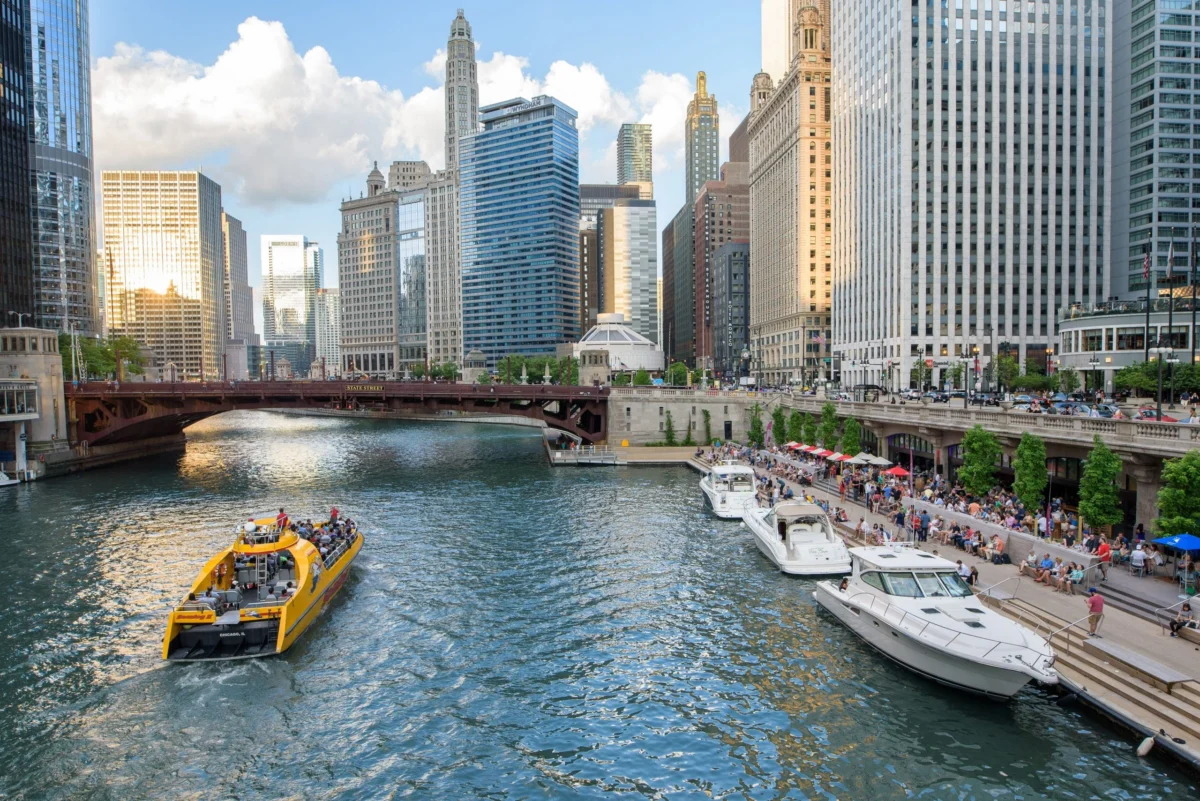
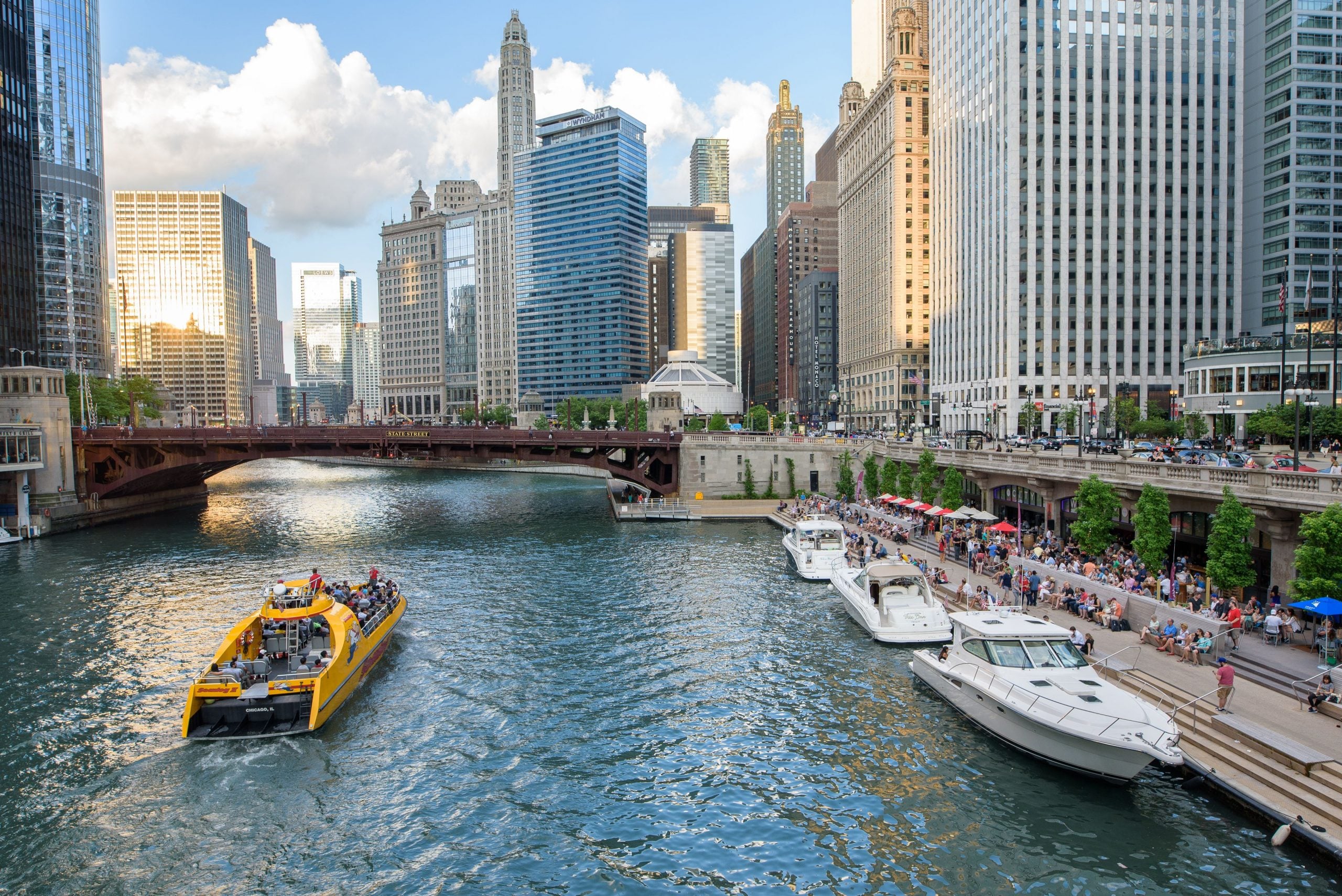
Chicago, often referred to as the "Windy City," offers a sophisticated backdrop for an international medical assembly. As the third-largest city in the United States, it provides an infrastructure that supports large-scale professional gatherings while offering an array of cultural experiences. According to recent rankings by Condé Nast Traveler, Chicago has been voted the best big city in the U.S. for several consecutive years, a testament to its blend of Midwestern hospitality and metropolitan innovation.
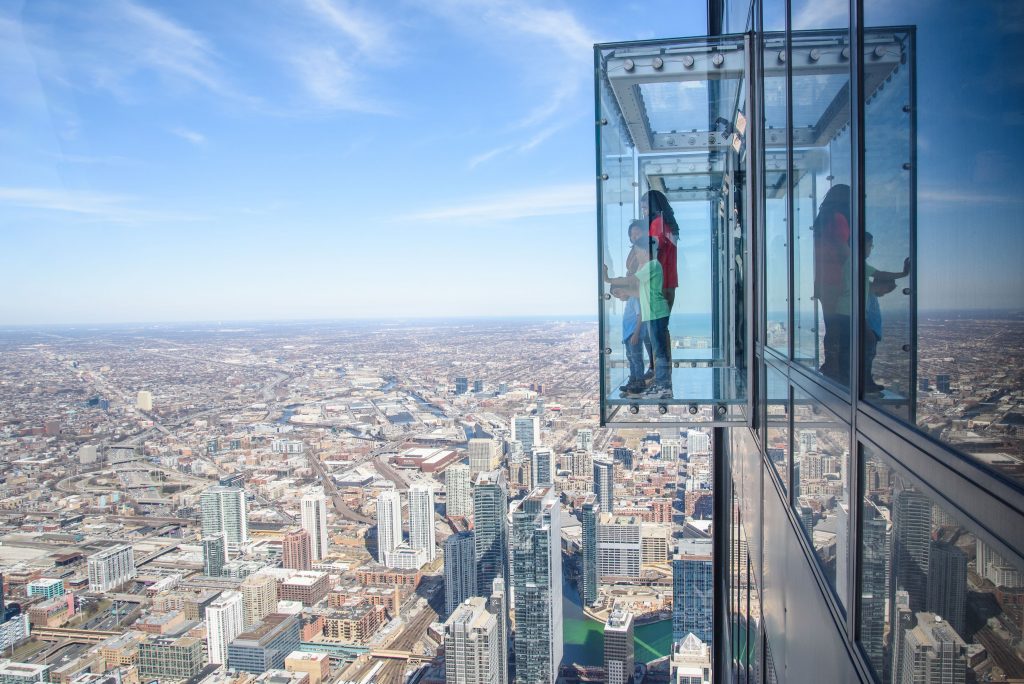
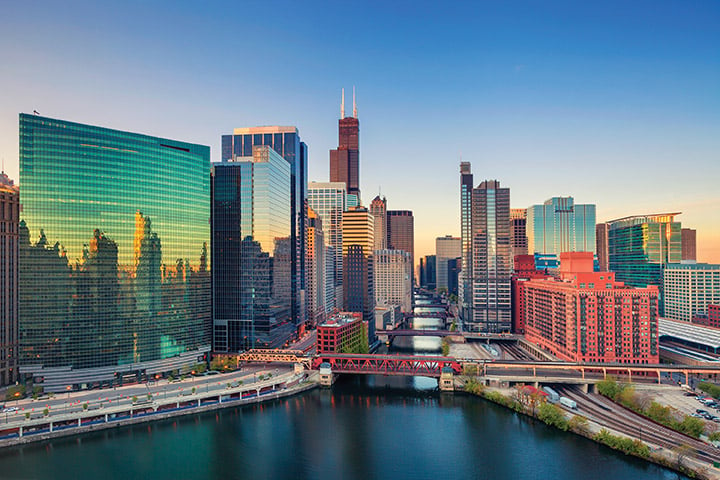
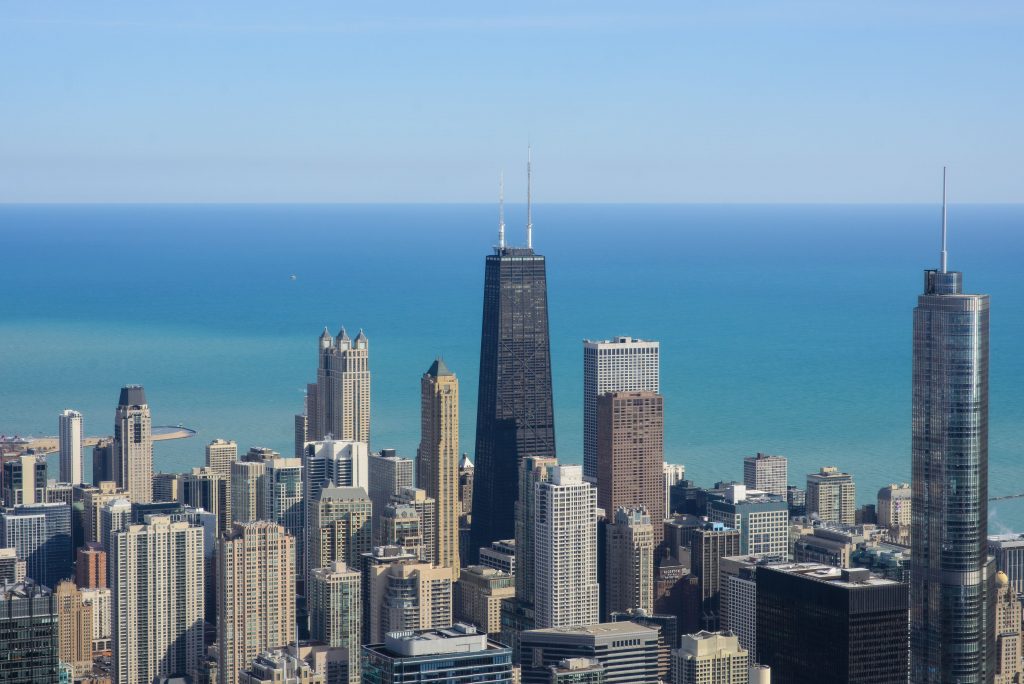
The city’s architectural heritage is a primary draw for delegates. From the neo-Gothic Tribune Tower to the modernist Willis Tower—formerly the Sears Tower—the skyline serves as a living museum of design. The Willis Tower remains the highest point in Chicago and the third-tallest building in the Western Hemisphere. Conference attendees seeking a perspective of the city from 1,353 feet in the air can visit the Skydeck on the 103rd floor. For those inclined toward high-altitude thrills, "The Ledge" offers glass balconies extending four feet outside the building’s perimeter, providing an unobstructed view of the urban landscape below.
Cultural and Culinary Landscapes for Attendees
The delegate experience at ENDO 2026 extends beyond the convention hall into Chicago’s 77 distinct neighborhoods. Each district offers a unique cultural narrative, from the vibrant street art and murals of the Pilsen neighborhood to the historic jazz clubs of Uptown. Pilsen is notably home to the National Museum of Mexican Art, which houses one of the country’s most significant collections of Mexican cultural artifacts. In West Town, the Intuit: The Center for Intuitive and Outsider Art offers a specialized look at artists who operate outside the mainstream, including a dedicated replica of the home of famed Chicago artist Henry Darger.
Culinary exploration is a quintessential part of the Chicago experience. The city is globally recognized for its contributions to American food culture, most notably the deep-dish pizza and the Chicago-style hot dog. Institutions such as Lou Malnati’s, Giordano’s, and Pequod’s remain the standard-bearers for deep-dish pizza, characterized by its thick, buttery crust and layered assembly. The Chicago-style hot dog, a product of the city’s immigrant history, is traditionally served on a poppy seed bun with yellow mustard, neon green relish, chopped onions, tomato wedges, a pickle spear, sport peppers, and a dash of celery salt. The Vienna Beef Factory, which traces its roots back to the 1893 World’s Fair, continues to supply the city with its signature franks.
Family Integration and Post-Conference Activities
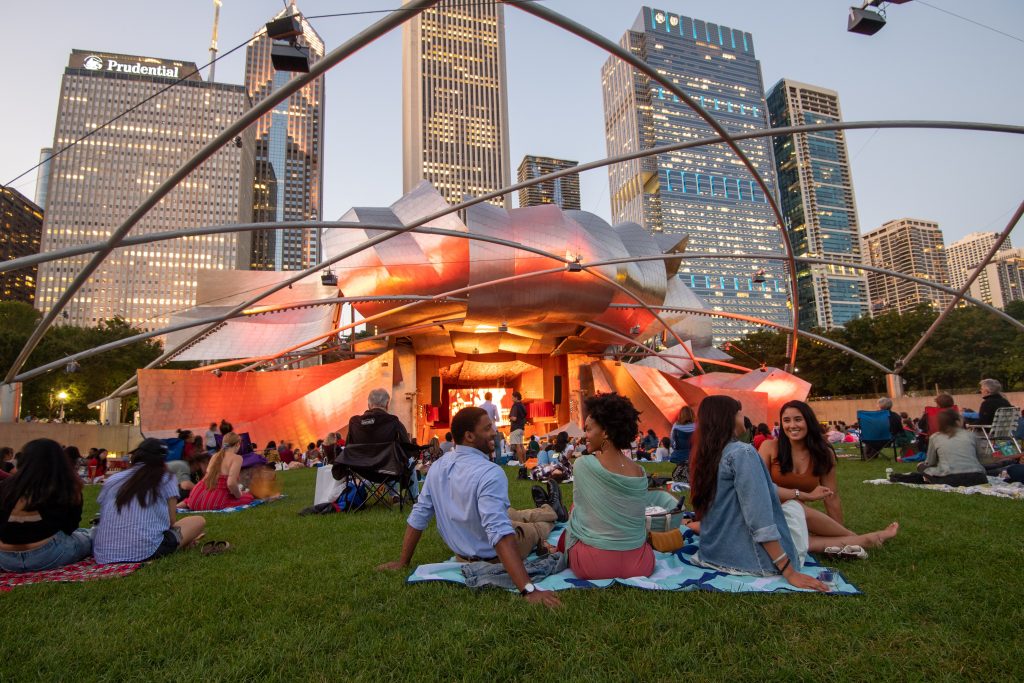
Recognizing that many attendees travel with families, ENDO 2026 offers an environment conducive to multi-generational travel. Millennium Park serves as a central point of interest, featuring "Cloud Gate," the stainless-steel sculpture by Anish Kapoor popularly known as "The Bean." Adjacent to this is the Lurie Garden, a five-acre "secret garden" that provides a tranquil escape from the urban bustle.
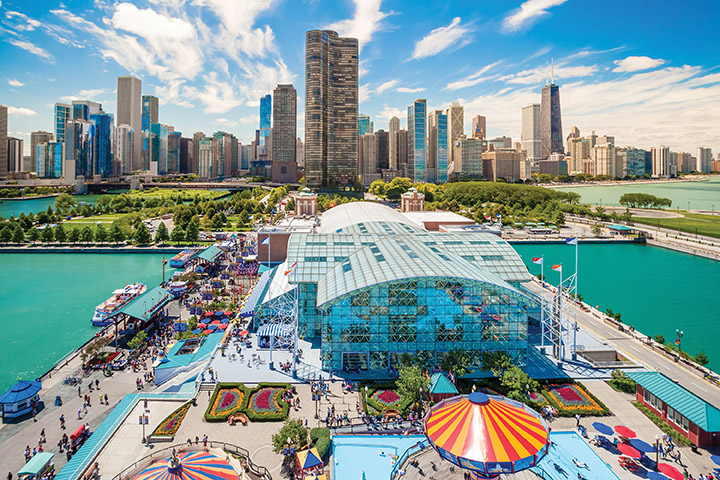
For families with children, Maggie Daley Park offers specialized play gardens inspired by classic literature, as well as rock-climbing walls and miniature golf. Navy Pier, a historic landmark on Lake Michigan, remains a premier destination for its Centennial Wheel, which rises nearly 200 feet above the water. The pier also houses the Chicago Children’s Museum and the Chicago Shakespeare Theater, ensuring a mix of educational and entertainment options.
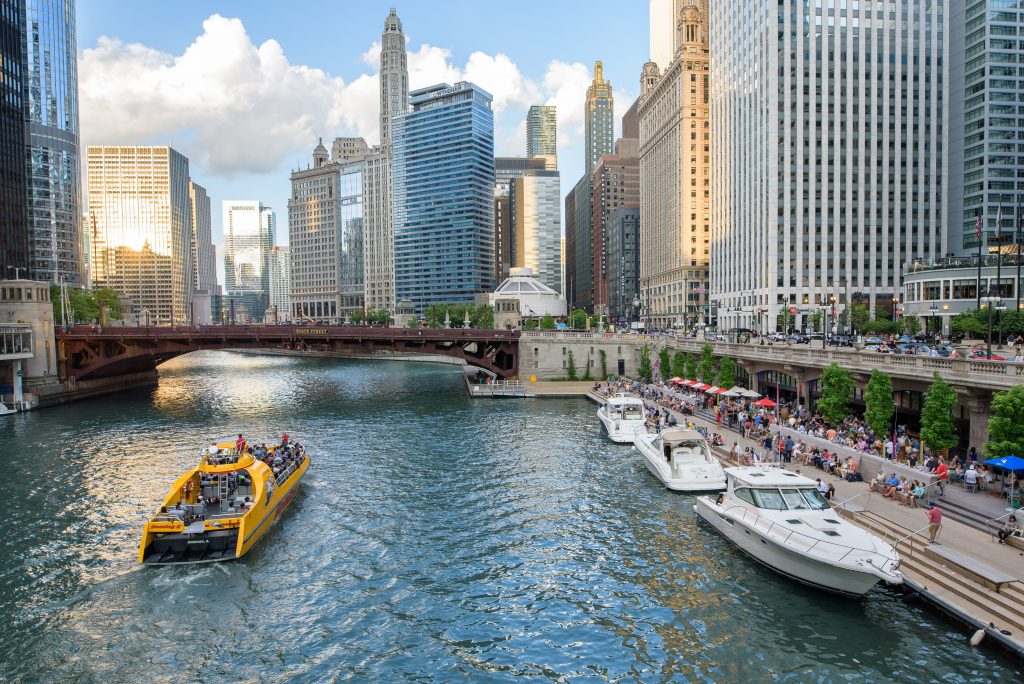
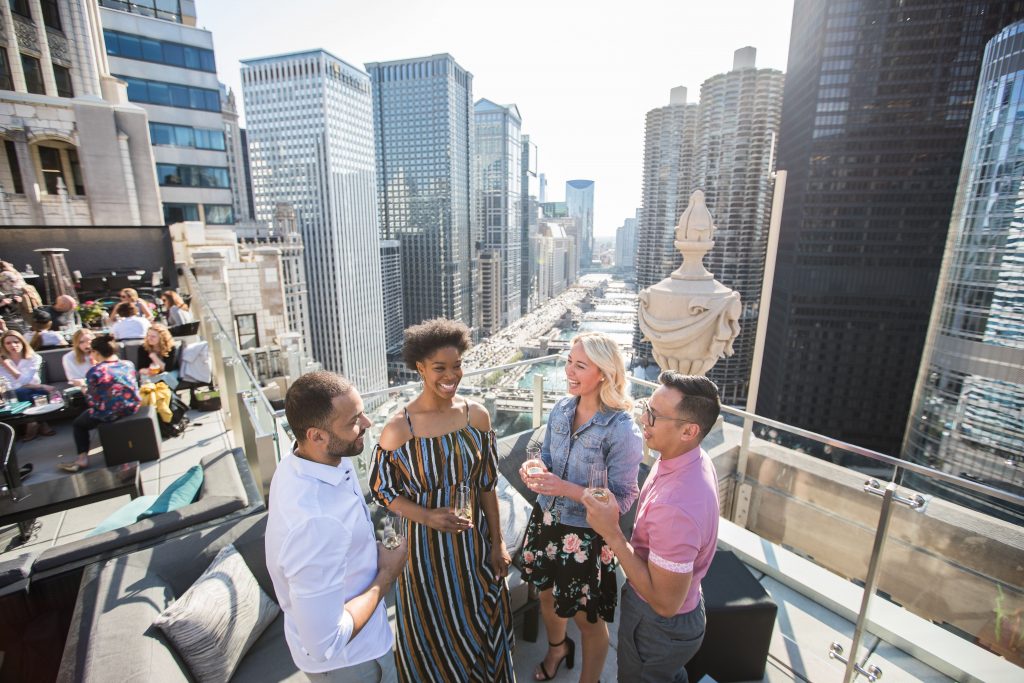
Professional delegates traveling with significant others can take advantage of the city’s romantic and social venues. Sunset cruises on the Chicago River provide an architectural narrative of the city as the skyline transitions into the evening. For entertainment, the Second City comedy theatre remains a vital institution for improvisational performance, having launched the careers of numerous internationally recognized comedians. Music enthusiasts are encouraged to visit Buddy Guy’s Legends or the Green Mill Cocktail Lounge, the latter of which was a known haunt of Al Capone and remains a cornerstone of the city’s jazz and blues heritage.
Broader Impact and Industry Implications
The convening of ENDO 2026 in Chicago is more than a professional gathering; it is a catalyst for economic and scientific progress. For the city, the influx of thousands of high-spending delegates provides a significant boost to the hospitality and tourism sectors. For the global medical community, the consensus reached during these sessions often dictates the trajectory of endocrine care for the following year.
The conference arrives at a time when endocrine health is increasingly at the center of global health debates. With the rising prevalence of metabolic syndrome and the ongoing research into the long-term effects of hormonal therapies, the data presented at ENDO 2026 will likely influence public health policy and insurance coverage standards. The Endocrine Society’s commitment to diversity, equity, and inclusion is also expected to be a major theme, with sessions dedicated to addressing disparities in healthcare access and outcomes for endocrine patients in underserved populations.
As registration opens, the Endocrine Society encourages early enrollment to secure access to limited-capacity workshops and preferred housing. With its combination of high-level scientific exchange and the rich cultural tapestry of Chicago, ENDO 2026 is positioned to be a landmark event in the field of clinical endocrinology and hormone research.
