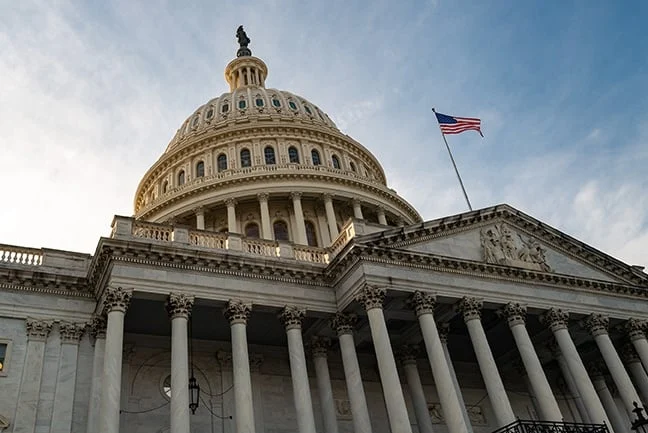
The Endocrine Society, the world’s oldest and largest organization of scientists and clinicians dedicated to hormone research and the clinical care of patients with endocrine conditions, has issued an urgent appeal to the United States Congress to address two pivotal pieces of legislation before the conclusion of the current legislative session. The Society is calling for the immediate reauthorization of the Special Diabetes Program (SDP) and the passage of the Improving Needed Safeguards for Users of Lifesaving Insulin Now (INSULIN) Act. These measures are viewed by medical professionals as essential components in the national strategy to combat the rising prevalence of diabetes, ensure the continuity of groundbreaking research, and alleviate the financial burden on millions of Americans who rely on insulin for survival.
As the December 31 expiration date for the Special Diabetes Program approaches, the Endocrine Society warns that a failure to act would result in a catastrophic halt to critical research and public health initiatives. Simultaneously, the organization is championing the INSULIN Act as a necessary expansion of existing price protections, aiming to bring the $35 monthly co-pay cap to the private insurance market and provide a safety net for the uninsured. Through a coordinated advocacy campaign, the Society is mobilizing its thousands of members to contact their representatives, emphasizing that the window for legislative action is closing rapidly.
The Special Diabetes Program: A Pillar of Innovation and Equity
The Special Diabetes Program (SDP) consists of two distinct but equally vital components: the Special Statutory Funding Program for Type 1 Diabetes Research, administered by the National Institutes of Diabetes and Digestive and Kidney Diseases (NIDDK), and the Special Diabetes Program for Indians (SDPI), managed by the Indian Health Service (IHS). Since its inception in 1997, the SDP has enjoyed broad bipartisan support, reflecting a national consensus on the importance of tackling a disease that affects over 37 million Americans.

The NIDDK component of the SDP is responsible for some of the most significant advancements in type 1 diabetes (T1D) management over the last quarter-century. Funding from this program has been instrumental in the development of Continuous Glucose Monitors (CGMs) and artificial pancreas systems, technologies that have revolutionized the way patients manage their blood sugar levels. Furthermore, the SDP supports the TrialNet international network, which conducts clinical trials aimed at preventing or delaying the onset of T1D in at-risk individuals. Medical researchers argue that a lapse in funding would not only stall these ongoing trials but could also result in the loss of highly specialized research personnel and infrastructure that would take years to rebuild.
The second arm of the program, the SDPI, addresses the disproportionate impact of diabetes on American Indian and Alaska Native communities. Statistics from the Centers for Disease Control and Prevention (CDC) indicate that these populations have the highest prevalence of diagnosed diabetes among all U.S. racial and ethnic groups. The SDPI provides funding for over 300 community-based programs focused on diabetes prevention and treatment. These programs have demonstrated remarkable success; according to IHS data, the incidence of end-stage renal disease—a common and costly complication of diabetes—decreased by 54% among American Indian and Alaska Native adults between 1996 and 2013, a success largely attributed to the comprehensive care funded by the SDPI.
The INSULIN Act: Addressing the Affordability Crisis
While the SDP focuses on research and prevention, the INSULIN Act seeks to address the immediate economic crisis facing patients at the pharmacy counter. Despite the introduction of the Inflation Reduction Act (IRA), which successfully capped insulin co-pays at $35 per month for seniors on Medicare, a significant portion of the population remains unprotected. The INSULIN Act, a bipartisan effort led by Senators Jeanne Shaheen (D-NH) and Susan Collins (R-ME), aims to bridge this gap.
The proposed legislation would extend the $35 monthly cap to the commercial insurance market, ensuring that younger patients and working families are not forced to ration their medication due to high costs. Rationing insulin is a dangerous practice that can lead to diabetic ketoacidosis (DKA), permanent organ damage, and death. Beyond the private market, the INSULIN Act also includes provisions to assist the uninsured, a demographic that often faces the full list price of insulin, which can exceed $300 per vial.
The bill also targets the complex web of pharmacy benefit managers (PBMs) and manufacturers. It seeks to incentivize manufacturers to lower their list prices by prohibiting PBMs from collecting rebates on insulin products that are priced at or below a certain level. By addressing the "rebate trap," proponents of the bill argue that it would lower the overall cost of the drug for the entire healthcare system, rather than just shifting the cost between different stakeholders.
Statistical Landscape: The Growing Burden of Diabetes in America
The urgency of the Endocrine Society’s plea is underscored by the staggering statistics surrounding diabetes in the United States. According to the CDC’s 2022 National Diabetes Statistics Report, approximately 11.3% of the U.S. population has diabetes, with an additional 96 million adults—more than 1 in 3—having prediabetes. The financial implications are equally daunting. The American Diabetes Association (ADA) estimates that the total annual cost of diagnosed diabetes in the U.S. is $327 billion, including $237 billion in direct medical costs and $90 billion in reduced productivity.
The cost of insulin has historically outpaced inflation, creating a barrier to adherence. A study published in the journal Annals of Internal Medicine found that nearly 1.3 million Americans with diabetes rationed their insulin in the past year due to cost. For those with type 1 diabetes, for whom insulin is not an elective medication but a physiological necessity, the lack of affordability is a matter of life and death. The Endocrine Society emphasizes that by failing to pass the INSULIN Act, Congress is allowing a public health crisis to persist despite having a viable legislative solution at hand.
Chronology of Legislative Efforts and Current Status
The path toward these legislative goals has been marked by both progress and significant delays. The SDP has been reauthorized multiple times since 1997, usually in two- or three-year increments. However, in recent years, the program has been subjected to short-term extensions as part of larger "omnibus" spending bills, creating a sense of uncertainty for researchers and tribal health administrators. The current funding is set to expire on December 31, 2023, leaving only a small window for a long-term reauthorization.
The INSULIN Act has seen a similarly protracted timeline. In May 2023, the Senate Health, Education, Labor, and Pensions (HELP) Committee, chaired by Senator Bernie Sanders (I-VT), held a series of hearings and ultimately approved a version of the bill in July with a bipartisan vote. Despite this momentum, the bill has yet to be brought to the floor of the full Senate for a final vote, and the House of Representatives has not yet taken equivalent action. The Endocrine Society’s advocacy efforts are specifically designed to break this legislative logjam by demonstrating widespread constituent support.
Stakeholder Reactions and Official Positions
The Endocrine Society’s stance is echoed by a broad coalition of patient advocacy groups and medical organizations. Organizations such as JDRF (formerly the Juvenile Diabetes Research Foundation) and the American Diabetes Association have consistently lobbied for the permanent or long-term reauthorization of the SDP, arguing that the "start-and-stop" nature of short-term funding hinders scientific progress.
"We cannot afford to let these programs lapse," stated a representative from the advocacy community. "The SDP is the engine behind the next generation of cures. To stop now would be to turn our backs on the millions of children and adults who are waiting for a breakthrough."
On the legislative side, the sponsors of the INSULIN Act have remained vocal. Senator Susan Collins has frequently highlighted the bipartisan nature of the bill, noting that diabetes does not discriminate based on political affiliation. "This is a common-sense solution to an American crisis," Collins remarked during a previous committee hearing. However, some fiscal conservatives in Congress have expressed concerns regarding the impact of price caps on the broader market and the federal deficit, contributing to the delays in the bill’s advancement.
Broader Impact and Implications of Congressional Inaction
The consequences of failing to act on these priorities extend far beyond the immediate medical needs of patients. From an economic perspective, the failure to fund diabetes prevention and ensure medication adherence leads to higher long-term healthcare costs. Emergency room visits for DKA, hospitalizations for amputations, and the costs associated with dialysis for kidney failure are significantly more expensive than the preventative care and affordable insulin supported by these legislative measures.
Furthermore, the expiration of the SDPI would represent a significant setback in the effort to address healthcare disparities in the United States. Tribal leaders have warned that the loss of SDPI funding would force the closure of clinics and the termination of wellness programs that have become a lifeline for indigenous communities. This would likely reverse the gains made in reducing diabetes-related complications among Native Americans, further straining the resources of the Indian Health Service.
In the realm of scientific research, the loss of SDP funding would signal a retreat from the global leadership the U.S. has maintained in metabolic research. Many of the most promising avenues for a T1D cure, including stem cell therapy and immunotherapy, rely on the steady, predictable funding provided by the NIDDK. A lapse in funding would not only delay these potential cures but might also discourage young scientists from entering the field of endocrinology, leading to a long-term shortage of specialists.
Conclusion and Call to Action
The Endocrine Society’s call for action is a reminder of the critical intersection between policy and public health. As the year draws to a close, the Society is urging all U.S. citizens to engage with their elected officials to ensure that diabetes remains at the forefront of the legislative agenda. By visiting the Society’s advocacy portal at endocrine.org/advocacy/take-action, constituents can directly communicate the importance of the SDP and the INSULIN Act to their representatives.
The message from the medical community is clear: the tools to manage the diabetes epidemic and move toward a cure exist, but they require the sustained support of the federal government. For the millions of Americans living with diabetes, the decisions made by Congress in the coming weeks will determine whether they can look forward to a future of affordable care and scientific hope, or whether they will continue to face the daunting challenges of an underfunded and overpriced healthcare landscape.