








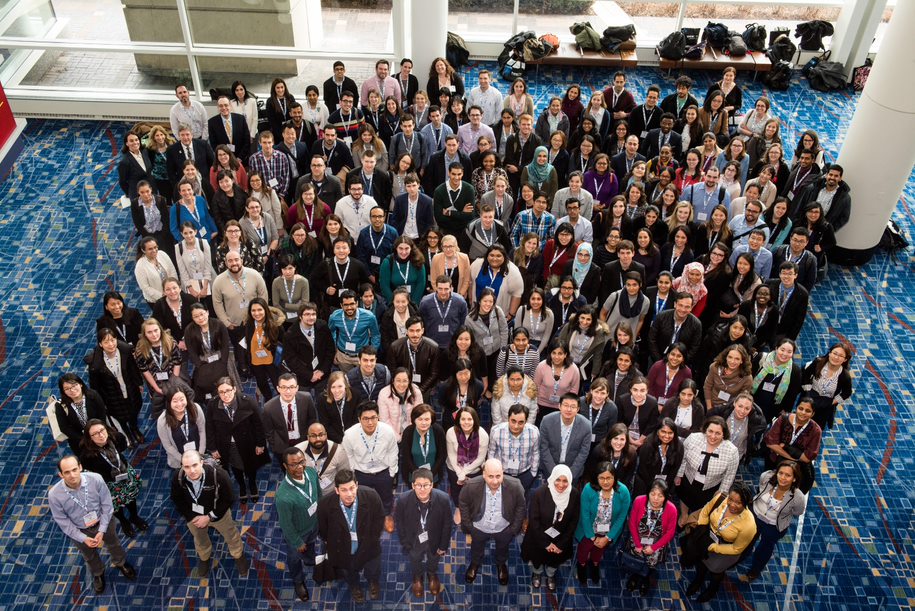
The annual meeting of the Endocrine Society, known globally as ENDO, stands as the premier assembly for clinicians, researchers, and students dedicated to the study of hormones and the clinical practice of endocrinology. As the medical community reflects on the recent proceedings of ENDO 2024 in Boston and looks forward to the upcoming 2026 meeting in Chicago, the event’s role as a catalyst for scientific innovation and professional development has never been more evident. Each year, thousands of delegates from across the globe converge to share groundbreaking research, forge international collaborations, and establish the clinical guidelines that will govern patient care for years to come. Beyond the presentation of data, ENDO serves as a critical junction where the academic, clinical, and industrial sectors of medicine intersect, fostering an environment that many participants describe as a professional home.
The Evolution of a Global Scientific Forum
The historical trajectory of ENDO reflects the broader evolution of medical science over the last three decades. Since the mid-1990s, the conference has expanded from a specialized gathering into a massive international summit. For many leaders in the field, their first experience at the meeting served as a career-defining moment. Dr. John Newell-Price, who served as the Endocrine Society President for the 2024-2025 term, recalls his first oral presentation at ENDO 1995 as a junior fellow. At that time, the sheer scale of the meeting—featuring massive poster sessions and high-level plenaries—cemented its status as the essential venue for endocrine science.
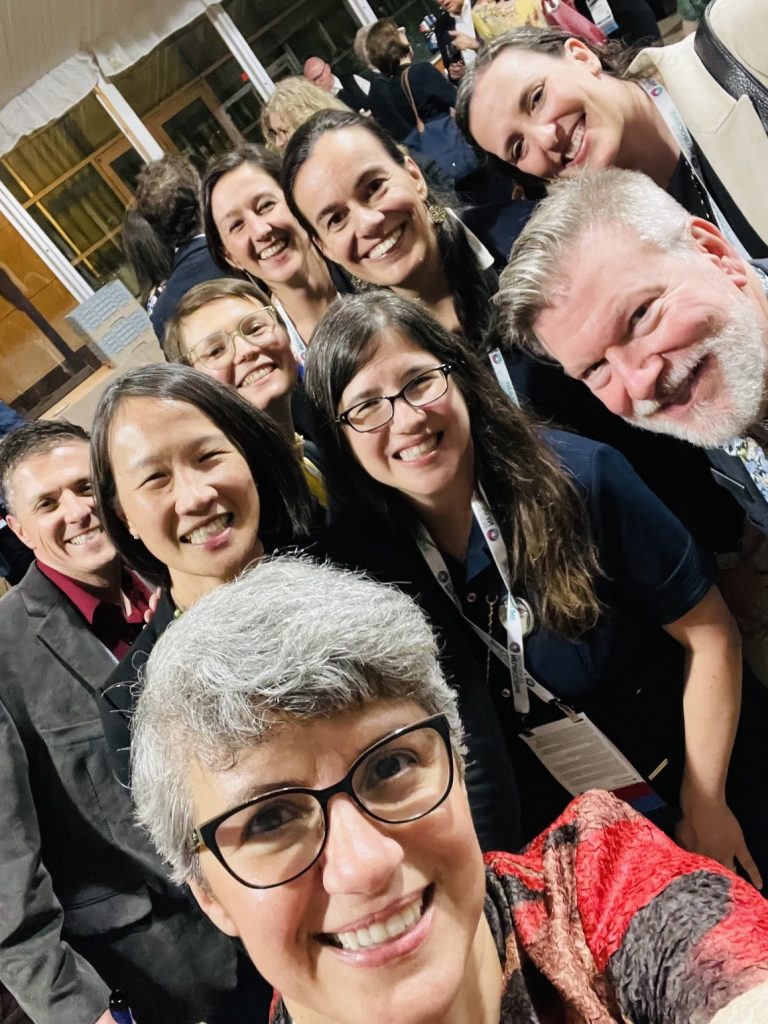
The meeting has also served as the site for significant personal and professional pivots. Dr. Joy Wu, now the Gerald M. Reaven Professor of Endocrinology and Chief of the Division of Endocrinology at Stanford University, traces her decision to enter the specialty to the 1998 meeting in New Orleans. Then an MD/PhD student, Wu was inspired by the seamless interaction between basic scientists and clinical investigators. This cross-pollination of ideas remains a hallmark of the ENDO experience, ensuring that laboratory discoveries are efficiently translated into clinical applications.
A Timeline of Institutional Impact and Global Reach
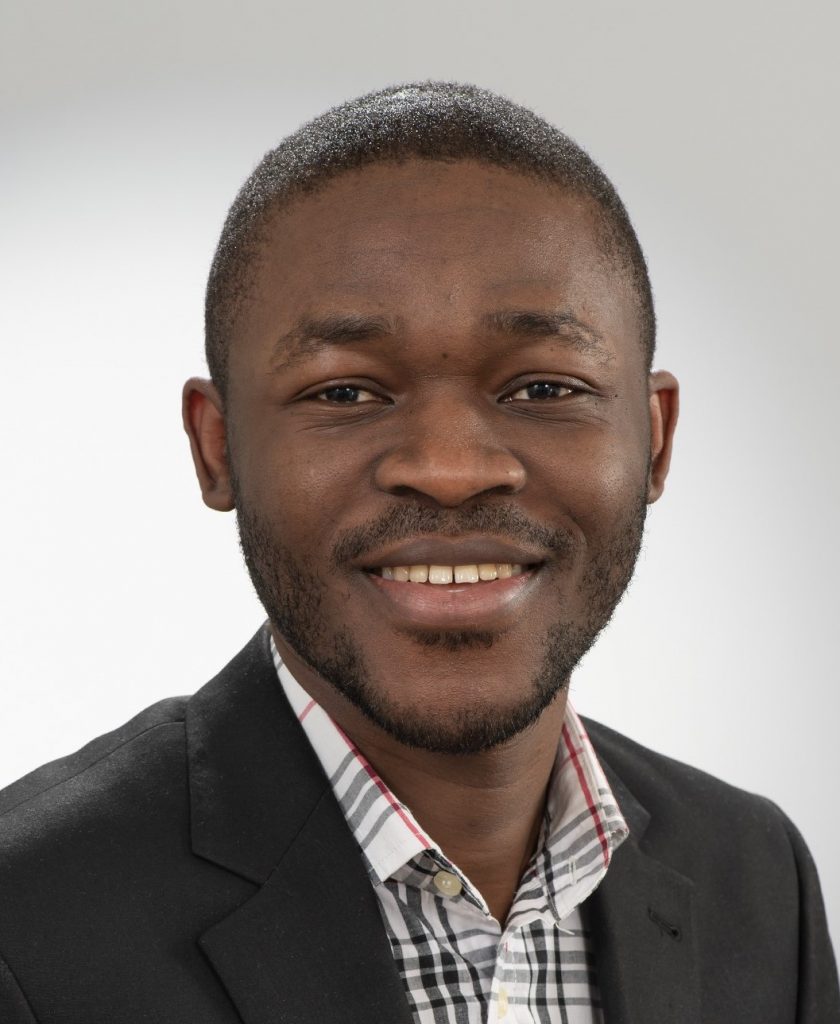
The chronology of ENDO is marked by specific milestones that illustrate the shifting landscape of global health. In 2007, the meeting was held in Toronto, Canada—the only time in the last two decades it has occurred outside the United States until the scheduled return to Toronto in 2027. This 2007 session was particularly significant for international scholars, such as Dr. Shehzad Topiwala, who received the Endocrine Scholars Award for his work on hypogonadism in Type 2 diabetes. For many international medical graduates, the recognition provided by the Endocrine Society at these meetings acts as a bridge to advanced research opportunities in North America and Europe.
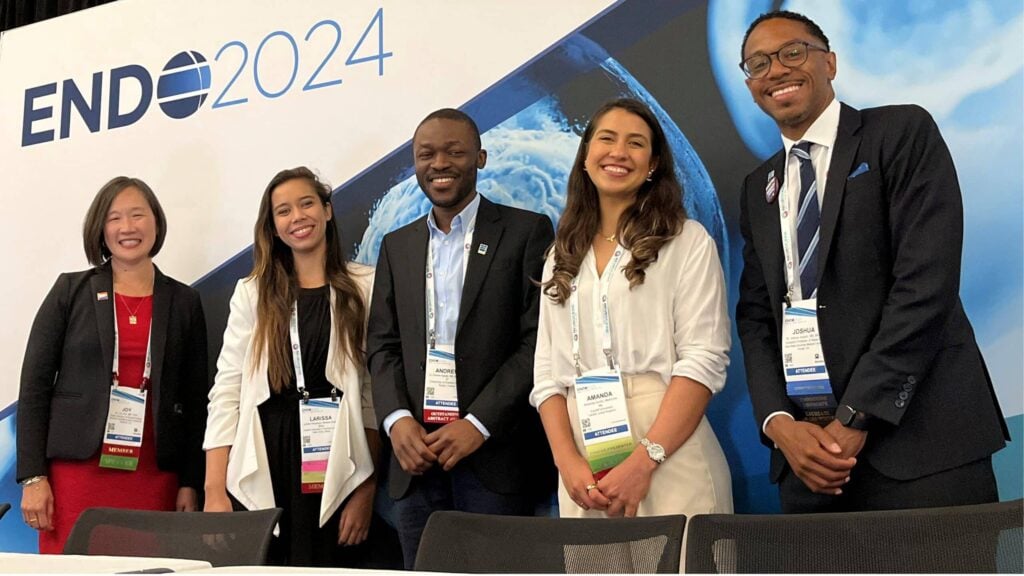
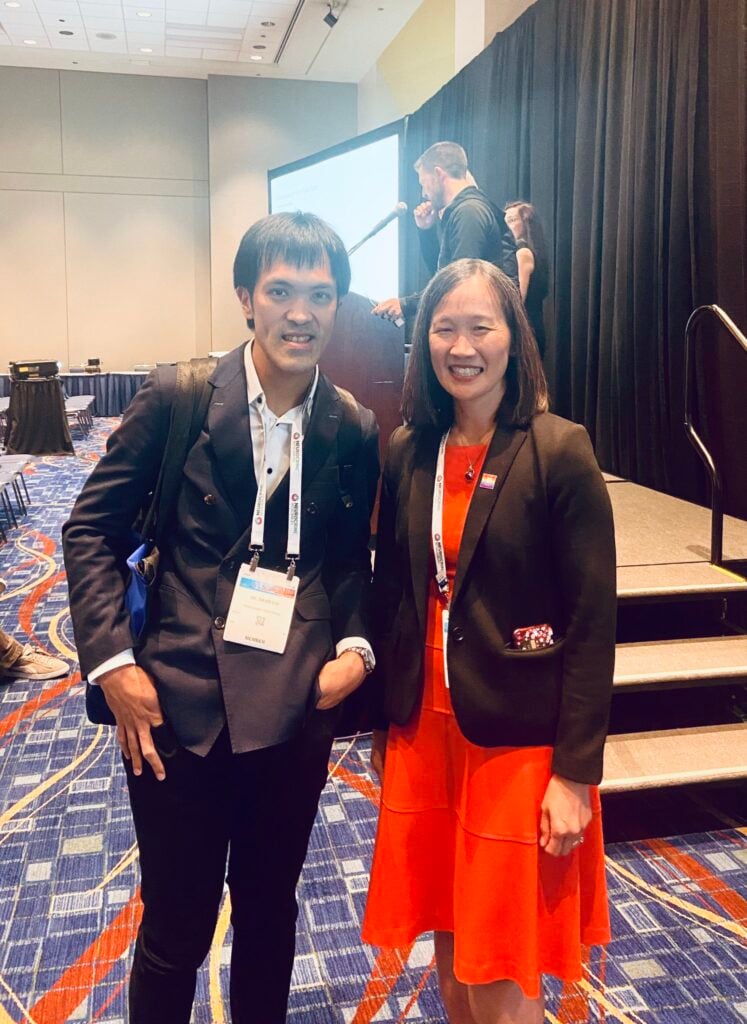
In recent years, the conference has adapted to unprecedented global challenges. The COVID-19 pandemic necessitated a shift to virtual platforms for several years, a period many attendees describe as "blurry" but necessary. The return to in-person meetings, starting with ENDO 2023 in Chicago and ENDO 2024 in Boston, was met with a surge in attendance, underscoring the value of face-to-face networking that video conferencing cannot replicate. Dr. Lauren Fishbein of the University of Colorado notes that the "hallway chats" at ENDO are often where the most significant research ideas—including those that lead to National Institutes of Health (NIH) R01 grants—are first conceived and vetted by peers.
Driving Scientific Dissemination and Public Health Awareness
One of the primary functions of ENDO is to serve as a platform for disseminating high-impact research to the broader public. The conference’s media relations program allows investigators to present their findings to major news outlets, ensuring that scientific progress is communicated accurately to the general population. At ENDO 2024, Dr. Andrew Agbaje of the University of Eastern Finland presented a landmark study demonstrating that sedentary behavior from childhood is an independent risk factor for liver steatosis and fibrosis in young adulthood.
The subsequent media coverage from outlets like the New York Times amplified the study’s reach, highlighting the public health implications of childhood inactivity. Such exposure not only benefits the individual researcher’s career but also informs policy discussions regarding pediatric health and preventative medicine. Furthermore, the networking facilitated by these presentations often leads to the formation of international task forces and committees within the Endocrine Society, which are responsible for drafting clinical practice guidelines used by physicians worldwide.
Diversity, Equity, and Inclusion as a Professional Pillar
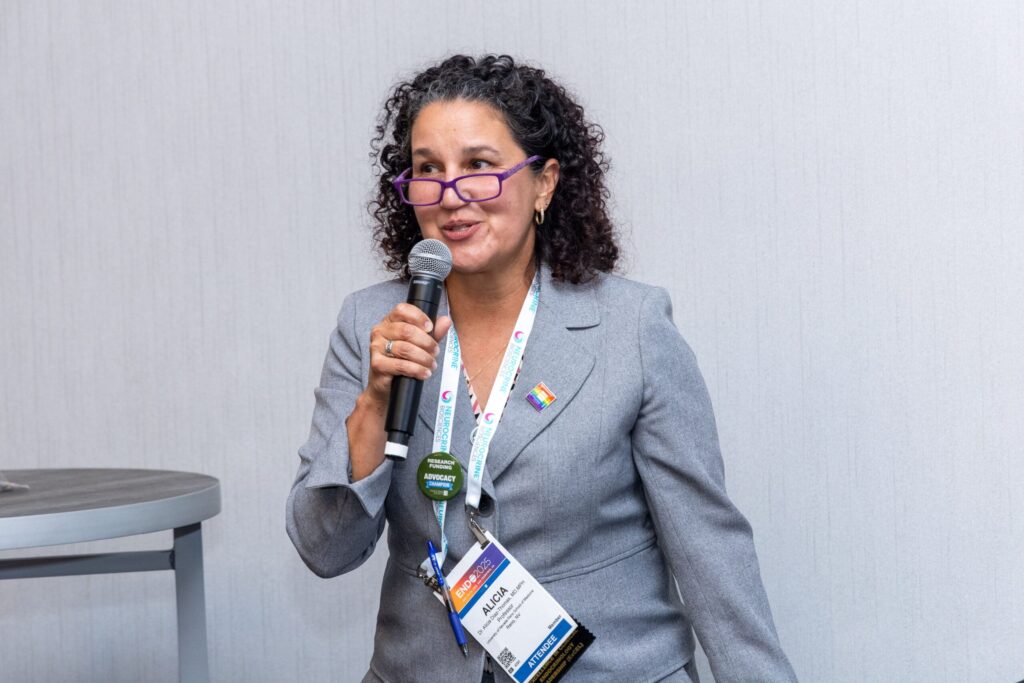
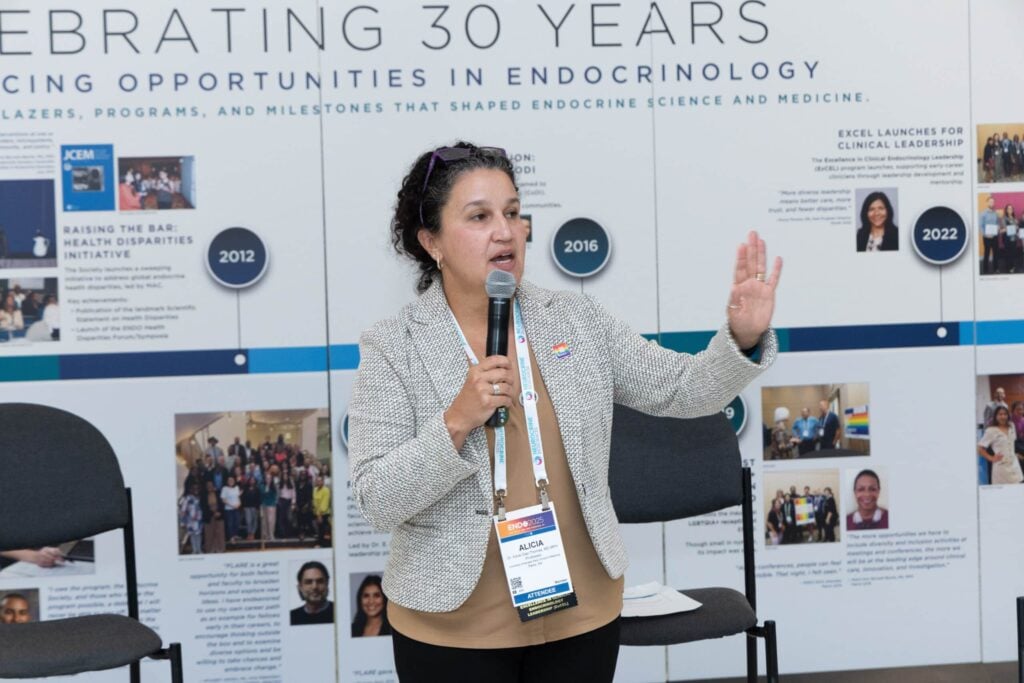
The Endocrine Society has placed a significant emphasis on fostering a diverse and inclusive professional community, a commitment that was celebrated during the 30th anniversary of the Committee on Diversity and Inclusion (CODI) at the 2024 meeting. This institutional focus has had a tangible impact on the careers of underrepresented minorities in medicine. Dr. Alicia Diaz Thomas, a senior associate dean at the University of Nevada, Reno School of Medicine, describes the Minority Mentoring Reception as a transformative space where junior faculty can engage directly with senior leaders who offer genuine encouragement and career guidance.
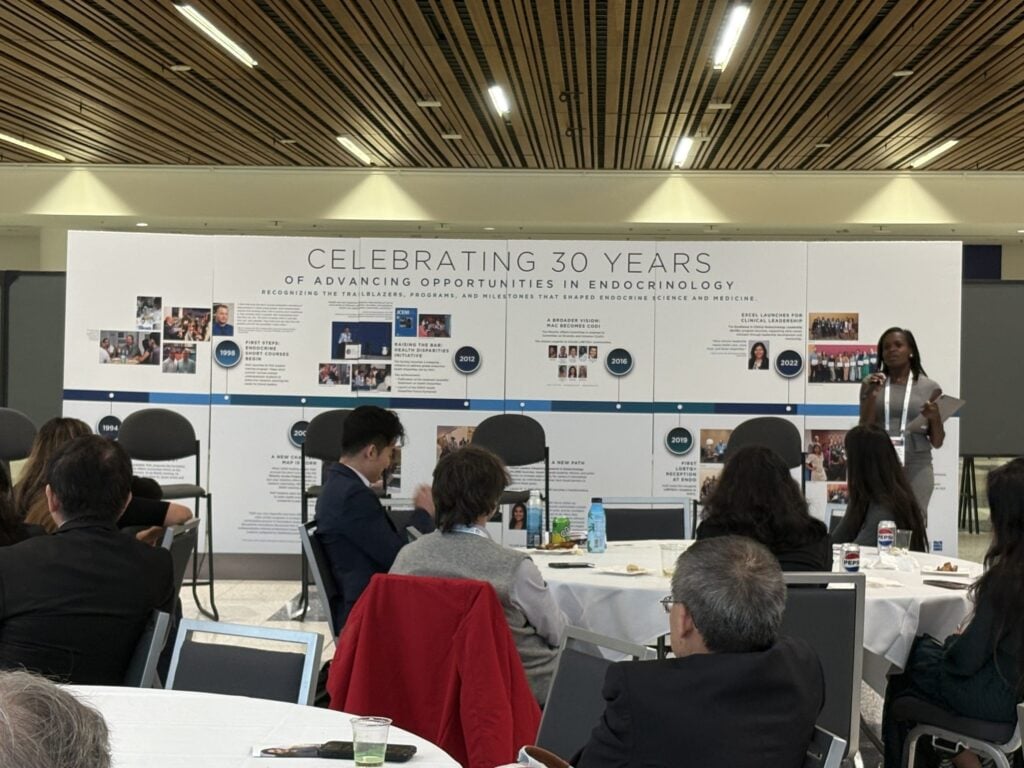
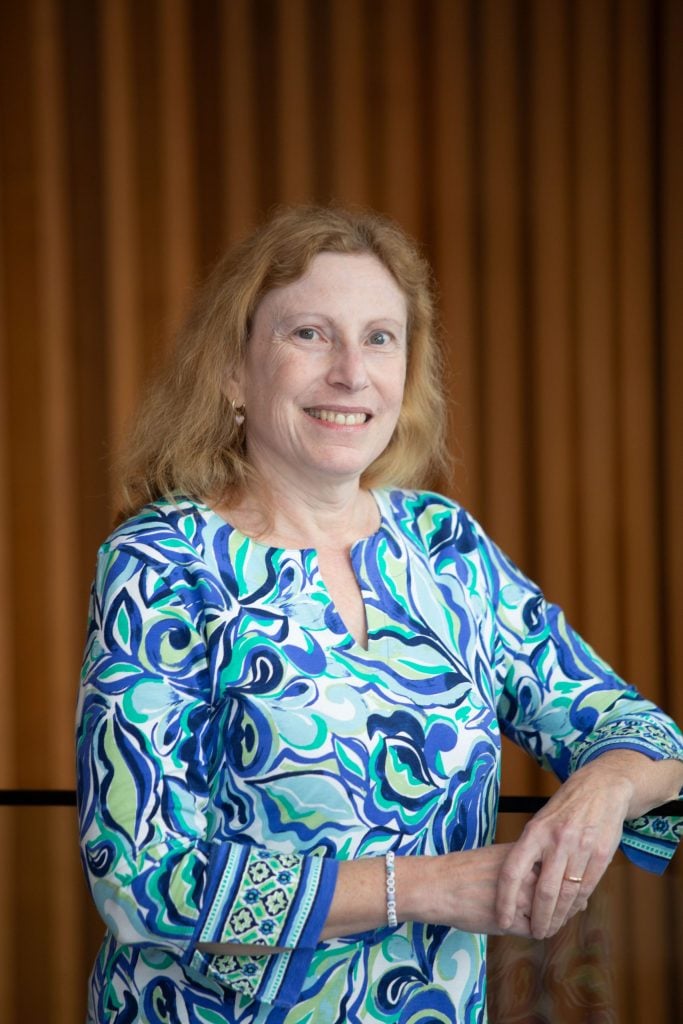
The CODI anniversary celebration served as a reminder that intentional spaces for mentorship are crucial for the long-term health of the medical field. Dr. Estelle Everett of the David Geffen School of Medicine at UCLA noted that these events do more than just celebrate history; they create the "mentorship pipelines" that ensure the next generation of endocrinologists reflects the diversity of the patients they serve. This commitment to equity is viewed by many as a core component of the Society’s mission, moving beyond scientific data to address the systemic factors that influence medical careers and patient outcomes.
Clinical Efficiency and the Evolution of Practice
While much of ENDO is dedicated to high-level research, a substantial portion of the programming focuses on the practicalities of clinical medicine. Professional development sessions at the meeting often address the nuances of patient care and practice management. Dr. Michael Morkos, co-director of the IUH Thyroid and Parathyroid Center, points to a specific session where a senior endocrinologist’s advice on clinical efficiency fundamentally reshaped his approach to patient visits. By learning to focus on the patient’s immediate needs rather than adhering to rigid time-filling habits, clinicians can improve both patient satisfaction and their own professional productivity.
The "Meet the Professor" sessions are another critical component of the meeting, offering attendees the chance to discuss complex cases with world-renowned experts. These interactions provide clinicians with practical tools to manage difficult conditions, such as bone health in cancer survivors or the management of rare adrenal disorders. The knowledge gained in these sessions is often taken back to local clinics, directly influencing the quality of care provided to thousands of patients.
Supporting Data and Economic Significance
The scale of ENDO is reflected in its logistical and economic footprint. While specific attendance varies by host city, the meeting typically draws between 7,000 and 9,000 registrants. This influx of medical professionals provides a significant economic boost to host cities like Chicago, Boston, and San Francisco. According to industry data for large-scale medical conventions, such events can generate upwards of $15 million to $25 million in local economic impact through hotel stays, dining, and transportation.
From a scientific perspective, the volume of data presented is staggering. A typical ENDO meeting includes:
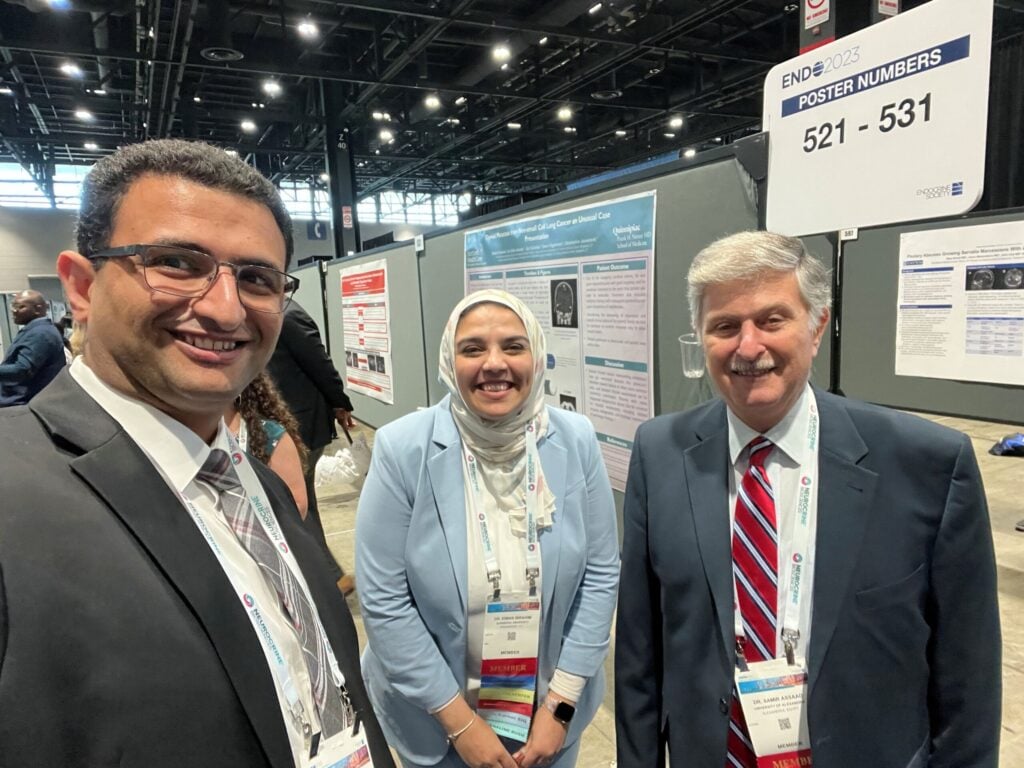
- Over 2,000 scientific abstracts and poster presentations.
- More than 100 guided poster tours.
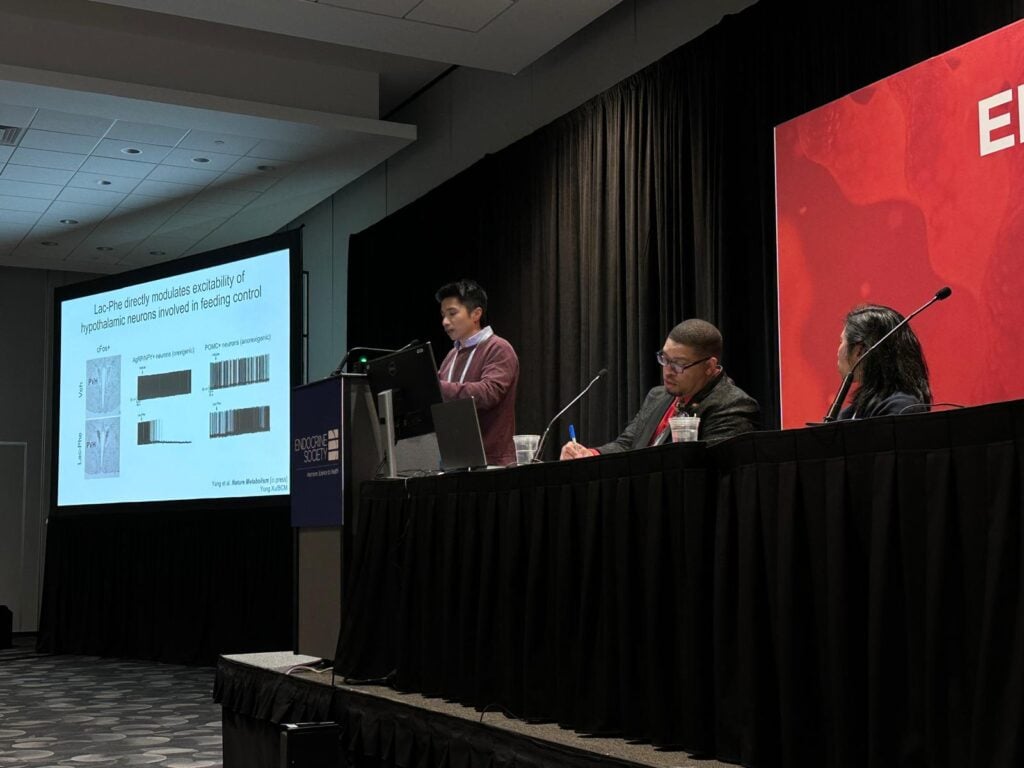
- Dozens of oral communication sessions featuring late-breaking research.
- A robust exhibition floor featuring the latest pharmaceutical and diagnostic technologies.
This concentration of data and technology makes ENDO the primary marketplace for endocrine-related medical advancements, where new drug therapies and diagnostic tools are often debuted to the global medical community.
Broader Impact and Future Implications
As the Endocrine Society prepares for ENDO 2025 in San Francisco and ENDO 2026 in Chicago, the implications of these annual gatherings extend far beyond the convention center walls. The collaborations formed during these four-day events often result in multi-center clinical trials and international research consortia that tackle some of the most pressing health issues of the 21st century, including the global diabetes epidemic, obesity, and the health effects of endocrine-disrupting chemicals.
The sense of "collegiality and family" described by past-president John Newell-Price remains the intangible but essential element that sustains the society. As medicine becomes increasingly specialized and digital, the need for a central, physical hub where the international community can "charge their collective batteries" remains paramount. The legacy of ENDO is found not just in the published papers and clinical guidelines it produces, but in the lifelong professional bonds it facilitates, ensuring that the field of endocrinology remains a vibrant and innovative discipline for generations to come. With the return to Toronto scheduled for 2027, the Society continues to signal its commitment to a globalized approach to hormone research and clinical excellence.