

Billed as a pioneering product in the burgeoning wellness sector, a new dietary supplement derived from a key component of the traditional Amazonian brew ayahuasca has officially entered the market. The product, named Happy Caapi, is formulated from a botanical constituent of ayahuasca, a psychoactive plant preparation traditionally used in shamanistic ceremonies, but without its psychedelic properties. The formal launch took place at Biohackers World NYC, a prominent event dedicated to advancements in human performance optimization and biohacking, held in late June.
Biohackers World NYC serves as a nexus for innovators, practitioners, and enthusiasts within the biohacking community. The event typically showcases cutting-edge technologies, novel supplement formulations, and emerging wellness trends. The presence of Happy Caapi at such a venue signifies the company’s strategic positioning within a demographic actively seeking novel solutions for cognitive enhancement and stress management. The timing of the launch, following a period of increased public awareness around ayahuasca, further contextualizes its market debut.
Ayahuasca’s profile in the United States has seen a significant rise in recent years, fueled by a confluence of factors. Influencer discourse on social media platforms has amplified its visibility, while popular culture references, including a widely publicized documentary featuring NFL quarterback Aaron Rodgers’s personal journey with the brew in the Amazon, have brought it into mainstream conversation. This heightened awareness, however, often centers on the potent, traditional use of ayahuasca, which is characterized by its intense emetic effects—inducing vomiting—and profound, often challenging, hallucinogenic experiences. The typical perception of ayahuasca for the uninitiated is that of a potent, disorienting brew integral to ancient Amazonian spiritual practices, native to regions where its constituent plants originate.
This traditional perception presents a significant hurdle for a product aiming for broad consumer accessibility. However, Jose Gonzalo, co-founder of Happy Caapi, asserts that the company has successfully navigated this challenge by isolating and utilizing only the non-psychoactive botanical components of the ayahuasca preparation. This approach, he believes, allows for the delivery of tangible cognitive benefits while circumventing the aspects of the full concoction that render it unsuitable for widespread commercial distribution and regulatory approval as a dietary supplement.
Gonzalo, a proponent of the transformative experiences derived from traditional ayahuasca ceremonies, recognized the inherent legal and market limitations posed by N,N-dimethyltryptamine (DMT), the primary psychedelic compound present in the full ayahuasca brew. DMT is sourced from the leaves of the Psychotria viridis shrub, a member of the coffee family indigenous to the Amazonian rainforest. The presence of DMT in a supplement would immediately disqualify it from mainstream markets due to its classification as a controlled substance in many jurisdictions.
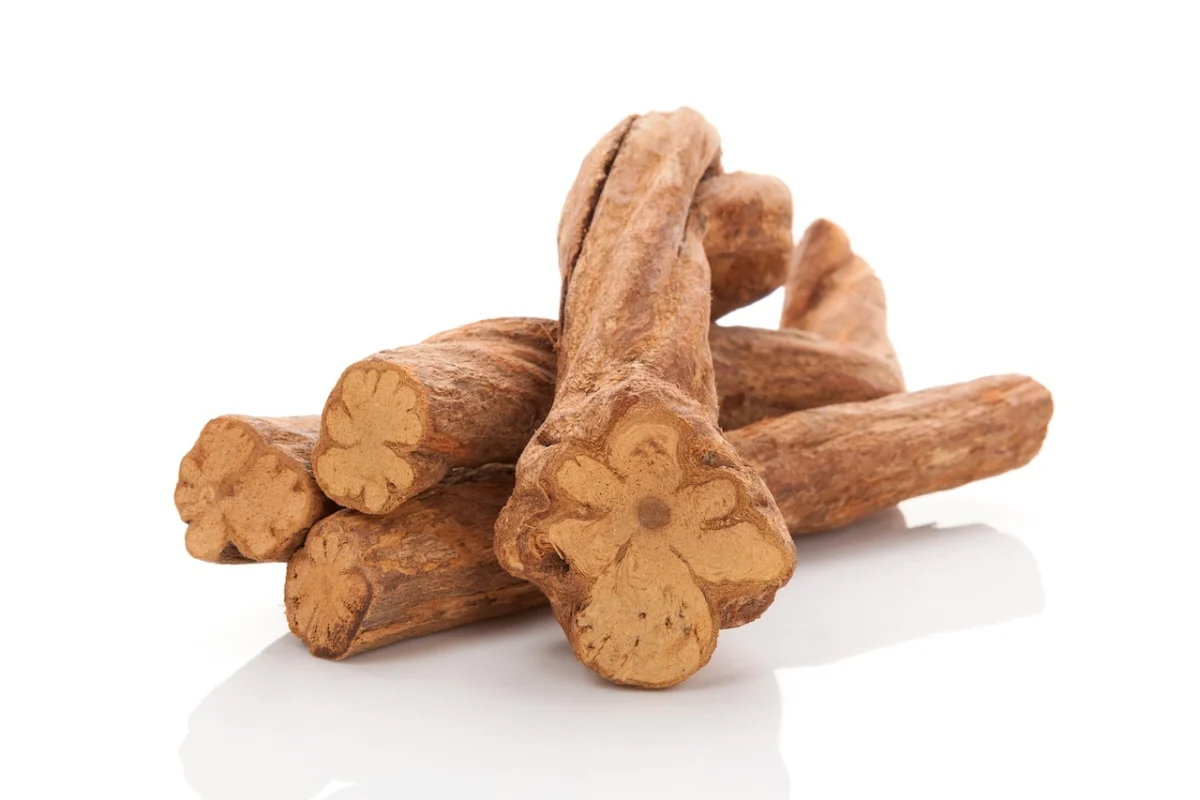
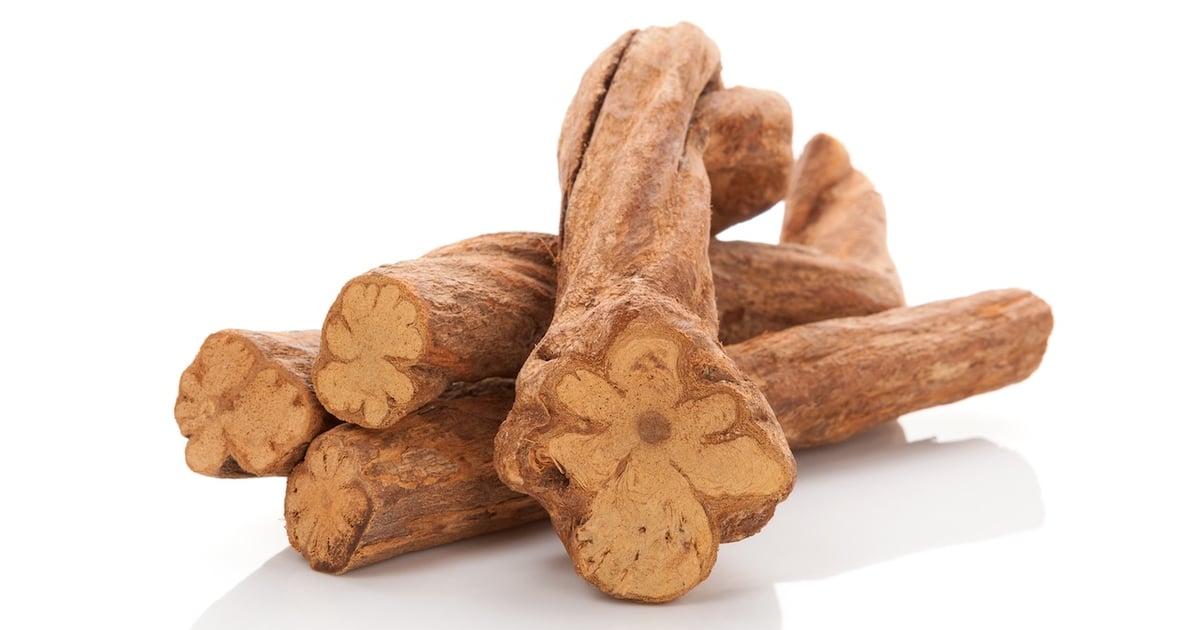
The innovative strategy of Happy Caapi lies in its focus on the Banisteriopsis caapi vine, the other principal botanical in ayahuasca. This vine possesses a unique biochemical profile that is central to the efficacy of the traditional brew, but also offers standalone benefits. Banisteriopsis caapi is a potent source of monoamine oxidase-A (MAO-A) inhibitors. MAO-A is an enzyme responsible for breaking down key neurotransmitters, including serotonin, dopamine, and norepinephrine, which play critical roles in mood regulation, focus, and overall cognitive function. In the context of traditional ayahuasca, the MAO-A inhibition by B. caapi is crucial because it prevents the rapid degradation of DMT when ingested orally. This allows the DMT to reach the bloodstream in sufficient quantities and duration to produce its characteristic psychoactive effects. Without the MAO-A inhibitors, ingested DMT would be quickly metabolized by the body and its psychedelic potential largely nullified.
Harnessing the Power of Beta-Carbolines: A New Frontier in Cognitive Support
Gonzalo’s insight was that an extract derived solely from the B. caapi vine could, independently, offer significant mood-altering and cognitive benefits by modulating the activity of MAO-A. The extract focuses on a family of compounds known as beta-carbolines, which include harmine, harmaline, and tetrahydroharmine. These naturally occurring alkaloids are the primary active constituents responsible for the MAO-A inhibitory effects of the B. caapi vine.
"The plant has done so much for me and my family," Gonzalo stated, underscoring the personal motivation behind the product’s development. The Happy Caapi product is presented as a liquid extract sourced directly from the B. caapi vines. The company has explicitly stated that the formulation contains no DMT, ensuring its compliance with dietary supplement regulations. Furthermore, they emphasize that the ratio of beta-carboline constituents in the extract mirrors that found naturally in the B. caapi plant, aiming for a standardized and authentic representation of the botanical’s properties.
Currently, Happy Caapi is available for purchase online in a 10-serving pump bottle, priced at $40, which equates to $8 per 500 mg serving. The company’s marketing highlights the extract’s ability to gently suppress MAO-A activity. This biochemical action, they explain, "gives serotonin more room to operate," thereby potentially enhancing mood and cognitive processes. A key distinction drawn by the company is the reversible nature of this MAO-A inhibition, which they claim dissipates within hours. This contrasts with certain antidepressant medications that aim to boost serotonin levels, which can have prolonged effects and require careful titration under medical supervision. The implication is that Happy Caapi offers a more transient and self-regulated approach to mood and focus enhancement.
Adaptogen and Focus Booster: A Dual-Action Approach
The company positions Happy Caapi as a dual-action supplement, functioning as both an adaptogen and a focus booster. The product’s branding tagline, "Adapt to Life," is accompanied by the equation: "Focus + Adapt = Perform." This encapsulates the intended benefits, suggesting that by enhancing focus and improving the body’s ability to adapt to stressors, individuals can achieve higher levels of performance in their daily lives.
Adaptogens are a class of herbs and mushrooms that are believed to help the body adapt to stress and exert a normalizing effect on bodily processes. They are often associated with increased energy, reduced fatigue, and improved mental clarity. The inclusion of adaptogenic properties in Happy Caapi’s formulation broadens its appeal beyond immediate cognitive enhancement, tapping into the growing consumer interest in holistic wellness and stress resilience.
The sourcing of the B. caapi vines is currently managed through third-party vendors. However, Gonzalo revealed that the company is actively engaged in establishing its own cultivation project in Panama. This initiative is a long-term investment, as B. caapi vines require several years to mature before they are ready for harvest. This strategic move towards vertical integration suggests a commitment to ensuring supply chain integrity, quality control, and potentially, greater sustainability in the future.
"Our mission is to bring nature’s ancestral wisdom to the adapting modern human, with the highest standards of sustainability, quality and cultural respect — and Banisteriopsis caapi is where that mission begins," Gonzalo stated. This declaration highlights a conscious effort to honor the cultural significance of the plant while adapting its traditional uses for contemporary wellness applications.
The cultivation project is being undertaken in collaboration with Chris Kilham, a renowned ethnobotanist and advocate for plant-based medicine, often referred to as "The Medicine Hunter." Kilham’s involvement lends significant credibility to the company’s sourcing and sustainability efforts.
"I’ve admired Banisteriopsis caapi for decades and spent two years researching its sustainability in the Amazon," Kilham commented. "It stands at the top of the pyramid among Amazonian plants in terms of cultural and botanical significance. Happy Caapi has done the hard work of bringing it to market the right way, and that matters to me." Kilham’s endorsement, particularly his emphasis on responsible market entry and cultural respect, addresses potential concerns surrounding the appropriation and commercialization of indigenous plant knowledge.
Market Implications and Future Outlook
The introduction of Happy Caapi into the supplement market represents a notable development in the exploration of plant-derived compounds for cognitive and mood support. By successfully isolating a non-psychedelic yet pharmacologically active component of a traditionally potent botanical, the company is tapping into a growing demand for natural, plant-based solutions. The biohacking community, with its inherent openness to novel compounds and performance optimization strategies, provides a receptive initial market.
The success of Happy Caapi may pave the way for further exploration of other Amazonian botanicals with known therapeutic properties, provided they can be processed and presented in a manner that aligns with regulatory frameworks and consumer safety expectations. The company’s emphasis on scientific rationale, standardization, and sustainable sourcing will be crucial in building trust and long-term viability in a competitive and increasingly scrutinized wellness industry.
The market for cognitive enhancers and adaptogens has seen consistent growth. Data from market research firms indicates a steady upward trend in consumer spending on supplements aimed at improving mental clarity, focus, and stress management. For instance, reports from Grand View Research project the global cognitive enhancers market to reach substantial figures in the coming years, driven by increasing awareness of brain health and the prevalence of lifestyle-related mental fatigue. Happy Caapi’s positioning within this expanding market, leveraging a unique botanical origin story, could prove to be a significant differentiator.
The company’s commitment to ethical sourcing and cultivation, as evidenced by their partnership with Chris Kilham and their own planned cultivation project, addresses a growing consumer concern for transparency and environmental responsibility in product development. This approach not only mitigates potential ethical criticisms but also aligns with broader trends towards sustainable and regenerative practices within the wellness sector. As the company scales its operations, the ability to maintain these high standards will be paramount to its sustained success and reputation. The long-term implications of Happy Caapi’s market entry may extend beyond its immediate sales, potentially influencing how traditional plant knowledge is integrated into modern wellness products and the regulatory landscape surrounding such innovations.
