

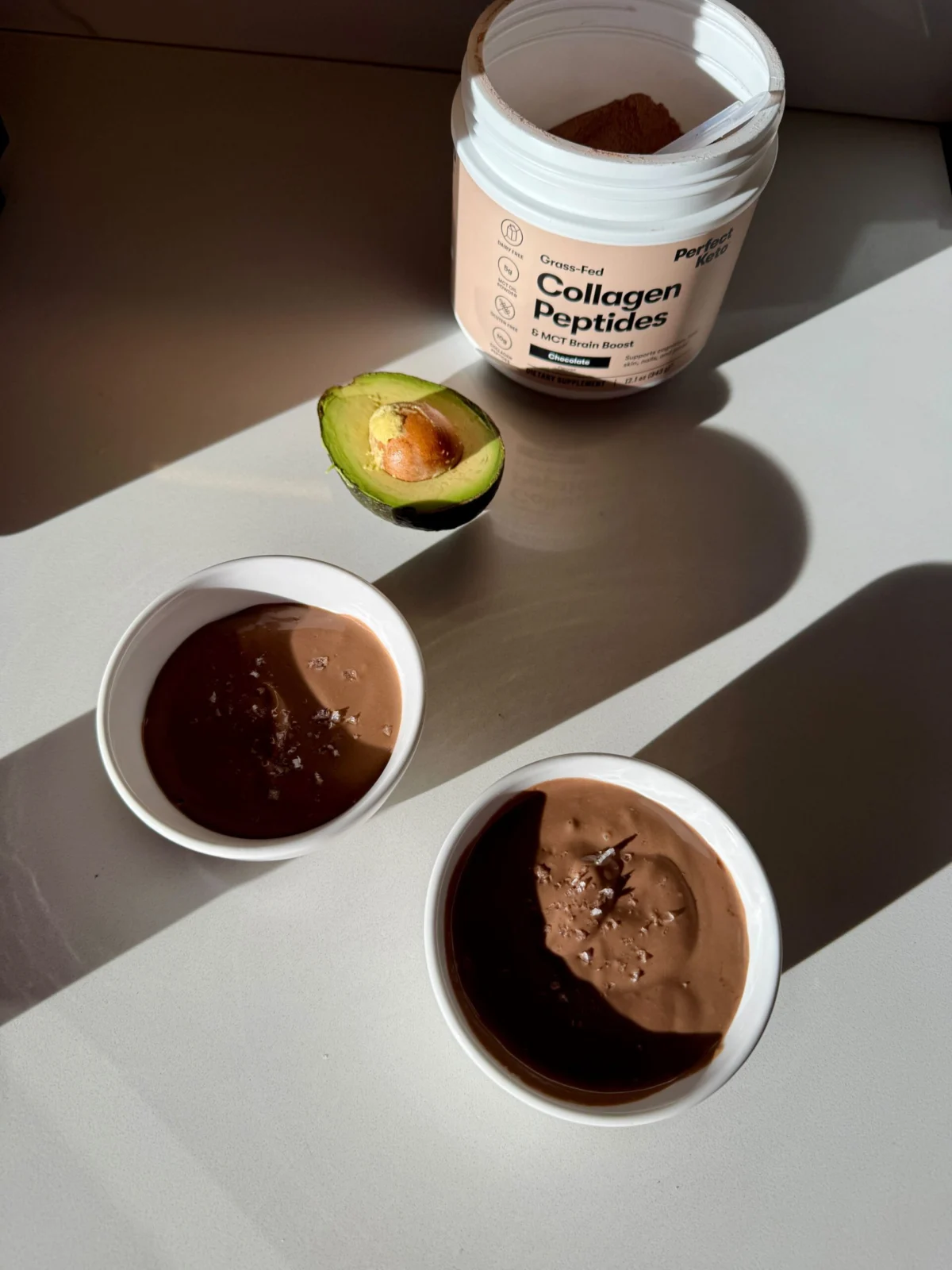
The emergence of a High Protein Chocolate Pudding, notable for its rich, creamy texture and its formulation with ingredients such as cottage cheese, avocado, and Perfect Keto Chocolate Collagen, represents a significant development within the rapidly evolving landscape of functional foods and health-conscious consumerism. This particular recipe, designed to deliver a decadent taste while simultaneously providing substantial nutritional benefits, particularly protein, exemplifies a broader industry movement to integrate wellness goals with traditional indulgence, allowing consumers to align dessert choices with their dietary objectives.
The Evolution of Functional Foods and Protein Integration
The concept of functional foods, defined as foods that have a potentially positive effect on health beyond basic nutrition, has been gaining momentum for decades, but its recent acceleration is unprecedented. Historically, desserts were viewed purely as treats, often high in sugar and fat, with little consideration for their nutritional contribution. However, a paradigm shift has occurred, driven by increasing consumer awareness of diet’s impact on health, the rise of preventative wellness, and a desire for foods that offer more than just caloric intake. This shift has paved the way for products like protein-packed puddings, which blur the lines between a traditional dessert and a nutritional supplement.
The integration of protein into a wider array of food products is a cornerstone of this trend. Protein, essential for muscle repair, satiety, and overall metabolic health, has moved beyond the exclusive domain of athletes and bodybuilders to become a mainstream nutrient sought by a diverse consumer base. From breakfast cereals and snack bars to beverages and now desserts, manufacturers are fortifying products to meet this demand. The global protein ingredient market, valued at approximately $49.8 billion in 2022, is projected to reach $83.6 billion by 2029, according to market research reports, underscoring the sustained growth and strategic importance of protein in food innovation. This growth is fueled by an aging population seeking to maintain muscle mass, an increasing number of individuals adopting plant-based diets, and a general health trend emphasizing nutrient density.
The Keto Diet Phenomenon and its Market Impact
Central to the context of this High Protein Chocolate Pudding is its alignment with the ketogenic (keto) diet, a low-carbohydrate, high-fat, and adequate-protein eating plan. The keto diet, initially developed in the 1920s to treat epilepsy, has experienced a resurgence in popularity over the last decade, primarily as a weight-loss strategy and for its purported benefits in managing blood sugar, improving cognitive function, and reducing inflammation. Its principles mandate a drastic reduction in carbohydrate intake, typically to under 50 grams per day, forcing the body to enter a metabolic state called ketosis, where it burns fat for fuel instead of carbohydrates.
The rapid adoption of the keto diet has created a significant market niche for specialized food products. Consumers adhering to keto guidelines often struggle to find convenient and palatable options that comply with strict macronutrient ratios, particularly in categories traditionally dominated by high-carb ingredients, such as desserts. This demand has spurred innovation, leading to a proliferation of keto-friendly snacks, meals, and, crucially, desserts. The global ketogenic diet food market was estimated at approximately $10.2 billion in 2022 and is forecast to expand at a compound annual growth rate (CAGR) of over 5% from 2023 to 2030, driven by increasing health consciousness and the prevalence of obesity and diabetes. A product like the High Protein Chocolate Pudding directly addresses this market gap, offering a satisfying sweet treat without derailing ketogenic goals.
Key Ingredients: A Nutritional Deep Dive
The formulation of this pudding with cottage cheese, avocado, and collagen highlights a strategic selection of ingredients, each contributing unique nutritional and textural attributes.
-
Cottage Cheese: Long recognized as a staple for those seeking high-protein, low-fat dairy options, cottage cheese has recently seen a renewed interest. A half-cup serving typically contains around 12-15 grams of protein, primarily casein, a slow-digesting protein that promotes sustained satiety. Its mild flavor and creamy texture, particularly when blended, make it an ideal base for smooth desserts. Beyond protein, cottage cheese is a good source of calcium, phosphorus, and B vitamins. Its historical use dates back centuries as a farm-fresh cheese, and its modern resurgence in "protein-hack" recipes underscores its versatility and nutritional density. The blending process effectively eliminates its characteristic curds, transforming it into a silky base that defies its traditional perception.
-
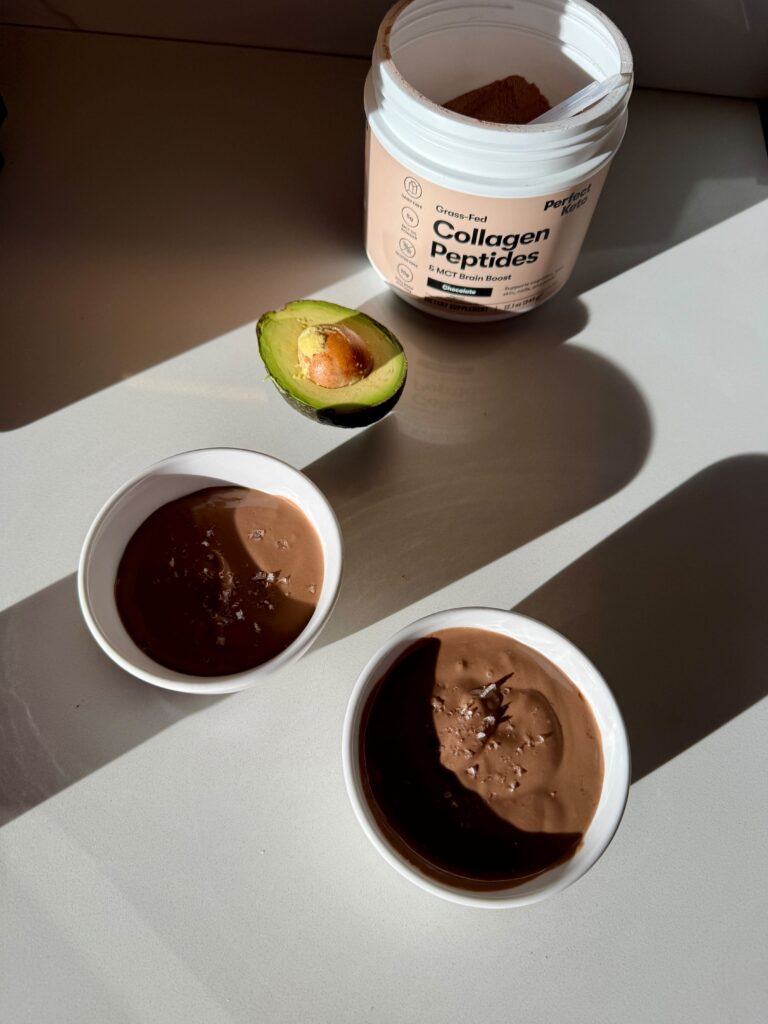
Avocado: The inclusion of avocado is a strategic choice for both its nutritional profile and its contribution to the pudding’s texture. Avocados are rich in monounsaturated fatty acids (MUFAs), particularly oleic acid, which are known for their heart-healthy benefits. They also provide dietary fiber, potassium, and vitamins K, C, B6, and E. In culinary applications, avocado lends a natural creaminess and richness, acting as a healthy fat binder and emulsifier. Its mild flavor ensures it doesn’t overpower the chocolate, instead enhancing the pudding’s luxurious mouthfeel while adding a wealth of micronutrients and healthy fats, crucial for satiety and energy on a keto diet. The use of avocado in desserts, while perhaps surprising to some, has gained traction in recent years as consumers seek natural, plant-based ways to add creaminess and nutritional value without relying on dairy or artificial thickeners.
-
Perfect Keto Chocolate Collagen: This ingredient is particularly significant, representing the confluence of protein supplementation, specific dietary adherence (keto), and targeted functional benefits. Collagen, the most abundant protein in the human body, is vital for skin elasticity, joint health, and the integrity of connective tissues. As a supplement, hydrolyzed collagen peptides are easily digestible and absorbable, offering a convenient way to boost protein intake and support these bodily functions. The "Perfect Keto" brand’s specific formulation likely includes Medium-Chain Triglycerides (MCTs), often derived from coconut oil, which are rapidly metabolized into ketones, further supporting the ketogenic state. The chocolate flavor also adds the primary taste profile, making the pudding palatable and indulgent. The market for collagen supplements has seen explosive growth, driven by an aging demographic and increasing awareness of its benefits beyond just beauty, extending to gut health and athletic recovery. The integration of collagen with MCTs specifically targets the keto demographic, offering a dual benefit of structural protein and ketogenic fuel.
Storage, Serving, and Recipe Flexibility
The practical aspects of the pudding recipe, such as storage tips and serving suggestions, also reflect modern consumer habits. The option to enjoy it immediately or let it set overnight caters to both instant gratification and meal-prepping convenience. Its versatility, as implied by "Recipe Variations," suggests that such foundational recipes can be adapted to individual tastes or dietary needs, whether through different flavorings, toppings, or ingredient substitutions. This adaptability is a key characteristic of successful recipes in the digital age, where personalization and dietary customization are highly valued. The emphasis on community engagement, evidenced by the call to "Tag @perfectketo with #perfectketo," leverages social media to foster a sense of shared experience and promotes user-generated content, a powerful marketing tool in the wellness space.
Industry Implications and Broader Impact
The proliferation of products like this High Protein Chocolate Pudding carries several implications for the food industry and public health.
Firstly, it signals a continued blurring of the lines between traditional food categories. Desserts are no longer solely about pleasure but are increasingly expected to contribute to health goals. This trend challenges food manufacturers to innovate beyond conventional formulations, requiring expertise in nutrition science, ingredient technology, and flavor development.
Secondly, it underscores the growing influence of specialized diets, particularly the keto diet, on product development. While mainstream food companies are adapting, niche brands like "Perfect Keto" have carved out significant market share by catering directly to these specific dietary communities. Their success highlights the power of targeted marketing and product innovation for well-defined consumer segments.
Thirdly, it reflects a broader consumer demand for transparency and "clean label" ingredients. While not explicitly detailed in the recipe snippet, the use of recognizable, whole-food ingredients like cottage cheese and avocado, alongside a branded collagen product, generally aligns with consumer preferences for natural and minimally processed options.
Finally, the emphasis on high protein content in desserts aligns with global health recommendations from various health organizations and nutrition experts who advocate for adequate protein intake for satiety, weight management, and muscle maintenance, especially as individuals age. The convenience of consuming protein through enjoyable formats like pudding can significantly aid individuals in meeting their daily protein requirements without resorting to less appealing options.
Looking forward, the trajectory for functional desserts and protein-enriched foods appears robust. As scientific understanding of nutrition deepens and consumer awareness continues to grow, the demand for foods that offer both sensory pleasure and tangible health benefits will likely intensify. Innovations in alternative sweeteners, plant-based proteins, and novel ingredient combinations will further expand the possibilities, ensuring that the intersection of health and indulgence remains a fertile ground for culinary and nutritional advancement. The High Protein Chocolate Pudding, therefore, is not merely a recipe; it is a microcosm of a powerful and enduring trend reshaping how we perceive and consume food in the 21st century.
